Are you sure your skincare routine is really working for you? You spend time and money on products, but do you know if they’re the right ones?
What if a simple tweak could make your skin glow like never before? In this post, you’ll discover how to rate your skincare routine step by step. By the end, you’ll feel confident about what to keep, what to change, and how to get the best results for your skin.
Ready to unlock your skin’s true potential? Let’s dive in!
Skincare Routine Basics
Understanding the basics of your skincare routine is the first step to glowing, healthy skin. A good routine doesn’t have to be complicated or time-consuming. It just needs consistency and the right approach tailored to your skin’s needs.
Essential Daily Steps
Every effective skincare routine starts with a few simple daily steps: cleansing, moisturizing, and protecting.
- Cleansing:Wash your face twice a day to remove dirt, oil, and impurities. Use a gentle cleanser suited for your skin type.
- Moisturizing:Keep your skin hydrated by applying a moisturizer after cleansing. This helps maintain your skin’s barrier and prevents dryness.
- Sun Protection:Use sunscreen every morning, even on cloudy days. UV damage is a major cause of premature aging and skin issues.
Have you noticed how skipping just one of these steps can affect your skin by the end of the day?
Choosing The Right Products
Picking products can feel overwhelming, but focusing on your skin type simplifies the process.
- Oily Skin:Look for oil-free, non-comedogenic products that control shine without clogging pores.
- Dry Skin:Opt for thicker creams with hydrating ingredients like hyaluronic acid or glycerin.
- Sensitive Skin:Choose fragrance-free and hypoallergenic formulas to reduce irritation.
Reading ingredient labels matters. Do you know what’s in your skincare products and how they affect your skin?
Common Skincare Mistakes
Even the best intentions can go wrong if you unknowingly make these mistakes:
- Over-Exfoliating:Scrubbing too often can damage your skin barrier and cause redness.
- Skipping Sunscreen:Ignoring sun protection leads to sunspots and premature wrinkles.
- Using Too Many Products:Layering multiple products can overwhelm your skin and cause breakouts.
Have you ever felt your skin react badly after trying too many new products at once? Sometimes less really is more.
Cleansing Techniques
Cleansing is the foundation of any effective skincare routine. How you cleanse can make a big difference in how your skin feels and looks throughout the day. Let’s talk about different cleansing techniques that can help you get the best results.
Types Of Cleansers
Not all cleansers are created equal. You might find options like foaming cleansers, cream cleansers, oil-based cleansers, and micellar water on the market.
Foaming cleansers are great if you have oily skin because they remove excess oil. Cream cleansers work well for dry skin since they add moisture while cleaning. Oil-based cleansers can dissolve makeup and sunscreen effectively without stripping your skin.
Think about your skin type before choosing a cleanser. Have you tried switching cleansers and noticed a difference in skin texture?
How Often To Cleanse
How often you cleanse depends on your lifestyle and skin type. Most people benefit from cleansing twice a day—once in the morning and once before bed.
If you wear heavy makeup or sunscreen, cleansing at night is essential to avoid clogged pores. However, over-cleansing can dry out your skin and cause irritation. Listen to your skin’s signals to find the right balance.
Double Cleansing Benefits
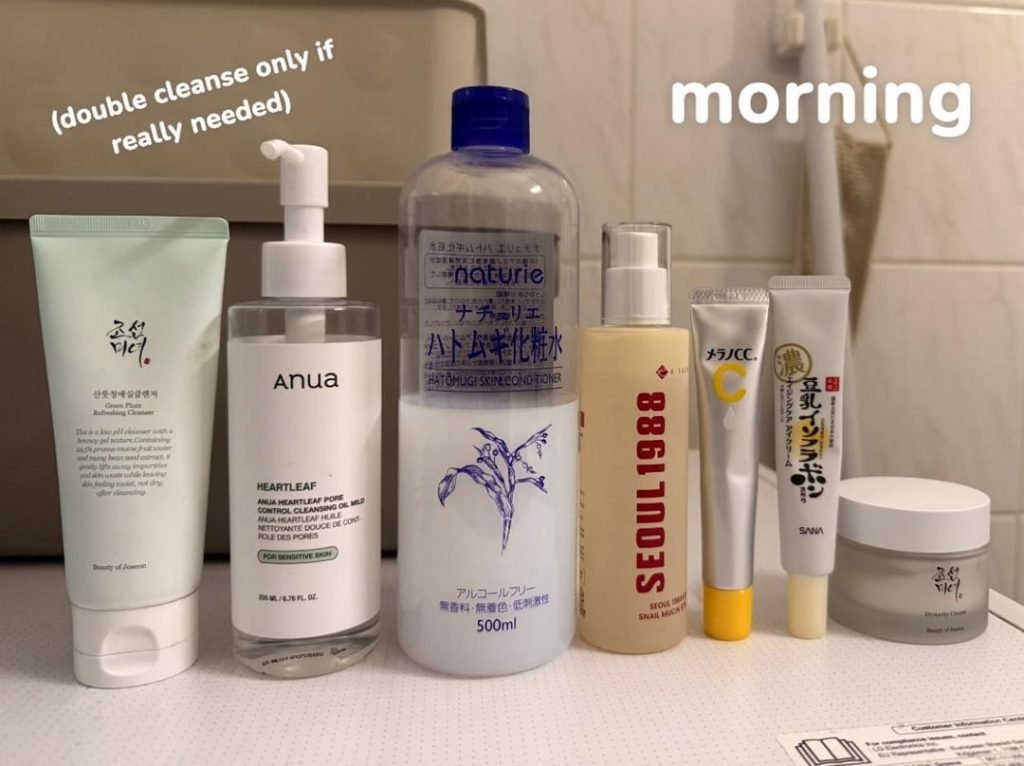
Double cleansing is a technique that involves using two different types of cleansers one after the other. Usually, it starts with an oil-based cleanser followed by a water-based cleanser.
This method removes stubborn makeup, sunscreen, and impurities more thoroughly than a single cleanse. After trying double cleansing myself, I noticed my skin felt cleaner without being tight or dry.
Wondering if double cleansing could help your skin feel fresher or reduce breakouts? It might be worth a try, especially if you wear makeup daily.
Exfoliation Tips
Exfoliation plays a key role in any skincare routine, helping you reveal smoother and brighter skin. Getting it right can make a huge difference, but it also requires some care. Let’s look at some practical tips that can help you exfoliate effectively without harming your skin.
Physical Vs Chemical Exfoliants
Physical exfoliants use small particles or tools to scrub away dead skin. Think sugar scrubs, brushes, or exfoliating gloves. They give immediate smoothness but can sometimes be too harsh, especially if your skin is sensitive.
Chemical exfoliants use acids like AHAs (glycolic, lactic) or BHAs (salicylic acid) to dissolve dead skin cells gently. They often improve skin texture and tone over time without the rough scrubbing. Have you tried switching between these two types to see what your skin prefers?
Frequency And Timing
How often you exfoliate depends on your skin type and the exfoliant you use. For example, sensitive skin might do well with once a week, while oily skin can handle two to three times. Pay attention to how your skin reacts and adjust accordingly.
Timing matters too. Exfoliating at night lets your skin recover while you sleep. Plus, it prepares your skin to absorb moisturizers and serums better. Avoid exfoliating right before sun exposure to reduce sensitivity.
Avoiding Over-exfoliation
It’s easy to think more exfoliation means better results, but overdoing it can cause irritation, redness, and even breakouts. Watch for signs like dryness or flaking, which mean your skin needs a break.
Balance is key. If your skin feels tight or looks shiny after exfoliating, you might be stripping away too much. Try giving your skin a day or two without exfoliating, and focus on hydration instead.
Credit: www.allure.com
Moisturizing For Glow
Moisturizing plays a crucial role in achieving that enviable glow. It’s not just about slapping on any cream; the right moisturizer can transform your skin’s texture and radiance. Think of it as the foundation that keeps your skin plump, hydrated, and luminous throughout the day.
Choosing Moisturizers By Skin Type
Not all moisturizers are created equal, and your skin type should guide your choice. If you have dry skin, look for rich, cream-based moisturizers containing ingredients like shea butter or ceramides that lock in moisture.
Oily skin benefits from lightweight, gel-based formulas with non-comedogenic ingredients to avoid breakouts. For sensitive skin, opt for fragrance-free and soothing options with aloe vera or chamomile to calm irritation.
Have you noticed how switching to a moisturizer that suits your skin type can instantly improve your complexion? That’s because hydration needs vary widely, and the wrong product can leave your skin feeling greasy or tight.
Ingredients That Boost Radiance
Glow doesn’t come from moisture alone—it’s about what’s inside your moisturizer. Ingredients like Vitamin C brighten dull skin and even out tone, while niacinamide reduces redness and enhances skin’s natural barrier.
Hyaluronic acid is a hydration powerhouse, attracting moisture to keep skin plump and bouncy. Don’t overlook gentle exfoliants such as lactic acid, which smooth the surface and reveal fresh, glowing skin underneath.
Next time you pick a moisturizer, scan the label for these game-changers. What ingredient do you think your skin needs most right now?
Application Tips
How you apply moisturizer can make a big difference in how your skin looks and feels. Always apply it on slightly damp skin to seal in hydration better.
Use gentle upward strokes to avoid pulling your skin down, which can contribute to sagging over time. Don’t forget your neck and décolletage—they deserve glow too.
Applying too much can clog pores, especially if you have oily skin, so start small and add more if needed. Have you tried tapping your moisturizer instead of rubbing it in? It helps with absorption and gives a little boost of circulation for extra radiance.
Sun Protection Essentials
Sun protection is a key part of any skincare routine. It helps prevent sunburn, skin damage, and premature aging. Using the right products and habits keeps your skin healthy and glowing. Understanding how to choose and apply sunscreen matters.
Selecting The Right Sunscreen
Choose a sunscreen with broad-spectrum protection. It blocks both UVA and UVB rays. Pick an SPF of at least 30 for daily use. For sensitive skin, look for mineral sunscreens with zinc oxide or titanium dioxide. Water-resistant formulas are best for outdoor activities. Avoid sunscreens with harsh chemicals that can irritate your skin.
How To Apply Sunscreen Properly
Apply sunscreen 15 minutes before going outside. Use enough to cover all exposed skin. A good rule is one teaspoon for your face and neck. Don’t forget ears, hands, and the back of your neck. Reapply every two hours or after swimming or sweating. Use a gentle patting motion to spread it evenly.
Daily Sun Protection Habits
- Wear hats and sunglasses to shield your face and eyes.
- Seek shade during peak sun hours, usually 10 a.m. to 4 p.m.
- Wear protective clothing like long sleeves and pants.
- Use sunscreen every day, even on cloudy days.
- Check your skin regularly for any changes or spots.

Credit: www.reddit.com
Targeted Treatments
Targeted treatments help address specific skin concerns directly. These treatments work deeper than basic cleansing or moisturizing. They focus on issues like dullness, acne, or aging. Including targeted products can improve skin texture and appearance quickly. Choosing the right treatment depends on your skin type and concerns.
Serums For Glowing Skin
Serums contain concentrated ingredients that brighten and hydrate skin. They absorb fast and reach deep layers. Look for serums with vitamin C, hyaluronic acid, or niacinamide. These ingredients boost radiance and even skin tone. Use serums daily, before moisturizer, for best results.
Spot Treatments And Masks
Spot treatments target pimples or dark spots directly. They reduce redness and speed healing. Ingredients like salicylic acid or benzoyl peroxide work well. Masks provide a deeper cleanse or extra hydration. Clay masks absorb oil, while sheet masks soothe and moisturize. Use spot treatments on problem areas only.
Incorporating Retinoids
Retinoids improve skin texture and reduce wrinkles. They promote cell turnover and collagen production. Start with a low concentration to avoid irritation. Use retinoids at night and apply sunscreen during the day. Consistent use leads to smoother, firmer skin over time.
Lifestyle Factors
How you live daily plays a huge role in your skin’s health. Skincare products alone can’t fix everything if your lifestyle isn’t supporting your skin. Small changes in your habits can make a big difference in how your skin looks and feels.
Diet And Hydration
Your skin reacts quickly to what you eat and drink. Drinking plenty of water helps keep your skin hydrated from the inside out. I noticed that cutting back on sugary snacks and adding more fruits and vegetables made my skin less oily and more balanced.
Try adding foods rich in antioxidants like berries, nuts, and green leafy vegetables. These help fight skin damage caused by pollution and sun exposure. Are you paying enough attention to what you eat for your skin’s sake?
Sleep And Stress Management
Missing sleep shows up on your face fast—dark circles, dullness, and even breakouts. I used to underestimate sleep until I started getting 7-8 hours regularly, and my skin’s glow improved dramatically.
Stress triggers hormones that can worsen acne and cause skin inflammation. Finding ways to relax, like meditation or simple breathing exercises, can help keep your skin calm. What’s your go-to method for unwinding after a long day?
Exercise And Skin Health
Exercise boosts blood flow, which helps deliver oxygen and nutrients to your skin. After workouts, I noticed my skin looked fresher and more radiant, even before applying any products.
Be sure to wash your face soon after sweating to avoid clogged pores. Even gentle activities like walking or yoga can improve your skin’s appearance over time. How often do you move your body each week to support your skin?

Credit: www.reddit.com
Tracking Your Progress
Tracking your skincare progress helps you see what works best for your skin. It shows changes and guides you on improving your routine. Careful tracking avoids guesswork and makes skincare more effective.
Keeping A Skincare Journal
Writing down daily skincare steps helps monitor results clearly. Note products used, time of application, and skin reactions. Include photos to compare changes over weeks or months. A journal reveals patterns and highlights what benefits your skin.
When To Adjust Your Routine
Look for signs like dryness, redness, or breakouts to know when to change products. Skin may need different care in different seasons or phases. Adjust slowly, changing one product at a time to see its effect. Avoid switching too often to give products time to work.
Consulting Professionals
Seek advice from dermatologists or skincare experts for complex concerns. They can recommend products suited to your skin type and issues. Professionals help avoid harmful ingredients and suggest treatments for better results. Regular check-ins ensure your routine stays safe and effective.
Frequently Asked Questions
What Is The Best Way To Rate My Skincare Routine?
To rate your skincare routine, assess product effectiveness, skin improvement, and consistency. Track results over weeks to determine success. Consider skin type and concerns for personalized evaluation. Adjust routine based on feedback and expert advice to optimize results.
How Often Should I Update My Skincare Routine?
Update your skincare routine every 3 to 6 months. Seasonal changes and skin needs vary, requiring adjustments. New products or skin concerns may also prompt updates. Regular evaluation ensures your routine remains effective and suitable for your skin type.
Can I Rate My Skincare Routine Without Expert Help?
Yes, you can rate your skincare routine at home. Observe skin changes, hydration, and breakouts regularly. Use online tools or apps for additional guidance. However, consulting a dermatologist can provide personalized and professional insights.
Why Is Consistency Important In Skincare Routines?
Consistency ensures products work effectively over time. Irregular use can reduce benefits and cause skin issues. A steady routine helps maintain skin health, texture, and appearance. Results typically appear after several weeks of continuous care.
Conclusion
Crafting a skincare routine is a personal journey. Each step reflects your skin’s needs. Listening to your skin is crucial. Experiment with products. Find what suits you best. Consistency is key. Healthy skin does not happen overnight. Patience leads to glowing results.
Share your skincare experiences with friends. Learn from each other. This routine might inspire others. Keep your skin happy and healthy. Remember, your skin is unique. Treat it with care and love. Your journey helps others on theirs. Stay informed and curious.
Your skin will thank you.
