Are you eager to unlock the secret to youthful, glowing skin? Retinol might just be the game-changer your skincare routine needs.
As a proven powerhouse ingredient, retinol can help reduce wrinkles, improve skin texture, and even out skin tone. But how exactly do you incorporate this miracle worker into your daily regimen without overwhelming your skin? The answer lies in understanding how to use it effectively.
Dive into this guide to discover how you can make retinol work wonders for your skin. Don’t let confusion hold you back; it’s time to embrace the benefits of retinol with confidence!
Benefits Of Retinol
Retinol is a powerhouse ingredient in skincare, known for its impressive ability to transform your skin. Many people hesitate to add it to their routine because they’re unsure about what it really does. Understanding its benefits can help you see why it’s worth the effort and patience.
Boosting Collagen Production
Retinol stimulates your skin to produce more collagen, the protein that keeps your skin firm and elastic. Over time, collagen levels drop, causing sagging and dullness. Using retinol regularly can help restore that bounce and youthful glow, making your skin look healthier and more vibrant.
Fighting Acne And Breakouts
If you struggle with acne, retinol can be a game-changer. It helps unclog pores by speeding up cell turnover, which prevents dead skin cells from causing blockages. Many users see fewer breakouts and less inflammation after consistent use, even when other treatments have failed.
Reducing Fine Lines And Wrinkles
Fine lines and wrinkles form as your skin loses moisture and collagen. Retinol works by increasing cell turnover and stimulating collagen, which smooths out these signs of aging. You don’t need to wait months to notice; many people observe a visible difference in skin texture within a few weeks.
Improving Skin Texture And Tone
Uneven skin texture and dullness can make your complexion look tired. Retinol helps by promoting the shedding of old, dead skin cells, revealing fresh, radiant skin underneath. This process evens out your skin tone and softens rough patches, giving you a smoother, brighter face.
Choosing The Right Retinol
Choosing the right retinol is key to seeing good skin results without irritation. Different types and strengths suit different skin needs. Knowing your skin type helps pick the best option. This guide makes it easier to find the right retinol for your routine.
Different Types Of Retinoids
Retinoids come in several forms. Each works differently on the skin.
- Retinol:Mild and common. Converts slowly to active form.
- Retinaldehyde:Stronger than retinol but gentler than prescription types.
- Tretinoin:Prescription-only. Very effective but may cause irritation.
- Adapalene:Over-the-counter and prescription. Good for acne and sensitive skin.
Choose a type based on your skin needs and comfort.
Selecting The Appropriate Strength
Retinol products have different strengths. Start low to avoid skin problems.
- Low strength (0.1% to 0.3%) is best for beginners.
- Medium strength (0.3% to 0.5%) suits those with some retinol experience.
- High strength (0.5% to 1%) is for advanced users with tough skin.
Gradually increase strength to let skin adjust well.
Considering Skin Type And Sensitivity
Skin type affects how retinol works.
- Dry skin:Use low strength and moisturize well.
- Oily skin:Medium strength helps control oil and clear pores.
- Sensitive skin:Choose gentle retinoids like adapalene or retinaldehyde.
- Normal skin:Most strengths are usually fine; start moderate.
Test retinol on a small area before full use. Stop if irritation occurs.
Preparing Your Skin
Preparing your skin before applying retinol is essential. It helps your skin adjust and reduces irritation. Taking the right steps creates a smooth base for retinol to work effectively. Follow these simple tips to get your skin ready.
Cleansing Techniques
Start with a gentle cleanser to remove dirt and oil. Use lukewarm water to avoid drying out your skin. Pat your face dry with a soft towel. Avoid harsh scrubs or strong cleansers before applying retinol. Clean skin allows better absorption and less irritation.
Moisturizing Before Retinol
Apply a lightweight moisturizer to hydrate your skin first. Moisturizing creates a protective barrier and prevents dryness. Choose a moisturizer with soothing ingredients like ceramides or hyaluronic acid. Wait a few minutes after moisturizing before using retinol. This step helps reduce redness and peeling.
Patch Testing For Sensitivity
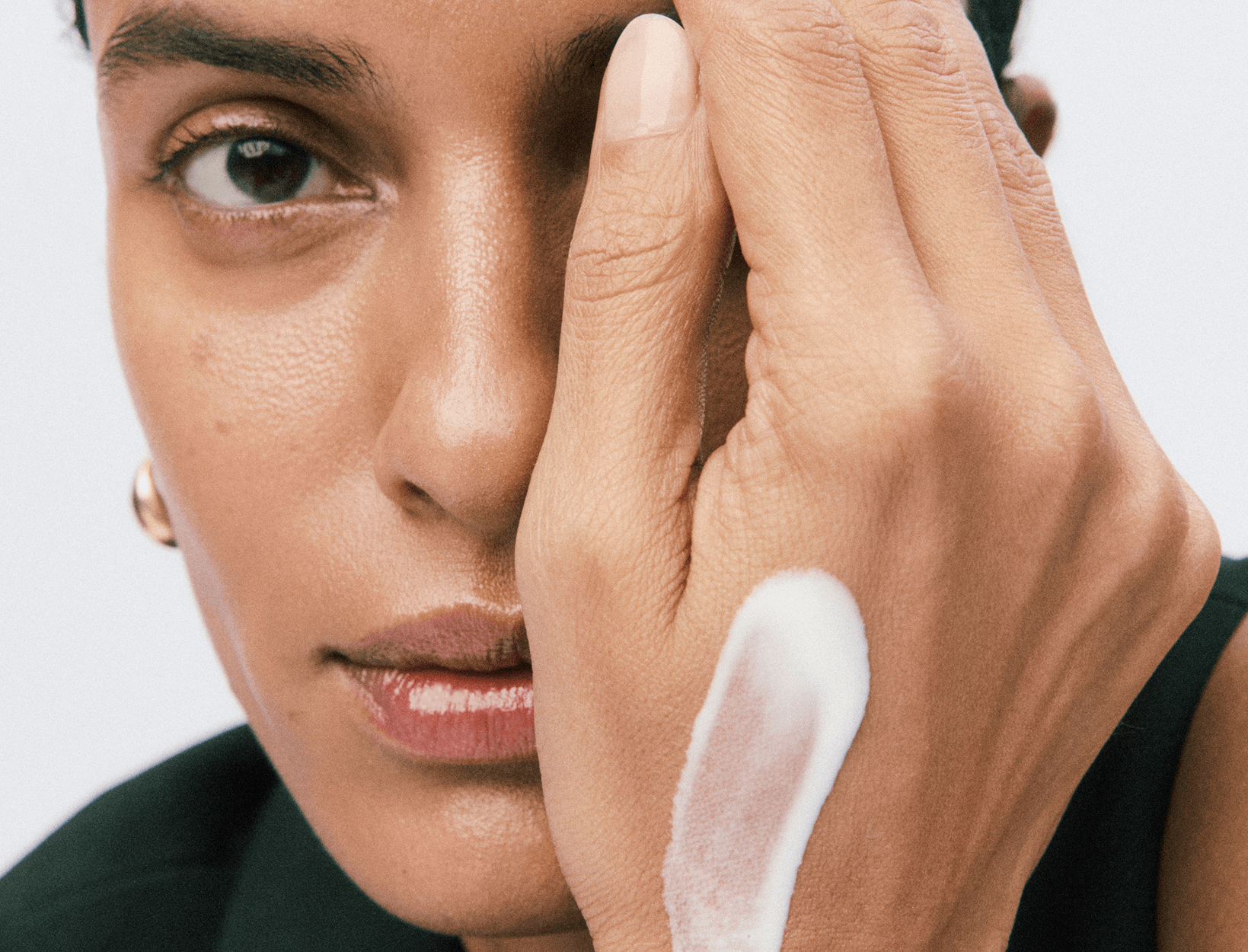
Test retinol on a small skin area before full use. Apply a tiny amount on your inner forearm or behind your ear. Wait 24 to 48 hours to check for reactions. Look for redness, itching, or burning. If you notice irritation, try a lower retinol concentration or consult a dermatologist.
Credit: goop.com
Incorporating Retinol Into Routine
Adding retinol to your skincare can improve skin texture and tone. It requires care and patience to avoid irritation. Gradual introduction helps your skin adapt well. Knowing when and how to apply retinol ensures better results. Combining retinol with other products needs careful planning.
Starting Slowly And Building Tolerance
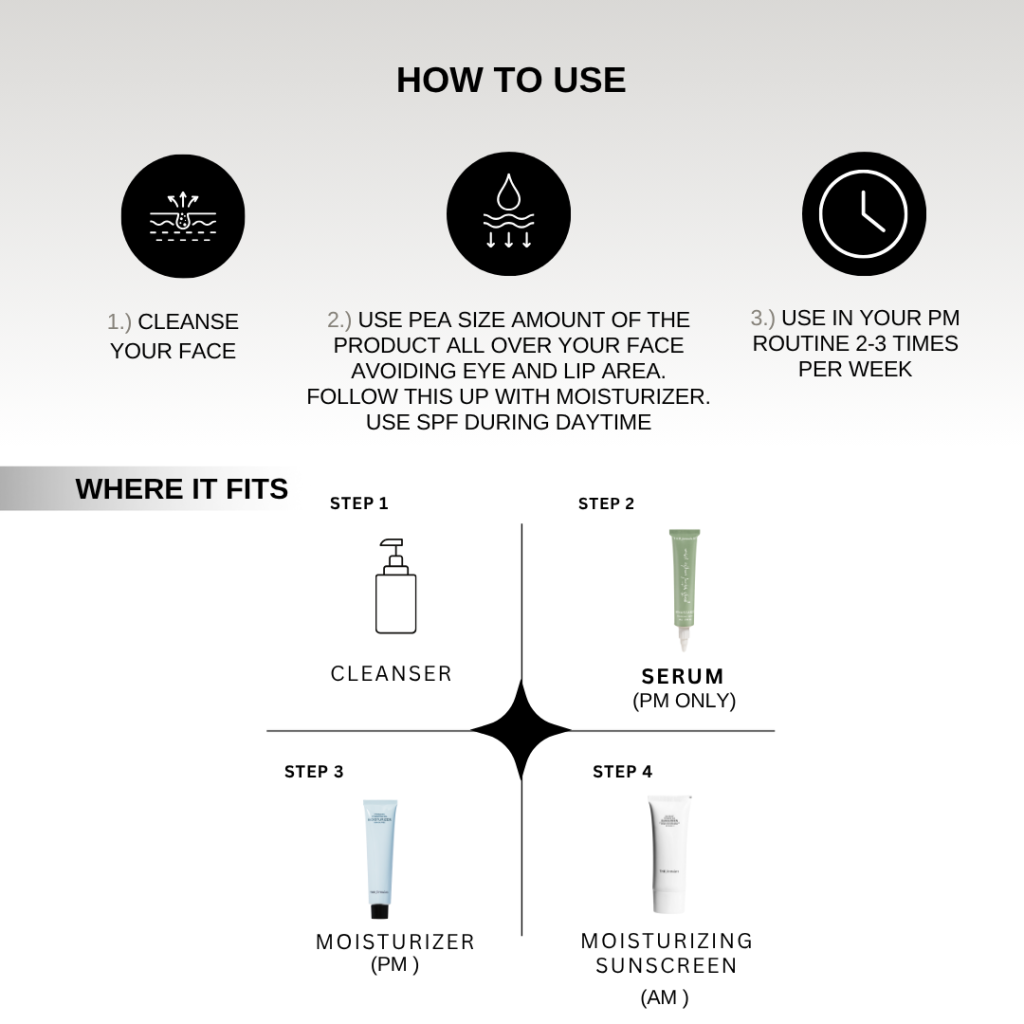
Begin with a low concentration of retinol. Apply it once or twice a week at first. Watch your skin for any redness or dryness. If your skin handles it well, increase use to every other night. Over weeks, you can use retinol nightly. This slow approach reduces the chance of irritation.
Best Time To Apply Retinol
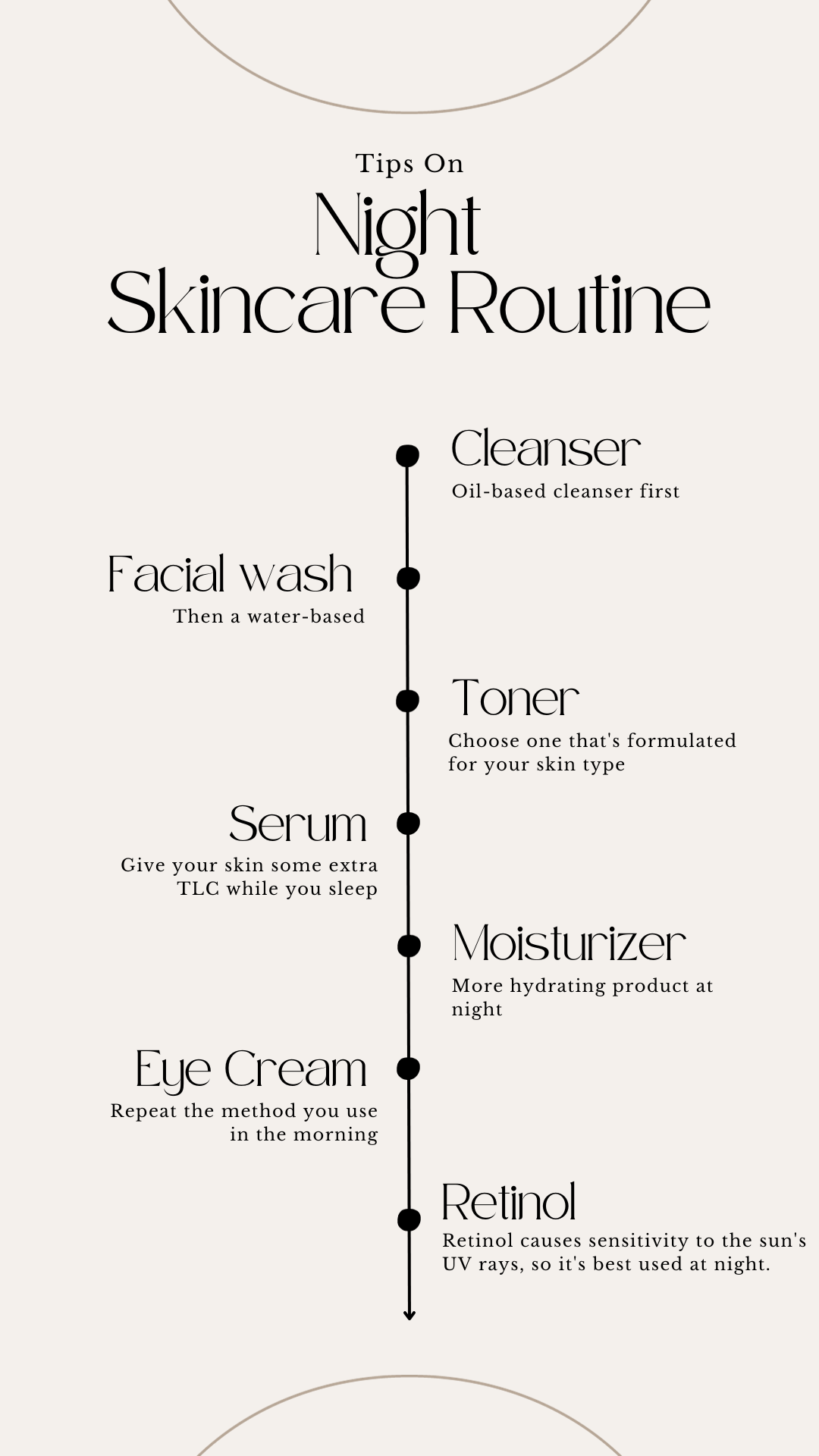
Use retinol in the evening. Sunlight can break down retinol and cause sensitivity. Cleanse your face before application. Wait for your skin to dry completely. Apply a pea-sized amount evenly on your face. Follow with a moisturizer to reduce dryness. Avoid using retinol during the day.
Layering With Other Products
Keep your routine simple when starting retinol. Avoid mixing with products that irritate, like exfoliants or acids. Use gentle cleansers and moisturizers. Apply retinol on dry skin first. Wait a few minutes before applying moisturizer. Sunscreen is essential the next morning. It protects skin from sun damage caused by retinol use.
Managing Side Effects
Using retinol can bring amazing benefits to your skin, but it often comes with side effects that can be uncomfortable. Managing these side effects is key to making retinol a consistent part of your skincare routine. Knowing how to handle dryness, redness, or irritation will help you stay committed without sacrificing your skin’s comfort.
Dealing With Dryness And Peeling
Dryness and peeling are common when you first start retinol. Your skin is adjusting to the increased cell turnover, which can leave it feeling tight and flaky.
Try adding a rich moisturizer immediately after applying retinol. Look for ingredients like hyaluronic acid or ceramides that lock in moisture without clogging pores.
Also, avoid washing your face with hot water, as this can strip away natural oils and worsen dryness. Gently pat your skin dry instead of rubbing.
Reducing Redness And Irritation
Redness and irritation can make you want to stop using retinol altogether, but there are ways to ease these symptoms.
- Apply retinol every other night instead of daily at first to give your skin time to build tolerance.
- Use a gentle, fragrance-free cleanser to avoid adding more irritation.
- Layer a thin amount of moisturizer before retinol to create a buffer and reduce sensitivity.
Have you noticed certain products making your skin more sensitive? Cutting those out can make a big difference in how your skin reacts.
When To Pause Or Adjust Usage
It’s important to listen to your skin’s signals. If irritation becomes severe or your skin develops open sores or swelling, pausing retinol is necessary.
Try reducing the concentration or frequency of retinol applications. For example, switching from 1% to 0.25% or applying twice a week instead of nightly can help.
Remember, retinol isn’t a race. Adjusting your routine based on how your skin responds will lead to better long-term results. Are you ready to prioritize your skin’s health over speed?
Credit: medium.com
Sun Protection Essentials
Sun protection is a must when you use retinol in your skincare routine. Retinol makes your skin more sensitive to sunlight, increasing the risk of sunburn and damage. Protecting your skin daily helps you get the best results from retinol without setbacks.
Why Sunscreen Is Crucial
Sunscreen acts as a shield against harmful UV rays that can worsen skin irritation caused by retinol. Without it, your skin may become red, dry, or peel faster than usual. Have you noticed your skin feeling extra sensitive after adding retinol? That’s why sunscreen is non-negotiable.
Using sunscreen also prevents premature aging and dark spots, which retinol aims to reduce. Think of sunscreen as a partner helping retinol work better and safer.
Choosing Effective Spf Products
Pick a broad-spectrum sunscreen that protects against both UVA and UVB rays. Look for SPF 30 or higher to ensure strong defense. If you spend a lot of time outdoors, consider SPF 50 for extra protection.
Texture matters too. If your skin feels greasy or heavy, you might avoid applying enough sunscreen. Choose lightweight, non-comedogenic formulas that suit your skin type. This makes daily use easier and more consistent.
Daily Sun Protection Habits
Apply sunscreen every morning, even on cloudy days or if you stay indoors near windows. UV rays can penetrate glass and still cause damage. Don’t forget often-missed spots like ears, neck, and hands.
Reapply sunscreen every two hours if you are outside. Use hats and sunglasses as additional barriers. Could your daily routine benefit from these simple additions to protect your skin better?
Tips For Long-term Success
Using retinol effectively takes more than just applying it to your skin. To see real, lasting results, you need to build habits that support your skin’s health over time. These tips will help you maintain a successful retinol routine without overwhelming your skin or yourself.
Consistency And Patience
Retinol doesn’t deliver overnight results. You might notice some improvements in a few weeks, but the best changes happen after months of steady use.
Stick to your routine even if you experience mild irritation at first. Your skin needs time to adjust, so start slowly—maybe twice a week—and gradually increase frequency.
Ask yourself: Are you ready to commit to a long-term process? Because skipping days or switching products too often can hinder progress.
Combining Retinol With Healthy Lifestyle
Retinol works best when paired with a lifestyle that supports skin health. Drinking plenty of water keeps your skin hydrated, which can reduce dryness caused by retinol.
Don’t forget about sunscreen. Retinol can make your skin more sensitive to sunlight, so applying SPF every day is non-negotiable.
- Eat foods rich in antioxidants like berries and leafy greens to help repair skin damage.
- Get enough sleep to allow your skin time to regenerate.
- Avoid smoking and limit alcohol, as they can worsen skin aging and irritation.
When To Consult A Dermatologist
Sometimes, you might hit a plateau or face persistent irritation. If redness, peeling, or discomfort lasts more than a few weeks, it’s time to see a professional.
A dermatologist can recommend the right retinol strength for your skin type or suggest alternative treatments.
Don’t hesitate to ask questions. Are you unsure about combining retinol with other products? Wondering how to tweak your routine for better results? A specialist can guide you safely.

Credit: www.victoriandermalgroup.com.au
Frequently Asked Questions
What Is The Best Time To Apply Retinol?
The best time to apply retinol is at night. It works well while you sleep and avoids sun sensitivity. Always apply retinol on clean, dry skin before moisturizer for better absorption.
How Often Should I Use Retinol In Skincare?
Start using retinol 2-3 times a week. Gradually increase frequency as your skin builds tolerance. Overuse can cause irritation, so listen to your skin’s response.
Can Retinol Cause Skin Irritation?
Yes, retinol can cause irritation, redness, and peeling initially. To reduce this, use a pea-sized amount and apply moisturizer afterward. If irritation persists, reduce frequency or consult a dermatologist.
Should I Use Moisturizer With Retinol?
Yes, moisturizing after retinol helps prevent dryness and irritation. It locks in hydration and soothes skin. Using moisturizer improves retinol’s effectiveness and comfort in your skincare routine.
Conclusion
Retinol can improve your skin with regular use. Start slow to avoid irritation and build tolerance. Use it at night and always apply sunscreen during the day. Pair retinol with gentle cleansers and moisturizers for best results. Watch your skin closely and adjust as needed.
Patience matters; changes take time. A good routine helps keep your skin healthy and glowing. Try to enjoy the process and stay consistent. Your skin will thank you for the care.
