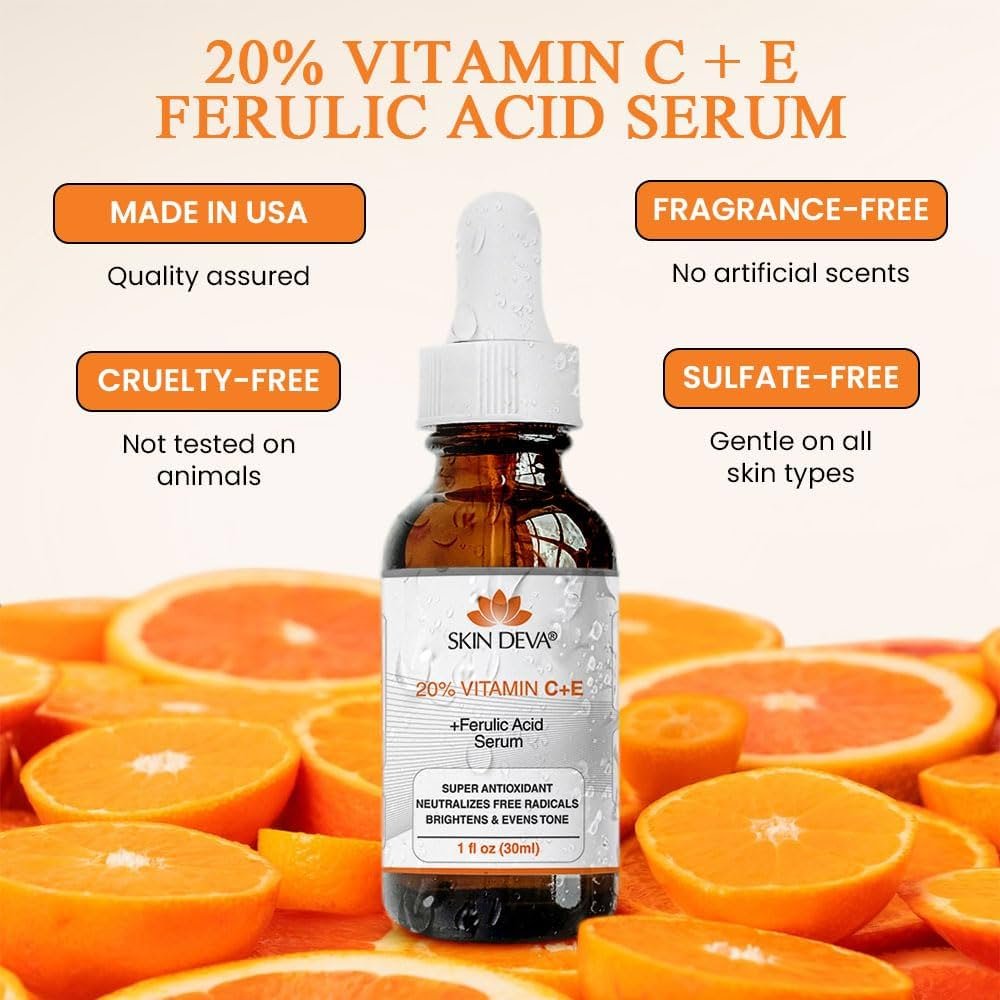
Are you looking for a simple way to brighten your skin and fight signs of aging? Vitamin C could be the secret weapon your skincare routine is missing.
This powerful nutrient does more than just boost your immune system—it can transform your skin’s texture, tone, and glow. Imagine waking up to a smoother, more radiant complexion every day. Keep reading to discover how Vitamin C works wonders for your skin and how you can make it a part of your daily care.
Your skin will thank you!
Benefits Of Vitamin C For Skin
Vitamin C is a powerhouse nutrient that can transform your skin in several visible ways. Its benefits go beyond simple nourishment, actively improving your skin’s health and appearance. Whether you’re dealing with fine lines, uneven tone, or tired-looking skin, Vitamin C has something to offer your daily routine.
Boosting Collagen Production
Collagen is the protein that keeps your skin firm and elastic. Vitamin C plays a crucial role in producing collagen, helping your skin stay strong and youthful. Without enough Vitamin C, your skin can lose its bounce and start showing signs of aging faster.
Adding Vitamin C to your skincare or diet can encourage your body to make more collagen naturally. Have you noticed how some people maintain plump, firm skin well into their 40s and beyond? This might be one reason why.
Fighting Free Radicals
Free radicals are unstable molecules that damage your skin cells and accelerate aging. Vitamin C acts as a powerful antioxidant, neutralizing these harmful molecules before they can cause harm. This protection helps reduce wrinkles and keeps your skin looking healthier.
Think about your skin after a long day in the sun or pollution—Vitamin C helps repair that daily damage. Wouldn’t you want a shield that works every day to keep your skin safe?
Brightening Dull Complexion
Dull skin can make you look tired and older than you feel. Vitamin C helps brighten your complexion by fading dark spots and evening out skin tone. It blocks the enzyme that causes pigmentation, giving your skin a fresh, radiant look.
Many people report a noticeable glow after consistent use of Vitamin C products. Imagine waking up to skin that looks vibrant without heavy makeup—how would that change your morning routine?
Role Of Vitamin A In Skin Health
Vitamin A plays a crucial role in maintaining healthy skin by supporting its natural repair and renewal processes. It acts directly on skin cells to improve texture, reduce signs of aging, and manage common skin issues. Understanding how Vitamin A works can help you decide if it’s the right addition to your skincare routine.
Stimulating Cell Turnover
Vitamin A speeds up the rate at which your skin sheds old, dead cells and produces new ones. This process reveals fresher, smoother skin underneath and helps prevent dullness. If you’ve noticed your skin looking tired or uneven, boosting cell turnover with Vitamin A might be the solution you need.
Reducing Wrinkles And Fine Lines
By promoting collagen production, Vitamin A helps your skin stay firm and elastic. This can significantly reduce the appearance of wrinkles and fine lines over time. Many people find that consistent use of Vitamin A products leads to visibly younger-looking skin, making it a powerful tool against aging.
Controlling Acne And Blemishes
Vitamin A regulates oil production and unclogs pores, which helps prevent acne breakouts. It also reduces inflammation, calming redness and blemishes effectively. If you’ve struggled with stubborn acne, adding Vitamin A to your skincare might be the game-changer you’ve been searching for.
Combining Vitamins C And A
Combining vitamins C and A offers a powerful way to improve skin health. Both vitamins support skin renewal and protect against damage. Using them together can boost their benefits for a brighter, smoother complexion.
Synergistic Effects On Skin
Vitamin C brightens skin and fights free radicals. Vitamin A speeds up cell turnover and reduces wrinkles. Together, they:
- Enhance collagen production for firmer skin
- Improve skin texture and tone
- Reduce signs of aging faster
- Protect against sun damage and pollution
Best Practices For Use Together
Use vitamin C in the morning to protect skin throughout the day. Apply vitamin A at night to support cell renewal. Follow these tips:
- Start with lower concentrations to avoid irritation
- Apply vitamin C serum on clean, dry skin
- Wait 15 minutes before applying vitamin A products
- Always use sunscreen during the day
Potential Side Effects To Watch
Both vitamins can cause irritation if used too much. Watch for redness, dryness, or peeling. To reduce risks:
- Introduce products slowly into your routine
- Use moisturizers to soothe skin
- Stop use if severe irritation occurs
- Consult a dermatologist if unsure
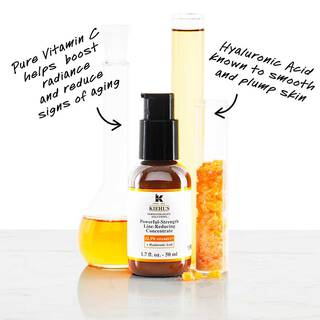
Credit: www.kiehls.ca
Sources Of Vitamin C And A
Finding the right sources of Vitamin C and A is essential for maintaining glowing, healthy skin. Both vitamins play unique roles—Vitamin C supports collagen production and fights free radicals, while Vitamin A helps with skin cell turnover and repair. Knowing where to get these nutrients from your diet or supplements makes a real difference in your skincare routine.
Top Foods Rich In Vitamin C
Vitamin C is abundant in many fresh fruits and vegetables. You might be surprised to learn that some everyday foods pack a powerful punch of this vitamin.
- Oranges and citrus fruits:A classic, easy snack loaded with Vitamin C.
- Strawberries:Sweet and refreshing with a high Vitamin C content.
- Bell peppers:Especially red and yellow ones, they contain more Vitamin C than an orange.
- Kiwis:Small but mighty, kiwis boost your daily Vitamin C intake.
- Broccoli and Brussels sprouts:These veggies offer a solid Vitamin C dose along with fiber and other nutrients.
Have you tried adding bell peppers to your salads or smoothies? They’re an easy way to up your Vitamin C without much effort.
Best Foods Containing Vitamin A
Vitamin A comes in two main forms: preformed Vitamin A (retinol) from animal sources and provitamin A (beta-carotene) from plants. Including both types in your diet can support your skin’s health.
- Carrots:Famous for beta-carotene, they help improve skin tone and texture.
- Sweet potatoes:Another rich source of beta-carotene, with a naturally sweet taste.
- Spinach and kale:Leafy greens are packed with provitamin A and other antioxidants.
- Liver:One of the richest animal sources of preformed Vitamin A.
- Egg yolks:Provide moderate amounts of preformed Vitamin A and support overall skin repair.
Think about swapping out your usual snack for a handful of baby carrots or tossing some kale into your next smoothie. These small changes can add up fast.
Supplement Options
Sometimes, diet alone isn’t enough to meet your vitamin needs. Supplements can help fill in the gaps, especially if your lifestyle limits your access to fresh produce.
| Vitamin | Common Supplement Forms | Tips for Choosing |
|---|---|---|
| Vitamin C | Ascorbic acid, sodium ascorbate, liposomal Vitamin C | Look for buffered forms if you have sensitive stomach; liposomal for better absorption |
| Vitamin A | Retinyl palmitate, beta-carotene supplements | Avoid excessive retinol doses; beta-carotene is safer for long-term use |
Before adding supplements, consider how much Vitamin C and A you already get from your food. Overdoing it can cause issues, so aim for balance and consult with a healthcare provider if unsure.
Incorporating Vitamins Into Skincare Routine
Incorporating vitamins into your skincare routine can improve skin health and appearance. Vitamins like C and A support skin renewal and protect against damage. Choosing the right products and applying them correctly boosts their benefits. Understanding timing and frequency helps achieve the best results.
Choosing The Right Products
Select products with stable forms of vitamins to ensure effectiveness. Look for vitamin C in forms like ascorbic acid or sodium ascorbyl phosphate. For vitamin A, retinol or retinaldehyde are common choices. Check product labels for concentration levels suitable for your skin type. Avoid products with harsh additives that can irritate sensitive skin.
Application Tips For Maximum Absorption
- Apply vitamins on clean, dry skin for better absorption.
- Use a small amount; too much can cause irritation.
- Gently pat the product into skin instead of rubbing.
- Layer products from thinnest to thickest texture.
- Follow vitamin serums with moisturizer to lock in nutrients.
Timing And Frequency
Vitamin C works best in the morning to protect against environmental stress. Apply it after cleansing and before sunscreen. Vitamin A is best used at night, as it can increase sun sensitivity. Start with a few times a week and increase as skin adapts. Consistency is key; regular use shows visible improvements.

Credit: www.medicalcosmeticclinic.ca
Common Myths And Facts
Vitamin C and Vitamin A are popular for skin care. Many people believe many things about them. Some ideas are true, but others are myths. Understanding facts helps to use these vitamins well for healthy skin.
Debunking Misconceptions
Vitamin C always causes skin irritation. Not true. Most skin types tolerate it well.
Vitamin A is only for acne. Actually, it helps with wrinkles and skin texture too.
High doses of Vitamin C give instant results. Skin benefits need time and regular use.
Vitamin A is dangerous for all skin types. Only some sensitive skin may react badly.
Scientific Evidence Supporting Benefits
- Vitamin C boosts collagen, which keeps skin firm and smooth.
- Vitamin C protects skin from sun damage and pollution.
- Vitamin A supports cell renewal, reducing fine lines and spots.
- Both vitamins improve skin tone and brightness with regular use.
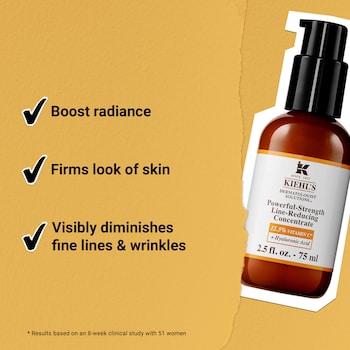
Credit: www.sephora.com
Frequently Asked Questions
What Are The Benefits Of Vitamin C For Skin?
Vitamin C boosts collagen production, improving skin firmness and elasticity. It also brightens skin tone and reduces dark spots. Additionally, it protects skin from sun damage and pollution, promoting a healthier, youthful complexion.
How Does Vitamin A Improve Skin Health?
Vitamin A promotes cell turnover and repairs damaged skin cells. It reduces wrinkles, fine lines, and acne by unclogging pores. It also enhances skin texture, making it smoother and more radiant over time.
Can Vitamin C And A Be Used Together On Skin?
Yes, Vitamin C and A can be combined for enhanced skin benefits. Vitamin C brightens and protects, while Vitamin A renews and repairs. Use Vitamin C in the morning and Vitamin A at night for best results.
Which Foods Are Rich In Vitamin C And A For Skin?
Foods rich in Vitamin C include oranges, strawberries, and bell peppers. For Vitamin A, consume carrots, sweet potatoes, and spinach. These nutrients support skin health from within and improve overall skin appearance.
Conclusion
Vitamin C and A offer great benefits for skin health. They help brighten and smoothen the skin. These vitamins also support collagen production. This reduces wrinkles and fine lines. Consistent use leads to improved skin texture. Ensure your diet includes these nutrients.
Consider supplements if needed. Always consult a dermatologist before starting new products. Healthy skin reflects overall well-being. Make these vitamins part of your skincare routine. Enjoy the glow and confidence they bring. Your skin will thank you for it.
