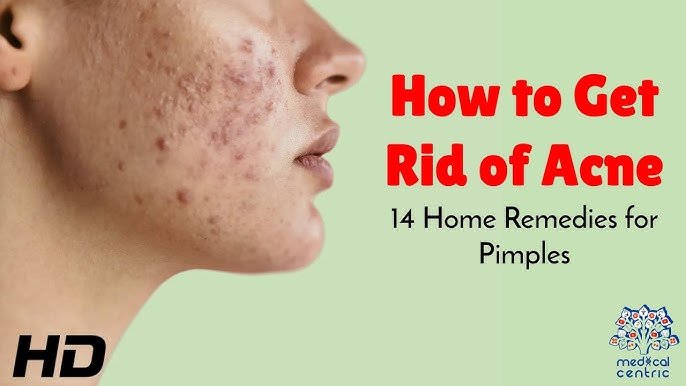
Are you tired of waking up to new pimples every morning? Acne can be frustrating and tough to manage, but what if you could stop it before it starts—right from your own home?
You don’t need expensive treatments or complicated routines. With simple, proven steps, you can take control of your skin and keep those pesky breakouts at bay. Keep reading, and discover easy ways to prevent acne that fit into your daily life.
Your clearer, healthier skin is closer than you think.

Credit: faceitbyzk.com
Daily Skincare Routine
Establishing a consistent daily skincare routine can dramatically reduce the chances of acne flare-ups. The key is to treat your skin gently and choose products that support its natural balance. Your skin responds best when you create habits that cleanse, moisturize, and protect it every day.
Cleansing Techniques
How you cleanse your face matters as much as how often you do it. Use lukewarm water instead of hot water to avoid stripping natural oils that protect your skin.
Apply a gentle cleanser with your fingertips using circular motions. Avoid harsh scrubbing, which can irritate your skin and worsen acne.
Rinse thoroughly and pat dry with a clean towel. You might find double cleansing useful, especially if you wear makeup or sunscreen, to ensure all impurities are removed.
Moisturizing Tips
Even oily skin needs moisture to stay balanced and healthy. Choose a lightweight, non-comedogenic moisturizer that won’t clog pores.
Apply moisturizer right after cleansing to lock in hydration. This helps prevent your skin from producing excess oil, which can lead to breakouts.
Look for ingredients like hyaluronic acid or glycerin that attract moisture without heaviness. Don’t skip moisturizing, even if your skin feels oily.
Choosing The Right Products
Not all skincare products are created equal, especially for acne-prone skin. Look for labels that say “non-comedogenic” or “oil-free” to reduce the risk of clogged pores.
Products containing salicylic acid or benzoyl peroxide can help keep acne under control. However, start with lower concentrations to avoid irritation.
Have you checked the ingredient list lately? Avoid alcohol-based toners or harsh exfoliants that can dry out your skin and trigger more oil production.
Diet And Hydration
Diet and hydration play a key role in preventing acne. What you eat affects your skin’s health and appearance. Drinking enough water helps flush out toxins and keeps skin clear. Focus on foods that nourish your skin and avoid those that cause breakouts.
Foods That Help Clear Skin
- Fruits rich in antioxidants like berries and oranges
- Vegetables such as spinach, kale, and carrots
- Foods high in omega-3 fatty acids like salmon and walnuts
- Probiotic-rich foods like yogurt and kefir
- Whole grains like brown rice and oats
Foods To Avoid
- High-sugar snacks and drinks
- Processed and fast foods
- Dairy products for some people
- Refined carbohydrates like white bread and pasta
- Foods high in unhealthy fats
Importance Of Water Intake
Water keeps skin hydrated and helps remove impurities. Aim to drink at least eight glasses daily. Proper hydration supports skin cell repair and reduces oil buildup. Avoid sugary drinks that can worsen acne. Carry a water bottle to remind yourself to drink often.
Lifestyle Habits
Lifestyle habits play a crucial role in preventing acne at home. Small changes in your daily routine can make a big difference in keeping your skin clear and healthy. Let’s explore how managing stress, getting enough sleep, and exercising regularly can help you control acne naturally.
Managing Stress
Stress triggers your body to produce more oil, which can clog pores and cause breakouts. Finding ways to reduce stress isn’t just good for your mind—it’s essential for your skin too.
Try simple activities like deep breathing, meditation, or even a short walk outside. Notice how your skin reacts on stressful days compared to calm ones. Could reducing stress be the missing piece in your acne prevention routine?
Getting Enough Sleep
Sleep repairs your skin and balances hormones that affect oil production. Without enough rest, your body struggles to fight inflammation, making acne worse.
Aim for 7 to 9 hours of quality sleep each night. Create a bedtime routine that helps you relax, such as reading a book or turning off screens early. Have you tracked how your skin looks after a good night’s sleep?
Exercise Benefits
Exercise increases blood flow, which helps nourish your skin cells and flush out toxins. Sweating also opens up pores, cleansing your skin naturally.
Make sure to wash your face soon after working out to prevent sweat from irritating your skin. What type of exercise leaves you feeling refreshed and your skin glowing?
Credit: www.thehansindia.com
Home Remedies
Home remedies offer a gentle way to prevent acne without harsh chemicals. They use simple, natural ingredients found at home. These remedies help calm the skin, reduce oil, and fight bacteria. Consistency is key to seeing results.
Natural Ingredients For Acne
Many natural ingredients help keep acne away. Tea tree oil fights bacteria and reduces inflammation. Honey soothes skin and has antibacterial properties. Aloe vera calms redness and heals skin faster. Green tea contains antioxidants that protect skin. Lemon juice works as an astringent to reduce oil but use it carefully to avoid irritation.
Diy Face Masks
Making face masks at home is easy and effective. Use these simple recipes:
- Honey and Cinnamon Mask:Mix 2 tablespoons honey with 1 teaspoon cinnamon. Apply for 10-15 minutes to reduce bacteria.
- Oatmeal and Yogurt Mask:Combine 2 tablespoons oatmeal with 3 tablespoons yogurt. Leave on for 15 minutes to soothe and exfoliate skin.
- Aloe Vera and Turmeric Mask:Blend 2 tablespoons aloe vera gel with ½ teaspoon turmeric. Apply to calm inflammation and brighten skin.
Rinse masks with warm water and pat dry. Use 2-3 times per week for best results.
Using Essential Oils Safely
Essential oils can help acne but need careful use. Always dilute oils with a carrier oil like coconut or jojoba oil. Never apply essential oils directly to the skin. Test a small skin area first to check for allergies. Avoid using too much; a few drops are enough. Stop use if irritation occurs. Keep oils away from eyes and sensitive areas.
Avoiding Common Triggers
Avoiding common triggers plays a key role in preventing acne at home. Simple habits can cause breakouts without you realizing it. Small changes in daily routines protect your skin and reduce irritation. Understanding these triggers helps keep your skin clear and healthy.
Touching Your Face
Hands carry dirt, oil, and bacteria that clog pores. Constantly touching your face spreads these impurities. Avoid resting your chin on your hands or picking at pimples. Keep your hands clean and try to break this habit.
Using Dirty Makeup Tools
Makeup brushes and sponges collect oil and bacteria over time. Using dirty tools causes skin infections and clogged pores. Clean your makeup tools at least once a week. This simple step helps reduce acne and keeps your skin fresh.
Wearing Breathable Fabrics
Tight clothes and non-breathable fabrics trap sweat and oil on skin. This creates an environment for acne to develop. Choose loose, breathable fabrics like cotton. They allow air to flow and keep skin dry and healthy.
Credit: health.clevelandclinic.org
When To Seek Help
Knowing when to seek help for acne is just as important as the home care you do every day. Not all acne responds well to simple treatments, and some signs mean it’s time to get professional advice. Understanding these signals can save your skin from long-term damage and frustration.
Signs Acne Needs Medical Attention
Acne that doesn’t improve after several weeks of using home remedies might need a closer look. Watch for painful cysts or nodules that feel deep under the skin. If your acne leaves dark spots, scars, or spreads quickly, these are clear signs to consult a doctor.
Also, if acne affects your confidence or daily life, it’s important not to ignore it. Have you noticed your acne getting worse despite your best efforts? That’s a strong hint it’s time to seek help.
Over-the-counter Options
You can try over-the-counter (OTC) products as a first step before seeing a dermatologist. Look for ingredients like benzoyl peroxide, salicylic acid, or alpha hydroxy acids, which are proven to reduce acne.
Start with a small patch test to avoid irritation. If your skin reacts well, continue using the product consistently for at least 4 to 6 weeks. Remember, patience is key; acne treatment doesn’t work overnight.
Consulting A Dermatologist
If OTC treatments don’t clear your acne or it worsens, visiting a dermatologist is the next step. They can prescribe stronger medications like topical retinoids or oral antibiotics tailored to your skin type.
Dermatologists also offer advanced treatments such as chemical peels or laser therapy. Don’t hesitate to ask about these options during your visit—they might be the solution you’ve been searching for.
Frequently Asked Questions
How Can I Prevent Acne Naturally At Home?
You can prevent acne by cleansing your face twice daily with a gentle cleanser. Use non-comedogenic products and avoid touching your face. Maintain a balanced diet, stay hydrated, and manage stress effectively for clearer skin.
What Home Remedies Help Reduce Acne Breakouts?
Applying aloe vera gel, tea tree oil, or honey can soothe acne. These natural remedies have anti-inflammatory and antibacterial properties that help reduce redness and prevent new breakouts.
Does Diet Affect Acne Development At Home?
Yes, diets high in sugar and dairy may worsen acne. Eating more fruits, vegetables, and whole grains supports healthy skin. Drinking plenty of water also helps flush out toxins and reduce acne.
How Important Is Skincare Routine In Acne Prevention?
A consistent skincare routine is crucial for preventing acne. Cleanse, tone, and moisturize daily using products suited for your skin type. Avoid harsh scrubs and over-washing, which can irritate skin and worsen acne.
Conclusion
Preventing acne at home is doable with simple steps. Maintain a clean face. Choose gentle skincare products. Avoid touching your face often. Eat a balanced diet for healthy skin. Stay hydrated to flush out toxins. Regular exercise boosts circulation and helps skin glow.
Rest well, as sleep repairs your skin. Stress less; it affects your skin. Homemade remedies can be effective. Try them with care. Always patch test new products. With patience and consistency, you can keep acne at bay. Remember, healthy habits lead to clearer skin.
Start today for a blemish-free tomorrow.
