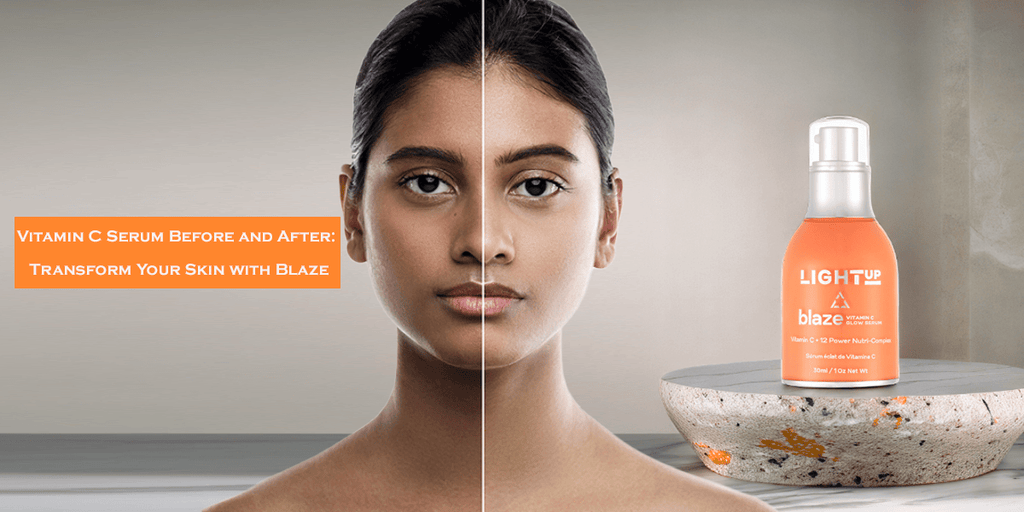
Have you ever wondered why so many skin care products highlight Vitamin C on their labels? This powerful ingredient isn’t just a trend—it could be the secret to brighter, healthier skin you’ve been searching for.
If you want to reduce dark spots, fight signs of aging, and give your skin a natural glow, understanding Vitamin C’s role is key. Keep reading, and you’ll discover how this simple nutrient can transform your daily routine and reveal your skin’s true potential.
Benefits Of Vitamin C For Skin
Vitamin C is a powerful ingredient in skin care. It offers many benefits that improve skin health. This nutrient helps protect, brighten, and repair the skin. It supports a youthful and glowing complexion.
Brightening Dull Complexion
Vitamin C helps make skin look brighter and fresher. It reduces dullness by promoting a more even skin tone. Using vitamin C regularly can bring back a natural glow. This makes skin appear healthier and more radiant.
Fighting Free Radicals
Free radicals cause damage to skin cells and speed up aging. Vitamin C acts as an antioxidant, fighting these harmful molecules. It protects skin from pollution and sun damage. This keeps skin looking younger and firmer for longer.
Boosting Collagen Production
Collagen keeps skin firm and elastic. Vitamin C helps the body produce more collagen naturally. This strengthens the skin and reduces fine lines and wrinkles. Regular use supports a smoother and plumper complexion.
Reducing Hyperpigmentation
Dark spots and uneven patches often result from sun damage. Vitamin C can lighten these areas over time. It slows down melanin production, which causes discoloration. Using vitamin C helps achieve a clearer, more balanced skin tone.
Types Of Vitamin C In Skincare
Vitamin C is a powerhouse ingredient in skincare, but not all forms are created equal. Different types of Vitamin C offer unique benefits and vary in stability, absorption, and effects on your skin. Knowing which type suits your skin type and concerns can make a big difference in your skincare routine’s success.
L-ascorbic Acid
L-Ascorbic Acid is the purest and most researched form of Vitamin C. It’s highly effective in brightening skin, fading dark spots, and boosting collagen production. However, it can be unstable and might cause irritation if you have sensitive skin or if the product isn’t formulated well.
Magnesium Ascorbyl Phosphate
This form is water-soluble and gentler on the skin compared to L-Ascorbic Acid. It’s known for its moisturizing properties and is effective against acne and hyperpigmentation. If your skin reacts badly to harsher Vitamin C types, this might be a better option to try.
Ascorbyl Palmitate
Ascorbyl Palmitate is a fat-soluble form of Vitamin C, making it more stable in formulations. It penetrates the skin slowly and is often combined with other antioxidants. Although less potent in brightening, it’s a great choice for sensitive skin and long-term protection.
Sodium Ascorbyl Phosphate
This is a stable, water-soluble derivative of Vitamin C that converts to active Vitamin C once applied. It’s less irritating and has antibacterial properties, making it ideal for acne-prone skin. Are you struggling with breakouts but want the benefits of Vitamin C? This form could be your solution.
Choosing The Right Vitamin C Product
Choosing the right Vitamin C product can feel overwhelming with so many options available. But knowing what to look for can make a huge difference in how your skin responds. Let’s break down the key factors to help you pick a product that truly works for your skin’s needs.
Concentration Levels
Vitamin C products come in various strengths, typically ranging from 5% to 20%. If you’re new to Vitamin C, start with a lower concentration like 10% to avoid irritation. Higher concentrations, such as 15% or 20%, can offer more dramatic results but might cause sensitivity, especially on dry or sensitive skin.
Think about your skin’s tolerance and goals. Are you looking to brighten dullness or reduce fine lines? Your answer will guide you to the right concentration. Remember, more isn’t always better—sometimes a gentler formula can deliver consistent benefits without side effects.
Formulation And Stability
Vitamin C is notoriously unstable and can lose effectiveness when exposed to air and light. Look for products formulated with stable forms of Vitamin C like L-ascorbic acid combined with ferulic acid or vitamin E. These combinations not only boost stability but also enhance antioxidant protection.
Have you noticed your Vitamin C serum turning yellow or smelling off? That’s a sign it’s oxidized and less effective. Choose products that mention “stabilized” formulas or check for antioxidant blends that protect the Vitamin C from degrading.
Skin Type Compatibility
Your skin type plays a crucial role in how Vitamin C products perform. If you have oily or acne-prone skin, lightweight serums with a lower concentration and non-comedogenic ingredients work best. Dry or sensitive skin benefits from Vitamin C paired with hydrating ingredients like hyaluronic acid.
Do you experience redness or irritation with Vitamin C? It might be the formula, not the ingredient itself. Patch testing new products can save you from unwanted reactions and help you find a formula that complements your unique skin.
Packaging Considerations
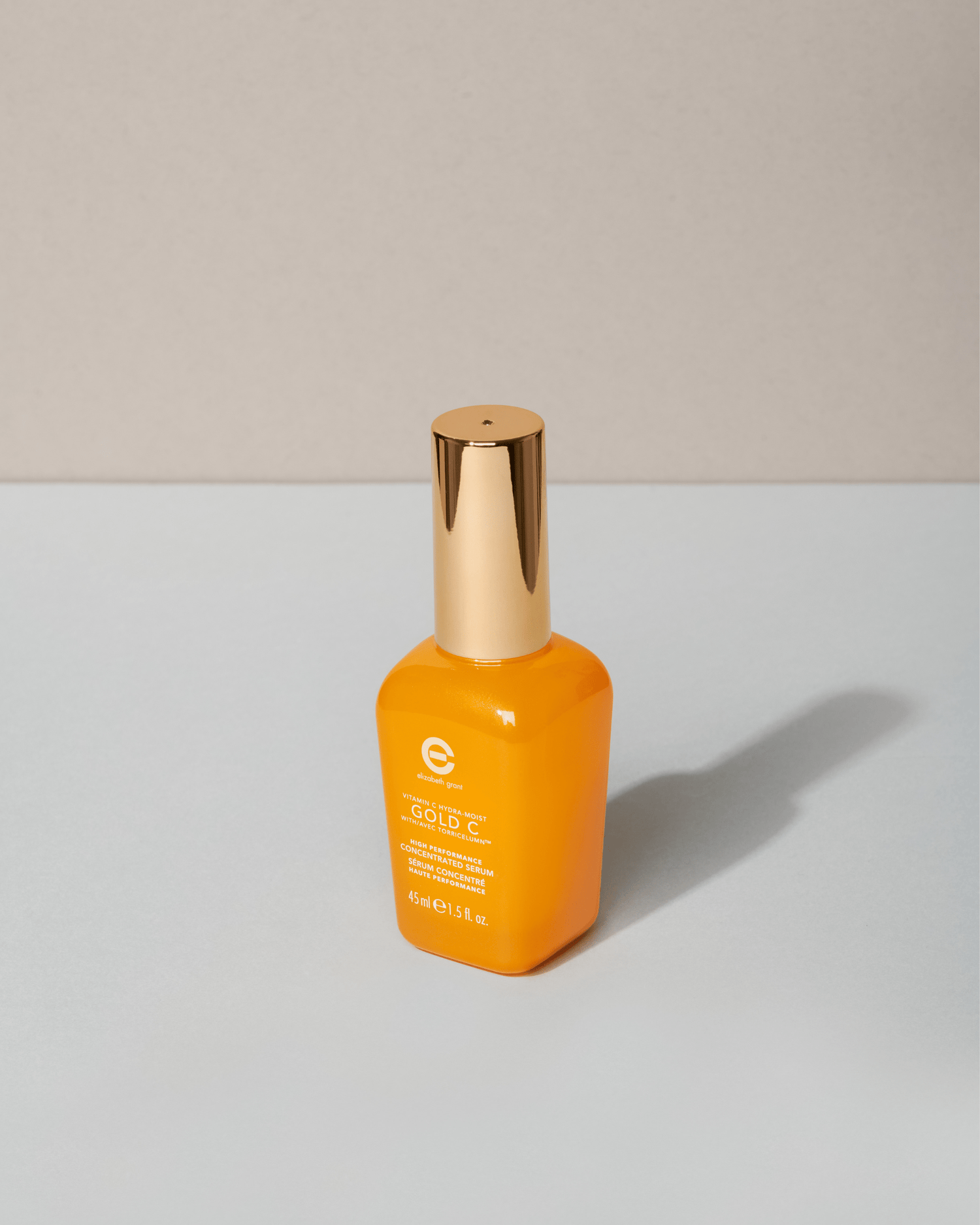
Packaging affects the potency of Vitamin C products. Dark, air-tight bottles protect the formula from light and oxygen, keeping it fresh longer. Avoid clear or dropper bottles that expose the serum to air every time you use it.
Have you ever opened a bottle and found the serum looking cloudy or discolored? That’s a sign the packaging failed to preserve the product. Choose Vitamin C products in pump or airless containers to minimize exposure and maintain effectiveness.

Credit: www.glamour.com
How To Incorporate Vitamin C Into Your Routine
Vitamin C is a powerful antioxidant that brightens skin and fights signs of aging. Adding it to your skincare routine can improve texture and tone. Knowing when and how to use Vitamin C ensures you get the best results without irritation.
Best Time To Apply
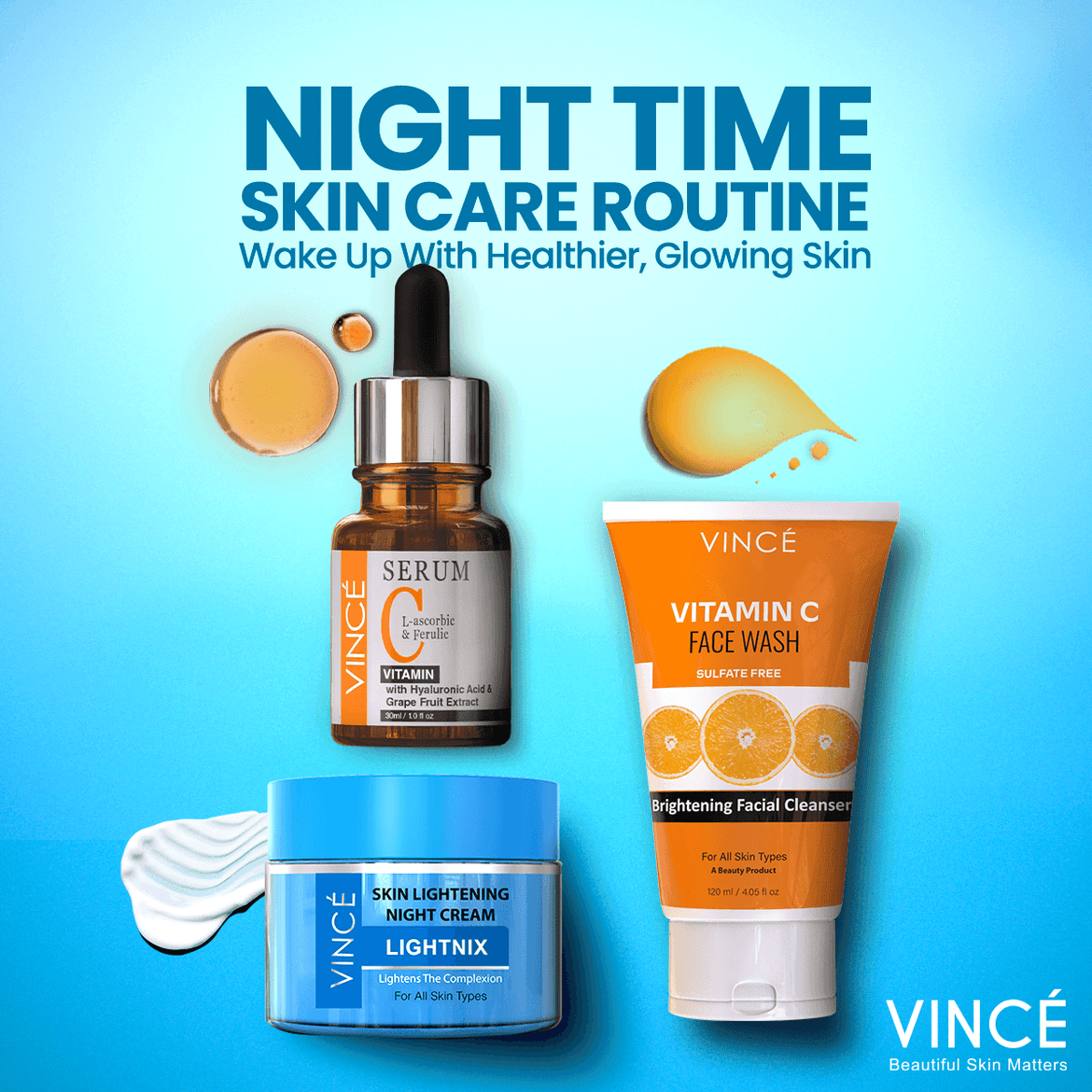
Apply Vitamin C serum in the morning for maximum protection. It helps shield skin from daily pollution and UV damage. Cleanse your face first, then apply Vitamin C before moisturizer. This allows better absorption and effectiveness.
Layering With Other Products
Vitamin C works well with many skincare products. Use it after cleansing and toning but before heavier creams. Avoid mixing with products that have strong acids or retinoids at the same time. This can cause irritation or reduce Vitamin C’s benefits.
- Apply Vitamin C serum before moisturizer
- Do not mix with exfoliating acids in the same step
- Wait a few minutes between Vitamin C and retinoids
Frequency Of Use
Start with applying Vitamin C every other day. This helps your skin adjust to the ingredient. Increase to daily use as your skin builds tolerance. Consistency is key for visible improvements in skin brightness and texture.
Sun Protection And Vitamin C
Vitamin C boosts your skin’s defense against sun damage. Use it with a broad-spectrum sunscreen for better results. Sunscreen protects skin from UVA and UVB rays. Apply sunscreen after Vitamin C and moisturizer every morning.
Potential Side Effects And Precautions
Vitamin C is a popular ingredient in skin care for its brightening and antioxidant effects. Despite its benefits, it can cause side effects in some people. Knowing these effects and taking precautions helps keep your skin safe and healthy.
Skin Sensitivity
Vitamin C can make your skin more sensitive to sunlight. This may cause redness or irritation. Use a sunscreen daily to protect your skin. Start with a lower concentration to see how your skin reacts. Avoid applying it on broken or irritated skin. If irritation occurs, stop using the product.
Allergic Reactions
Some people may develop allergies to Vitamin C products. Symptoms include itching, swelling, or rash. Test the product on a small skin area first. Wait 24 hours to check for any reaction. If allergy signs appear, discontinue use immediately. Consult a dermatologist if symptoms worsen.
Interactions With Other Ingredients
Vitamin C can react with some skin care ingredients. Avoid using it with strong acids like glycolic or salicylic acid. These may increase irritation or reduce Vitamin C’s effectiveness. Be cautious when combining with retinol or niacinamide. Use products at different times of the day to reduce risk. Always read product labels carefully.
Credit: elizabethgrant.com
Myths And Facts About Vitamin C
Vitamin C is a popular ingredient in skin care. Many people believe different things about it. Some ideas are true, while others are not. Understanding the facts helps use vitamin C safely and effectively. Here are some common myths and facts about vitamin C in skin care.
Vitamin C Causes Photosensitivity
Many think vitamin C makes skin more sensitive to the sun. This is not true. Vitamin C actually protects skin from sun damage. It works as an antioxidant and reduces harm from UV rays. Still, sunscreen is needed to protect skin fully.
Higher Concentration Means Better Results
People often believe stronger vitamin C gives faster results. This is not always right. Very high concentrations can irritate skin. Most skin benefits come from moderate levels of 10-20%. Choose a concentration that suits your skin type.
Vitamin C Can Replace Sunscreen
Vitamin C cannot replace sunscreen. It helps protect skin but does not block UV rays like sunscreen. Sunscreen shields skin from sunburn and long-term damage. Use vitamin C with sunscreen for best skin care results.
Diy Vitamin C Skincare Tips
DIY Vitamin C skincare lets you customize your routine with fresh, potent ingredients right from your kitchen. It’s not just budget-friendly but also gives you control over what touches your skin. Have you ever wondered how to make your own Vitamin C treatments that truly work?
Using Natural Sources
Fresh fruits like oranges, lemons, and strawberries are packed with Vitamin C. You can squeeze their juice or mash the pulp to apply directly on your skin for a natural boost. Just be cautious—citrus can make your skin sensitive to sunlight, so use these treatments at night or with sunscreen during the day.
Adding a few drops of fresh lemon juice to your moisturizer can brighten your complexion. But don’t overdo it; too much acidity might irritate sensitive skin. Start with a small patch test to see how your skin reacts.
Homemade Masks And Serums
Creating your own Vitamin C mask is easier than you think. Mix 1 teaspoon of lemon juice with 1 tablespoon of honey for a moisturizing and brightening mask. Honey soothes your skin while Vitamin C works on dullness and uneven tone.
For a simple serum, dissolve Vitamin C powder (ascorbic acid) in distilled water or aloe vera gel. Apply it gently to your face, avoiding the eye area. Remember, freshly made serums are more effective and less likely to cause irritation.
Storage And Shelf Life
Vitamin C is unstable and breaks down quickly when exposed to air and light. Store your homemade mixtures in airtight, dark-colored containers to keep them fresh longer. Refrigeration can also slow down oxidation and maintain potency.
Use your DIY Vitamin C products within a week. Notice any change in color or smell? That’s a sign it’s time to make a new batch. Do you keep track of how long your skincare lasts?
Credit: vincebeauty.com
Frequently Asked Questions
What Are The Benefits Of Vitamin C In Skin Care?
Vitamin C brightens skin, reduces wrinkles, and boosts collagen production. It protects against sun damage and improves overall skin tone.
How Does Vitamin C Help With Skin Aging?
Vitamin C stimulates collagen, which reduces fine lines and wrinkles. It also neutralizes free radicals, preventing premature skin aging.
Can Vitamin C Reduce Dark Spots And Hyperpigmentation?
Yes, vitamin C inhibits melanin production, helping fade dark spots and even out skin tone for a brighter complexion.
How Should I Apply Vitamin C Serum For Best Results?
Apply vitamin C serum on clean, dry skin once or twice daily. Follow with moisturizer and sunscreen for maximum protection.
Conclusion
Vitamin C brings many benefits to skin care. It brightens the complexion. Reduces dark spots. Boosts collagen production. Protects against harmful UV rays. Regular use can lead to healthier skin. Many products include Vitamin C. Serums, creams, and masks are popular choices.
Choose the right one for your skin type. Consistent use is key. Always follow with sunscreen in the daytime. This ensures the best results. Consider adding Vitamin C to your routine. Watch your skin transform over time. Healthier, brighter skin is within reach.
Start today for a glowing future.
