
Are you confused about how to make your skin glow and stay healthy? Exfoliation is the key, but choosing between chemical and physical methods can feel overwhelming.
Which one is better for your skin type? Which one delivers real results without causing damage? In this guide, you’ll discover the clear differences between chemical and physical exfoliation. By the end, you’ll know exactly which option suits your skin best and how to use it safely.
Keep reading to unlock the secret to smoother, brighter skin that you’ll love to show off.
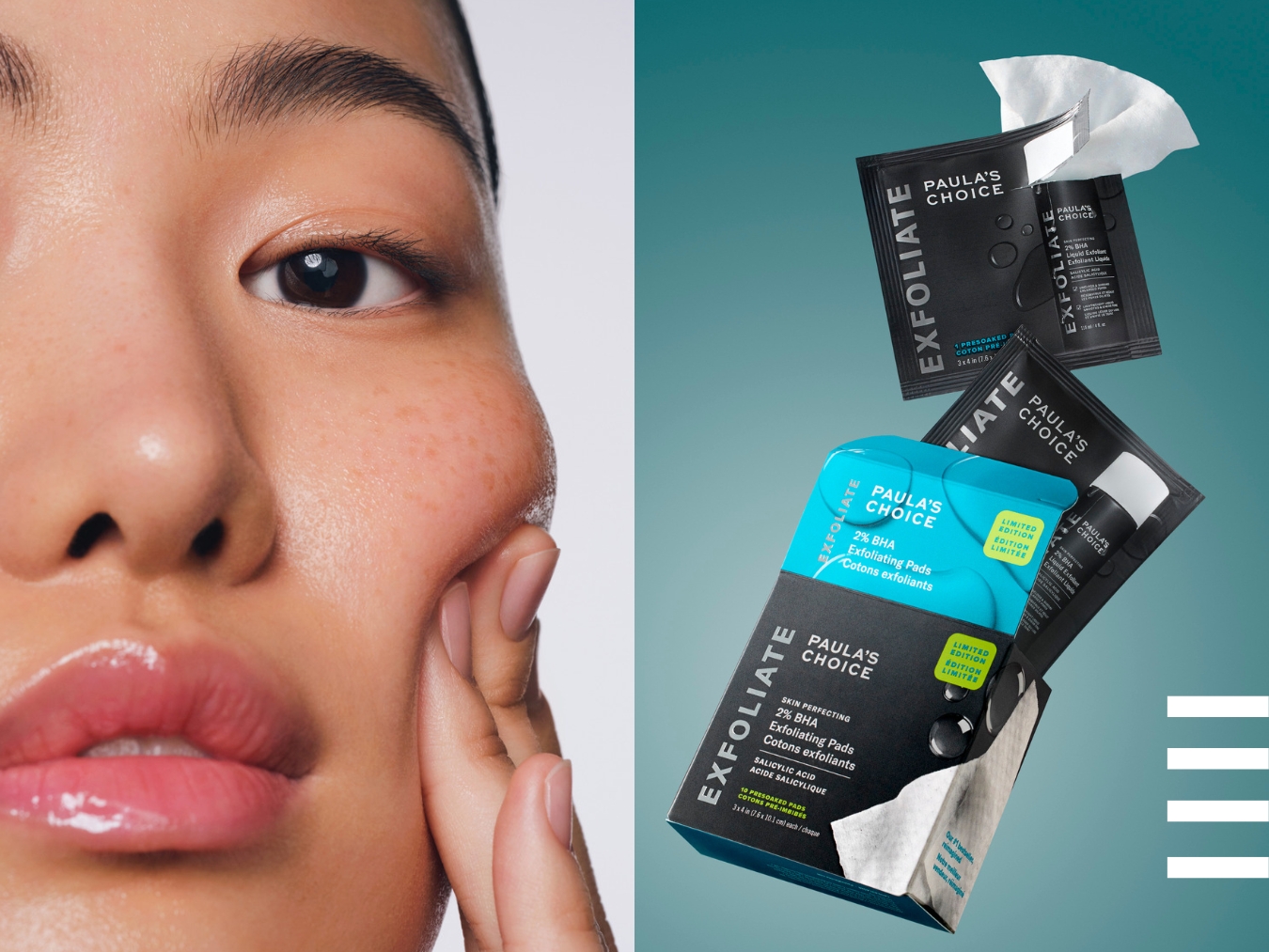
Credit: www.sephora.nz
Benefits Of Exfoliation
Exfoliation is more than just a step in your skincare routine; it can transform the way your skin looks and feels. By removing dead skin cells, it helps refresh your complexion and supports healthier skin growth. Understanding the benefits can motivate you to choose the right exfoliation method for your unique skin needs.
Smoother Skin Texture
Exfoliation helps slough off rough, dry patches that make your skin feel uneven. After regular exfoliation, you might notice your skin feels softer and looks more polished. This smoother texture can make a big difference, especially if you’ve struggled with flaky or dull skin.
Enhanced Radiance
Dead skin cells can block light, leaving your face looking tired or dull. Exfoliating reveals fresh skin underneath, which naturally reflects light better. Have you ever noticed how your skin glows after a good scrub or peel? That’s the fresh surface catching the light and boosting your natural radiance.
Improved Absorption Of Skincare
When dead skin builds up, it creates a barrier that prevents your serums and moisturizers from penetrating deeply. Exfoliation clears this barrier, allowing your skincare products to work more effectively. Think of it as preparing a clean canvas for your treatments—making every drop count.
Prevention Of Breakouts
Dead skin cells can clog pores and trap oil, leading to pimples and blackheads. Regular exfoliation helps keep pores clear and reduces the chances of breakouts. If you’ve struggled with acne, you might find that gentle exfoliation calms your skin by keeping it clean and less congested.

Credit: www.teamdrjoseph.com
How Physical Exfoliation Works
Physical exfoliation works by manually removing dead skin cells from the surface of your skin. It relies on friction created by scrubs or tools to slough off the dull outer layer. This process helps reveal fresher, smoother skin underneath and can improve the absorption of your skincare products.
Many people enjoy the immediate glow after physical exfoliation, but it’s important to understand how to do it correctly to avoid irritation or damage. Have you ever wondered why some scrubs leave your skin feeling raw while others feel gentle? The answer often lies in the ingredients and techniques used.
Common Ingredients And Tools
- Sugar and salt:Natural granules that dissolve easily and provide gentle abrasion.
- Ground nuts or seeds:Examples include walnut shells or apricot kernels, which can be harsher and risk micro-tears.
- Jojoba beads:Smooth, biodegradable spheres that offer mild exfoliation without scratching.
- Loofah sponges:Natural fibrous tools that help buff away dead cells.
- Exfoliating gloves or brushes:Designed to increase friction and enhance exfoliation.
Techniques For Safe Use
Apply the exfoliant gently in small, circular motions. Avoid pressing too hard, especially if your skin is sensitive or prone to redness.
Limit physical exfoliation to 1-2 times per week to prevent over-exfoliating. Always use lukewarm water to rinse and follow with a moisturizer to soothe the skin.
Ask yourself: Are you listening to your skin’s response? If it feels irritated or inflamed, reduce frequency or switch to a gentler product.
Potential Risks And Precautions
Physical exfoliation can cause micro-tears if the particles are too rough or if you scrub aggressively. These tiny injuries increase the risk of infection and accelerate skin aging.
If you have acne, rosacea, or eczema, physical exfoliation might worsen your condition. Consider consulting a dermatologist before adding it to your routine.
Always patch test new exfoliants on a small skin area. This simple step can save you from unexpected reactions and discomfort.
How Chemical Exfoliation Works
Chemical exfoliation works by gently dissolving the bonds that hold dead skin cells together, allowing them to shed naturally. Unlike physical exfoliants that manually scrub the skin, chemical exfoliants penetrate deeper to reveal fresh, smoother skin beneath. This process not only improves texture but also helps with issues like uneven tone and clogged pores.
Types Of Chemical Exfoliants
- Alpha Hydroxy Acids (AHAs):Water-soluble acids like glycolic and lactic acid that work well for dry or sun-damaged skin by loosening dead skin cells.
- Beta Hydroxy Acids (BHAs):Oil-soluble acids such as salicylic acid that penetrate pores, making them ideal for oily or acne-prone skin.
- Enzymatic Exfoliants:Derived from fruits like papaya and pineapple, these break down dead skin cells gently and are great for sensitive skin.
Choosing The Right Acid For Your Skin
Ask yourself what your skin struggles with most. If dryness or dullness is your issue, AHAs can boost moisture and brighten your complexion. If you battle blackheads or oily skin, BHAs target clogged pores effectively.
For sensitive skin, enzymatic exfoliants offer a softer approach that reduces irritation risk. Start with lower concentrations to see how your skin reacts before moving to stronger formulations.
Application Tips And Frequency
Apply chemical exfoliants after cleansing but before moisturizing to maximize absorption. Use a cotton pad or your fingertips to spread the product evenly over your face.
Limit use to 2-3 times a week initially. Over-exfoliating can cause redness or peeling, so listen to your skin’s response and adjust frequency accordingly.
Remember to wear sunscreen daily; chemical exfoliants increase your skin’s sensitivity to the sun. Skipping this step can undo your progress and cause more damage.
Comparing Physical And Chemical Methods
Exfoliation is key to revealing fresh, glowing skin, but choosing between physical and chemical methods can be tricky. Both approaches remove dead skin cells, yet they work in different ways and suit different skin needs. Understanding their differences helps you pick the right option for your skin type and lifestyle.
Effectiveness For Different Skin Types
Physical exfoliants use small particles or tools to manually scrub away dead skin. They work well for normal to oily skin but can be harsh on sensitive or dry skin. If your skin is prone to redness or irritation, physical scrubs might cause more harm than good.
Chemical exfoliants use acids or enzymes to dissolve dead skin gently. They are often better for sensitive, dry, or acne-prone skin because they don’t involve scrubbing. You can find formulas with varying strengths, making it easier to adjust based on your skin’s tolerance.
Sensitivities And Side Effects
Physical exfoliation can sometimes lead to micro-tears or inflammation if done too aggressively. It’s easy to overdo scrubbing, especially if you’re eager to see quick results. Watch out for increased redness or sensitivity after use.
Chemical exfoliants might cause tingling or slight peeling, especially when you first start using them. However, these reactions usually lessen with regular use. If you experience burning or severe irritation, it’s a sign to reduce frequency or switch products.
Time And Convenience Factors
Physical exfoliation offers immediate results—you scrub, rinse, and your skin feels smoother right away. It’s a straightforward process that fits easily into your routine but requires care to avoid over-exfoliation.
Chemical exfoliation needs a bit more patience. Effects build gradually as acids work over time, so you won’t see instant smoothness. Many chemical exfoliants can be applied quickly and left on, which saves time but requires consistent use for best results.
Combining Both Methods Safely
Combining chemical and physical exfoliation can give your skin a fresh, glowing look when done right. These methods target dead skin in different ways, so using them together can be powerful. However, the key is to balance them carefully to protect your skin’s health.
When To Use Hybrid Approaches
You might wonder if using both exfoliation types in one routine is too much. It can work well if you space them out properly—such as using a gentle physical scrub once a week and a mild chemical exfoliant a couple of times per week.
Think about your skin type. If you have oily or combination skin, alternating these methods can help control shine and clear pores. Dry or sensitive skin needs gentler products and less frequent use to avoid damage.
Avoiding Over-exfoliation
Over-exfoliating can strip your skin’s natural oils and cause redness or tightness. To prevent this, watch how your skin responds after each exfoliation session. If it feels raw or overly dry, dial back your routine immediately.
- Limit physical scrubs to 1-2 times per week.
- Use chemical exfoliants at low concentrations initially.
- Never use both types on the same day.
Remember, more exfoliation doesn’t mean better results—it often leads to more problems.
Signs Of Skin Irritation
Knowing when your skin is unhappy is essential. Watch for persistent redness, burning, peeling, or itchiness after exfoliating. These are clear signals to pause and give your skin time to recover.
If you notice these signs, switch to milder products or reduce how often you exfoliate. Your skin will thank you for the break and come back healthier.
Tailoring Exfoliation To Your Skin Needs
Exfoliation is not one-size-fits-all. Different skin types need different care to stay healthy and glowing. Choosing the right exfoliation method depends on your skin’s unique needs and how it reacts to products.
Understanding your skin type helps you pick the safest, most effective exfoliant. This keeps irritation low and benefits high. Let’s explore how to tailor exfoliation for dry, oily, and sensitive skin.
Exfoliation For Dry Skin
Dry skin needs gentle exfoliation to avoid stripping natural oils. Chemical exfoliants with lactic acid or mild AHAs work well. They loosen dead skin without harsh scrubbing.
- Use exfoliants once or twice a week.
- Choose hydrating formulas to soothe dryness.
- Avoid gritty scrubs that can cause micro-tears.
Exfoliation For Oily And Acne-prone Skin
Oily and acne-prone skin benefits from exfoliants that clear pores and reduce excess oil. Salicylic acid, a BHA, penetrates deep to clean inside pores.
- Chemical exfoliants help control breakouts.
- Physical exfoliants with smooth particles can be used carefully.
- Limit exfoliation to 2-3 times weekly to avoid irritation.
Exfoliation For Sensitive Skin
Sensitive skin needs very gentle exfoliation to prevent redness and irritation. Enzyme-based exfoliants or mild chemical exfoliants with low concentrations work best.
- Patch test new products before full use.
- Use exfoliants no more than once or twice a week.
- Avoid scrubs with large, rough particles.
Post-exfoliation Care
Post-exfoliation care is vital for healthy and glowing skin. After exfoliating, your skin becomes more sensitive and needs gentle treatment. Proper care helps avoid irritation and supports skin renewal. Follow these key tips to keep your skin calm and hydrated after exfoliation.
Hydration And Moisturizing
Hydrating the skin after exfoliation restores moisture balance. Use a gentle, fragrance-free moisturizer to soothe the skin. Look for ingredients like hyaluronic acid or glycerin to lock in moisture. Apply moisturizer while your skin is still slightly damp. This helps keep the skin soft and prevents dryness or flaking.
Sun Protection Essentials
Exfoliation makes your skin more sensitive to sunlight. Protect your skin by applying a broad-spectrum sunscreen every day. Choose sunscreen with at least SPF 30 for effective protection. Reapply sunscreen every two hours when outdoors. Wearing hats and sunglasses adds extra defense against UV rays.
Avoiding Common Mistakes
- Do not exfoliate again immediately after a session. Allow your skin to heal for a few days.
- Avoid using harsh scrubs or strong chemical products right after exfoliation.
- Do not use hot water on your face; it can increase irritation.
- Skip makeup for a few hours post-exfoliation to let skin breathe.
- Listen to your skin; stop exfoliating if you notice redness or discomfort.

Credit: www.youtube.com
Frequently Asked Questions
What Is The Difference Between Chemical And Physical Exfoliation?
Chemical exfoliation uses acids or enzymes to dissolve dead skin. Physical exfoliation relies on scrubs or tools to manually remove dead skin cells. Both improve skin texture but suit different skin types and concerns.
Which Exfoliation Method Is Best For Sensitive Skin?
Chemical exfoliation with gentle acids like lactic acid is usually best for sensitive skin. Physical scrubs may cause irritation or micro-tears. Always patch test and start slowly to avoid redness or discomfort.
How Often Should I Exfoliate My Skin Safely?
Exfoliate 1-3 times per week depending on skin type and exfoliant strength. Over-exfoliating can cause dryness, irritation, or sensitivity. Listen to your skin and adjust frequency accordingly.
Can Chemical And Physical Exfoliation Be Combined?
Yes, but with caution. Avoid using both on the same day to prevent irritation. Use gentle products and introduce one method at a time to see how your skin reacts.
Conclusion
Both chemical and physical exfoliation offer unique benefits. Choosing the right method depends on skin type. Sensitive skin may prefer gentle chemical exfoliants. Oily or rough skin might benefit from physical exfoliation. Always patch test new products to avoid irritation.
Regular exfoliation keeps skin bright and healthy. Balance is key; don’t over-exfoliate. Listen to your skin’s needs. Seek professional advice if unsure. Healthy skin is a journey, not a destination. Stay informed and adjust your routine accordingly. Happy exfoliating!
