
Are you unsure about the perfect time to exfoliate in your skincare routine? You’re not alone.
Exfoliating at the right moment can make a huge difference in how your skin looks and feels. Too early or too late, and you might miss out on the benefits—or worse, irritate your skin. You’ll discover exactly when to exfoliate for glowing, healthy skin.
Keep reading to unlock the secret to smoother, brighter skin that everyone will notice.

Credit: www.bellinispdx.com
Why Timing Matters In Exfoliation
Timing plays a key role in exfoliation’s effectiveness and safety. Exfoliating at the right moment helps protect your skin barrier. It also maximizes the benefits of other skincare products.
Choosing the right time ensures you do not irritate or damage your skin. It helps maintain the skin’s natural balance and glow. Understanding when to exfoliate fits into your overall skincare routine.
Skin’s Natural Repair Cycle
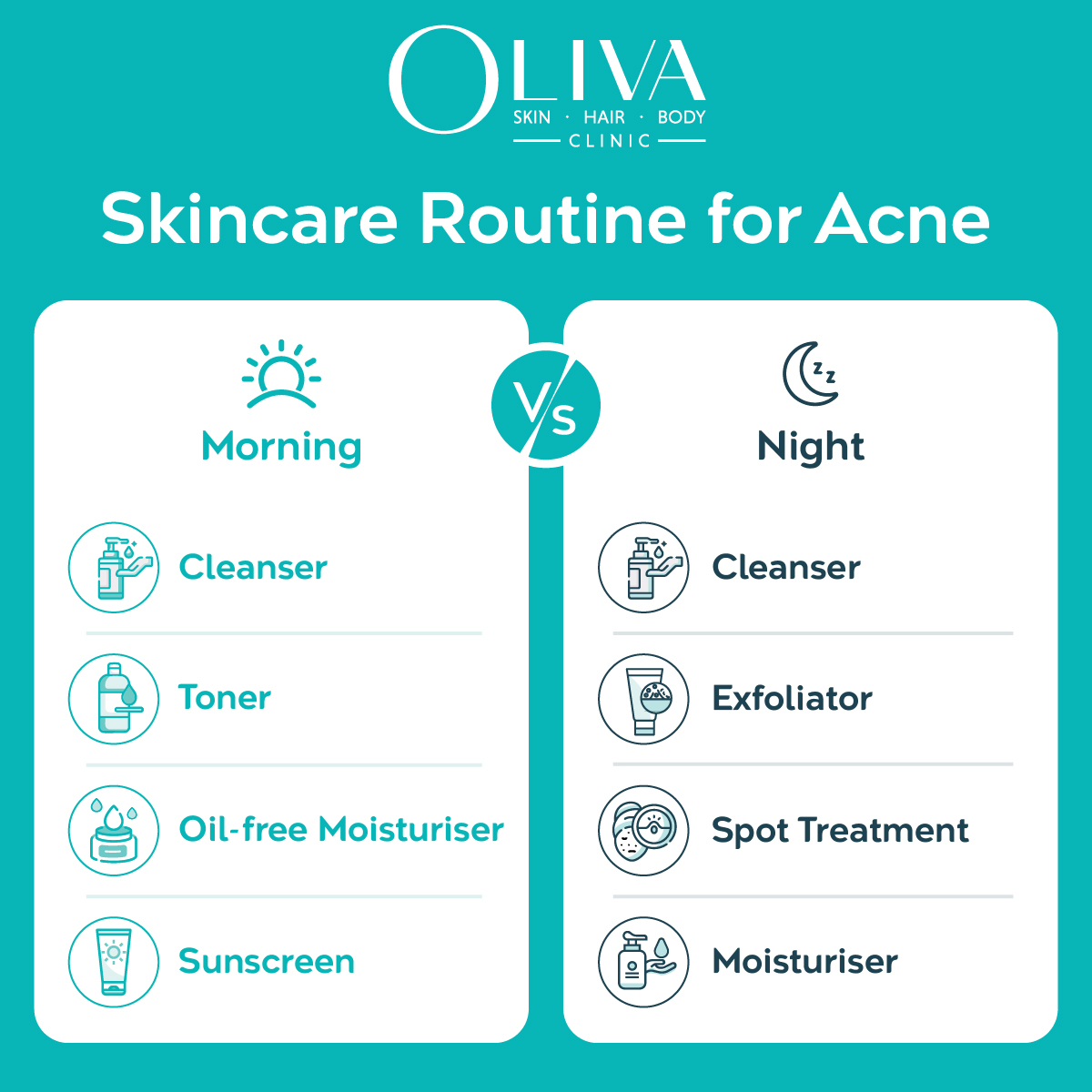
The skin repairs itself mostly at night. Exfoliating before bed removes dead skin cells. This allows new, healthy cells to surface. Your skin can better absorb night treatments after exfoliation.
Product Absorption And Effectiveness
Exfoliation clears away the barrier of dead cells. This boosts the absorption of serums and moisturizers. Applying these products after exfoliating increases their benefits.
Avoiding Skin Irritation
Exfoliating too often or at the wrong time can cause redness. The skin becomes sensitive and prone to damage. Timing exfoliation properly prevents irritation and over-exfoliation.
Sun Sensitivity Considerations
Exfoliation can make your skin more sensitive to the sun. Doing it at night reduces sun damage risks. Always use sunscreen during the day after exfoliating.
Types Of Exfoliants
Exfoliation removes dead skin cells and refreshes your skin. There are two main types of exfoliants: physical and chemical. Each type works differently and suits various skin types. Understanding these helps you choose the right one for your routine.
Physical Exfoliants
Physical exfoliants use small, gritty particles or tools to scrub away dead skin. Common examples include scrubs with sugar, salt, or beads. Some use brushes or sponges instead of particles.
They provide instant smoothness and can brighten the skin. Use gentle pressure to avoid irritation. Not all skin types react well to physical exfoliation. Sensitive or acne-prone skin may find it harsh.
Chemical Exfoliants
Chemical exfoliants dissolve dead skin cells without scrubbing. They use acids or enzymes to break down the bonds holding dead cells together. Popular ingredients include AHAs (like glycolic acid) and BHAs (like salicylic acid).
Chemical exfoliants improve skin texture and tone over time. They are suitable for sensitive and acne-prone skin when used properly. Start with lower concentrations and increase gradually for best results.
Best Time Of Day To Exfoliate
Choosing the best time of day to exfoliate can make a significant difference in how your skin responds and looks afterward. Both morning and evening exfoliation have unique benefits that align with your skin’s natural rhythms. Understanding these can help you decide when to add exfoliation to your routine for maximum effect.
Morning Benefits
Exfoliating in the morning gives your skin a fresh start. It removes dead skin cells that have built up overnight, allowing your moisturizer and sunscreen to absorb better. This can make your makeup apply more smoothly and last longer throughout the day.
Morning exfoliation can also help brighten dull skin, giving you a natural glow that lasts. If you struggle with oily skin, exfoliating early can reduce excess oil and minimize shine. However, be gentle—over-exfoliating in the morning can leave your skin sensitive to sun exposure.
Evening Benefits
Exfoliating at night lets your skin recover and renew while you sleep. This is when your skin naturally repairs itself, so clearing away dead cells can boost this process. You also remove any dirt, makeup, and pollutants that have accumulated during the day, which prevents clogged pores.
Evening exfoliation pairs well with treatments like serums and night creams, helping them penetrate deeper. If you have sensitive skin, night exfoliation reduces the risk of sun irritation. Are you noticing more breakouts or dullness? Trying a nighttime exfoliation might be the change your skin needs.
Frequency Based On Skin Type
Exfoliating your skin is essential, but how often you should do it depends largely on your skin type. Over-exfoliating can cause irritation, while under-exfoliating might leave your skin dull and clogged. Understanding your skin’s needs helps you create a routine that keeps your face fresh without causing harm.
Sensitive Skin
If your skin gets red or itchy easily, you have sensitive skin. Exfoliating once a week is usually enough to avoid irritation. Choose gentle exfoliants like enzyme-based or mild chemical exfoliants instead of rough scrubs.
Have you noticed your skin flaring up after exfoliating? That’s a sign to slow down and switch to softer options.
Oily Skin
Oily skin tends to produce more sebum, which can clog pores. You can exfoliate 2 to 3 times a week to keep oil and dirt under control. Look for salicylic acid or other beta-hydroxy acids that penetrate pores effectively.
When your skin feels shiny or you spot blackheads, exfoliating more often can help you stay clear and fresh.
Dry Skin
Dry skin needs exfoliation to remove dead cells but can easily get damaged. Limit exfoliation to once a week using hydrating exfoliants with lactic acid or mild acids. Avoid harsh scrubs that can strip away natural oils.
Do you feel tightness or flakiness after exfoliating? That’s your cue to cut back and focus on moisturizing.
Combination Skin
Combination skin has both oily and dry areas, so exfoliation needs balance. Exfoliate 1 to 2 times a week, focusing on oily zones like the T-zone. Use gentle exfoliants that won’t dry out the rest of your face.
Notice some parts of your face feeling greasy and others dry? Tailor your exfoliation to those areas, not the whole face.
How To Layer Exfoliation With Other Products
Layering exfoliation with other skincare products needs careful timing. The order affects how well your skin absorbs and reacts to each product. Proper layering helps you avoid irritation and boosts effectiveness.
After Cleansing
Exfoliate right after cleansing. Your skin is clean and free of dirt or oil. This allows exfoliants to work better. Use gentle circular motions for physical exfoliants. For chemical exfoliants, apply with a cotton pad or fingertips.
Do not skip rinsing if the exfoliant requires it. Pat your skin dry with a soft towel before moving on.
Before Moisturizing
Apply moisturizer after exfoliating. Exfoliation removes dead skin cells and opens pores. This helps moisturizers absorb deeper into the skin. Use a hydrating moisturizer to soothe and protect the skin barrier. Avoid heavy creams that clog pores right after exfoliating.
Avoiding Overlap With Actives
Be cautious with other active ingredients. Ingredients like retinol, vitamin C, or acids can cause irritation when layered with exfoliants. Space out using strong actives and exfoliation on different days or times. Watch your skin’s reaction and reduce frequency if redness occurs.
Keep your routine simple. Less is more when mixing potent products.
Credit: www.olivaclinic.com
Signs Of Over-exfoliation
Exfoliation helps remove dead skin cells and refresh the skin. Yet, too much exfoliation can harm your skin’s natural barrier. Over-exfoliation leaves your skin red, sore, and sensitive. Recognizing these signs helps protect your skin and avoid damage.
Redness And Irritation
Skin looks red or inflamed after exfoliating. It feels itchy or tight. These are clear signs your skin is reacting badly. Redness may last for hours or days.
Dryness And Flaking
Excess exfoliation strips natural oils. Skin becomes dry and rough. Small flakes or peeling skin appear. Dryness can cause discomfort and worsen skin texture.
Increased Sensitivity
Your skin stings or burns after applying products. It reacts strongly to sun exposure. Sensitivity means the skin barrier is weakened. Protect your skin by reducing exfoliation.
Breakouts And Bumps
More pimples or tiny bumps form after exfoliating. Over-exfoliation can irritate pores and cause inflammation. Breakouts may worsen instead of clearing up.
Shiny Or Oily Skin
Skin produces more oil to compensate for dryness. This leads to a shiny or greasy appearance. Over-exfoliated skin can feel oily even after cleansing.
Adjusting Exfoliation With Seasonal Changes
Exfoliation isn’t a one-size-fits-all step in your skincare routine. Your skin’s needs shift as the seasons change, so your exfoliation habits should, too. Paying attention to how your skin reacts in different weather can help you decide when and how often to exfoliate.
Exfoliating More Gently In Winter
Cold air and indoor heating dry out your skin, making it more sensitive. Over-exfoliating during winter can strip away natural oils and cause irritation. Try using a gentle exfoliant once or twice a week, and avoid harsh scrubs or strong chemical exfoliants.
Have you noticed your skin feeling tighter or flaky in winter? That’s a sign to dial back exfoliation and focus on hydration.
Increasing Frequency During Spring And Summer
Warmer weather usually means more sweat and oil production, which can clog pores. This is the time to exfoliate a little more often to keep your skin clear and fresh. Aim for 2-3 times a week using mild exfoliants that won’t cause redness.
Think about how your skin feels after a day in the sun. Dead skin cells can build up faster, so regular exfoliation helps maintain a healthy glow.
Adjusting Products Based On Humidity Levels
Humidity impacts how your skin reacts to exfoliation. High humidity can make your skin oilier, so using exfoliants that control excess oil can be helpful. In dry conditions, switch to exfoliants with soothing ingredients to prevent irritation.
Do you live in a place where humidity changes drastically? Pay attention to your skin’s response and swap your exfoliation products accordingly.
Listening To Your Skin’s Signals
Seasonal changes don’t affect everyone the same way, so it’s important to observe your skin closely. If you see redness, dryness, or breakouts, it might be time to adjust your exfoliation routine. Balancing exfoliation with moisturizing is key to healthy skin all year round.
Have you tried adjusting your routine with the seasons? What changes did you notice in your skin’s texture and comfort?

Credit: www.eraorganics.com
Frequently Asked Questions
When Is The Best Time To Exfoliate In Skincare?
Exfoliate after cleansing but before moisturizing. Morning exfoliation preps skin for makeup. Evening exfoliation removes dirt and dead cells. Choose based on your skin type and product instructions.
How Often Should You Exfoliate Your Face?
Most skin types benefit from exfoliating 2-3 times per week. Over-exfoliating can cause irritation. Sensitive skin may require less frequent exfoliation, like once a week.
Can You Exfoliate Before Or After Applying Toner?
Exfoliate before applying toner. Exfoliation removes dead skin, allowing toner to penetrate better. Applying toner first may reduce exfoliant effectiveness.
Should You Exfoliate Before Or After Cleansing?
Always exfoliate after cleansing. Cleansing removes surface dirt, allowing exfoliants to work more effectively on clean skin.
Conclusion
Exfoliating is key for healthy, glowing skin. Knowing the right time matters. Morning exfoliation suits oily skin. Evening is best for sensitive or dry types. Always listen to your skin’s needs. Over-exfoliation can harm, so be gentle. A consistent routine helps maintain skin balance.
Adapt based on your skin’s response. Use products suited for your skin type. Regular exfoliation removes dead skin cells. This promotes a brighter complexion. Healthy skin is the goal. Keep it simple and effective. Happy exfoliating!
