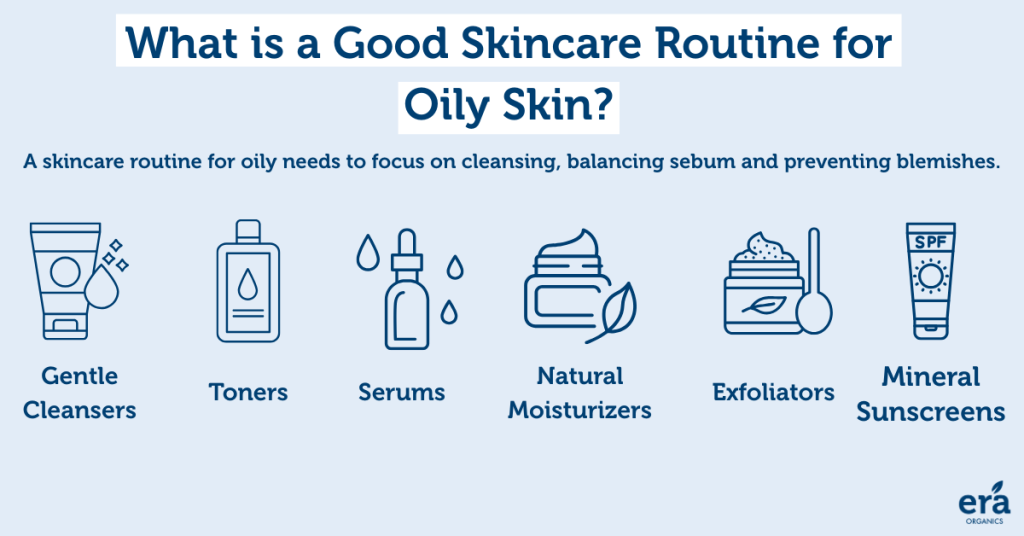
Are you tired of battling that unwanted shine on your face by midday? You’re not alone.
Oily skin can be challenging, but with the right skincare routine, you can achieve a balanced, healthy complexion. Imagine looking in the mirror and seeing a fresh, matte finish that lasts all day. Sounds appealing, right? In this guide, you’ll discover simple yet effective steps tailored just for your skin type.
Say goodbye to the constant blotting and hello to confidence. Ready to transform your skincare routine and feel great about your skin? Keep reading to unlock the secrets that could change your life.

Credit: chemistconfessions.com
Causes Of Oily Skin
Oily skin happens when the skin produces too much sebum. Sebum is the natural oil that protects and moisturizes the skin. Excess oil can make the skin look shiny and cause clogged pores. Many things cause oily skin. Understanding these helps manage it better.
Hormonal Factors
Hormones control oil production in the skin. During puberty, hormone levels rise. This increase makes oil glands work harder. Women may notice more oil during their menstrual cycle. Pregnancy and menopause also change hormone levels. These changes can cause oily skin flare-ups.
Diet And Lifestyle
What you eat affects your skin’s oiliness. Foods high in sugar and fat can increase oil production. Drinking little water can dry out the skin, causing more oil to be made. Stress raises hormone levels that boost oil. Lack of sleep can make skin oily too.
Environmental Influences
Weather affects skin oil levels. Hot and humid climates cause more sweat and oil. Pollution clogs pores and triggers oil production. Using harsh skincare products can strip natural oils. This causes the skin to produce extra oil to compensate.
Credit: www.walmart.ca
Choosing The Right Cleanser
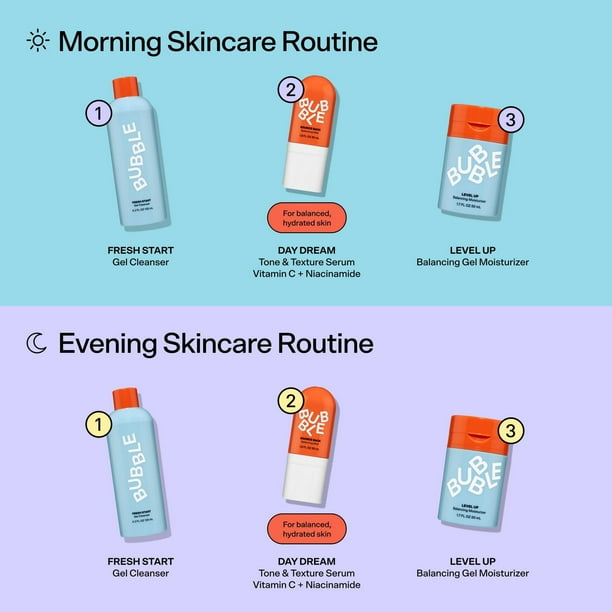
Choosing the right cleanser is key for oily skin care. The cleanser removes dirt, oil, and makeup. It helps control shine and prevents breakouts. Picking a cleanser that suits oily skin keeps the face fresh without over-drying. Here are some types of cleansers and ingredients to consider.
Foaming Cleansers
Foaming cleansers create a rich lather that cleans deeply. They remove excess oil and impurities from pores. These cleansers leave the skin feeling clean and refreshed. Many foaming options contain gentle ingredients to avoid irritation. They are ideal for oily skin because they help reduce shine.
Gel-based Formulas
Gel-based cleansers have a lightweight texture. They absorb quickly and clean without stripping moisture. These formulas balance oil production and soothe the skin. Gel cleansers often include ingredients to calm redness and prevent clogged pores. They keep oily skin clear and comfortable.
Avoiding Harsh Ingredients
Avoid cleansers with alcohol, sulfates, or strong fragrances. These ingredients can irritate and dry out oily skin. Harsh cleansers cause the skin to produce more oil. Choose gentle, non-comedogenic products instead. This protects the skin barrier and reduces oil buildup.
Effective Exfoliation Tips
Exfoliation plays a key role in managing oily skin. It helps clear away dead skin cells that clog pores and trigger excess oil production. But how you exfoliate can make all the difference in achieving a fresh, balanced complexion without irritation.
Chemical Vs Physical Exfoliants
Chemical exfoliants use acids or enzymes to dissolve dead skin cells gently. They often work deeper than physical scrubs and are less likely to cause microtears on oily skin.
Physical exfoliants rely on small particles or tools to manually scrub off dead skin. However, harsh scrubs can worsen oiliness by irritating your skin and triggering more sebum production.
Which type suits you depends on your skin’s sensitivity and how it reacts to different products. Have you noticed redness or bumps after scrubbing? That might be your skin telling you to switch to gentler chemical exfoliants.
Frequency For Oily Skin
Exfoliating too often can strip your skin’s natural oils, causing it to produce even more oil in response. For oily skin, 2 to 3 times a week is usually enough.
Pay attention to how your skin feels. If it becomes dry or irritated, reduce the frequency. On the other hand, if oil and breakouts persist, consider a consistent schedule but always avoid daily exfoliation.
Best Ingredients To Look For
Look for exfoliants containing salicylic acid (BHA), which penetrates pores and removes excess oil effectively. Glycolic acid (AHA) also helps by improving skin texture and promoting cell turnover.
Enzymes from papaya or pineapple are gentle options that work well if you have sensitive oily skin. Avoid large, rough particles; instead, choose smooth, fine granules if you prefer physical exfoliation.
- Salicylic acid – unclogs pores and reduces oil
- Glycolic acid – smooths skin and boosts radiance
- Papaya enzyme – gentle exfoliation without irritation
- Jojoba beads – natural and skin-friendly physical exfoliant

Credit: www.reddit.com
Toning For Balance
Toning helps keep oily skin balanced and fresh. It removes leftover dirt and oil after cleansing. It also tightens pores and prepares skin for moisturizer. Choosing the right toner is important for oily skin.
Alcohol-free Toners
Alcohol can dry out skin and cause more oil production. Alcohol-free toners are gentle and do not strip natural oils. They soothe the skin and reduce redness. Look for labels that say “alcohol-free” for a gentle option.
Pore-minimizing Ingredients
Some ingredients help shrink large pores and control oil. Witch hazel calms skin and reduces shine. Salicylic acid cleans inside pores and prevents breakouts. Niacinamide balances oil and improves skin texture. Choose toners with these key ingredients for oily skin.
How To Apply Toner
- Use a cotton pad or clean hands to apply toner.
- Gently wipe or pat toner on face and neck.
- Avoid rubbing hard to prevent irritation.
- Use toner twice daily after cleansing.
- Let toner dry before applying moisturizer.
Moisturizing Without Shine
Moisturizing oily skin can feel tricky. Many think moisturizers add unwanted shine. The right products hydrate without making skin greasy. Choosing the correct formulas keeps skin balanced and fresh all day.
Oil-free Moisturizers
Oil-free moisturizers hydrate without clogging pores. They use water-based ingredients that absorb quickly. These products reduce excess oil and shine. Ideal for oily skin, they provide moisture without heaviness.
Gel-based Hydrators
Gel-based hydrators are lightweight and cooling. They deliver moisture with a non-greasy finish. These gels calm the skin and control oil. Perfect for daily use, they leave skin feeling soft and matte.
Lightweight Sunscreens
Sunscreens protect skin without adding shine. Look for formulas labeled “matte” or “oil-control.” They shield from UV rays while keeping skin fresh. Using lightweight sunscreens prevents oily buildup under makeup.
Targeted Treatments
Targeted treatments are essential for managing oily skin effectively. They focus on specific concerns like excess oil, clogged pores, and shine without stripping your skin’s natural moisture. Choosing the right treatment can make your skin feel balanced and comfortable throughout the day.
Salicylic Acid Benefits
Salicylic acid is a powerful ingredient that helps clear out pores and reduce oil buildup. It gently exfoliates the skin, preventing blackheads and breakouts before they start.
Using a salicylic acid cleanser or spot treatment a few times a week can make a noticeable difference. Have you tried this ingredient and noticed your skin feels less greasy?
Niacinamide For Oil Control
Niacinamide is a multitasking ingredient that calms inflammation and controls oil production. It also strengthens your skin’s barrier, which helps keep moisture in without excess oil.
Adding a niacinamide serum to your routine can reduce shine and improve your skin texture over time. What if a simple serum could help you skip midday blotting?
Clay Masks And Their Uses
Clay masks draw out impurities and absorb excess oil, giving your skin a fresh, matte look. They’re perfect for a weekly deep clean that doesn’t dry your skin out.
- Bentonite clay is great for oily and acne-prone skin.
- Kaolin clay is gentler and works well for sensitive oily skin.
Try using a clay mask once or twice a week and notice how your skin feels less oily and more refined. Have you found a clay mask that suits your skin without causing tightness?
Daily Habits For Shine-free Skin
Maintaining a shine-free complexion takes more than just washing your face. Daily habits play a key role in controlling oily skin and reducing shine. Small changes in how you care for your skin can make a big difference in how it looks throughout the day.
Blotting Techniques
Blotting papers are essential for oily skin. They absorb excess oil without disturbing makeup. Press the paper gently on your face, especially on the forehead, nose, and chin. Avoid rubbing, as it may irritate the skin. Use blotting sheets several times a day to keep shine under control.
Makeup Tips For Oily Skin
Choose makeup products labeled “oil-free” or “matte.” Use a primer to create a smooth base and reduce oil production. Apply foundation with a light hand to avoid clogging pores. Set your makeup with a translucent powder to absorb oil and keep your skin matte. Avoid heavy creams and greasy formulas.
Hydration And Diet
Drinking water helps balance oil production. Aim for at least eight glasses daily to keep skin hydrated. Eat foods rich in vitamins A and E for healthy skin. Avoid too much sugar and fried foods, which can increase oiliness. Fresh fruits, vegetables, and lean proteins support clear, shine-free skin.
Frequently Asked Questions
What Is The Best Skincare Routine For Oily Skin?
A good oily skin routine includes gentle cleansing twice daily, using oil-free moisturizers, and applying sunscreen. Incorporate exfoliation once or twice a week to remove excess oil and dead skin cells. Use products labeled “non-comedogenic” to avoid clogged pores and breakouts.
How Often Should I Wash My Face If Oily?
Wash your face twice daily—morning and night—to control oil without over-drying. Over-washing can strip natural oils, causing more oil production. Use a gentle, foaming cleanser to balance skin and prevent excess shine throughout the day.
Can Moisturizers Help Oily Skin?
Yes, moisturizers help oily skin by maintaining hydration and balancing oil production. Choose lightweight, oil-free, and non-comedogenic formulas. Avoid heavy creams that clog pores. Proper moisturizing prevents skin from producing excess oil and keeps skin healthy.
Which Ingredients Are Best For Oily Skin Products?
Look for salicylic acid, niacinamide, and clay in oily skin products. These ingredients control oil, reduce acne, and unclog pores. Avoid heavy oils and alcohol-based products that can irritate or dry out skin. Always patch-test new products first.
Conclusion
A good skincare routine helps control oily skin and prevents breakouts. Cleanse your face twice daily with a gentle cleanser. Use products made for oily skin to avoid extra shine. Don’t forget to moisturize to keep your skin healthy. Exfoliate once or twice a week to remove dead skin cells.
Stay consistent and patient. Your skin will improve over time. Healthy habits and simple steps make a big difference. Keep your routine easy and effective for the best results.
