Feeling frustrated with your dry skin? You’re not alone.
Many people struggle to keep their skin hydrated, especially when the weather changes or stress levels rise. If you’re tired of flaky patches, tightness, and that uncomfortable itch, it’s time to revamp your skincare routine. Imagine waking up to soft, glowing skin every morning.
Wouldn’t that be amazing? In this guide, we’ll walk you through the perfect skincare routine tailored specifically for dry skin. You’ll discover easy and effective steps that will transform your skin from parched to perfectly hydrated. Ready to unlock the secrets to smooth, healthy skin? Keep reading to find out how you can achieve a radiant complexion that feels as good as it looks.
Causes Of Dry Skin
Dry skin happens when your skin lacks enough moisture. This condition can cause tightness, itchiness, and flakiness. Understanding the causes helps you treat dry skin better. Several factors contribute to dry skin, including your environment, habits, and health issues.
Environmental Factors
Cold weather reduces moisture in the air. Wind can strip natural oils from your skin. Hot showers wash away protective oils. Indoor heating systems dry out the air. Harsh soaps remove natural skin oils. All these make skin dry and rough.
Lifestyle Habits
Not drinking enough water leads to dehydration. Using strong soaps or detergents harms skin barrier. Skipping moisturizer leaves skin unprotected. Excessive sun exposure damages skin and dries it out. Smoking reduces blood flow, making skin dry.
Skin Conditions
Conditions like eczema and psoriasis cause dry, flaky skin. Allergies can trigger dryness and irritation. Some medications have side effects that dry out skin. Aging slows oil production, making skin drier. These health issues need proper care to manage dryness.

Credit: www.colorescience.com
Key Ingredients For Hydration
Hydrating dry skin effectively means understanding the ingredients that work best to replenish and lock in moisture. Not all moisturizers are created equal, and knowing which key components to look for can transform your skincare routine. Let’s break down the essential types of ingredients that help keep your skin plump and hydrated throughout the day.
Humectants
Humectants pull water from the environment and deeper skin layers to the surface. Ingredients like glycerin, hyaluronic acid, and urea are powerful humectants that attract moisture to your skin.
If your skin feels tight and flaky, products with humectants can provide immediate relief by boosting hydration levels. Have you noticed how your skin drinks up a serum with hyaluronic acid? That’s humectants doing their job.
Emollients
Emollients smooth and soften the skin by filling in the gaps between dry skin cells. Ingredients such as squalane, jojoba oil, and shea butter create a silky texture that improves skin softness.
Using emollients can reduce the roughness and flakiness that come with dry skin. They don’t just hydrate; they improve your skin’s overall feel, making it look healthier and more supple.
Occlusives
Occlusives form a protective barrier on the skin to lock in moisture and prevent water loss. Common occlusives include petrolatum, beeswax, and dimethicone.
Without this barrier, all the hydration from humectants and emollients can evaporate quickly, leaving your skin dry again. Think of occlusives as the final step that seals everything in, keeping your skin hydrated longer.
Daily Skincare Steps
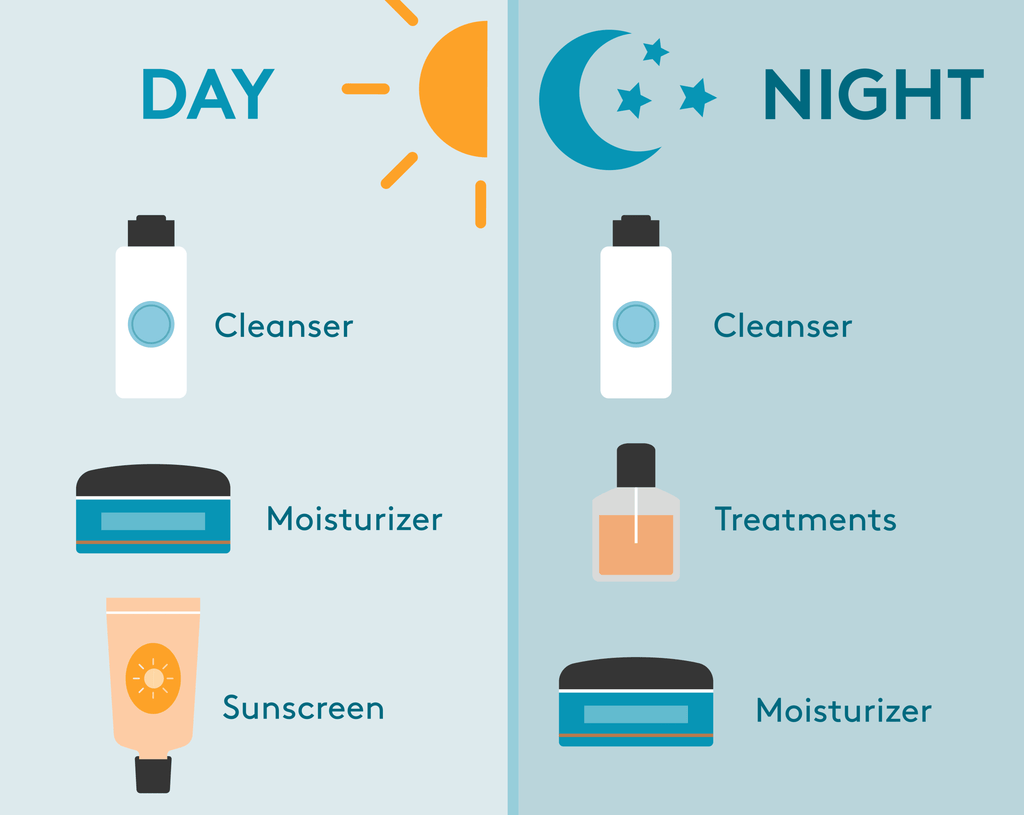
Creating a daily skincare routine for dry skin means focusing on gentle care and hydration at every step. Your skin needs products that soothe and nourish without stripping away natural oils. Let’s break down the essential actions you should take each day to keep your skin comfortable and glowing.
Gentle Cleansing
Choose a mild, cream-based cleanser that won’t dry out your skin further. Avoid cleansers with harsh sulfates or alcohol, as they can strip moisture and cause irritation.
Wash your face with lukewarm water instead of hot water to prevent further dryness. Do you notice your skin feeling tight or flaky after cleansing? That’s a sign your cleanser might be too harsh.
Toning For Moisture
Look for alcohol-free toners packed with hydrating ingredients like glycerin or hyaluronic acid. These help restore your skin’s moisture balance and prep it for better absorption of serums and moisturizers.
Apply toner with a cotton pad or your hands, gently pressing it into your skin. Have you tried skipping toner? You might find your skin feels less refreshed and ready for the next step.
Serums And Treatments
Serums with hyaluronic acid or ceramides are perfect for adding deep hydration and repairing the skin barrier. They are lightweight but packed with moisture-boosting ingredients.
Apply a few drops to your face and neck, patting gently. If you’re dealing with redness or sensitivity, look for serums containing soothing ingredients like niacinamide or aloe vera.
Moisturizing Techniques
Use a rich, emollient moisturizer to lock in hydration and create a protective barrier. Creams with ingredients like shea butter or squalane work well for dry skin.
Apply moisturizer while your skin is still slightly damp from toner or serum to seal in extra moisture. Ever tried layering moisturizers? Sometimes using a light lotion followed by a heavier cream can provide all-day comfort.
Sun Protection
Dry skin still needs sun protection every day to prevent damage and moisture loss. Choose a broad-spectrum sunscreen with hydrating properties or a moisturizing formula.
Apply sunscreen as the last step in your morning routine, even if you’re indoors. Have you noticed dry patches worsening after sun exposure? Proper sun care can help prevent that.

Credit: andalou.com
Weekly Treatments
Weekly treatments give dry skin extra care and moisture. They help remove dead skin cells and deeply hydrate your face. These treatments improve skin texture and boost softness. Setting aside time each week for these steps supports a healthy glow.
Exfoliation Methods
Exfoliation removes dry, flaky skin. Use gentle scrubs with fine particles. Avoid harsh scrubs that can irritate dry skin. Chemical exfoliants with lactic acid or enzymes work well. They dissolve dead cells without rubbing. Limit exfoliation to once a week. This prevents over-drying and keeps skin smooth.
Hydrating Masks
Hydrating masks add moisture deep into the skin. Look for masks with ingredients like hyaluronic acid, aloe vera, or glycerin. Apply for 10-15 minutes, then rinse with lukewarm water. Use these masks once or twice a week. They help calm tightness and refresh dull skin.
Facial Oils
Facial oils lock in moisture and nourish skin. Choose oils like jojoba, argan, or rosehip. Apply a few drops after cleansing and before moisturizer. Oils create a protective barrier on the skin’s surface. Using them weekly helps maintain softness and reduces dryness.
Lifestyle Tips For Better Skin
Improving dry skin needs more than creams. Your daily habits play a big role. Simple lifestyle changes help skin stay soft and healthy. Small steps in your routine can bring big results over time.
Hydration And Diet
Drink plenty of water every day. Water helps keep your skin moist from inside. Eat foods rich in healthy fats like avocados and nuts. These fats support skin’s natural barrier. Include fruits and vegetables for vitamins and antioxidants. They protect skin from damage and dryness.
Sleep And Stress Management
Sleep allows your skin to repair itself. Aim for 7 to 8 hours of quality sleep nightly. Stress makes skin dry and dull. Try simple ways to relax, such as deep breathing or light exercise. Less stress means better skin health and glow.
Avoiding Irritants
Harsh soaps and detergents strip skin oils. Use gentle, fragrance-free products instead. Avoid hot water as it removes moisture quickly. Wear soft fabrics to reduce skin irritation. Protect skin from cold, dry air with scarves or gloves. These steps help keep your skin calm and hydrated.
Common Mistakes To Avoid
Taking care of dry skin needs extra attention. Many people make mistakes that can worsen dryness and irritation. Avoiding these common errors helps keep skin soft and healthy.
Over-washing
Washing your face too often strips away natural oils. These oils protect and hydrate dry skin. Cleanse gently, once or twice daily. Use lukewarm water, not hot. Over-washing can cause redness and tightness.
Using Harsh Products
Products with strong chemicals dry skin further. Avoid soaps or cleansers with alcohol, fragrance, or sulfates. Choose mild, hydrating formulas made for dry skin. Harsh products break the skin barrier, leading to irritation and flakiness.
Skipping Moisturizer
Moisturizer is essential for dry skin health. It locks in water and soothes dryness. Skipping moisturizer causes tight, flaky skin. Apply a rich moisturizer right after cleansing. Reapply during the day if needed to keep skin soft.

Credit: www.eraorganics.com
Frequently Asked Questions
What Is The Best Cleanser For Dry Skin?
Choose a gentle, hydrating cleanser without harsh sulfates. Cream or oil-based cleansers help maintain moisture and prevent dryness.
How Often Should I Moisturize Dry Skin Daily?
Moisturize twice daily—morning and night. Use a rich, emollient cream to lock in hydration and protect your skin barrier.
Can I Use Exfoliants With Dry Skin?
Yes, but opt for mild, chemical exfoliants like lactic acid. Avoid harsh scrubs to prevent irritation and further dryness.
What Ingredients Help Soothe Dry Skin?
Look for ingredients like hyaluronic acid, glycerin, ceramides, and aloe vera. These deeply hydrate and repair dry, flaky skin effectively.
Conclusion
Dry skin needs gentle care every day. Choose mild cleansers and rich moisturizers. Drink water often to stay hydrated inside. Use sunscreen to protect your skin from damage. Avoid hot water that can dry skin more. Pat your face dry, do not rub.
Consistency helps your skin feel soft and smooth. Small steps bring big changes over time. Treat your skin with kindness and patience. Your dry skin will thank you for care.
