
Are you tired of dealing with the persistent redness and tiny bumps around your mouth and nose? Perioral dermatitis can be frustrating, especially when you’re not sure how to manage it effectively.
You might have tried countless skincare products, only to find that they irritate your skin even more. But don’t worry—there’s hope! Understanding the right skincare routine can make all the difference in calming your skin and restoring your confidence. Imagine waking up each day with skin that feels comfortable and looks healthier.
In this post, you’ll discover simple yet effective steps to manage perioral dermatitis, using ingredients and routines that soothe rather than irritate. Let’s dive into a skincare routine that’s gentle, effective, and tailor-made for you.

Credit: freshfaceskin.com.au
Causes Of Perioral Dermatitis
Understanding the causes of perioral dermatitis is key to managing this stubborn skin condition. This rash, often appearing around the mouth, can leave you feeling frustrated and unsure about what’s triggering the flare-ups. Let’s break down the main factors that could be behind your skin’s reaction.
Common Triggers
Several everyday habits and conditions can spark perioral dermatitis. Using heavy face creams or steroid creams without guidance often makes the rash worse. Stress and hormonal changes also play a role, making your skin more sensitive and prone to inflammation.
Have you noticed your skin flaring after certain meals or during stressful periods? Keeping a simple diary of your lifestyle can help identify personal triggers.
Role Of Skincare Products
Many skincare products contain ingredients that irritate sensitive skin around your mouth. Ingredients like fluoride in toothpaste, strong exfoliants, or products with alcohol can disrupt your skin’s barrier. Even products marketed as “gentle” can sometimes cause problems if they clog pores or dry out your skin.
Think about what you apply daily—could one of these products be quietly worsening your condition? Switching to fragrance-free, non-comedogenic options often helps calm the skin.
Environmental Factors
The environment around you also affects perioral dermatitis. Harsh weather, like cold winds or extreme heat, can dry out and irritate your skin. Pollution and exposure to airborne irritants can worsen the rash by triggering inflammation.
Are you protecting your skin adequately when outside? Using a barrier cream or adjusting your skincare routine based on the season might reduce flare-ups significantly.
Recognizing Symptoms
Recognizing symptoms of perioral dermatitis is key to managing it well. Early spotting helps prevent worsening and guides proper care. This skin condition often appears around the mouth and nose. Knowing its signs helps avoid confusion with other skin issues.
Typical Signs On Skin
- Red, bumpy rash around the mouth and nose
- Small pus-filled bumps or pimples
- Dry, flaky, or scaly patches of skin
- Mild itching or burning sensation
- Skin looks inflamed but not oily
The rash usually stays close to the mouth but can extend to the chin and eyes. It often feels rough and irritated. These signs may come and go or stay persistent.
Difference From Other Conditions
Perioral dermatitis looks like acne but is not the same. Acne has larger, deeper pimples and often oily skin. Rosacea can resemble it but usually affects the cheeks and nose with visible blood vessels.
Unlike eczema, perioral dermatitis does not cause intense itching or thickened skin. Contact dermatitis often has clear triggers like new products, while perioral dermatitis can appear without obvious causes.
Correct identification helps choose the right treatment and avoid wrong products that worsen the rash.
Daily Skincare Steps
Managing perioral dermatitis requires a careful daily skincare routine that soothes your skin rather than aggravates it. Every step you take should focus on calming inflammation and protecting the delicate skin around your mouth. Let’s break down the essential daily steps that can help you maintain healthier skin and avoid flare-ups.
Gentle Cleansing Tips
Use a mild, fragrance-free cleanser specifically designed for sensitive skin. Avoid harsh scrubs or cleansers with strong chemicals that can strip your skin’s natural oils.
Pat your face dry with a soft towel instead of rubbing vigorously. This small change can reduce irritation and redness around the mouth.
Have you noticed how some cleansers leave your skin feeling tight? That’s a sign they might be too harsh for your condition. Opt for products labeled “non-comedogenic” and “soap-free” to keep your skin calm.
Choosing Moisturizers
Select a lightweight, non-greasy moisturizer that won’t clog your pores. Ingredients like ceramides and hyaluronic acid help restore the skin’s barrier without causing breakouts.
Moisturize twice daily to keep your skin hydrated but avoid heavy creams or ointments with potential irritants like lanolin or fragrances.
Does your moisturizer feel heavy or sticky? That’s often a sign it’s not the right fit for perioral dermatitis. Look for products labeled “hypoallergenic” to minimize risk.
Avoiding Irritants
Stay away from topical steroids, harsh exfoliants, and strong acne treatments around the mouth area. These can worsen your symptoms and delay healing.
Check your toothpaste and lip balm ingredients—flavors, whitening agents, and fluoride can sometimes trigger flare-ups.
Have you ever experienced a sudden breakout after trying a new product? That’s your skin telling you it doesn’t agree with certain ingredients. Keeping a simple, minimal routine often works best for perioral dermatitis.

Credit: www.dahlskincare.com
Products To Avoid
Choosing the right products is key to managing perioral dermatitis. Certain items can worsen the condition or cause flare-ups. Avoiding these helps the skin heal faster and stay calm. Here are some products to watch out for.
Harsh Ingredients
Ingredients like alcohol, fragrances, and strong acids irritate sensitive skin. They strip natural oils and cause dryness. Common irritants include:
- Alcohol denat
- Menthol
- Camphor
- Sulfates
- Essential oils
Stay away from products with these components. They can trigger redness and itching around the mouth.
Steroid Creams And Their Effects
Steroid creams may reduce inflammation at first. But long-term use often worsens perioral dermatitis. They thin the skin and weaken its barrier. This leads to rebound flare-ups once you stop applying them. Avoid steroid creams unless prescribed by a dermatologist for short periods.
Heavy Makeup And Sunscreens
Thick makeup clogs pores and traps bacteria. It blocks skin’s natural healing process. Heavy sunscreens with chemical filters can also irritate. Look for lightweight, non-comedogenic sunscreens. Mineral-based options like zinc oxide work better for sensitive skin.
Healing Boosters
Healing boosters play a crucial role in calming perioral dermatitis and speeding up recovery. They focus on reducing inflammation, soothing irritation, and restoring your skin’s natural barrier. Choosing the right healing boosters can make all the difference in how quickly your skin bounces back.
Soothing Ingredients
Look for skincare products that include calming ingredients like aloe vera, chamomile, and calendula. These natural extracts help reduce redness and discomfort without irritating your skin further. I found that switching to a moisturizer with aloe vera helped ease my flare-ups within days.
Another key ingredient is niacinamide, which supports skin barrier repair and reduces inflammation. It’s gentle enough for sensitive skin and can fit into your daily routine easily. Have you ever tried a product with niacinamide during a breakout? It might surprise you how much difference it makes.
Natural Remedies
Some natural remedies can complement your routine, but they need to be used carefully. Applying a cool chamomile tea bag on the affected area can soothe irritation and decrease redness. Just make sure the tea is cool and not hot to avoid aggravating your skin.
Honey is another option, known for its antibacterial and healing properties. Using raw honey as a spot treatment can speed up healing, but test it on a small patch first to check for reactions. What natural remedy have you found calming for your skin?
Topical Treatments
Topical treatments prescribed by dermatologists often contain antibiotics or anti-inflammatory agents to target perioral dermatitis directly. These treatments help control bacteria and reduce swelling, which are key factors in managing flare-ups.
Over-the-counter options with ingredients like sulfur or zinc oxide also show promise for mild cases. These can reduce irritation and protect your skin barrier without harsh chemicals. Have you discussed topical treatments with your doctor to find what suits your skin best?
Lifestyle Adjustments
Adjusting daily habits plays a key role in managing perioral dermatitis. Simple lifestyle changes can reduce flare-ups and improve skin health. A balanced routine supports healing and prevents irritation.
Diet And Hydration
Eating clean helps calm skin inflammation. Choose whole foods like fruits, vegetables, and lean proteins. Avoid spicy, oily, and processed foods that may trigger symptoms.
Drink plenty of water to keep skin hydrated. Proper hydration flushes out toxins and supports skin repair. Aim for at least eight glasses daily.
Stress Management
Stress increases skin sensitivity and worsens perioral dermatitis. Practice relaxation techniques such as deep breathing or meditation. Regular exercise also lowers stress and boosts skin health.
Sleep well to allow skin time to heal. Try to get seven to eight hours of quality rest each night.
Sun Exposure Control
Sunlight can irritate affected skin areas. Use gentle, mineral-based sunscreens to protect your face. Wear wide-brimmed hats and seek shade during peak sun hours.
Limit direct sun exposure to reduce redness and dryness. Protecting skin helps prevent future flare-ups and speeds recovery.
When To See A Doctor
Knowing when to see a doctor for perioral dermatitis is crucial. Sometimes, your skin might not improve with basic care, or symptoms could worsen. Recognizing these signs early helps you get the right treatment faster and avoid complications.
Persistent Symptoms
If your redness, bumps, or irritation don’t improve after two weeks of gentle skincare, it’s time to consult a doctor. You might also notice the rash spreading beyond the mouth area. Ignoring these signs can lead to prolonged discomfort and skin damage.
Have you tried stopping all facial products, but the rash stays stubborn? That’s a clear signal your skin needs professional help. Don’t wait until symptoms interfere with your daily life or confidence.
Prescription Options
Doctors often prescribe topical or oral antibiotics to calm perioral dermatitis. These medications target the inflammation and bacteria causing the rash. Over-the-counter creams usually aren’t strong enough for severe cases.
Sometimes, your doctor may suggest anti-inflammatory creams or special cleansers that soothe the skin without causing irritation. These options can make a big difference when simple home care isn’t enough. Remember, using prescription treatments as directed speeds up healing and reduces relapse risk.
Follow-up Care
After starting treatment, scheduling follow-ups ensures your skin responds well and avoids side effects. Your doctor can adjust medications or recommend changes if you experience dryness or peeling. Staying in touch with your healthcare provider keeps your recovery on track.
Do you feel unsure about how your skin is healing? Regular check-ins help answer your questions and reduce anxiety. Taking this step shows you’re actively managing your health and respecting your skin’s needs.
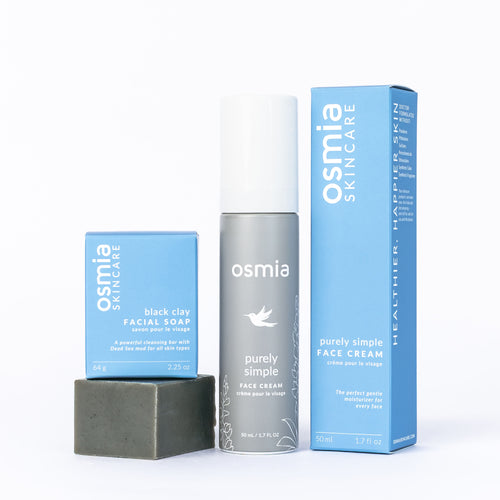
Credit: osmiaskincare.com
Frequently Asked Questions
What Is The Best Skincare Routine For Perioral Dermatitis?
A gentle skincare routine with mild cleansers and moisturizers is ideal. Avoid heavy creams and steroid creams. Use products labeled non-comedogenic and fragrance-free to reduce irritation and flare-ups.
Which Ingredients Should Be Avoided In Perioral Dermatitis Skincare?
Avoid steroids, heavy oils, and harsh exfoliants. Fragrances and alcohol-based products can worsen symptoms. Stick to soothing ingredients like niacinamide and aloe vera for calm, healthy skin.
How Often Should I Cleanse My Face With Perioral Dermatitis?
Cleanse your face twice daily with a gentle, soap-free cleanser. Over-washing can irritate the skin and worsen the condition. Use lukewarm water to avoid dryness and redness.
Can Makeup Worsen Perioral Dermatitis Symptoms?
Yes, heavy or oily makeup can clog pores and irritate skin. Use non-comedogenic, hypoallergenic makeup products and remove makeup thoroughly each night to prevent flare-ups.
Conclusion
A gentle skincare routine helps calm perioral dermatitis effectively. Choose mild cleansers and avoid harsh products. Keep your skin clean but not dry. Moisturize daily with simple, fragrance-free creams. Avoid touching or picking the affected area. Patience is key; healing takes time.
Consult a doctor if symptoms persist or worsen. Small, consistent steps bring the best results. Healthy skin needs care and attention every day.
