Unlocking the secret to radiant skin often feels like a never-ending quest. As you sift through countless products promising miracles, you might wonder about the role of serums in your skincare routine.
You’ve likely heard the buzz, but when is the right time to integrate this powerhouse product into your daily regimen? Understanding the perfect moment to use serum can be a game-changer for your skin health. By the end of this article, you’ll not only know when to use a serum but also how it can transform your skin, boosting your confidence and simplifying your skincare journey.
Let’s dive into the world of serums and discover how they can elevate your skincare routine to the next level.

Credit: www.yukaface.com
Benefits Of Using Serum
Serums are a powerful addition to any skincare routine. They deliver active ingredients directly to the skin. This helps improve skin health and appearance. Using a serum can make your skin look clearer and more radiant. Serums also work well under moisturizers and sunscreens.
Targeted Skin Concerns
Serums are made to address specific skin issues. Whether it is dryness, dullness, or wrinkles, there is a serum for it. They contain concentrated ingredients like vitamin C, hyaluronic acid, or retinol. These ingredients target problems deeply and effectively. Serums help improve skin texture and tone over time.
Enhanced Absorption
Serums have a unique formula that allows quick skin absorption. Their small molecules penetrate deeply into the skin layers. This means active ingredients reach the areas where they are needed most. Better absorption means better results for your skin. Using a serum helps maximize the benefits of your skincare routine.
Lightweight Texture
Serums have a light and thin texture. They do not feel heavy or greasy on the skin. This makes them suitable for all skin types, even oily skin. Serums absorb quickly without leaving residue. You can easily layer them under other products without clogging pores.

Credit: yourskinnurse.com
Types Of Serums And Their Uses
Serums target specific skin concerns with powerful ingredients. Each type serves a unique purpose. Choosing the right serum can boost your skincare results. Understanding these types helps you pick one that fits your needs.
Hydrating Serums
Hydrating serums add moisture to dry, dull skin. They often contain hyaluronic acid, a strong water binder. These serums help skin feel soft and plump. Use them to restore moisture and improve texture.
Anti-aging Serums
Anti-aging serums reduce wrinkles and fine lines. Ingredients like retinol and peptides are common here. These serums promote collagen production for firmer skin. They help skin look younger and smoother over time.
Brightening Serums
Brightening serums even out skin tone and fade dark spots. Vitamin C and niacinamide often appear in these formulas. They improve radiance and reduce dullness. Use them to get a glowing, fresh complexion.
Acne-fighting Serums
Acne-fighting serums target breakouts and clogged pores. Salicylic acid and benzoyl peroxide are typical ingredients. These serums clear skin and prevent future pimples. They calm inflammation and reduce redness.
Best Time To Apply Serum
Knowing the best time to apply serum can make a big difference in your skincare results. Serums are packed with active ingredients designed to target specific concerns, so timing their application to match your skin’s needs is key. Let’s break down the ideal moments in your day to get the most out of your serum.
Morning Application
Applying serum in the morning helps protect your skin from daily environmental stressors like pollution and UV rays. Choose serums with antioxidants such as vitamin C to brighten your complexion and fight free radicals. After cleansing, apply the serum before your moisturizer and sunscreen for maximum absorption and protection throughout the day.
Think about your morning routine: does your skin feel dull or tired? A morning serum can give it an instant boost and keep it looking fresh. You might notice your makeup applies more smoothly too, thanks to the lightweight texture of serums.
Evening Application
Nighttime is when your skin repairs itself, making it the perfect time to use serums with ingredients like retinol or peptides. These work best while you sleep, helping to reduce fine lines, improve texture, and boost collagen production. Apply serum after cleansing and before your night cream to allow deep penetration.
Remember, your skin is more receptive at night because it’s not exposed to harsh elements. Have you ever woken up to softer, more hydrated skin after using a night serum? That’s the power of timing your application correctly.
Day Vs Night Differences
| Time | Serum Type | Benefits |
|---|---|---|
| Morning | Antioxidant (e.g., Vitamin C) | Protects skin, brightens, preps for the day |
| Evening | Repairing (e.g., Retinol, Peptides) | Boosts skin repair, anti-aging, hydration |
Choosing the right serum for the time of day isn’t just a skincare tip—it’s a strategy. Your skin’s needs change from day to night, and matching your serum to those needs can improve your results significantly. What changes could you make in your routine to get the best from your serums?
Step-by-step Serum Application
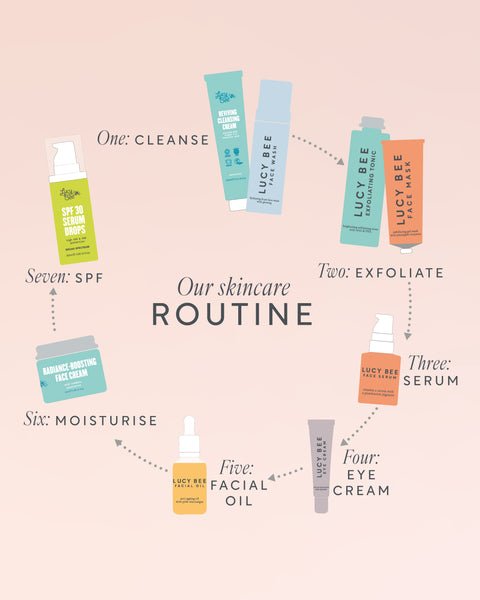
Applying serum correctly enhances its benefits and improves your skin’s health. Follow this simple routine to get the most from your serum. Each step prepares your skin to absorb nutrients deeply and stay hydrated longer.
Cleansing Before Serum
Start with clean skin to remove dirt and oil. Use a gentle cleanser that suits your skin type. Rinse with lukewarm water to open pores. Pat your face dry with a soft towel. Clean skin allows the serum to absorb better and work effectively.
Using Toner
Apply toner after cleansing to balance your skin’s pH. Choose an alcohol-free toner for gentle hydration. Use a cotton pad or your hands to spread the toner evenly. This step preps your skin and helps serum penetrate deeper.
Applying Serum Correctly
Use a few drops of serum on your fingertips. Gently tap or press the serum onto your face and neck. Avoid rubbing hard to prevent irritation. Focus on problem areas like dry spots or fine lines. Let the serum absorb fully before the next step.
Locking In With Moisturizer
Seal your serum with a moisturizer to keep skin hydrated. Choose a moisturizer that fits your skin type and season. Apply it gently in upward strokes. This locks in the serum and protects your skin barrier throughout the day or night.
Common Mistakes To Avoid
Using a serum correctly can make a big difference in your skincare results. However, many people make simple mistakes that reduce the effectiveness of their serums or even cause skin problems. Knowing what to avoid helps you get the best from your skincare routine.
Using Too Much Product
Serums are designed to be concentrated, so a small amount goes a long way. Using too much can overwhelm your skin and lead to irritation or waste your product. Have you noticed your skin feeling sticky or heavy after applying serum? That’s often a sign you’re using more than necessary.
Try applying just a pea-sized amount and gently patting it in. This ensures your skin absorbs the serum properly without overloading it.
Skipping Moisturizer
Some people think serums replace moisturizers, but they don’t. Serums deliver active ingredients deep into the skin, while moisturizers lock in hydration and protect the skin barrier. Skipping moisturizer after serum can leave your skin dry and vulnerable.
Think of your serum as the treatment and your moisturizer as the shield. Always follow up your serum with a moisturizer suited to your skin type.
Mixing Incompatible Ingredients
Not all ingredients play well together. Combining certain actives like vitamin C and retinol in the same step can cause irritation or reduce their effectiveness. Do you check ingredient lists before layering products?
Separate powerful ingredients into different parts of your routine or use them on alternate days. This prevents conflicts and helps each product work at its best.
Adjusting Serum Use For Skin Types
Serums are powerful skincare products that deliver active ingredients deep into the skin. Adjusting how you use serums based on your skin type helps get the best results. Different skin types need different approaches to avoid irritation or excessive oiliness.
Understanding your skin type guides you in choosing the right serum and how often to apply it. This keeps your skin balanced, healthy, and glowing without causing problems.
Oily Skin Tips
- Choose lightweight, water-based serums to avoid clogging pores.
- Use serums with ingredients like niacinamide or salicylic acid.
- Apply serum once or twice daily, focusing on oily areas.
- Avoid heavy, oil-based serums that can increase shine.
- Pat serum gently onto skin instead of rubbing it in.
Dry Skin Tips
- Pick hydrating serums with hyaluronic acid or glycerin.
- Apply serum on damp skin to lock in moisture.
- Use serums both morning and night for best hydration.
- Follow serum with a rich moisturizer to seal the hydration.
- Avoid serums containing alcohol or fragrances that dry skin.
Sensitive Skin Tips
- Choose serums with calming ingredients like aloe or chamomile.
- Do a patch test before full application to check for reactions.
- Apply serum once a day or every other day to reduce irritation.
- Avoid serums with strong acids or fragrances.
- Use gentle tapping motions to apply serum on skin.

Credit: mystiquepearl.com
Frequently Asked Questions
When Is The Best Time To Apply Serum In Skincare?
Apply serum after cleansing and toning, but before moisturizing. This ensures deep penetration and maximizes benefits.
Can I Use Serum Both Morning And Night?
Yes, serums can be used twice daily for optimal results. Choose a lightweight formula for mornings and nourishing one at night.
Should Serum Be Applied On Dry Or Damp Skin?
Apply serum on slightly damp skin to enhance absorption. Damp skin helps active ingredients penetrate more effectively.
How Long Should I Wait Before Applying Moisturizer After Serum?
Wait 1-2 minutes after serum application to let it fully absorb. This prevents mixing and enhances product effectiveness.
Conclusion
Serums fit best after cleansing and before moisturizing. They deliver active ingredients deep into your skin. Use serums daily for better skin results. Choose a serum based on your skin needs. Apply gently and allow time to absorb. Consistency helps your skin look healthy and fresh.
Simple steps can improve your skincare routine. Try adding a serum to see the difference. Your skin will thank you with time. Keep your routine easy and effective.
