Are you tired of waking up to new breakouts and feeling like clear skin is just a distant dream? If you’ve been struggling with acne-prone skin, you’re not alone, and there’s hope.
Imagine looking in the mirror and seeing a complexion that makes you smile, not stress. The good news? Achieving healthy, radiant skin is within your reach. By following a tailored skincare routine for acne-prone skin, you can transform your skin and boost your confidence.
In this guide, we’ll unravel the secrets to managing acne effectively, so you can finally achieve the clear, glowing skin you deserve. Stick with us, and you’ll discover the simple yet powerful steps to reclaim control over your skin’s destiny.
Causes Of Acne Prone Skin
Acne prone skin develops due to several causes. Knowing these causes helps in choosing the right skincare routine. Different factors affect the skin’s oil production and inflammation, leading to breakouts.
Hormonal Changes
Hormones play a big role in acne development. During puberty, hormone levels rise and increase oil production. Women may experience breakouts during menstrual cycles or pregnancy. Hormonal imbalances can clog pores and cause inflammation.
Diet And Lifestyle
What you eat affects your skin health. Foods high in sugar and dairy may trigger acne in some people. Stress raises hormone levels that increase oil production. Lack of sleep and poor hygiene also worsen acne prone skin.
Environmental Factors
Pollution and dirt can clog pores and cause irritation. Humid weather increases sweat and oil on the skin. Harsh skincare products strip natural oils, leading to more oil production. Clean skin and avoiding harsh chemicals help reduce breakouts.

Credit: medisynth.com
Essential Skincare Products
Choosing the right skincare products is vital for acne-prone skin. These products cleanse, protect, and heal without causing irritation. Using gentle and effective items helps control breakouts and keeps skin balanced. A proper routine includes cleansing, exfoliating, moisturizing, and targeted treatments.
Gentle Cleansers
Select cleansers that remove dirt without stripping natural oils. Look for formulas labeled “non-comedogenic” and “soap-free.” Ingredients like salicylic acid or benzoyl peroxide can help clear pores. Avoid harsh scrubs or strong fragrances that irritate sensitive skin. Cleanse twice daily for best results.
Exfoliants For Acne
Exfoliation removes dead skin cells and unclogs pores. Use chemical exfoliants with ingredients like alpha hydroxy acids (AHAs) or beta hydroxy acids (BHAs). These work gently and reduce inflammation. Limit exfoliation to 2-3 times per week to avoid dryness and redness.
Moisturizers That Heal
Moisturizers keep skin hydrated and support healing. Choose lightweight, oil-free, and non-comedogenic products. Ingredients such as ceramides and hyaluronic acid help repair the skin barrier. Moisturizing reduces flakiness and prevents excess oil production.
Spot Treatments
Spot treatments target active pimples directly. Use products with benzoyl peroxide or salicylic acid for quick results. Apply only on blemishes to avoid drying healthy skin. Consistent use helps reduce size and redness of breakouts.
Daily Skincare Steps
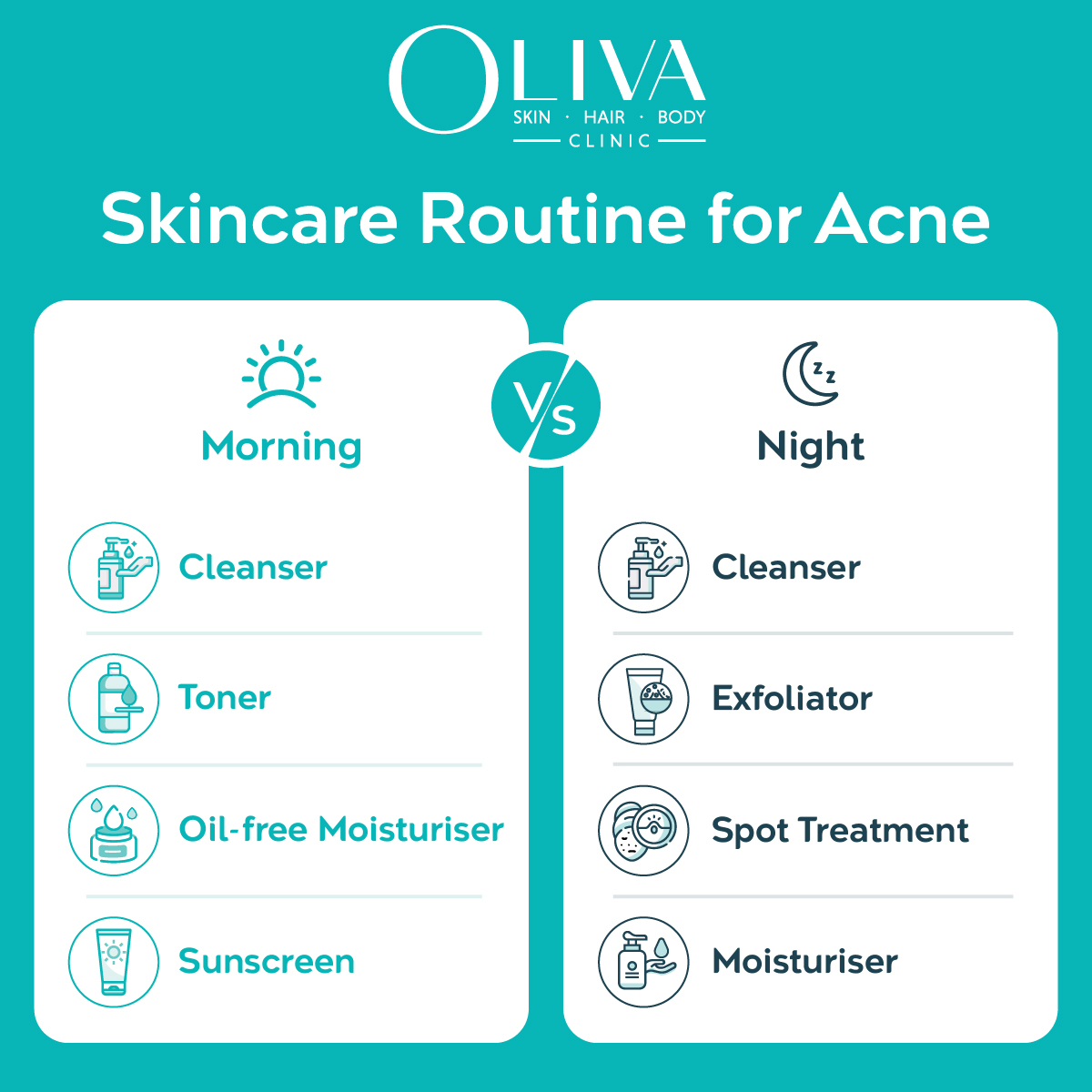
Following a daily skincare routine is key for acne prone skin. Consistency helps control breakouts and soothes irritation. Gentle care restores skin balance and prevents excess oil. Each step plays a vital role in keeping skin clear and healthy.
Cleansing Techniques
Use a mild cleanser with ingredients like salicylic acid or benzoyl peroxide. Wash your face twice daily with lukewarm water. Avoid harsh scrubbing to prevent irritation. Pat skin dry with a soft towel instead of rubbing.
Toning Benefits
Choose an alcohol-free toner to calm the skin. Toners remove leftover dirt and oil after cleansing. They help tighten pores and reduce shine. Applying toner prepares skin for better absorption of moisturizers and treatments.
Moisturizing Tips
Use a lightweight, non-comedogenic moisturizer. Hydration prevents skin from producing excess oil. Apply moisturizer while skin is still damp to lock in moisture. Focus on areas that feel dry or tight.
Sun Protection
Apply a broad-spectrum sunscreen daily, even on cloudy days. Sunscreen protects skin from UV rays that worsen acne scars. Choose a non-greasy, oil-free formula. Reapply sunscreen every two hours if you stay outdoors.
Credit: www.olivaclinic.com
Lifestyle Habits For Clear Skin
Clear skin is not just about the products you use; your daily habits play a huge role too. Simple lifestyle changes can reduce acne flare-ups and improve your skin’s overall health. Let’s look at some habits you can start today that really make a difference.
Healthy Eating
What you eat affects your skin more than you might think. Foods rich in antioxidants, like berries and leafy greens, help fight inflammation that causes acne. On the other hand, cutting back on sugary snacks and dairy products has helped many people, including myself, see fewer breakouts.
Try adding more omega-3 fatty acids from sources like salmon or walnuts. These healthy fats support skin hydration and reduce redness. Have you noticed a connection between what you eat and your skin’s condition?
Stress Management
Stress can cause your body to produce hormones that trigger acne. When I started practicing simple breathing exercises daily, my skin cleared up faster than with creams alone. Finding ways to relax doesn’t have to be complicated.
Consider activities like yoga, meditation, or even a short walk outside. These help calm your mind and lower stress hormones. What small changes could you make to reduce stress in your day?
Adequate Sleep
Sleep is when your body repairs itself, including your skin. I’ve noticed that after nights of poor sleep, my skin becomes dull and more prone to breakouts. Aim for 7 to 9 hours of quality sleep each night to help your skin stay balanced.
Try to keep a regular bedtime and limit screen time before sleeping. These habits improve sleep quality and give your skin the rest it needs. How many hours of sleep do you usually get, and how does your skin respond?
Common Mistakes To Avoid
Dealing with acne-prone skin can feel like walking a tightrope. One wrong step in your skincare routine might trigger more breakouts or irritation. Avoiding common mistakes can make a big difference in managing your skin effectively.
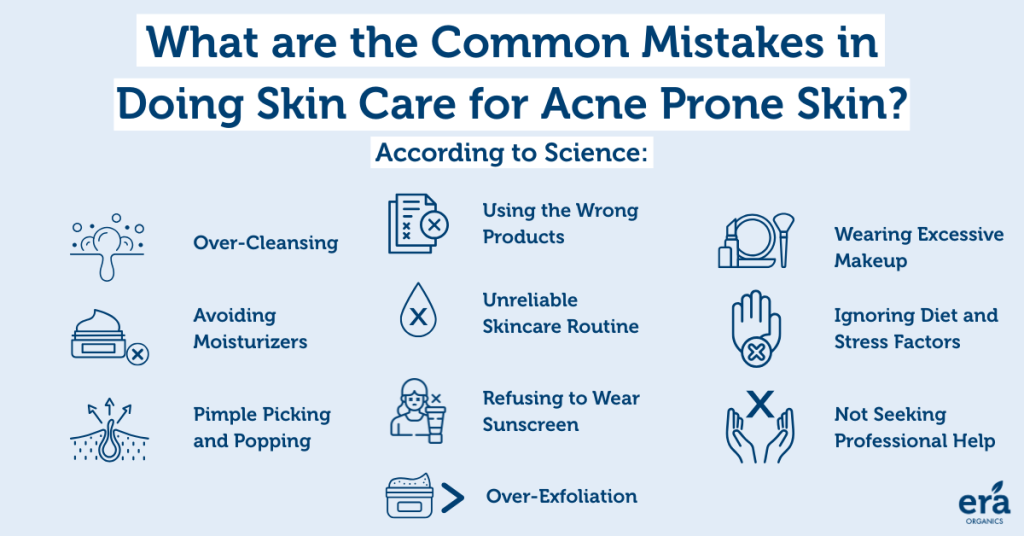
Over-exfoliating
Exfoliating helps remove dead skin cells, but too much can strip your skin’s natural oils and cause irritation. This often leads to more breakouts as your skin tries to compensate for the dryness. If your skin feels tight or looks red after exfoliating, you’re probably overdoing it.
Try limiting exfoliation to 1-2 times a week and opt for gentle chemical exfoliants like salicylic acid rather than harsh physical scrubs. Have you noticed your skin flaring up after frequent scrubbing? That’s a clear sign to slow down.
Skipping Moisturizer
It’s easy to think that oily or acne-prone skin doesn’t need moisturizer. But skipping this step can actually make your skin produce more oil, worsening breakouts. Moisturizer helps balance your skin and protects the skin barrier, which is crucial for healing.
Look for lightweight, non-comedogenic moisturizers with ingredients like hyaluronic acid or glycerin. Does your skin feel dry or tight after cleansing? That’s your cue to add moisture back in.
Using Harsh Products
Strong products might promise quick results, but they often cause more harm than good. Ingredients like high-concentration alcohol or fragrances can irritate sensitive acne-prone skin and trigger inflammation. This can worsen acne instead of clearing it.
Choose products labeled “gentle” or “for sensitive skin” and always patch test new items. Have you ever felt a burning sensation after applying a new product? That’s your skin begging for a gentler approach.

Credit: www.independent.co.uk
When To See A Dermatologist
Knowing the right time to see a dermatologist helps manage acne better. Some acne problems need expert care beyond home treatments. Early professional help can prevent scarring and skin damage.
Persistent Acne
Acne that lasts for months without improvement needs a dermatologist. Over-the-counter products may not work on stubborn acne. Persistent acne can cause scars and affect confidence.
Severe Inflammation
Red, swollen, and painful acne spots require medical attention. Severe inflammation can lead to skin infections or scarring. A dermatologist can reduce swelling and prevent further damage.
Prescription Options
Dermatologists offer stronger treatments than store-bought products. Prescription creams, antibiotics, or hormonal therapy may be needed. These options target acne causes more effectively and safely.
Frequently Asked Questions
What Is The Best Cleanser For Acne Prone Skin?
A gentle, non-comedogenic cleanser with salicylic acid works best. It removes excess oil and unclogs pores without irritation.
How Often Should I Wash Acne Prone Skin?
Wash your face twice daily, morning and night. Over-washing can irritate skin and worsen acne.
Can Moisturizers Help Acne Prone Skin?
Yes, use oil-free, non-comedogenic moisturizers. They hydrate skin without clogging pores or causing breakouts.
Should I Avoid Makeup If I Have Acne?
Not necessarily. Choose non-comedogenic, oil-free makeup products. Always remove makeup thoroughly before sleeping.
Conclusion
A clear skincare routine helps control acne and improves skin health. Cleanse your face gently twice a day to remove dirt and oil. Use products made for acne-prone skin to reduce breakouts. Moisturize daily to keep skin balanced and prevent dryness.
Avoid touching your face to stop bacteria spread. Be patient; skin takes time to heal and change. Consistency matters more than quick fixes. Healthy habits support better skin every day. Stay committed, and you will see gradual improvement soon.
