Are you ready to elevate your skincare game with a powerhouse ingredient? Tretinoin, a vitamin A derivative, is renowned for its ability to transform your skin, tackling everything from acne to signs of aging.
But how do you start using it without overwhelming your skin? That’s where this guide comes in. You’ll discover the secrets to seamlessly incorporating tretinoin into your skincare routine, ensuring you reap its full benefits while minimizing irritation. Curious to know how to unlock the potential of tretinoin for your skin?
Let’s dive into the essentials that could change your skincare routine forever.

Credit: thesummerstudy.com
Benefits Of Tretinoin
Tretinoin offers many benefits for skin health and appearance. It is a powerful ingredient that helps improve skin over time. Many people use tretinoin to address common skin concerns. Its effects are visible with regular use and proper care.
Improving Skin Texture
Tretinoin helps smooth rough and uneven skin. It speeds up skin cell turnover, removing dead cells. This process reveals fresher, softer skin underneath. Over time, skin feels more even and looks brighter.
Reducing Acne And Blemishes
Tretinoin clears clogged pores and reduces breakouts. It prevents new acne from forming by keeping pores clean. It also fades dark spots and blemishes left by pimples. Many users notice clearer and healthier skin after use.
Fighting Signs Of Aging
Tretinoin reduces fine lines and wrinkles. It boosts collagen production, which keeps skin firm. It also improves skin tone and reduces age spots. Regular use helps skin look younger and more vibrant.
Choosing The Right Tretinoin
Choosing the right tretinoin is a key step before adding it to your skincare routine. Not all tretinoin products are the same, and selecting the correct type and strength can make a huge difference in how your skin reacts. Taking time to understand your options helps avoid irritation and ensures you get the best results.
Consulting A Dermatologist
Before you start using tretinoin, talking to a dermatologist is crucial. They can assess your skin type, concerns, and medical history to recommend the best tretinoin option for you.
A dermatologist can help set realistic expectations about how tretinoin will work on your skin. They also guide you on how to use it safely and effectively to minimize side effects like dryness or redness.
Have you ever tried a skincare product without professional advice and ended up frustrated? Getting expert guidance can save you from that experience.
Different Strengths And Formulations
Tretinoin comes in various strengths, usually ranging from 0.01% to 0.1%. Starting with a lower strength can help your skin adjust and reduce irritation risks.
The formulation matters too—tretinoin is available as creams, gels, and microsphere gels. Creams tend to be more moisturizing, which might suit dry or sensitive skin better.
Gels often feel lighter and absorb quickly, making them a good choice if you have oily skin. Microsphere gels release tretinoin slowly, offering a gentler effect that some people prefer.
Think about your skin’s needs and tolerance. Would a hydrating cream or a lightweight gel fit better into your daily routine?
Preparing Your Skin
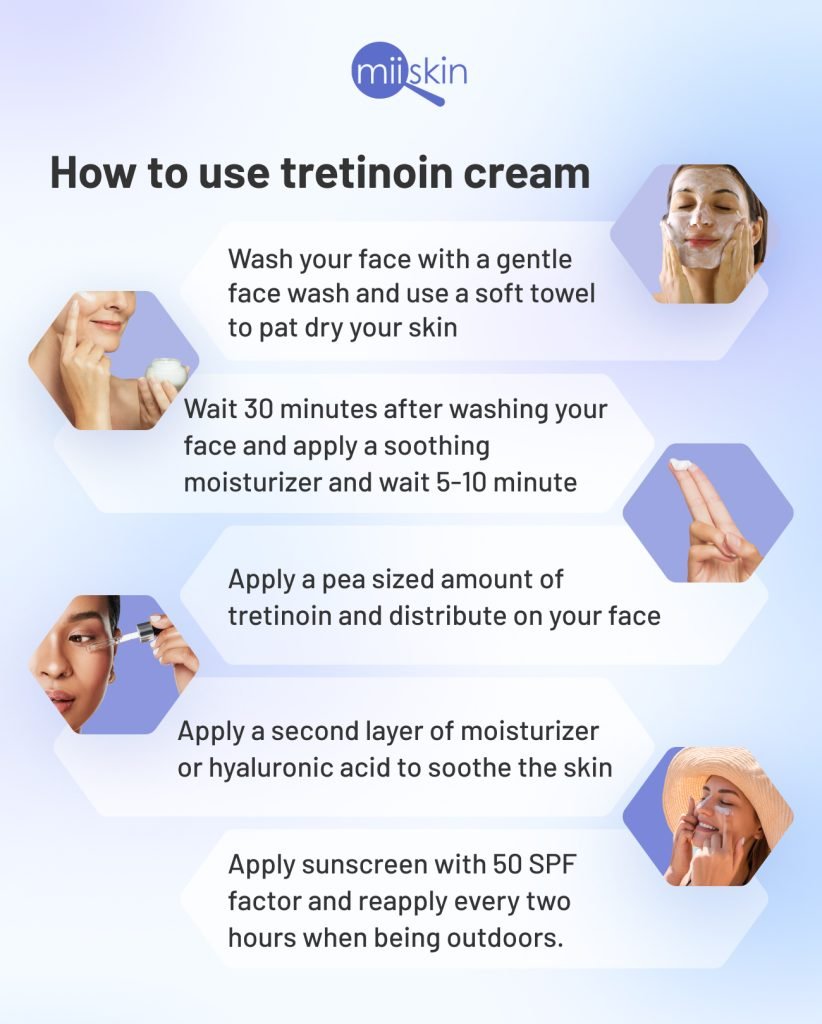
Preparing your skin before applying tretinoin sets the stage for better results. Clean, well-moisturized skin helps reduce irritation and allows tretinoin to work effectively. Taking a few simple steps can make your skincare routine smoother and more comfortable.
Cleansing Techniques
Start with a gentle cleanser that suits your skin type. Avoid harsh soaps or scrubs that can dry out your skin. Use lukewarm water to rinse your face. Hot water may increase dryness and sensitivity. Pat your skin dry with a soft towel instead of rubbing. This helps maintain the skin’s natural moisture barrier.
Moisturizing Before Application
Apply a light moisturizer after cleansing and before tretinoin. This creates a protective layer that reduces irritation. Choose a moisturizer without fragrances or strong ingredients. Let the moisturizer absorb fully for about 10-15 minutes. This step softens your skin and prepares it for tretinoin absorption.

Credit: www.reddit.com
Starting Slowly
Introducing tretinoin to your skincare routine requires patience and care. Starting slowly helps your skin adjust without overwhelming it. This approach reduces irritation and makes the process more comfortable for you.
Frequency Of Use
Begin by using tretinoin just two or three times a week. This gives your skin time to build tolerance. After two to four weeks, you can gradually increase the frequency to every other night.
If your skin handles it well, move to nightly use. But if irritation appears, step back to less frequent application. Remember, consistency matters more than speed.
Signs Of Adjustment Period
During the first few weeks, you might notice redness, dryness, or mild peeling. These are normal signs that your skin is responding to tretinoin. However, if you experience severe burning, swelling, or pain, it’s a signal to pause and consult a dermatologist.
Pay attention to how your skin feels each day. Are you experiencing tightness or flaking? These signs indicate your skin is adjusting, and moisturizing well can help ease discomfort.
Applying Tretinoin Correctly
Applying tretinoin correctly is key to seeing good results and avoiding irritation. This medicine is strong and needs careful use. Following the right steps helps your skin adjust and stay healthy.
Amount To Use
Use only a pea-sized amount for your entire face. More than this can cause dryness and redness. Dab small dots on your forehead, cheeks, nose, and chin. Then gently spread it evenly. Avoid rubbing too hard to protect your skin.
Avoiding Sensitive Areas
Keep tretinoin away from your eyes, lips, and nostrils. These areas have thin, delicate skin that can get irritated easily. Also, avoid applying it on open cuts or sunburned skin. This prevents burning and discomfort during use.
Managing Side Effects
Using tretinoin can be a game-changer for your skin, but it often comes with some side effects that might throw you off. Managing these effects well can make your skincare journey smoother and more effective. Let’s look at practical ways to handle common issues like dryness and peeling, and when it might be time to ask a healthcare professional for help.
Dealing With Dryness And Peeling
Dryness and peeling are common when you start tretinoin, but they don’t have to take over your routine. You can soothe your skin by adding a gentle, fragrance-free moisturizer right after applying tretinoin. This helps lock in moisture without interfering with tretinoin’s action.
Try using a moisturizer with ingredients like ceramides or hyaluronic acid. These components support your skin’s barrier and reduce irritation. Also, avoid harsh cleansers or scrubs that can worsen dryness.
Is your skin flaking more than expected? Cut back on how often you apply tretinoin. Using it every other night instead of daily can give your skin time to adjust. Remember, patience is key—your skin needs time to build tolerance.
When To Seek Medical Advice
Some side effects mean it’s time to see a doctor. If you experience severe redness, swelling, or painful burning, don’t wait to get professional advice. These signs could indicate an allergic reaction or that tretinoin isn’t right for your skin type.
Also, if your skin starts blistering or develops open sores, stop using tretinoin immediately. Persistent peeling that doesn’t improve after a few weeks is another red flag. Your healthcare provider can help adjust your treatment plan or recommend alternatives.
Have you noticed any unusual changes while using tretinoin? Keeping a simple journal of your skin’s reactions can help you and your doctor make better decisions. What works for one person might not work for you, so personalized care is crucial.
Complementary Skincare Products
Complementary skincare products help support tretinoin’s effects. They protect and soothe the skin during treatment. Choosing the right products reduces irritation and dryness. This creates a balanced routine that enhances results.
Choosing Gentle Cleansers
Select cleansers that are mild and fragrance-free. Avoid harsh scrubs or strong exfoliants. Look for hydrating formulas that maintain the skin’s moisture barrier. Cleanse with lukewarm water to prevent dryness. This keeps skin calm and ready for tretinoin.
Using Sunscreen Daily
Sunscreen is essential when using tretinoin. It protects skin from harmful UV rays. Choose broad-spectrum SPF 30 or higher. Apply it every morning, even on cloudy days. Reapply sunscreen every two hours if outside. This prevents sunburn and pigmentation issues.
Credit: www.lemon8-app.com
Long-term Skincare Tips
Using tretinoin is a powerful step toward healthier skin, but it requires patience and care over time. Your skin will change as you age and as seasons shift, so your routine should adapt too. Staying mindful of these long-term tips helps you get the most benefits without causing irritation or setbacks.
Maintaining Consistency
Consistency is the secret weapon in any tretinoin routine. Apply it regularly as prescribed, even if your skin feels fine. Skipping days or stopping suddenly can slow down progress and cause flare-ups.
Set a simple schedule you can stick to—most people find applying tretinoin at night works best. Combine it with gentle cleansers and moisturizers to reduce dryness. Have you noticed how your skin reacts when you miss a dose? That’s a sign to stay committed.
Adjusting Routine With Skin Changes
Your skin’s needs evolve over time, especially with tretinoin in the mix. If you experience more redness, peeling, or sensitivity, it’s time to tweak your routine rather than quit. For example, try using tretinoin every other night or adding a richer moisturizer.
Seasonal shifts can also affect your skin’s tolerance. In winter, dryness may increase, so layering hydration helps. In summer, don’t forget broad-spectrum sunscreen to protect your skin from UV damage intensified by tretinoin.
Ask yourself: Are you listening to your skin’s signals? Adjusting your approach shows respect for your skin’s rhythm and ensures long-term success.
Frequently Asked Questions
How Often Should I Apply Tretinoin In My Routine?
Start by applying tretinoin 2-3 times a week at night. Gradually increase frequency as your skin builds tolerance. Always follow with moisturizer to prevent dryness and irritation.
Can I Use Moisturizer With Tretinoin?
Yes, moisturizing is essential when using tretinoin. Apply moisturizer after tretinoin to soothe skin and reduce peeling or redness. Use a gentle, non-comedogenic moisturizer for best results.
When Is The Best Time To Apply Tretinoin?
Apply tretinoin at night on clean, dry skin. Avoid applying it in the morning to prevent sun sensitivity. Always use sunscreen during the day after tretinoin use.
Can I Combine Tretinoin With Other Skincare Products?
Avoid using strong exfoliants or products with acids alongside tretinoin. Use gentle cleansers and hydrating products to minimize irritation. Consult a dermatologist for personalized advice.
Conclusion
Tretinoin can improve your skin with careful use. Start slow and watch how your skin reacts. Use moisturizer to avoid dryness and irritation. Always apply sunscreen during the day for protection. Consistency helps you see results over time. Be patient; good skin takes time to show.
Follow these steps to safely add tretinoin to your routine. Your skin will thank you for the care. Keep it simple and steady for the best effect.
