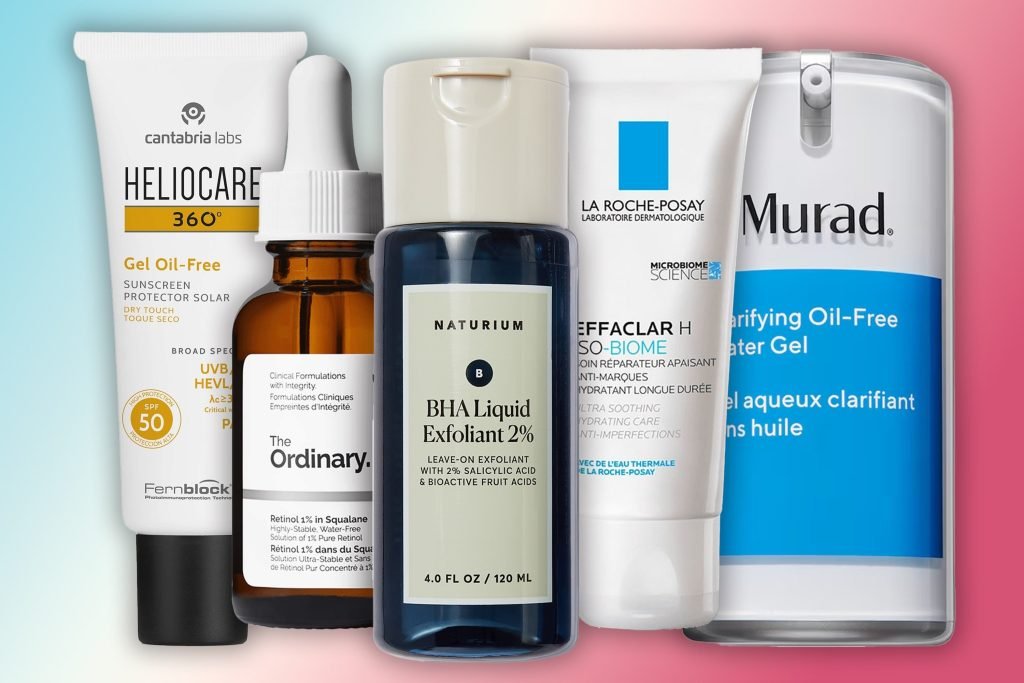
Are you tired of dealing with the dual challenges of dry and acne-prone skin? You’re not alone.
Finding the right skincare routine can feel like trying to solve a tricky puzzle, especially when your skin seems to have conflicting needs. On one hand, you need hydration to combat dryness, and on the other, you need to tackle those persistent breakouts.
It can be frustrating, but imagine having a clear, glowing complexion without the constant battle. You’ll discover an effective skincare routine tailored just for you. We’ll delve into products and techniques that nourish your skin without aggravating acne. Say goodbye to the guesswork and hello to a routine that works harmoniously with your skin. Ready to transform your skincare game? Let’s dive in and unlock the secrets to achieving the balanced, healthy skin you deserve.
Causes Of Dry Acne Prone Skin
Dry acne-prone skin occurs when the skin lacks moisture but still experiences breakouts. This condition can be confusing and frustrating to manage. Understanding the causes helps in choosing the right skincare routine. Several factors contribute to this skin type, from internal issues to external triggers.
How Dryness Affects Acne
Dry skin can worsen acne in many ways. When skin is dry, it produces less oil. This can cause the skin to become tight and flaky. The skin may then create more oil to balance the dryness. This extra oil can clog pores and cause pimples.
Dryness also weakens the skin’s barrier. This makes it easier for bacteria to enter and cause inflammation. Dry skin may become irritated from harsh acne treatments, leading to redness and peeling. These effects can make acne worse.
Common Triggers
- Using strong soaps or cleansers that strip natural oils
- Over-washing the face, which removes moisture
- Applying acne treatments that dry the skin too much
- Cold weather that reduces skin hydration
- Dehydration from not drinking enough water
- Stress that can increase oil production and dryness
Role Of Environment And Diet
The environment plays a big role in dry acne-prone skin. Cold and windy weather can dry out the skin. Indoor heating also reduces moisture levels. Pollution can clog pores and irritate skin.
Diet affects skin health as well. Eating too much sugar or processed foods may trigger breakouts. Lack of healthy fats can cause dryness. Drinking little water reduces skin hydration. A balanced diet supports clear, hydrated skin.
Choosing The Right Cleanser
Choosing the right cleanser is a crucial step in managing dry, acne-prone skin. The cleanser you pick can either soothe and balance your skin or strip it of essential moisture, causing more irritation and breakouts. Finding a product that cleans deeply yet gently is key to maintaining clear, hydrated skin.
Gentle Cleansers For Dry Skin
Look for cleansers labeled as “hydrating” or “gentle.” These often contain moisturizing ingredients like glycerin, hyaluronic acid, or ceramides that help maintain your skin’s natural barrier. Foam-free or cream-based cleansers are excellent choices because they clean without leaving your skin feeling tight or flaky.
Personally, switching to a cream cleanser transformed my skin. It removed impurities without drying me out, and my acne improved because my skin wasn’t stressed. Could your current cleanser be making your dryness and acne worse?
Ingredients To Avoid
Avoid cleansers with harsh sulfates such as sodium lauryl sulfate, which can strip away natural oils and worsen dryness. Alcohol-based products and strong fragrances can also irritate sensitive skin and trigger acne flare-ups. Instead, choose products free from these irritants to protect and calm your skin.
- Sodium Lauryl Sulfate (SLS)
- Alcohol (denatured, isopropyl)
- Artificial fragrances and dyes
- Strong exfoliants like walnut shell powder
Cleansing Frequency
How often you cleanse matters just as much as the product you use. Washing your face twice a day—morning and night—is usually enough to remove dirt and excess oil without over-drying. Over-cleansing can strip your skin’s moisture barrier, leading to more breakouts and irritation.
If your skin feels tight or flaky after cleansing, consider cutting back or switching to a gentler option. Have you noticed your skin reacting after washing more than twice daily?
Moisturizers That Heal And Protect
Moisturizers play a key role in healing and protecting dry, acne-prone skin. They restore lost moisture while calming irritation. The right moisturizer supports skin repair without clogging pores. Choosing formulas that balance hydration and protection helps prevent breakouts and dryness. Understanding different ingredients and product types helps find the best match for your skin.
Hydrating Ingredients To Look For
Seek moisturizers with gentle, nourishing ingredients. These improve moisture and soothe skin:
- Hyaluronic Acid: Holds water to plump and hydrate skin.
- Glycerin: Draws moisture into the skin’s surface.
- Ceramides: Strengthen the skin barrier and lock in hydration.
- Aloe Vera: Calms redness and irritation.
- Panthenol (Vitamin B5): Supports skin healing and softness.
Non-comedogenic Formulas
Non-comedogenic means the product won’t block pores. This is vital for acne-prone skin. Choose lightweight creams or gels that absorb quickly. Avoid heavy oils and thick creams that can trap dirt and bacteria. Look for labels stating “non-comedogenic” or “won’t clog pores.” This reduces the chance of new breakouts.
Day Vs Night Moisturizers
Day moisturizers protect skin from daily stress. They often include SPF to shield from sun damage. These formulas tend to be lighter and absorb fast. Night moisturizers are richer to support repair while you sleep. They may contain antioxidants and nourishing oils. Use a gentle day cream in the morning and a healing one at night for best results.

Credit: www.clinikally.com
Targeted Treatments For Acne
Targeted treatments for acne focus on reducing breakouts without drying out the skin. Dry, acne-prone skin needs gentle care that fights acne while keeping moisture intact. Effective treatments work on blemishes and prevent new ones. Choosing the right products and methods helps balance skin health and clarity.
Safe Acne-fighting Ingredients
Look for ingredients that clear acne gently. These include:
- Salicylic acid – unclogs pores and reduces inflammation
- Benzoyl peroxide – kills acne-causing bacteria
- Azelaic acid – soothes redness and fades dark spots
- Niacinamide – calms irritation and strengthens skin barrier
These ingredients treat acne without stripping moisture. Avoid harsh chemicals that worsen dryness.
Balancing Acne Treatment With Moisture
Acne treatments can dry out the skin if used alone. Pair them with hydrating products to prevent tightness. Use moisturizers with ceramides, hyaluronic acid, or glycerin. These ingredients lock in water and repair the skin barrier. Apply moisturizer after acne treatments to keep skin soft and healthy.
Spot Treatments Vs All-over Application
Spot treatments target individual pimples. Use them on active breakouts only. All-over application treats the entire face. It prevents new acne from forming. For dry skin, spot treatments reduce irritation risk. All-over use requires gentle formulas to avoid dryness. Choose based on your skin’s needs and sensitivity.
Exfoliation Tips For Sensitive Skin
Exfoliation helps remove dead skin cells and unclog pores. For dry, acne-prone skin, it must be gentle. Harsh exfoliation can cause irritation and worsen acne. Choosing the right exfoliation method protects sensitive skin while improving texture.
Types Of Exfoliants
Physical exfoliants use small grains or beads to scrub away dead skin. They can be too rough for sensitive skin.
Chemical exfoliants use acids to dissolve dead skin cells. They are usually gentler and more effective for dry, acne-prone skin.
- Alpha Hydroxy Acids (AHAs) like lactic acid hydrate and exfoliate.
- Beta Hydroxy Acids (BHAs) like salicylic acid penetrate pores to clear acne.
- Enzymatic exfoliants use natural enzymes from fruits to softly exfoliate.
How Often To Exfoliate
Exfoliate only 1-2 times a week to avoid overdoing it. Over-exfoliation can dry out skin and cause redness.
Observe how your skin reacts. Adjust frequency based on sensitivity and dryness.
Avoiding Irritation
Use exfoliants designed for sensitive skin. Avoid products with rough particles or strong fragrances.
Apply exfoliant gently with fingertips. Do not rub hard or use harsh washcloths.
Always follow exfoliation with a moisturizer to soothe and protect skin.

Credit: www.colorescience.com
Sun Protection Essentials
Sun protection is a crucial part of caring for dry, acne-prone skin. It shields your skin from harmful UV rays that can worsen acne and cause dryness. Choosing the right sunscreen helps prevent irritation and keeps your skin healthy.
Choosing Sunscreens For Dry Acne Skin
Select sunscreens that hydrate without clogging pores. Look for labels saying “non-comedogenic” and “fragrance-free.”
Ingredients like hyaluronic acid and glycerin add moisture. Avoid heavy oils and alcohol, which can dry or irritate skin further.
Physical Vs Chemical Sunscreens
Physical sunscreens use minerals like zinc oxide or titanium dioxide. They sit on the skin and reflect UV rays. They often cause less irritation.
Chemical sunscreens absorb UV rays and convert them to heat. Some formulas may irritate sensitive, dry skin. Test first on a small area.
Incorporating Spf Into Your Routine
Apply sunscreen as the final step of your morning skincare. Use about a teaspoon for your face and neck.
Reapply every two hours if outdoors. For daily indoor use, one application is enough.
Combine sunscreen with moisturizers designed for dry, acne-prone skin to boost hydration and protection.
Lifestyle Habits For Glowing Skin
Achieving glowing skin goes beyond the products you apply. Your daily habits play a huge role in how your skin looks and feels, especially when managing dry, acne-prone skin. Paying attention to your lifestyle can help your skin stay balanced, hydrated, and clear without adding extra irritation.
Hydration And Diet
Drinking enough water is a simple but powerful habit. Staying hydrated helps your skin maintain moisture and supports its natural barrier. Aim to drink at least 8 glasses of water daily to keep dryness at bay.
What you eat matters just as much as what you drink. Foods rich in omega-3 fatty acids, like salmon and walnuts, can reduce inflammation and improve skin texture. Adding plenty of fruits and vegetables provides antioxidants that protect your skin from damage.
Try to limit sugary snacks and processed foods. These can trigger acne flare-ups and worsen dryness. Have you noticed how your skin reacts after eating certain foods? Paying attention can guide you to better choices.
Stress Management
Stress affects your skin more than you might realize. It can cause breakouts and make dry skin feel even more uncomfortable. Finding ways to relax is not just good for your mind, but vital for your skin’s health.
Simple activities like deep breathing, yoga, or a short walk can lower stress levels quickly. Even taking a few minutes each day to pause and breathe deeply can make a difference. What small change can you add to your routine to help reduce stress?
Sleep And Skin Health
Quality sleep is a game-changer for your skin. During deep sleep, your body repairs damaged skin cells and restores moisture. Skimping on sleep can leave your skin dull and more prone to acne.
Try to get 7–9 hours of uninterrupted sleep each night. Create a calming bedtime routine to help you wind down, like reading or listening to soft music. Have you noticed how your skin looks after a good night’s rest compared to a sleepless night?
Common Mistakes To Avoid
Dry acne-prone skin needs gentle care. Avoiding common mistakes helps protect your skin’s health. Wrong habits can worsen dryness and acne. Understanding what to avoid improves your skincare routine. Here are key errors to watch out for.
Over-cleansing And Over-exfoliating
Cleaning your face too often strips natural oils. This leads to more dryness and irritation. Over-exfoliating removes protective skin layers. It can cause redness and breakouts. Limit cleansing to twice a day. Use gentle exfoliants only once or twice a week.
Using Harsh Products
Strong soaps and alcohol-based toners harm dry acne skin. They increase dryness and cause discomfort. Avoid products with high fragrance or harsh chemicals. Choose moisturizers and cleansers made for sensitive skin. Mild formulas soothe and protect your face.
Ignoring Patch Testing
New products might cause allergic reactions or breakouts. Always test on a small skin area first. Watch for redness, itching, or bumps for 24 hours. Patch testing prevents unexpected skin problems. It helps find safe products for your routine.
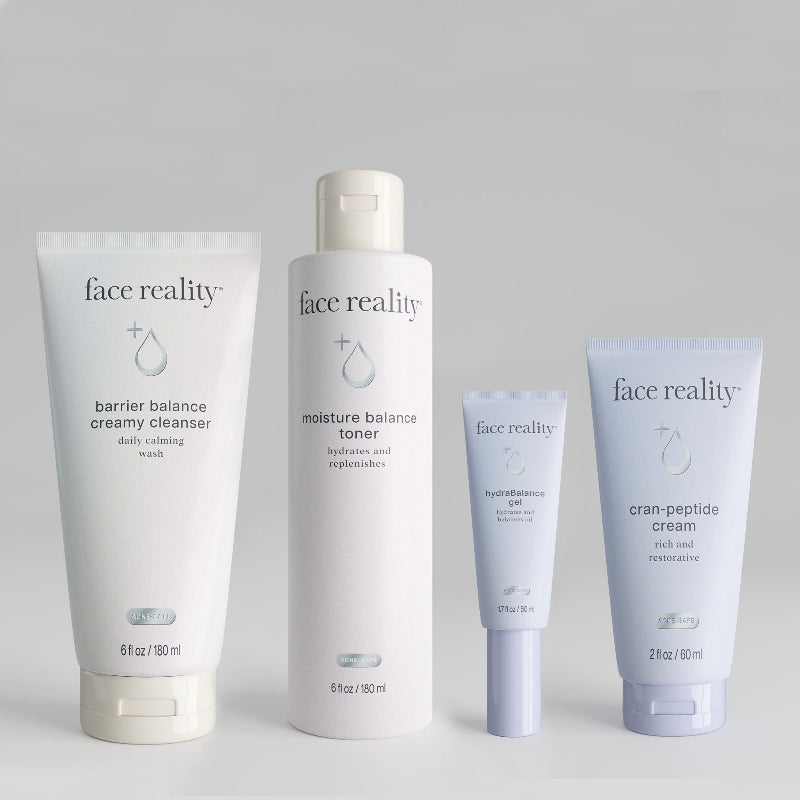
Credit: facerealityskincare.com
Frequently Asked Questions
What Is The Best Cleanser For Dry Acne-prone Skin?
A gentle, hydrating cleanser with no harsh chemicals is best. Look for ingredients like glycerin and ceramides to maintain moisture and reduce irritation while cleansing acne-prone skin effectively.
How Often Should I Moisturize Dry Acne-prone Skin?
Moisturize twice daily, in the morning and before bed. Use a non-comedogenic, lightweight moisturizer to keep skin hydrated without clogging pores or worsening acne.
Can I Use Exfoliants On Dry, Acne-prone Skin?
Yes, but choose mild exfoliants like lactic acid. Limit use to 1-2 times weekly to avoid irritation and excessive dryness, helping clear dead skin and prevent breakouts.
Which Ingredients Help Both Dryness And Acne?
Look for hyaluronic acid, niacinamide, and salicylic acid. These ingredients hydrate, reduce inflammation, and unclog pores without stripping moisture from your skin.
Conclusion
A good skincare routine helps dry, acne-prone skin stay healthy. Use gentle cleansers and light moisturizers daily. Keep skin hydrated but avoid heavy products that clog pores. Treat acne with mild, non-drying ingredients. Consistency matters most for clear, smooth skin.
Give your skin time to improve. Small changes bring big results. Stay patient and kind to your skin. Healthy skin feels good and looks better every day.
