Are you ready to transform your skincare routine with the power of retinol? If you’re looking to achieve smoother, brighter, and younger-looking skin, incorporating retinol into your regimen might be the game-changer you’ve been searching for.
Imagine waking up to skin that feels rejuvenated and looks radiant. Sounds enticing, right? But before you dive in, it’s crucial to know how to use retinol properly to avoid irritation and maximize its benefits. In this guide, we’ll walk you through everything you need to know to make retinol work wonders for your skin.
So, are you ready to unlock the secrets to a flawless complexion? Let’s dive into the world of retinol together!
Benefits Of Retinol
Retinol is a powerful ingredient in skincare. It offers many benefits for healthy and youthful skin. Using retinol regularly can improve skin appearance in several ways. It targets multiple skin concerns effectively.
Boosting Collagen Production
Retinol helps increase collagen in the skin. Collagen keeps skin firm and elastic. As we age, collagen naturally decreases. Retinol supports new collagen growth. This makes skin look plumper and stronger.
Reducing Fine Lines And Wrinkles
Fine lines and wrinkles appear with age and sun damage. Retinol smooths these lines by speeding cell renewal. It helps fade wrinkles and prevents new ones. Skin looks smoother and younger over time.
Improving Skin Texture
Retinol improves rough and uneven skin texture. It promotes faster shedding of old skin cells. This reveals fresh and soft skin beneath. Skin feels smoother and looks more radiant.
Fading Dark Spots And Hyperpigmentation
Dark spots form from sun exposure and aging. Retinol helps lighten these spots by regulating pigment production. It evens out skin tone and reduces discoloration. Skin appears brighter and clearer.
Choosing The Right Retinol
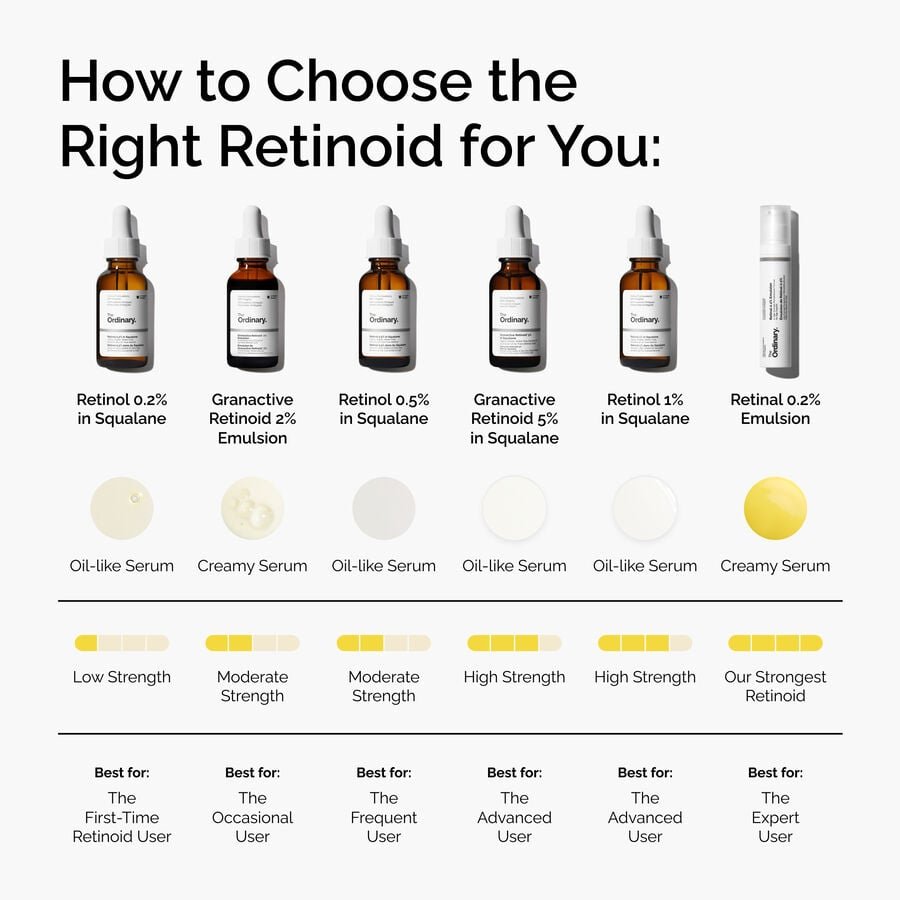
Choosing the right retinol is key to a successful skincare routine. Retinol comes in various strengths and forms. Picking the right type depends on your skin needs and sensitivity. Using the correct retinol can improve skin texture, reduce wrinkles, and clear acne without irritation.
Different Retinol Strengths
Retinol products vary from low to high strength. Low strength is good for beginners or sensitive skin. Medium strength suits those with some retinol experience. High strength is for advanced users or severe skin concerns.
- Low strength: 0.1% to 0.3% retinol
- Medium strength: 0.3% to 0.5% retinol
- High strength: 0.5% to 1% retinol
Start with low strength to avoid redness or peeling. Gradually increase strength as your skin adapts.
Retinol Vs Retinoids
Retinol is a form of vitamin A found in many skincare products. Retinoids include retinol and stronger prescription options. Retinoids work faster but may cause more irritation. Retinol is milder and available over the counter. Choose based on how your skin reacts and the results you want.
Selecting Based On Skin Type
Different skin types need different retinol types. Dry skin benefits from lower strength retinol with moisturizers. Oily skin can handle medium to high strength retinol to control oil and acne. Sensitive skin needs gentle retinol or retinoids with calming ingredients.
- Dry skin: low strength, hydrating formulas
- Oily skin: medium to high strength, oil-control
- Sensitive skin: low strength, soothing ingredients
Test retinol on a small skin area before full use. Watch for irritation and adjust your choice accordingly.
Preparing Your Skin
Getting your skin ready before applying retinol can make a big difference in how well your skin reacts. Preparation is key to avoid irritation and to help retinol work effectively. Let’s look at some practical ways to prepare your skin so you can enjoy the benefits without the discomfort.
Cleansing Techniques
Start with a gentle cleanser that won’t strip your skin’s natural oils. Avoid harsh scrubs or strong foaming cleansers, as they can leave your skin dry and sensitive.
Use lukewarm water to rinse your face; hot water can irritate your skin, making retinol use uncomfortable. Pat your face dry with a soft towel instead of rubbing.
Have you noticed how your skin feels right after cleansing? That’s the perfect moment to apply retinol, but only if your skin feels calm and not tight or irritated.
Exfoliation Tips
Exfoliation removes dead skin cells and allows retinol to penetrate better, but too much can cause redness and peeling. Limit exfoliation to 1-2 times a week if you’re new to retinol.
Choose gentle exfoliants like a mild chemical exfoliator with lactic acid instead of rough physical scrubs. This reduces the risk of microtears and irritation.
Ask yourself: Is your skin sensitive or prone to redness? If yes, skip exfoliating on days you use retinol to give your skin a break.
Hydration Importance
Hydrating your skin before retinol application helps create a barrier that reduces irritation. Use a lightweight moisturizer with ingredients like hyaluronic acid to keep your skin plump and calm.
Don’t forget to hydrate both before and after applying retinol. This can make your retinol routine more comfortable and effective.
Have you tried layering a moisturizer under your retinol? Many find this simple step helps them tolerate retinol better and keeps their skin balanced throughout the day.
Building A Retinol Routine
Building a retinol routine takes patience and care. Retinol is powerful and can irritate skin if used incorrectly. A slow, steady start helps skin adjust. Knowing how often to apply retinol and how to combine it with other products is key. This guide explains how to create a safe, effective retinol routine.
Starting Slowly
Begin with a low concentration of retinol. Use it only once or twice a week at first. This allows your skin to get used to retinol’s effects. Watch for any redness, dryness, or peeling. If your skin reacts well, increase use gradually. This gentle approach reduces the chance of irritation.
Frequency Guidelines
- Start with 1-2 nights per week.
- Increase to every other night after two weeks.
- Use nightly only if skin tolerates well.
- Always apply retinol at night, never in the morning.
Follow these frequency tips to avoid overuse. Too much retinol can harm your skin barrier.
Layering Products Safely
Apply retinol on clean, dry skin. Avoid using strong acids or exfoliants on the same nights. Moisturizers help reduce dryness and irritation. Use gentle, hydrating products alongside retinol. Sunscreen is a must during the day to protect sensitive skin. Layer products in this order:
- Cleanser
- Retinol
- Moisturizer
- Sunscreen (morning)
Managing Side Effects
Retinol is a powerful ingredient, but it can bring some side effects that might make your skin feel uncomfortable. Managing these effects helps you enjoy the benefits without the hassle. Knowing how to handle dryness, irritation, and when to change your routine can make a huge difference in your skincare journey.
Handling Dryness And Peeling
Dryness and peeling are common when starting retinol. Your skin is adjusting to the increased cell turnover, which can leave it feeling flaky and tight.
Try using a gentle, hydrating moisturizer right after applying retinol. Look for ingredients like hyaluronic acid or ceramides that lock in moisture without clogging pores.
If peeling becomes severe, reduce how often you apply retinol. You might find that using it every other night or even twice a week gives your skin time to heal.
Minimizing Irritation
Irritation can make you want to quit retinol, but there are ways to calm your skin. Avoid using other strong active ingredients like AHAs or BHAs on the same days you use retinol.
Applying retinol on dry skin instead of damp skin can lessen irritation. Also, wait 20-30 minutes after cleansing before putting on retinol to reduce sensitivity.
Consider buffering retinol by mixing it with your moisturizer. This approach slows down retinol’s penetration and eases the initial sting.
When To Adjust Usage
Listen to your skin. If redness, burning, or dryness lasts more than a few days, it’s time to rethink your routine.
Gradually build tolerance by starting with a low concentration of retinol. Increasing frequency or strength too quickly often causes setbacks.
Ask yourself: Is my skin improving or just struggling? If you see no progress after several weeks or your skin worsens, pause retinol and consult a dermatologist.
Credit: www.lemon8-app.com
Complementary Skincare Products
Retinol is a powerful ingredient for skin health but needs support from other products. Complementary skincare products help boost retinol’s benefits and reduce irritation. Choosing the right items ensures your skin stays balanced and protected.
Moisturizers That Work Well
Moisturizers calm and hydrate skin after retinol use. Look for gentle, fragrance-free formulas. Ingredients like hyaluronic acid and ceramides restore moisture and repair the skin barrier. They help reduce dryness and flaking caused by retinol.
- Hyaluronic acid locks in water for soft skin
- Ceramides strengthen the skin’s natural barrier
- Glycerin attracts moisture without irritation
- Avoid heavy oils that may clog pores
Sunscreens And Sun Protection
Retinol makes skin more sensitive to sunlight. Daily sun protection is essential. Choose broad-spectrum sunscreens with SPF 30 or higher. Physical blockers like zinc oxide or titanium dioxide offer gentle, effective defense.
- Apply sunscreen every morning, even on cloudy days
- Reapply sunscreen every two hours if outdoors
- Wear hats and protective clothing for extra care
- Avoid direct sun exposure during peak hours
Avoiding Conflicting Ingredients
Some ingredients clash with retinol and cause irritation. Skip products with strong acids like AHAs and BHAs on retinol nights. Avoid vitamin C and benzoyl peroxide in the same routine. Use gentle cleansers and simple formulas instead.
- Do not mix retinol with exfoliating acids
- Separate vitamin C and retinol by time of day
- Choose mild, non-foaming cleansers
- Introduce retinol slowly to gauge skin response
Retinol For Different Skin Types
Retinol is a popular ingredient in skincare for its ability to improve skin texture and tone. Different skin types react differently to retinol. Adjusting your routine based on your skin type helps get the best results. Understanding the needs of sensitive, oily, and dry skin can guide proper retinol use.
Sensitive Skin Tips
Sensitive skin reacts easily to strong products like retinol. Start with a low concentration to reduce irritation. Use retinol only twice a week at first. Apply a gentle moisturizer before and after retinol. Avoid using other active ingredients at the same time. If redness or peeling occurs, pause use for a few days. Always apply sunscreen during the day to protect sensitive skin.
Oily And Acne-prone Skin
Retinol helps reduce oil and clear acne. Choose a retinol product that is oil-free and non-comedogenic. Use retinol every other night to prevent dryness. Cleanse your face thoroughly before applying retinol. Follow up with a light, oil-free moisturizer. Avoid heavy creams that can clog pores. Patience is key as retinol may cause initial breakouts before improvement.
Dry And Mature Skin
Dry and mature skin needs extra hydration with retinol use. Opt for a gentle retinol formula with added moisturizers. Apply a rich moisturizer right after retinol to lock in moisture. Use retinol every two to three nights to avoid over-drying. Consider layering with hydrating serums for better results. Regular use can reduce fine lines and improve skin firmness. Protect skin daily with a nourishing sunscreen.
Credit: www.lemon8-app.com
Common Myths About Retinol
Retinol is a popular ingredient in skincare but surrounded by many myths. These false ideas can confuse users and stop them from enjoying its benefits. Understanding the truth helps you use retinol safely and effectively. Let’s clear up some common myths about retinol to guide your skincare routine.
Instant Results Expectations
Many expect retinol to work immediately. This is not true. Retinol takes time to show results. Skin cell turnover and collagen production need weeks or months. Patience is key to see smoother and clearer skin. Using retinol daily but gently brings the best outcome.
Retinol And Sun Sensitivity
Some think retinol makes skin extremely sensitive to the sun. Retinol can increase skin’s sensitivity but not dangerously so. Using sunscreen daily protects your skin. Avoiding direct sunlight after applying retinol is wise. This helps prevent irritation and sunburn while using retinol products.
Usage During Pregnancy
Many believe retinol is safe during pregnancy. It is not recommended for pregnant women. Retinoids can harm the baby and cause birth defects. Doctors suggest avoiding retinol and similar ingredients during pregnancy. Opt for safer skincare alternatives until after childbirth.
Tracking Your Progress
Tracking your progress with a retinol skincare routine is essential to understand how your skin responds and to avoid frustration. Changes can be subtle and gradual, so keeping an eye on your skin’s reaction helps you stay motivated and make better decisions. Are you noticing improvements or new issues? Monitoring lets you answer that question clearly.
Setting Realistic Goals
Before you start, decide what you want to achieve with retinol. Are you targeting fine lines, acne, or uneven texture? Setting clear, realistic goals helps you stay focused and measure success.
Expect gradual changes—retinol doesn’t work overnight. Aiming for noticeable improvement in 4 to 6 weeks is reasonable. This timeframe keeps your expectations grounded and your routine sustainable.
Documenting Changes
Keep a simple journal or use a photo app to record your skin’s condition weekly. Take pictures in the same lighting and at the same time to spot real differences. Note any side effects like dryness or redness alongside improvements.
- Write down new products or adjustments
- Track changes in texture, tone, and breakouts
- Include how your skin feels day-to-day
This documentation becomes your personal guide, showing what works and what doesn’t.
Adjusting Routine Over Time
Skin changes, so your retinol routine should too. If irritation appears, reduce frequency or add more moisturizer. If results plateau, consider increasing retinol strength carefully.
Don’t hesitate to tweak your routine based on your notes. How does your skin react to adjustments? Listening to your skin’s feedback ensures progress without harm.

Credit: theformularx.com
Frequently Asked Questions
How Often Should I Use Retinol In My Skincare Routine?
Start using retinol 2-3 times a week. Gradually increase frequency based on skin tolerance. Avoid daily use initially to prevent irritation.
What Products Should I Avoid With Retinol?
Avoid using exfoliants, vitamin C, and benzoyl peroxide with retinol. These can increase irritation and dryness. Use gentle, hydrating products instead.
Can I Use Retinol At Night Only?
Yes, retinol is best applied at night. It can make skin sensitive to sunlight. Always apply sunscreen during the day after retinol use.
How Do I Prevent Dryness From Retinol Use?
Use a moisturizer after applying retinol to lock in hydration. Start with a lower concentration and increase gradually. Avoid harsh cleansers that strip moisture.
Conclusion
Retinol can improve your skin with regular care. Start slowly and watch how your skin reacts. Use gentle cleansers and moisturizers to protect your skin. Always apply sunscreen to avoid damage. Remember, patience is key for visible results. Stick to your routine and stay consistent.
Healthy skin needs time to show changes. Keep your routine simple and safe. Your skin will thank you in the long run.
