Unlocking the secret to radiant and youthful skin often feels like an endless quest, doesn’t it? With countless products flooding the market, finding the right skincare routine can be overwhelming.
But what if you could simplify it with a powerful ingredient that’s stood the test of time? Enter tretinoin—a game-changer in the world of skincare. Imagine waking up to smoother, clearer, and more vibrant skin every day. Intrigued? You should be.
In this post, we’ll dive into how incorporating tretinoin into your skincare routine can transform your complexion. Stick around, because the glowing skin you’ve always dreamed of is just a few steps away.
Credit: www.lemon8-app.com
Benefits Of Tretinoin
Tretinoin offers many benefits for skin health. It is a powerful ingredient used in skincare routines worldwide. Its effects reach deep into the skin layers, improving overall texture and appearance. Regular use can lead to clearer, smoother, and younger-looking skin.
How Tretinoin Improves Skin
Tretinoin speeds up skin cell turnover. It helps shed old, dead cells and reveals fresh skin underneath. This process reduces roughness and dullness. It also boosts collagen production, which firms and strengthens skin. Over time, skin looks more even and radiant.
Common Skin Concerns Treated
- Acne and breakouts
- Fine lines and wrinkles
- Dark spots and hyperpigmentation
- Uneven skin tone
- Rough or dry patches
Tretinoin targets these issues effectively. Many users see noticeable improvements within weeks.
Long-term Effects
Consistent use of tretinoin leads to lasting changes. Skin becomes thicker and more resilient. Signs of aging slow down significantly. Damage from sun exposure may fade. Overall, skin stays healthier and more youthful for years.
Choosing The Right Tretinoin
Choosing the right tretinoin is key to a successful skincare routine. It depends on your skin type, concerns, and how your skin reacts. Knowing the different options helps you pick what suits you best.
Different Formulations
Tretinoin comes in several forms. Creams are moisturizing and good for dry skin. Gels feel lighter and work well for oily skin. Lotions offer a balance and suit sensitive skin. Pick a formulation that matches your skin’s needs.
Concentration Levels
Tretinoin is available in various strengths. Lower concentrations like 0.01% or 0.025% are gentler for beginners. Higher levels, such as 0.05% or 0.1%, work faster but may cause irritation. Start with a low strength to see how your skin reacts.
Consulting A Dermatologist
A dermatologist guides you to the right tretinoin type and strength. They check your skin condition and medical history. This helps avoid side effects and ensures the best results. Always seek professional advice before starting tretinoin.
Preparing Your Skin
Preparing your skin before applying tretinoin sets the foundation for effective results and minimizes irritation. It’s not just about applying the product; it’s about creating the right environment on your skin for tretinoin to work best. How you cleanse, moisturize, and protect your skin can change your entire experience with tretinoin.
Cleansing Techniques
Start with a gentle cleanser that removes dirt and oil without stripping your skin’s natural moisture. Avoid harsh scrubs or cleansers with strong fragrances—they can increase sensitivity. Use lukewarm water to rinse; hot water can dry out your skin and make tretinoin feel more irritating.
Pat your face dry with a soft towel instead of rubbing. This small habit helps reduce unnecessary irritation. Have you noticed your skin feeling tight or flaky after washing? That’s a signal to switch to a milder cleanser or adjust your routine.
Moisturizing Importance
Moisturizing before and after tretinoin application helps create a buffer that reduces redness and peeling. Choose a moisturizer rich in ceramides or hyaluronic acid to strengthen your skin barrier. Applying moisturizer on damp skin locks in hydration, which is key when using tretinoin.
Some people find applying moisturizer before tretinoin can lessen irritation—this is called the “moisturizer sandwich” technique. It’s worth trying if you experience dryness or discomfort. What moisturizer have you found works best to keep your skin calm?
Avoiding Irritants
Steer clear of products with alcohol, exfoliating acids, or retinol while using tretinoin. Combining these can overload your skin and cause excessive dryness or redness. Also, limit sun exposure and always use sunscreen to protect your sensitive skin.
Fragrance-free and hypoallergenic products are safer choices during tretinoin treatment. Have you checked your skincare labels lately? Sometimes, unexpected ingredients can sabotage your progress.
Credit: www.lemon8-app.com
Applying Tretinoin Correctly
Applying tretinoin correctly is key to getting the best results from your skincare routine. This medication works by speeding up skin cell turnover and improving texture. Using it the right way reduces irritation and boosts effectiveness. Follow simple steps to make tretinoin part of your daily care safely and effectively.
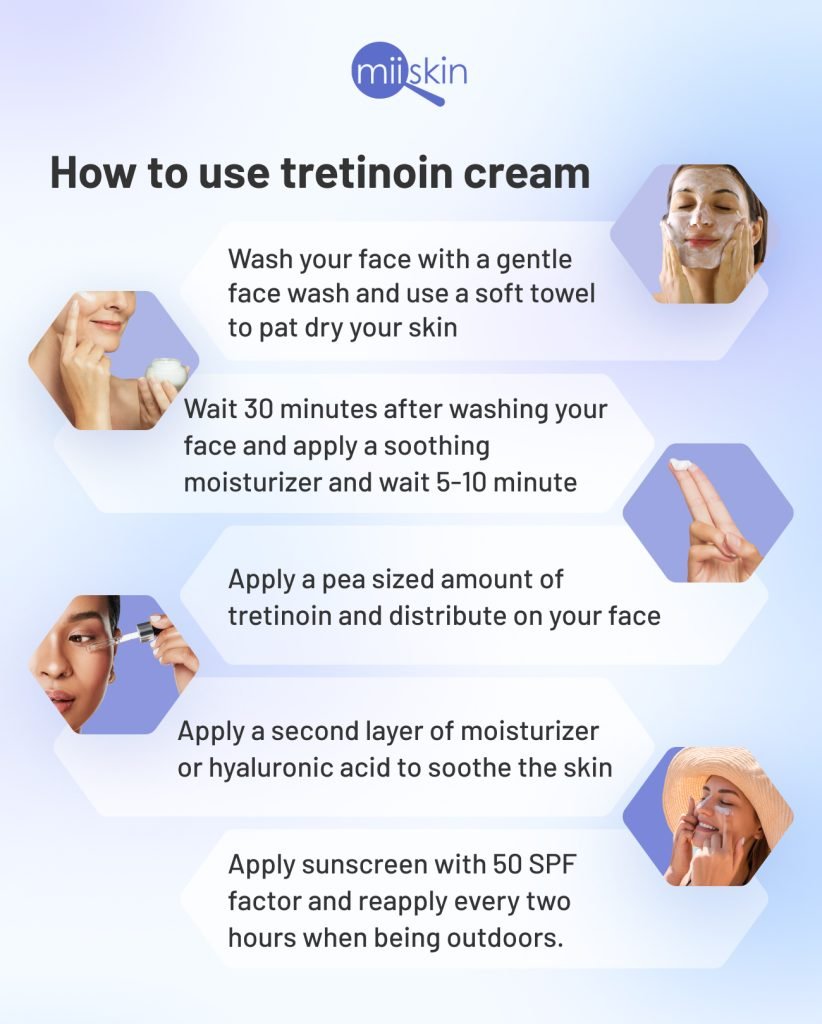
Step-by-step Application
- Start with a clean face. Use a gentle cleanser and pat dry.
- Wait 10 to 20 minutes to ensure skin is fully dry.
- Take a small amount of tretinoin, about the size of a pea.
- Dot the cream or gel on your forehead, cheeks, nose, and chin.
- Gently spread the product evenly over your face, avoiding eyes and lips.
- Allow tretinoin to absorb before applying moisturizer or other products.
Frequency And Timing
Use tretinoin once every night or every other night. Start slowly to let your skin adjust. Apply it before bedtime, as sunlight can reduce its effectiveness. Avoid using it in the morning unless your doctor advises otherwise.
How Much To Use
Less is more with tretinoin. Use a pea-sized amount for your entire face. Using more can cause irritation and dryness. Apply gently to sensitive areas. Follow your healthcare provider’s instructions carefully.
Building A Complementary Routine
Building a complementary skincare routine with tretinoin helps improve skin health and reduce irritation. Using the right products together supports tretinoin’s effects and soothes the skin. This balance prevents dryness and boosts results.
Cleansers And Toners
Choose gentle cleansers that do not strip natural oils. Avoid harsh scrubs or strong acids that cause irritation. Look for hydrating or calming ingredients like glycerin or aloe vera.
Toners should be alcohol-free and mild. They prepare the skin for tretinoin without drying it out. Use toners with soothing ingredients such as chamomile or rose water.
Serums And Moisturizers
Serums with hyaluronic acid add deep hydration. They help maintain skin moisture while tretinoin works. Avoid serums with strong acids or exfoliants on tretinoin days.
Moisturizers must be rich but non-comedogenic. Creams with ceramides or niacinamide support the skin barrier. Apply moisturizer after tretinoin to reduce peeling and redness.
Sun Protection Essentials
Daily sunscreen is crucial with tretinoin use. It protects sensitive skin from UV damage. Choose broad-spectrum sunscreens with at least SPF 30.
Use physical blockers like zinc oxide or titanium dioxide. They are gentle and effective. Reapply sunscreen every two hours if outdoors for long periods.
Managing Side Effects
Tretinoin is a powerful skincare ingredient. It helps renew skin and reduce acne and wrinkles. Using tretinoin may cause side effects at first. Knowing how to manage these effects helps keep your skin calm and healthy. Patience and gentle care are key. Here are ways to understand and handle common reactions.
Common Reactions
Skin may feel dry and tight. Redness and peeling are frequent. Some may notice mild burning or itching. These reactions happen because tretinoin speeds up skin cell turnover. The skin adjusts over time, usually within weeks. Reactions are normal but should not be severe or painful.
Reducing Irritation
- Use a gentle cleanser without harsh chemicals.
- Apply a thick moisturizer before and after tretinoin.
- Start with a small amount of tretinoin, less often.
- Use tretinoin every other night to build tolerance.
- Avoid other strong skincare products like exfoliants or acids.
- Wear sunscreen daily to protect sensitive skin.
When To Seek Help
Stop using tretinoin if skin blisters or swells. Severe pain or intense redness needs medical advice. Signs of infection include pus or increased warmth. If side effects last more than a month, consult a doctor. A healthcare professional can adjust your treatment plan.
Adjusting Routine Over Time
Adjusting your skincare routine with tretinoin is important as your skin changes. Tretinoin can be strong, so your skin needs time to build tolerance. Over time, your routine should evolve to keep your skin healthy and comfortable.
Increasing Tolerance
Start using tretinoin slowly to avoid irritation. Begin with a small amount two or three times a week. Watch how your skin reacts. If redness or dryness occurs, pause or reduce use.
Gradually increase frequency as your skin adapts. Move to daily use if your skin feels calm. Use gentle moisturizers to help reduce dryness. Patience is key for long-term success with tretinoin.
Incorporating Other Treatments
Add other skincare products carefully. Avoid strong acids or exfoliants at first. These can increase irritation when combined with tretinoin. Introduce one new product at a time.
Look for soothing ingredients like hyaluronic acid or ceramides. They help repair and protect your skin barrier. Sunscreen is essential every day to protect sensitive skin from sun damage.
Seasonal Skincare Tips
Adjust your routine based on weather changes. Dry winter air can increase skin dryness. Use richer moisturizers and avoid harsh cleansers. In hot summer months, switch to lighter, non-greasy products.
Always keep sunscreen handy in every season. Hot weather can make skin more sensitive to tretinoin. Protect your skin to maintain healthy and glowing results all year round.
Lifestyle Tips For Radiant Skin
Achieving radiant skin requires more than just using tretinoin. A healthy lifestyle supports your skincare routine and enhances results. Simple daily habits can protect your skin and boost its glow.
Diet And Hydration
Eating nutrient-rich foods fuels skin repair and growth. Include fruits and vegetables high in vitamins C and E. These antioxidants fight free radicals and reduce skin damage.
Drink plenty of water throughout the day. Staying hydrated keeps skin cells plump and elastic. Avoid sugary drinks and excessive caffeine, which can dry out your skin.
Sleep And Stress Management
Sleep allows your skin to heal and regenerate. Aim for 7 to 8 hours each night. Poor sleep can cause dullness and increase fine lines.
Stress triggers skin inflammation and breakouts. Practice relaxation techniques such as deep breathing or meditation. Reducing stress helps maintain a calm, clear complexion.
Avoiding Skin Triggers
Certain factors can worsen skin sensitivity, especially when using tretinoin. Avoid excessive sun exposure by wearing protective clothing and sunscreen daily.
Steer clear of harsh skincare products that contain alcohol or fragrances. These can irritate skin and cause dryness. Choose gentle, hydrating products instead.
Limit exposure to pollution and smoking. These elements accelerate skin aging and damage. Keep your environment clean and fresh whenever possible.

Credit: thescarletlilyblog.com
Frequently Asked Questions
What Is The Best Time To Apply Tretinoin?
Tretinoin is best applied at night. It enhances skin renewal while you sleep. Avoid daytime use to prevent sun sensitivity.
Can I Use Moisturizer With Tretinoin?
Yes, always use a gentle moisturizer. It reduces dryness and irritation caused by tretinoin. Apply moisturizer after tretinoin absorbs fully.
How Often Should I Use Tretinoin Initially?
Start with 2-3 times per week. Gradually increase frequency as your skin adjusts. This prevents excessive dryness and irritation.
Does Tretinoin Increase Sun Sensitivity?
Yes, tretinoin makes your skin more sensitive to UV rays. Use broad-spectrum sunscreen daily to protect your skin from damage.
Conclusion
Tretinoin can improve your skin over time with care. Start slowly to avoid irritation and dryness. Always use sunscreen to protect your skin daily. Keep your routine simple and be patient. Results may take weeks but are worth it. Healthy skin needs consistency and gentle products.
Listen to your skin and adjust as needed. A good skincare routine supports glowing, smooth skin. Stick to your plan and enjoy the benefits.
