
Imagine waking up each morning to a complexion that feels fresh, hydrated, and radiant. Sounds dreamy, right?
You can make this a reality by incorporating two skincare powerhouses: hyaluronic acid and vitamin C, into your daily routine. These ingredients are celebrated for their ability to transform dull, tired skin into a glowing masterpiece. But how exactly do they work, and how can you use them for maximum benefit?
In this blog post, we’re going to demystify these skincare superstars and show you exactly how to incorporate them into your routine for stunning results. Get ready to unlock the secrets to healthier, more vibrant skin that you’ll love to show off. Keep reading, because your skin deserves this.

Credit: www.amazon.com
Benefits Of Hyaluronic Acid
Hyaluronic acid is a powerful ingredient that can transform your skincare routine. It offers multiple benefits that help keep your skin healthy, youthful, and radiant. Understanding these benefits can help you decide how to best use it alongside other products like Vitamin C.
Hydration And Moisture Retention
Hyaluronic acid has a unique ability to hold up to 1000 times its weight in water. This means it draws moisture from the environment and locks it into your skin.
If you struggle with dry or flaky skin, adding hyaluronic acid can provide lasting hydration without feeling heavy or greasy.
Have you noticed how some moisturizers leave your skin sticky? Hyaluronic acid hydrates deeply but feels lightweight, making it perfect for daily use.
Skin Plumping Effects
Fine lines and wrinkles often appear when skin loses moisture and volume. Hyaluronic acid helps plump up the skin by replenishing moisture in the deeper layers.
This plumping effect smooths the surface, reducing the look of wrinkles and giving your face a fresh, youthful appearance.
One personal tip: I saw noticeable improvement around my eyes after just two weeks of consistent use, which made me more confident without makeup.
Compatibility With Other Ingredients
Hyaluronic acid works well with almost every skincare ingredient, including Vitamin C, retinol, and peptides.
Because it’s gentle and non-irritating, you can layer it with active ingredients to boost their effectiveness without increasing sensitivity.
Do you worry about combining products? Hyaluronic acid can act as a perfect base, helping your skin absorb and benefit more from your entire routine.

Credit: vincecare.com
Advantages Of Vitamin C
Vitamin C is a powerhouse ingredient that offers multiple benefits for your skin. Adding it to your skincare routine can transform your complexion and protect your skin from daily stressors. Its advantages go beyond simple brightening, making it a must-have for anyone looking to improve skin health effectively.
Brightening Dull Complexion
Vitamin C helps fade dark spots and evens out skin tone, giving you a fresh, radiant look. If your skin often appears tired or lackluster, Vitamin C can restore that natural glow. Many users notice a visible difference in brightness within a few weeks of consistent use.
Antioxidant Protection
Think of Vitamin C as a shield against environmental damage like pollution and UV rays. It neutralizes free radicals that accelerate skin aging and damage. By protecting your skin, it helps maintain a youthful appearance longer.
Collagen Boosting Properties
Vitamin C plays a key role in collagen production, which keeps your skin firm and elastic. Reduced collagen levels lead to wrinkles and sagging, but Vitamin C supports the skin’s structural health. If you want to slow down signs of aging, this ingredient is essential.
Choosing The Right Products
Choosing the right products with hyaluronic acid and vitamin C can make a big difference in your skincare routine. These ingredients work well together but come in various forms and strengths. Picking what suits your skin type and goals ensures you get the best results without irritation or waste.
Serums Vs Creams
Serums typically have a higher concentration of active ingredients and a lighter texture. They absorb quickly, making them great for layering under other products. Creams, on the other hand, provide extra moisture and create a protective barrier, which can be helpful if your skin feels dry or sensitive.
Think about your skin’s needs: Do you want a lightweight boost or more hydration? Sometimes, combining a vitamin C serum in the morning with a hyaluronic acid cream at night offers balanced care.
Concentration Levels To Consider
Vitamin C products usually range from 5% to 20%. Starting with a lower concentration helps avoid redness or stinging. Hyaluronic acid works well at 0.5% to 2%, and higher percentages don’t always mean better hydration.
Pay attention to how your skin reacts. If you notice any irritation, lower the strength or frequency. Have you checked the label to see if the concentration matches your skin’s tolerance?
Product Formulations For Sensitive Skin
If your skin is sensitive, look for fragrance-free and alcohol-free products. These reduce the chance of irritation, especially when using vitamin C, which can be potent. Some formulations include soothing ingredients like aloe vera or chamomile to calm your skin.
Patch testing new products is smart—apply a small amount on your wrist before using it on your face. Have you found a gentle formula that works well with your skin’s unique needs?
Step-by-step Routine
Building a skincare routine with hyaluronic acid and vitamin C can transform your skin’s texture and brightness. The key is to apply these ingredients in the right order and with the right technique. This step-by-step routine breaks down how to maximize their benefits for a healthy, glowing complexion.
Cleansing And Prepping Skin
Start with a gentle cleanser that suits your skin type to remove dirt and excess oil. Clean skin allows vitamin C and hyaluronic acid to penetrate better. After cleansing, pat your face dry but leave it slightly damp to help hyaluronic acid lock in moisture.
Applying Vitamin C Serum
Vitamin C works best on clean, dry skin. Use a few drops and gently press the serum onto your face and neck. Avoid rubbing to prevent irritation. Have you noticed how vitamin C can brighten dull skin within just a few days?
Layering Hyaluronic Acid
Next, apply hyaluronic acid while your skin is still damp. This helps the serum attract and hold moisture effectively. Use a pea-sized amount and spread it evenly. You might feel an immediate plumpness, like your skin is drinking in hydration.
Moisturizing And Sun Protection
Seal in the actives with a moisturizer that suits your skin type. Moisturizing prevents water loss and enhances the effects of hyaluronic acid. Don’t skip sunscreen during the day—vitamin C boosts sun protection but can’t replace it. What’s your favorite SPF to pair with this routine?
Timing And Frequency Tips
Getting the timing and frequency right with hyaluronic acid and vitamin C can make a big difference in how your skin responds. Knowing when to use these ingredients and how often can help you avoid irritation and get the best results. Let’s break down some practical tips to fit these powerful skincare components into your routine effectively.
Morning Vs Evening Use
Vitamin C works best in the morning because it protects your skin from daily environmental damage like UV rays and pollution. Applying it before sunscreen can boost your skin’s defense and brighten your complexion throughout the day.
Hyaluronic acid can be used both morning and night. In the morning, it hydrates your skin and gives it a fresh, plump look. At night, it helps lock in moisture while your skin repairs itself during sleep.
Daily Vs Weekly Application
Vitamin C serums are generally safe to use every day, but if you’re new to it, start with every other day to see how your skin reacts. Some people might experience sensitivity, so adjusting frequency is key.
Hyaluronic acid is gentle enough for daily use and can be applied twice a day. If your skin feels dry or tight, consider adding a hydrating mask with hyaluronic acid once or twice a week for extra moisture.
Adjusting Routine For Different Seasons
In colder months, your skin tends to dry out more, so increasing the use of hyaluronic acid can help maintain hydration. You might want to apply it more frequently or layer it under a richer moisturizer.
During summer, vitamin C’s antioxidant protection becomes even more important, but you may want to reduce the frequency if you notice any irritation from sun exposure. Listen to your skin and adjust accordingly to keep it balanced.
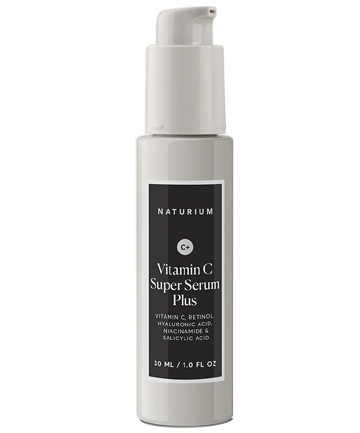
Credit: www.totalbeauty.com
Common Mistakes To Avoid
Using hyaluronic acid and vitamin C in your skincare routine can boost your skin’s health. Yet, some common mistakes can reduce their benefits or cause problems. Avoiding these errors helps your skin stay healthy and glowing. Knowing what to watch out for is important for a smooth skincare experience.
Overuse And Skin Irritation
Applying too much hyaluronic acid or vitamin C can irritate the skin. Overuse leads to redness, dryness, or sensitivity. Use the right amount as recommended on the product label. Start with a small dose and watch how your skin reacts. Less is often more with active ingredients.
Incorrect Product Layering
Layering products the wrong way reduces their effectiveness. Vitamin C should be applied on clean, dry skin first. Hyaluronic acid works best after vitamin C to lock in moisture. Avoid mixing vitamin C with strong acids or retinoids at the same time. This can cause irritation or reduce vitamin C’s power.
Neglecting Sunscreen
Vitamin C protects skin from free radicals but does not block UV rays. Skipping sunscreen can cause damage and undo the benefits of your routine. Always apply a broad-spectrum sunscreen after your skincare products. This step keeps your skin safe and enhances vitamin C’s effects.
Enhancing Results Naturally
Enhancing the effects of hyaluronic acid and vitamin C in your skincare routine happens beyond just applying products. Natural habits support your skin’s health and boost these ingredients’ benefits. Simple lifestyle changes can improve your skin’s texture, brightness, and hydration effectively.
Healthy Diet And Hydration
Your skin reflects what you eat and drink. Eating fruits and vegetables rich in antioxidants helps protect skin cells. Foods high in vitamin C, like oranges and strawberries, support collagen production. Drinking plenty of water keeps your skin hydrated and plump. Avoid excessive sugar and processed foods to reduce inflammation and dullness.
Regular Exfoliation
Exfoliating removes dead skin cells, allowing hyaluronic acid and vitamin C to penetrate deeper. Use gentle exfoliants to avoid irritation. Exfoliation improves skin texture and promotes cell renewal. This helps your skin absorb active ingredients more effectively. Aim for exfoliation one to two times a week for best results.
Adequate Sleep And Stress Management
Sleep allows your skin to repair and regenerate naturally. Lack of sleep can cause dullness and fine lines. Stress triggers skin problems like redness and breakouts. Practice relaxation techniques like deep breathing or meditation. Quality sleep and low stress levels enhance your skin’s overall appearance.
Frequently Asked Questions
What Are The Benefits Of Hyaluronic Acid For Skin?
Hyaluronic acid deeply hydrates skin by retaining moisture. It plumps the skin, reduces fine lines, and improves texture. It suits all skin types and boosts skin elasticity for a youthful glow.
How Does Vitamin C Improve Skin Health?
Vitamin C is a powerful antioxidant that brightens skin and evens tone. It reduces dark spots, promotes collagen production, and protects against sun damage. Regular use results in firmer, radiant skin.
Can Hyaluronic Acid And Vitamin C Be Used Together?
Yes, they complement each other well. Vitamin C brightens and protects, while hyaluronic acid hydrates and plumps. Use vitamin C serum first, then apply hyaluronic acid for best absorption and skin benefits.
When Is The Best Time To Apply These Ingredients?
Apply vitamin C serum in the morning to protect against free radicals. Use hyaluronic acid after cleansing, both morning and night, to lock in moisture and maintain hydration throughout the day.
Conclusion
Using hyaluronic acid and vitamin C helps keep skin fresh and bright. This routine hydrates and protects your skin daily. Apply vitamin C in the morning for a glowing look. Use hyaluronic acid to lock in moisture all day. Consistency is key for visible and lasting results.
Simple steps can improve your skin’s health greatly. Start small and build your routine over time. Healthy skin feels soft, smooth, and looks radiant. Keep your routine gentle and avoid harsh products. Your skin will thank you with a natural glow.
