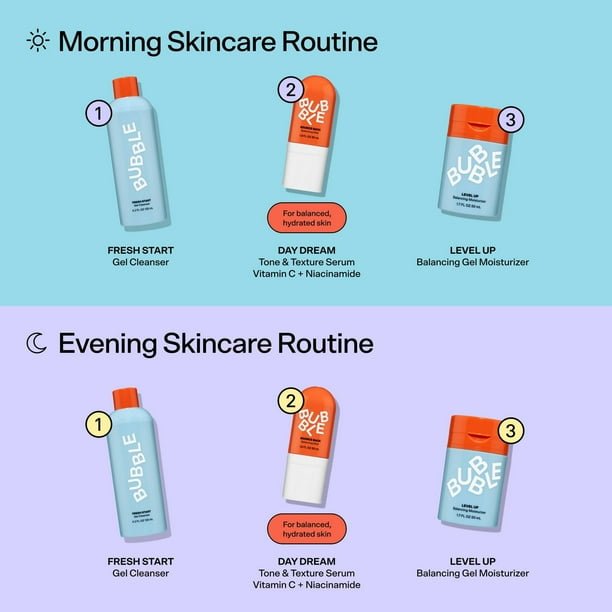
Do you often find yourself battling with shiny skin that just won’t quit? If you’re nodding your head, you’re not alone.
Managing oily skin can feel like an endless cycle of blotting papers and midday touch-ups. But what if you could transform that shine into a natural glow? Imagine having a skincare routine that not only controls oil but also enhances your skin’s natural beauty.
Intrigued? Keep reading to discover the secrets to a balanced and effective oily skin skincare routine. Your skin is ready for a change, and this guide is about to show you how.
Causes Of Oily Skin
Oily skin happens when the sebaceous glands make too much oil. This extra oil can make your face look shiny and feel greasy. Understanding why your skin produces more oil helps in managing it better. Several factors can cause oily skin. These include genetics, hormones, the environment, and your lifestyle choices.
Genetics And Hormones
Your genes play a big role in how oily your skin is. If your family members have oily skin, you might have it too. Hormones also affect oil production. Teenagers often get oily skin due to hormone changes. Adults can also see changes in oil levels during pregnancy or stress.
Environmental Factors
Weather impacts your skin’s oiliness. Hot and humid climates make skin produce more oil. Pollution and dirt can clog pores and increase oiliness. Indoor heating or air conditioning can dry out your skin, causing it to make more oil to compensate.
Diet And Lifestyle
What you eat affects your skin’s oil. Foods high in sugar and fat can increase oil production. Drinking little water can make skin dry, prompting more oil production. Lack of sleep and stress can also raise hormone levels that boost oil output.

Credit: chemistconfessions.com
Choosing The Right Cleanser
Choosing the right cleanser is a crucial step in managing oily skin effectively. The cleanser you pick can either help balance your skin’s oil production or make it worse. Knowing what type of cleanser suits your skin and how often to use it can make a big difference in controlling shine and preventing breakouts.
Foaming Vs Gel Cleansers
Foaming cleansers create a rich lather that feels light and refreshing on the skin. They are great at removing excess oil and impurities but can sometimes strip your skin if too harsh.
Gel cleansers tend to be thicker and provide a deeper clean without over-drying. They are often better suited for oily skin because they balance oil removal with hydration.
Think about how your skin reacts after washing—does it feel tight or comfortable? This can help you decide which type works best for you.
Ingredients To Look For
Look for cleansers containing salicylic acid or benzoyl peroxide, which help unclog pores and reduce oil. Ingredients like tea tree oil and niacinamide can soothe inflammation and control excess shine.
Avoid cleansers with heavy fragrances or alcohol that can irritate and dry out your skin, causing it to produce even more oil. Instead, choose gentle, non-comedogenic formulas designed for oily skin.
How Often To Cleanse
Cleansing twice a day is usually enough to keep oily skin clean without stripping its natural moisture. Over-washing can trigger your skin to produce more oil as a defense mechanism.
Listen to your skin’s needs—if it feels oily by midday, a gentle wipe with a toner or blotting paper can refresh your face without harsh washing. Are you cleaning your skin just enough or too much?
Exfoliation Tips
Exfoliation plays a vital role in managing oily skin. It helps remove dead skin cells and unclog pores. This keeps your skin smooth and reduces shine. Choosing the right exfoliant and using it correctly is key for healthy skin.
Chemical Vs Physical Exfoliants
Chemical exfoliants use acids to dissolve dead skin cells. Common types include AHAs and BHAs. They work gently and deeply, especially good for oily skin.
Physical exfoliants use small particles or brushes to scrub off dead skin. They can be harsh and cause microtears if used too roughly. For oily skin, gentle chemical exfoliants are often safer and more effective.
Frequency For Oily Skin
Oily skin needs exfoliation about two to three times a week. This helps clear pores without irritating the skin. Overdoing it can increase oil production and redness.
Adjust frequency based on how your skin feels. If it becomes dry or sensitive, reduce the exfoliation days.
Avoiding Over-exfoliation
Too much exfoliation damages the skin barrier. It causes dryness, redness, and more oiliness.
- Do not exfoliate daily unless using a mild chemical exfoliant.
- Follow product instructions carefully.
- Stop exfoliating if your skin feels sore or tight.
- Use moisturizer after exfoliating to protect the skin.

Credit: www.eraorganics.com
Toning For Balance
Toning is a key step in managing oily skin. It helps restore the skin’s natural balance after cleansing. A good toner removes leftover dirt and oil, shrinking pores. It refreshes the skin without drying it out. Using the right toner can reduce shine and prevent breakouts. This step prepares the skin to absorb moisturizers and treatments better.
Benefits Of Toners
- Removes excess oil and impurities
- Minimizes the appearance of large pores
- Balances the skin’s pH level
- Soothes irritation and redness
- Prepares skin for better absorption of products
- Controls shine throughout the day
Best Ingredients For Oily Skin
- Salicylic acid: unclogs pores and reduces oil
- Witch hazel: natural astringent that tightens skin
- Niacinamide: controls oil production and calms skin
- Aloe vera: soothes and hydrates without heaviness
- Tea tree oil: fights bacteria and reduces inflammation
- Glycolic acid: exfoliates dead skin cells gently
Application Techniques
- Use a cotton pad to apply toner evenly
- Gently swipe across face, avoiding eyes
- Allow toner to dry before adding moisturizer
- Apply toner twice daily, morning and night
- Use small amounts to avoid overdrying skin
- Pat toner in for better absorption if preferred
Moisturizing Without The Shine
Moisturizing oily skin can feel tricky. Many fear adding shine or making the skin greasy. Yet, skipping moisturizer can cause dryness and more oil production. The key lies in choosing the right products and formulas. This keeps skin balanced, soft, and fresh without the unwanted shine.
Lightweight Formulas
Lightweight moisturizers absorb quickly and don’t feel heavy. They avoid clogging pores or causing breakouts. Look for gels, lotions, or serums made for oily skin. These keep skin hydrated without a thick or sticky layer. They let skin breathe and stay matte throughout the day.
Oil-free Options
Oil-free moisturizers do not add extra oils to the skin. They reduce the risk of excess shine and acne. These formulas often use water or silicone bases. Ingredients like hyaluronic acid or glycerin provide hydration without greasiness. Oil-free options are ideal for controlling oily skin’s natural shine.
Hydration Importance
Hydration balances oily skin and stops it from overproducing oil. Well-hydrated skin looks healthier and feels smoother. Moisturizing helps repair the skin barrier and reduces irritation. Skipping hydration can worsen oiliness and cause dryness. Consistent moisturizing supports clear, calm skin all day long.
Sun Protection Strategies
Protecting oily skin from the sun is not just about avoiding burns; it’s about preventing excess oil production and breakouts triggered by UV exposure. Choosing the right sun protection can keep your skin clear and healthy without adding unwanted shine or clogging pores. Let’s look at how you can shield your skin effectively while keeping it fresh and balanced.
Non-greasy Sunscreens
Oily skin needs sunscreens that absorb quickly and leave no greasy residue. Look for labels that say “oil-free,” “matte finish,” or “non-comedogenic.” These formulas often contain ingredients like zinc oxide or titanium dioxide, which provide broad-spectrum protection without blocking pores.
Gel-based or water-based sunscreens can be lifesavers. They feel light and dry fast, making them perfect under makeup or for daily wear. I once switched to a gel sunscreen and noticed my skin stayed shine-free all day, which was a game-changer for my oily skin routine.
Spf Recommendations
Dermatologists recommend using at least SPF 30 every day, even if you’re indoors most of the time. The sun’s rays can penetrate windows and cloud cover, so your skin needs constant defense. If you spend time outside, bump the SPF up to 50 for stronger protection.
Remember, higher SPF doesn’t mean you can skip reapplying. It just means you have a better shield. Also, broad-spectrum sunscreens protect against both UVA and UVB rays, reducing the risk of premature aging and skin damage.
Daily Application Tips
Apply sunscreen as the last step in your skincare routine, right before makeup or heading outside. Use about a nickel-sized amount for your face to get full coverage. Don’t forget your ears, neck, and any exposed areas.
Reapply every two hours if you’re outdoors or sweating. Carry a small bottle or powder sunscreen for easy touch-ups during the day. Have you ever felt your sunscreen clogging your pores or making your skin greasy? Trying these tips can help keep your skin protected without discomfort.
Makeup Tips For Oily Skin
Managing makeup on oily skin can feel like a challenge. Shine can sneak in just hours after application, ruining your flawless look. But with the right tips, you can keep your makeup intact and your skin comfortable throughout the day.
Mattifying Products
Mattifying products are your best friends when dealing with oily skin. These products reduce shine and control oil production without drying out your skin.
Look for primers and foundations labeled as “matte” or “oil-free.” These formulas help create a smooth, shine-free base. I’ve found that applying a mattifying primer before foundation makes a huge difference in how long my makeup lasts.
Powder-based products also help absorb excess oil. Try a mattifying moisturizer if you want hydration without the greasy feel. Do you know which product works best for your skin type?
Setting Sprays And Powders
Setting sprays and powders lock your makeup in place. They act as a barrier against oil and sweat, making your makeup last longer.
After applying foundation and concealer, dust a translucent setting powder over your face, focusing on the T-zone. This step reduces shine and prevents makeup from sliding off.
Finish with a mattifying setting spray to seal everything. It feels like a magic touch that keeps your skin looking fresh, even hours later. Have you tried setting sprays designed specifically for oily skin?
Removing Makeup Properly
Proper makeup removal is essential for oily skin. Leaving makeup on can clog pores and increase oil production, causing breakouts.
Use an oil-free, gentle cleanser to remove makeup thoroughly. Double cleansing can be very effective—start with an oil-based remover to dissolve makeup, then follow with a foaming cleanser to clean your skin.
Don’t rush this step; take your time to ensure all product residues are gone. How often do you check your skin after cleansing to make sure it feels truly clean?
Lifestyle Habits To Control Oil
Controlling oily skin isn’t just about the products you apply; your daily habits play a huge role too. Adjusting your lifestyle can help balance oil production and keep your skin clearer. Let’s look at some practical habits that can make a real difference.
Diet Adjustments
Your diet has a direct impact on your skin’s oil levels. Foods high in sugar and refined carbs can trigger excess oil production. Try adding more fresh vegetables, fruits, and foods rich in omega-3s like salmon and walnuts to your meals.
Have you noticed your skin gets oilier after eating greasy fast food? That’s your body reacting to what you put in it. Drinking plenty of water also helps flush out toxins, which can reduce shine and breakouts.
Stress Management
Stress can cause your body to produce more cortisol, a hormone that increases oil production. Finding ways to manage stress can calm your skin as well as your mind. Simple practices like deep breathing, meditation, or even short walks can lower stress levels.
I once struggled with breakouts during a busy work period until I started taking 10 minutes daily to breathe deeply. The change in my skin was noticeable within weeks. What small stress relief activity can you fit into your day?
Regular Exercise Benefits
Exercise helps regulate hormones that influence oil production. Sweating during workouts clears out clogged pores and improves circulation, giving your skin a healthy glow. Just remember to cleanse your face soon after exercising to prevent trapped sweat from causing breakouts.
Even a 20-minute walk daily can make a difference in your skin’s oil balance. If you haven’t tried linking your skincare routine with your exercise habit, it might be time to start. How often do you clear your skin after a workout?
When To See A Dermatologist
Knowing when to see a dermatologist is key for oily skin care. Some skin issues need professional help. Early visits can prevent worsening problems and scarring. Skincare routines sometimes fail to clear serious acne or irritation. A dermatologist can offer expert advice and treatments tailored to your skin.
Persistent Acne Issues
Acne that lasts for months deserves a dermatologist’s attention. Over-the-counter products may not work on stubborn breakouts. Severe acne can cause scars and dark spots. A doctor can diagnose underlying causes and suggest stronger treatments. Don’t wait if acne affects your confidence or daily life.
Prescription Treatments
Some oily skin problems need prescription medication. Dermatologists can prescribe creams, gels, or pills that clear acne faster. These medicines reduce oil production and kill bacteria. Prescription treatments often work better than regular store products. A professional can monitor your skin’s reaction and adjust treatments as needed.
Professional Procedures
Certain skin issues need procedures only a dermatologist can do. Options include chemical peels, laser therapy, and extractions. These treatments remove dead skin and unclog pores deeply. They improve skin texture and reduce oiliness effectively. Professional care ensures safety and better results for oily skin.

Credit: www.reddit.com
Frequently Asked Questions
What Is The Best Cleanser For Oily Skin?
Use a gentle, foaming cleanser with salicylic acid. It removes excess oil without drying the skin. Avoid harsh soaps that strip moisture.
How Often Should I Wash Oily Skin Daily?
Wash oily skin twice daily—morning and night. Over-washing can increase oil production and cause irritation. Use lukewarm water for best results.
Can Moisturizers Help Oily Skin?
Yes, lightweight, oil-free moisturizers hydrate skin without clogging pores. Look for non-comedogenic and mattifying formulas to control shine.
Should I Use Exfoliants On Oily Skin?
Yes, exfoliate 2-3 times weekly with chemical exfoliants like AHAs or BHAs. They clear dead skin and prevent clogged pores. Avoid harsh scrubs.
Conclusion
Taking care of oily skin needs a simple daily routine. Cleanse your face gently but well. Use products made for oily skin types. Don’t skip moisturizing; it helps balance oil. Avoid harsh scrubs that can irritate skin. Stay consistent with your routine every day.
Over time, your skin will look healthier. Remember, patience is key for good results. Small steps lead to clearer, fresher skin. Keep your routine easy and steady. Your oily skin can feel clean and calm.
