
Have you ever wondered why your skin doesn’t always look its best, even when you try hard to take care of it? The secret often lies in mastering the perfect day and night skin care routine.
Imagine waking up each morning with a fresh, glowing complexion and going to bed each night knowing your skin is healing and rejuvenating. By understanding the unique needs of your skin at different times of the day, you can unlock the door to healthier, more radiant skin.
In this guide, you’ll discover how to tailor your routine to support your skin’s natural rhythms, ensuring you look and feel your best, day and night. Are you ready to transform your skincare game and achieve the glow you’ve always dreamed of? Keep reading to uncover the secrets to a flawless complexion.
Morning Skin Care Steps
Starting your day with a good skin care routine sets the tone for healthy skin. Morning care refreshes your face and prepares it for daily challenges. Simple, consistent steps help maintain moisture and protect your skin from damage. A well-planned routine brings out your natural glow and keeps skin calm.
Cleansing For Fresh Start
Clean your face with a gentle cleanser to remove oil and dirt. Use lukewarm water to avoid drying out your skin. Cleansing wakes up your skin and clears away impurities from night sweat and products. It creates a clean base for the next steps.
Toning Benefits
Apply toner to balance your skin’s pH and tighten pores. Toners remove leftover dirt and calm the skin. They prepare your face to absorb moisturizers and serums better. Choose alcohol-free toners for gentle care.
Serums To Energize Skin
Use a serum packed with antioxidants or vitamins to brighten your skin. Serums work deeply to fight tiredness and signs of aging. They deliver active ingredients quickly and boost skin health. Pick serums with vitamin C or hyaluronic acid for hydration and glow.
Moisturizing Tips
Apply a light moisturizer to lock in hydration. Moisturizers keep skin soft and smooth throughout the day. Use one that suits your skin type—gel for oily, cream for dry skin. Don’t forget the neck area; it needs care too.
Sun Protection Essentials
Finish with sunscreen to shield your skin from harmful UV rays. Choose broad-spectrum SPF 30 or higher for daily use. Sunscreen prevents sunburn, dark spots, and premature aging. Reapply every two hours if you stay outside long.
Evening Skin Care Steps
Evening skin care is vital for healthy, glowing skin. It clears away the day’s dirt and prepares skin to repair overnight. A good routine helps skin stay fresh and soft by morning. Follow these steps to care for your skin each night.
Removing Makeup And Dirt
Start by removing all makeup gently. Use a makeup remover or cleansing oil to dissolve makeup quickly. Wipe away dirt and impurities without rubbing hard. This step prevents clogged pores and skin irritation.
Gentle Cleansing
Cleanse your face with a mild cleanser. Use lukewarm water to open pores slightly. Massage cleanser softly in circular motions. Rinse thoroughly and pat dry with a clean towel. This removes leftover impurities and refreshes skin.
Exfoliation Techniques
Exfoliate 2-3 times a week, not daily. Use a gentle scrub or chemical exfoliant with AHAs or BHAs. This removes dead skin cells and smooths texture. Avoid harsh scrubs that can damage skin. Exfoliation helps your skin absorb treatments better.
Night Serums And Treatments
Apply serums with active ingredients like vitamin C, retinol, or hyaluronic acid. These repair and nourish skin deeply. Target specific concerns like wrinkles or dryness. Use a few drops and spread evenly. Let the serum absorb fully before the next step.
Nighttime Moisturizers
Finish with a rich moisturizer to lock in hydration. Choose formulas suited to your skin type. Night creams support skin repair and prevent dryness. Massage gently until fully absorbed. This seals in all the benefits from your routine.
Choosing Products For Your Skin Type
Choosing the right skincare products depends on your skin type. Using products made for your skin improves results. It helps avoid irritation and keeps skin healthy. Different skin types need different ingredients and care routines.
Oily Skin Solutions
Oily skin produces extra sebum, causing shine and clogged pores. Use gentle foaming cleansers that remove oil without drying. Look for products with salicylic acid to clear pores. Lightweight, oil-free moisturizers help keep skin balanced. Avoid heavy creams that can worsen oiliness.
Dry Skin Care
Dry skin feels tight and may flake. Choose hydrating cleansers that do not strip moisture. Use creams with ingredients like hyaluronic acid and glycerin. These attract and hold water in the skin. Apply rich moisturizers at night to repair and nourish. Avoid products with alcohol or fragrances that dry skin.
Combination Skin Tips
Combination skin has oily and dry areas, usually the T-zone is oily. Use gentle cleansers that balance skin without over-drying. Apply lightweight moisturizer on oily zones and richer cream on dry parts. Use blotting papers during the day to control shine. Choose products labeled for combination skin for best results.
Sensitive Skin Options
Sensitive skin reacts easily to products and weather. Pick fragrance-free and hypoallergenic skincare. Use mild cleansers with soothing ingredients like aloe vera or chamomile. Avoid harsh scrubs and strong acids. Patch test new products to prevent reactions. Moisturize daily to protect the skin barrier.

Credit: www.bellinispdx.com
Common Skin Care Mistakes To Avoid
A good skin care routine is more than just applying products. Avoiding common mistakes helps keep your skin healthy and glowing. Many people make simple errors that cause skin problems. Learn what to avoid for better results.
Over-exfoliation Risks
Exfoliating removes dead skin cells but too much causes damage. Over-exfoliation leads to redness, dryness, and irritation. It can weaken the skin barrier and increase sensitivity. Limit exfoliation to 1-3 times a week based on skin type.
Skipping Sunscreen
Sun damage causes wrinkles, dark spots, and skin cancer. Many skip sunscreen in the morning or on cloudy days. Sunscreen protects skin from harmful UV rays all year round. Use a broad-spectrum sunscreen with at least SPF 30 every day.
Using Harsh Ingredients
Harsh ingredients strip natural oils and irritate skin. Avoid products with strong alcohol, fragrances, or sulfates. Choose gentle formulas that suit your skin type. Harsh products can cause dryness, redness, and breakouts.
Neglecting Hydration
Hydrated skin looks smooth and feels soft. Many forget to moisturize or drink enough water. Moisturizers help lock in moisture and repair the skin barrier. Use a lightweight moisturizer in the morning and a richer one at night.
Boosting Glow With Lifestyle Habits
Glowing skin isn’t just about the products you apply—it’s shaped by the habits you live daily. Your lifestyle plays a key role in how radiant and healthy your skin looks. Small changes in what you eat, how much water you drink, your sleep quality, and how you handle stress can make a noticeable difference in your skin’s glow.
Healthy Diet Choices
Your skin reflects what you feed your body. Adding foods rich in antioxidants, like berries and leafy greens, helps fight skin damage and supports repair. Healthy fats from nuts, seeds, and fish add moisture and elasticity to your skin, making it look plump and youthful.
Have you noticed how your skin reacts after eating a lot of sugary or processed foods? Often, these cause breakouts or dullness. Try swapping those for whole, nutrient-packed meals and watch your skin brighten over time.
Importance Of Hydration
Drinking enough water is essential for skin health. Hydration helps flush out toxins and keeps your skin cells functioning properly, which reduces dryness and flakiness. Even mild dehydration can make your skin look tired and lackluster.
Think about how your skin feels after a day of drinking mostly coffee or soda compared to a day when you focus on water intake. The difference is usually clear. Aim for at least eight glasses a day, and consider herbal teas or infused water if plain water feels boring.
Adequate Sleep Impact
Sleep is when your body repairs itself, including your skin. Without enough rest, your skin can become dull, puffy, and develop dark circles. Deep sleep triggers collagen production, which keeps your skin firm and reduces wrinkles.
If you struggle with sleep, try a consistent bedtime routine that avoids screens and bright lights before bed. Have you observed how your skin looks after a good night’s sleep versus a restless one? That’s your body telling you what it needs.
Stress Management Tips
Stress releases hormones that can worsen skin problems like acne and eczema. Managing stress helps keep your skin calm and balanced. Simple activities like walking, yoga, or even deep breathing can lower stress levels significantly.
Sometimes, just taking a few minutes to pause and breathe deeply during a hectic day can prevent a stress flare-up. What’s your favorite way to unwind when life feels overwhelming? Making time for it regularly can boost your skin’s glow and your overall well-being.

Credit: www.colorescience.com
Credit: reluminatebeauty.com.au
Frequently Asked Questions
What Are The Essential Steps In A Day Skin Care Routine?
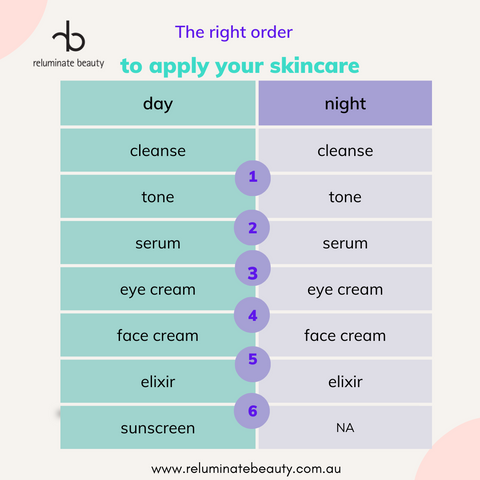
A day skin care routine should include cleansing, toning, moisturizing, and applying sunscreen. These steps protect and hydrate your skin throughout the day. Sunscreen is crucial to prevent UV damage and premature aging. Using lightweight, non-greasy products works best for daytime.
How Does A Night Skin Care Routine Differ From Daytime?
Night routines focus on repair and hydration. They include cleansing, toning, applying serums or treatments, and a heavier moisturizer. Night products often contain ingredients like retinol or peptides, which boost skin regeneration. Avoid sunscreen at night, but ensure deep nourishment and hydration.
Why Is Sunscreen Important In A Day Skin Care Routine?
Sunscreen protects skin from harmful UV rays that cause aging, sunburn, and skin cancer. Applying broad-spectrum SPF 30 or higher daily prevents damage and maintains even skin tone. It shields your skin from environmental stressors and keeps it healthy and youthful.
Can I Use The Same Moisturizer For Day And Night?
You can use the same moisturizer if it suits your skin type. However, day moisturizers are usually lighter with SPF, while night creams are richer and focus on repair. Choosing products tailored for day and night maximizes skin benefits and hydration.
Conclusion
A good skin care routine helps keep your skin healthy and fresh. Cleanse and moisturize in the morning to protect your skin all day. At night, focus on repairing and nourishing your skin while you sleep. Consistency matters more than fancy products or quick fixes.
Small daily steps bring better results over time. Treat your skin with care and patience. Your skin will thank you with a natural glow and softness. Start simple, stay steady, and enjoy healthy skin every day.
