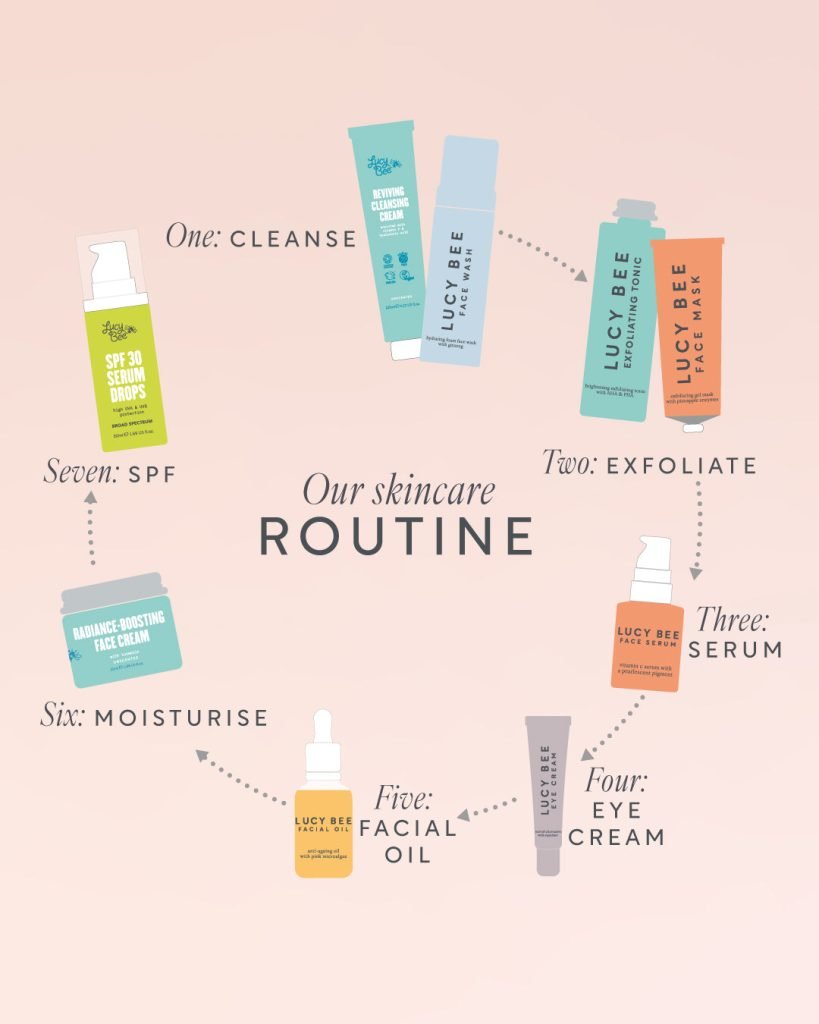
Are you tired of trying countless skincare products without seeing the glowing results you desire? It might not be the products themselves, but the order in which you’re using them.
The secret to a flawless complexion could be as simple as following the right sequence in your skincare routine. Imagine waking up every morning to radiant, healthy skin just by making a few tweaks to your daily regimen. You’ll discover the best order to layer your skincare products for maximum effectiveness and visible results.
Dive in to learn how to transform your skin, and finally achieve the complexion you’ve always dreamed of. Your skin deserves it, and so do you!
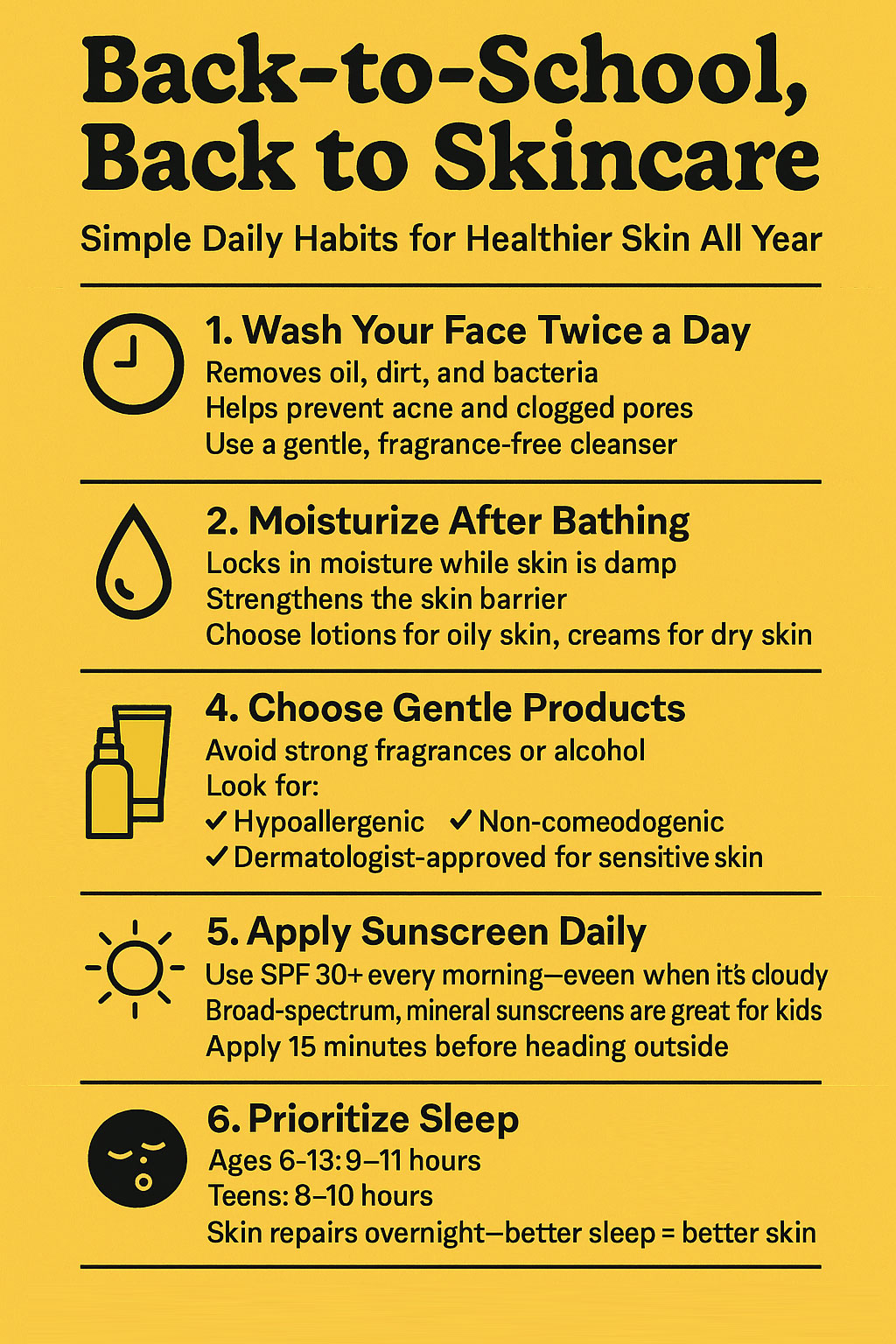
Credit: dermatologyofct.com
Cleansing First
Starting your skincare routine with cleansing sets the tone for everything that follows. It removes dirt, oil, and impurities that build up on your skin throughout the day or night. Without this crucial first step, other products may not absorb properly or work as effectively.
Choosing The Right Cleanser
Not all cleansers work the same for every skin type. If you have oily skin, look for a foaming or gel cleanser that controls excess oil without stripping moisture. Dry skin benefits from creamy or hydrating cleansers that add moisture while removing dirt.
Think about your lifestyle too. If you wear makeup or sunscreen daily, you might need a more thorough cleanser. Sensitive skin calls for gentle, fragrance-free options to avoid irritation. Your cleanser should leave your skin feeling clean, not tight or dry.
Double Cleansing Method
Have you ever felt like your skin isn’t fully clean after washing? Double cleansing can solve that. It involves using an oil-based cleanser first to break down makeup and sunscreen, followed by a water-based cleanser to remove sweat and dirt.
This two-step process ensures a deeper clean without harsh scrubbing. Many people notice clearer, smoother skin after trying double cleansing regularly. It may take a little extra time, but your skin will thank you.
Toning Benefits
Toning is more than just a step in your skincare routine; it plays a crucial role in preparing your skin for the products that follow. By balancing your skin’s pH and removing any leftover impurities, toner helps create a clean canvas. Have you noticed how some products absorb better after using toner? That’s the real benefit—it boosts the effectiveness of your entire routine.
Types Of Toners
Not all toners are created equal. Choosing the right one depends on your skin type and what you want to achieve.
- Hydrating Toners:Perfect if your skin feels dry or tight. These toners add moisture and soothe your skin.
- Astringent Toners:Ideal for oily or acne-prone skin. They help reduce excess oil and tighten pores.
- Exfoliating Toners:Contain gentle acids like glycolic or salicylic acid to remove dead skin cells and brighten your complexion.
- Balancing Toners:Designed to restore your skin’s natural pH level after cleansing without over-drying.
Think about what your skin feels like after washing. Does it need moisture, or does it feel oily? That will guide your toner choice.
How To Apply Toner
Applying toner correctly can make a big difference in your skin’s response.
- Start by pouring a small amount of toner onto a cotton pad or into your palms.
- Gently sweep or press the toner onto your face and neck, avoiding the eye area.
- Pat your skin lightly to help absorb the product.
Some people skip toner because they think it’s unnecessary, but even a quick swipe can help. Have you ever tried patting your toner in instead of rubbing? It feels gentler and helps lock in moisture better.
Serums And Treatments
Serums and treatments are the powerful heroes of your skincare routine. They contain concentrated ingredients that target specific skin needs. Use them after cleansing and toning but before moisturizing. This order helps active ingredients absorb well and work effectively.
Targeting Skin Concerns
Serums focus on particular skin issues like dryness, wrinkles, or dark spots. Choose the one that fits your needs best. For example, vitamin C serums brighten the skin, while hyaluronic acid boosts hydration. Apply the serum gently with fingertips. Let it absorb fully before the next step.
Layering Multiple Serums
Sometimes, skin needs more than one treatment. Layer light serums first, then heavier ones. Follow this simple rule: thin to thick consistency. Wait a minute between each layer for better absorption. Avoid using too many serums at once. Keep the routine simple to prevent irritation.
Moisturizing Steps
Moisturizing is a crucial part of your skincare routine. It locks in hydration and creates a protective barrier on your skin. But knowing the right moisturizer and when to use it can make a big difference in how your skin feels and looks.
Picking The Right Moisturizer
Choosing a moisturizer depends on your skin type and the climate you live in. If you have oily skin, look for a lightweight, oil-free formula that won’t clog pores. Dry skin benefits from richer creams with ingredients like hyaluronic acid or ceramides.
Think about your skin’s needs throughout the year. You might need a thicker moisturizer in winter and a lighter one in summer. Have you noticed how your skin reacts to different products? That’s a good clue for what to pick.
Day Vs. Night Moisturizers
Your skin acts differently during the day and night. Daytime moisturizers often include SPF to protect against sun damage. They also tend to be lighter to avoid feeling heavy under makeup.
Night moisturizers focus on repair and hydration. They usually contain ingredients like retinol or peptides that work best while you sleep. Using the right moisturizer at the right time can boost your skin’s health and glow.
Sun Protection Importance
Sun protection is a crucial step in your skincare routine that you should never skip. It shields your skin from harmful UV rays, which cause premature aging, dark spots, and increase the risk of skin cancer. Even if you spend most of your day indoors, UV rays can penetrate windows, making sunscreen a daily must.
Choosing Sunscreens
Picking the right sunscreen can feel overwhelming, but focusing on a few key points helps. Look for a broad-spectrum sunscreen that protects against both UVA and UVB rays. An SPF of 30 or higher is usually recommended for daily use.
Consider your skin type when choosing a formula. If you have oily skin, a lightweight, non-comedogenic sunscreen works best. Dry skin benefits from moisturizing sunscreens that add hydration. And if you have sensitive skin, mineral-based sunscreens with zinc oxide or titanium dioxide are gentle and effective.
Proper Application Techniques
Applying sunscreen correctly is just as important as choosing the right one. Most people don’t apply enough—use about a teaspoon for your face alone. Don’t forget your neck, ears, and any exposed areas.
Apply sunscreen 15 to 30 minutes before going outside to let it absorb properly. Reapply every two hours, or more often if you’re swimming or sweating. Have you ever noticed how some days your sunscreen seems to vanish quickly? That’s why reapplication matters.
Credit: www.lemon8-app.com
Additional Tips
Knowing the best order for your skincare routine helps your skin absorb products better. Small changes improve results and avoid irritation. Follow these extra tips to make your routine work well for you.
Adjusting Routine For Skin Type
Every skin type needs a different approach. Oily skin benefits from light, non-greasy products. Dry skin needs rich moisturizers and gentle cleansers. Sensitive skin requires fragrance-free and soothing items. Normal skin can use balanced products without harsh ingredients.
Change your routine based on how your skin feels. If it becomes dry or oily, swap products to fit those needs. Always test new items on a small skin patch first.
When To Introduce New Products
Add new products slowly to avoid irritation. Start with one product at a time. Use it for a week or two before adding another. Watch for any redness, itching, or breakouts.
Introduce active ingredients like retinol or acids carefully. Use these only a few times a week at first. Gradually increase use if skin handles them well. This helps your skin adjust without harm.
Credit: www.lemon8-app.com
Frequently Asked Questions
What Is The Correct Sequence For Skincare Products?
Start with cleansing, then toner, serum, eye cream, moisturizer, and sunscreen. This order ensures maximum absorption and effectiveness.
Can I Apply Moisturizer Before Sunscreen?
No, always apply sunscreen last. Moisturizer hydrates, but sunscreen protects skin from UV damage. Sunscreen forms a protective barrier.
How Often Should I Follow My Skincare Routine?
Follow your skincare routine twice daily—morning and night. Consistency improves skin texture, hydration, and overall health effectively.
Should I Use Toner After Cleansing?
Yes, toner helps remove leftover dirt and balances skin pH. It prepares skin for better absorption of serums and moisturizers.
Conclusion
A clear skincare order helps your skin absorb products better. Cleanse first to remove dirt and oil. Apply toner next to balance your skin. Follow with serums for targeted care. Moisturize to keep skin soft and hydrated. Don’t forget sunscreen during the day.
This simple routine improves your skin’s health. Try to stick to these steps daily. Consistency brings the best results. Your skin will thank you with a healthy glow.
