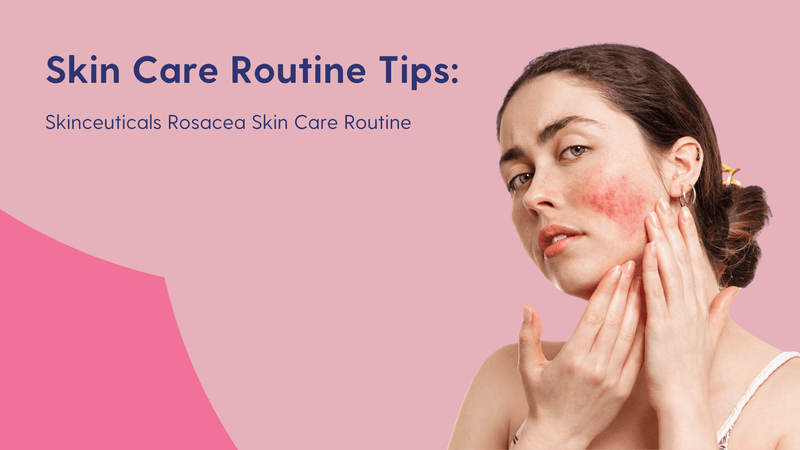
Are you tired of battling the persistent redness and irritation that rosacea brings to your skin? You’re not alone.
Many people are searching for solutions to soothe their sensitive skin and regain their confidence. Imagine waking up to a calmer, more balanced complexion every day. With the right rosacea skincare routine, this can be your reality. Dive into this article to discover effective tips and products that will transform your skincare routine and help you achieve the healthy skin you’ve always wanted.
Your journey to a soothing skincare routine starts here. Don’t miss out on these valuable insights that could change your skin for the better.
Causes And Triggers
Rosacea is a common skin condition that causes redness and visible blood vessels. Understanding what causes rosacea and what triggers flare-ups is key to managing it. Many factors can irritate the skin and worsen symptoms. Identifying these can help create a better skincare routine.
Common Rosacea Triggers
- Spicy foods
- Hot drinks
- Alcohol
- Stress and anxiety
- Certain skincare products
- Hot baths or showers
Lifestyle Factors
Stress can cause the skin to flare up. Lack of sleep weakens the skin’s barrier. Diet also plays a role. Foods high in histamines may increase redness. Avoiding triggers helps keep rosacea calm.
Environmental Influences
Sun exposure is a major trigger for rosacea. Wind and cold weather can dry and irritate skin. Pollution also affects sensitive skin. Protecting skin from these elements is important. Use gentle sunscreens and protective clothing.

Credit: www.youtube.com
Choosing The Right Cleanser
Choosing the right cleanser plays a key role in managing rosacea. The skin affected by rosacea is sensitive and prone to redness. Using a cleanser that soothes and protects the skin barrier helps reduce flare-ups. A cleanser should clean without stripping natural oils or causing irritation. Selecting the right product sets the foundation for the entire skincare routine.
Gentle Cleansing Options
Look for cleansers labeled as gentle or formulated for sensitive skin. Cream-based or lotion cleansers help maintain moisture. Avoid harsh scrubs or foaming cleansers that can dry out the skin. Micellar water is a mild alternative that removes dirt without rinsing. Ingredients like aloe vera and chamomile calm irritated skin.
Avoiding Irritants
Stay away from cleansers with fragrance or alcohol. These ingredients often trigger redness and burning. Sodium lauryl sulfate is a common irritant found in many cleansers. Check labels for harsh chemicals or dyes. The goal is to reduce inflammation and keep skin calm.
Cleansing Frequency
Cleanse twice a day, morning and night, to keep skin clean. Overwashing can strip oils and worsen rosacea symptoms. Use lukewarm water instead of hot water. Pat skin dry gently with a soft towel. Consistency helps maintain skin balance and prevents flare-ups.
Moisturizers For Sensitive Skin
Choosing the right moisturizer is crucial if you have rosacea and sensitive skin. The wrong product can trigger redness, irritation, and discomfort. You want a moisturizer that hydrates deeply without overwhelming your skin’s delicate barrier.
Hydrating Ingredients
Look for ingredients like hyaluronic acid, glycerin, and ceramides. These help lock in moisture and strengthen your skin’s natural defenses. I found that switching to a moisturizer with ceramides made my skin feel calmer and less inflamed within days.
Avoid heavy oils or fragrances that can cause flare-ups. Instead, opt for lightweight, non-comedogenic options that provide hydration without clogging pores. Have you noticed how some moisturizers leave your skin greasy? That’s a sign to try something lighter.
Soothing Formulas
Ingredients such as aloe vera, niacinamide, and green tea extract can calm redness and reduce irritation. These components soothe your skin while delivering hydration.
My favorite soothing moisturizer contains niacinamide—it visibly reduced my redness after just a week. Pay attention to how your skin reacts during the first few days. If irritation increases, discontinue use immediately.
Application Tips
Apply moisturizer gently using your fingertips rather than rubbing harshly. Patting it in helps preserve your skin’s barrier.
Use moisturizer on slightly damp skin to trap moisture better. Avoid applying too much; a pea-sized amount is usually enough for your face.
Have you tried layering your moisturizer over a calming serum? This can boost hydration without overwhelming sensitive skin. Experiment with the order and amount to find what feels best for you.

Credit: www.pennsmithskincare.com
Sun Protection Essentials
Sun protection is a key part of managing rosacea. The right sunscreen can calm your skin, prevent flare-ups, and shield you from harmful UV rays that worsen redness. Not all sunscreens suit sensitive skin, so choosing carefully matters a lot.
Best Sunscreens For Rosacea
Look for sunscreens that are labeled for sensitive or rosacea-prone skin. Products with soothing ingredients like niacinamide or aloe vera can help reduce irritation.
- La Roche-Posay Anthelios Mineral SPF 50:A gentle, mineral-based option that provides strong protection without causing redness.
- EltaMD UV Clear:Lightweight and calming, it contains niacinamide which can soothe rosacea symptoms.
- Neutrogena Sheer Zinc SPF 50:Offers broad-spectrum coverage using zinc oxide, ideal for sensitive skin.
Have you noticed a difference when switching to mineral sunscreens? Many find chemical sunscreens can sting or aggravate rosacea, making mineral options preferable.
Physical Vs Chemical Filters
Physical (mineral) sunscreens use zinc oxide or titanium dioxide to sit on top of the skin and reflect UV rays. They are less likely to irritate sensitive skin because they don’t absorb into your skin.
Chemical filters absorb UV rays but sometimes cause stinging or redness, especially if your skin barrier is compromised. This can trigger rosacea flare-ups.
Choosing mineral sunscreens can be a game changer for your rosacea routine. Do you know which type your current sunscreen uses? Checking this can help you avoid unnecessary irritation.
Daily Sun Protection Habits
Applying sunscreen every day—even when it’s cloudy—is essential. UV rays can penetrate clouds and windows, continuing to affect your skin.
Don’t forget to reapply every two hours if you’re outside. Wearing wide-brimmed hats and seeking shade during peak sun hours adds extra defense.
- Apply sunscreen 15 minutes before going outside
- Use at least a nickel-sized amount for your face
- Cover often-missed spots: ears, neck, and scalp
Have you made these habits part of your daily routine yet? Small changes can reduce redness and protect your skin over time.
Targeted Treatments
Targeted treatments play a key role in managing rosacea. They help reduce redness, inflammation, and flare-ups. Choosing the right treatment depends on your skin type and severity of symptoms.
Many options exist, from prescription medications to natural remedies. Each targets specific rosacea triggers and symptoms. Consistency is important for seeing results.
Prescription Options
Doctors often recommend prescription treatments for rosacea. These include topical creams and oral medications.
- Metronidazole: A common topical antibiotic that reduces inflammation.
- Azelaic Acid: Helps clear redness and bumps.
- Ivermectin Cream: Targets mites that may worsen rosacea.
- Oral Antibiotics: For severe cases, reduce inflammation from inside.
- Brimonidine Gel: Temporarily reduces facial redness by constricting blood vessels.
Always follow your doctor’s instructions closely. Prescription treatments can take weeks to show improvement.
Over-the-counter Solutions
OTC products can soothe mild rosacea symptoms. Look for gentle, fragrance-free formulas designed for sensitive skin.
- Green-tinted moisturizers: Help neutralize redness.
- Anti-inflammatory ingredients: Such as niacinamide and aloe vera.
- Sunscreen: Protects skin from UV rays that worsen rosacea.
- Gentle cleansers: Avoid harsh soaps that irritate skin.
Test new products on a small skin patch first. Consistent use helps reduce flare-ups.
Natural Remedies
Natural treatments may support rosacea care. They often focus on calming the skin and reducing irritation.
- Chamomile: Known for soothing properties, use as a gentle compress.
- Green Tea Extract: Contains antioxidants that reduce redness.
- Oatmeal Baths: Calm inflamed skin and provide moisture.
- Honey: Natural antibacterial and anti-inflammatory, apply as a mask.
Natural remedies work slowly and may not replace medical treatments. Always check for allergic reactions before use.
Makeup Tips For Rosacea
Makeup can boost confidence and help cover redness caused by rosacea. It needs a careful approach to avoid irritation. Choose products and techniques that soothe and protect sensitive skin. Follow simple steps to enhance your natural beauty without harm.
Choosing Gentle Products
Select makeup labeled for sensitive or rosacea-prone skin. Avoid products with alcohol, fragrance, or harsh chemicals. Use mineral-based foundations and powders. These usually contain fewer irritants and provide good coverage. Test new products on a small skin area first. Look for formulas that are hypoallergenic and non-comedogenic.
Color Correction Techniques
Color correctors balance redness before applying foundation. Green-tinted primers or concealers neutralize red areas effectively. Apply a thin layer only on red spots. Blend gently with fingers or a soft sponge. Avoid heavy layers to keep skin breathable. This step helps create an even skin tone naturally.
Removal Without Irritation
Remove makeup carefully to protect sensitive skin. Use gentle, fragrance-free cleansers or micellar water. Avoid scrubbing or harsh wipes. Pat skin dry with a soft towel. Follow removal with a calming moisturizer to soothe skin. Cleanse twice if needed to ensure all makeup is gone.
Lifestyle Adjustments
Adjusting your daily habits can greatly improve rosacea symptoms. Small changes in lifestyle help calm irritated skin and reduce flare-ups. Focus on what you eat, how you handle stress, and your sleep quality. These factors affect skin health more than you might think.
Diet And Hydration
Eating balanced meals supports skin healing and reduces redness. Avoid spicy foods, alcohol, and hot drinks, as they may trigger flare-ups. Drink plenty of water to keep your skin hydrated and fresh. Proper hydration helps flush out toxins and maintain skin moisture.
Stress Management
Stress can worsen rosacea symptoms quickly. Practice relaxation techniques like deep breathing, yoga, or meditation daily. Even short breaks during busy days help lower stress levels. Calm mind, calm skin.
Sleep And Skin Health
Good sleep is essential for skin repair and overall health. Aim for 7-8 hours of restful sleep each night. Avoid screens and bright lights before bed to improve sleep quality. Healthy sleep routines support your skin’s ability to heal and stay strong.
When To See A Dermatologist
Knowing when to see a dermatologist can make a huge difference in managing rosacea effectively. While mild symptoms might be handled with over-the-counter products, there are clear signs that professional help is needed. Ignoring these signs can lead to worsening symptoms and skin damage.
Recognizing Severe Symptoms
Severe rosacea symptoms include persistent redness, visible blood vessels, and painful bumps or pustules. If your skin feels hot, swollen, or shows signs of irritation that don’t improve with basic care, it’s time to consult a specialist.
Have you noticed your rosacea flaring up despite following a strict skincare routine? That persistent burning or stinging could indicate your condition needs medical attention. Don’t wait until discomfort affects your daily life.
Treatment Options Available
A dermatologist can offer treatments beyond what you find at the drugstore. Prescription creams, oral antibiotics, or laser therapy might be recommended depending on your skin’s condition.
These treatments target inflammation, redness, and bacterial components that worsen rosacea. Sometimes, a combination approach works best, tailored specifically for your skin’s needs.
Follow-up Care
After starting treatment, regular follow-ups ensure your skin responds well and avoids side effects. Your dermatologist will adjust medications or suggest lifestyle changes to keep rosacea under control.
Think of follow-ups as checkpoints to protect your skin’s health. How often you visit depends on your symptoms, but keeping in touch helps prevent surprises.
Credit: www.paulaschoice-eu.com
Frequently Asked Questions
What Is The Best Daily Skincare Routine For Rosacea?
A gentle cleanser, moisturizer, and sunscreen are essential daily. Use products formulated for sensitive skin to reduce irritation and redness. Avoid harsh scrubs and alcohol-based toners to prevent flare-ups.
Which Ingredients Help Calm Rosacea-prone Skin?
Look for soothing ingredients like niacinamide, azelaic acid, and green tea extract. These reduce inflammation and redness while strengthening the skin barrier. Avoid fragrances and alcohol to minimize irritation.
How Often Should I Exfoliate If I Have Rosacea?
Exfoliate very gently and no more than once a week. Use mild chemical exfoliants like lactic acid in low concentrations. Avoid physical scrubs, as they can worsen rosacea symptoms.
Can Makeup Worsen Rosacea Symptoms?
Yes, certain makeup can irritate rosacea skin. Choose mineral-based, fragrance-free, and non-comedogenic products. Always remove makeup gently at the end of the day to prevent flare-ups.
Conclusion
A good rosacea skincare routine helps calm and protect your skin daily. Choose gentle cleansers and moisturizers made for sensitive skin. Avoid harsh products that cause redness or irritation. Always use sunscreen to shield your face from the sun’s rays.
Stay consistent with your routine for the best results. Remember, patience is key; improvements take time. Caring for your skin can boost confidence and comfort every day. Small steps add up to healthier, happier skin. Keep your routine simple and listen to your skin’s needs.
