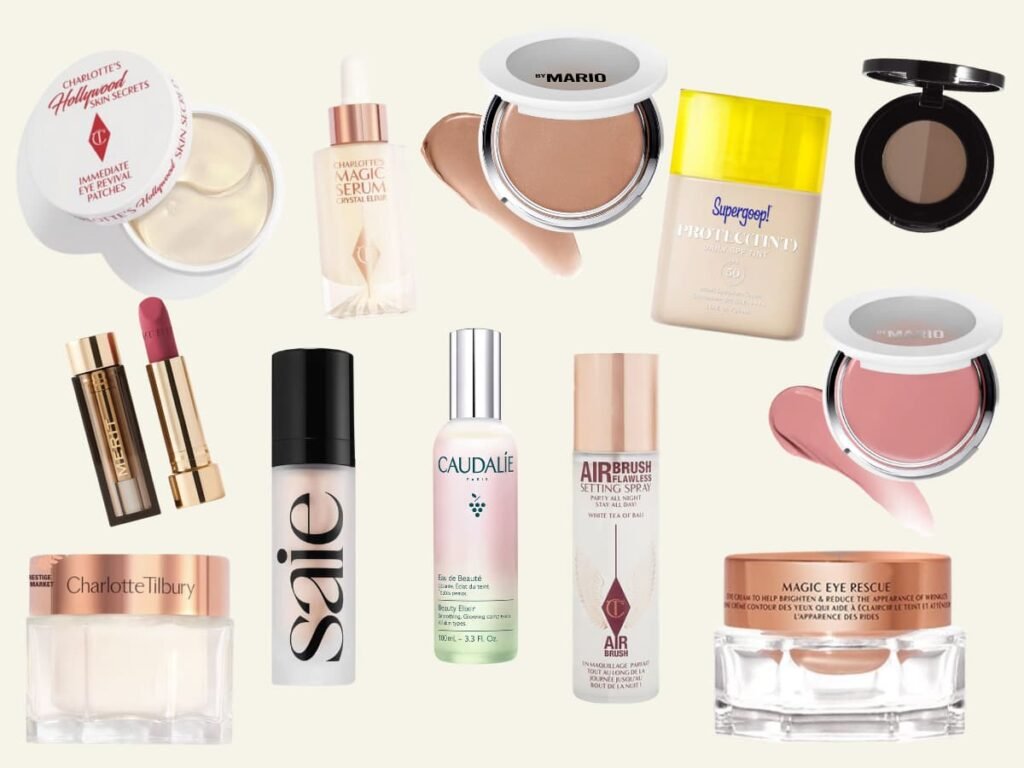
Imagine waking up every morning with a glowing complexion that feels as good as it looks. The secret?
A well-crafted skincare and makeup routine that suits your unique skin type and lifestyle. Whether you’re new to skincare or a seasoned beauty enthusiast, understanding the right steps can transform your daily regimen into a moment of self-care and confidence.
You deserve to feel radiant, and this guide will show you how to achieve just that. Dive in to discover the essentials of an effective skincare routine, and learn how to seamlessly blend it with makeup techniques that enhance your natural beauty. Your journey to flawless skin starts here, and trust us, you won’t want to miss a single tip.

Credit: www.freepik.com
Morning Skincare Rituals
Starting your day with a solid morning skincare ritual sets the tone for healthy, glowing skin. It’s not just about looking good; it’s about feeling confident and protecting your skin from daily stressors. The habits you build in the morning can make a huge difference over time, especially if you choose the right techniques and products.
Cleansing Techniques
Cleansing in the morning removes excess oil, sweat, and impurities your skin produces overnight. Use a gentle cleanser suited to your skin type—whether it’s foaming, cream-based, or gel. Try washing your face with lukewarm water to avoid stripping your skin’s natural moisture.
Have you noticed how your skin feels after skipping cleansing? Often, it feels dull or clogged. Taking a moment to cleanse properly wakes up your skin and preps it for the next steps.
Toning Benefits
Toning helps balance your skin’s pH and tightens pores, giving you a fresher look. It also removes any leftover residue from cleansing, ensuring your skin is completely clean. Choose alcohol-free toners with ingredients like witch hazel or rose water for a soothing effect.
Think about whether your skin feels dry or oily after cleansing. A toner can help normalize this and provide a smooth base for moisturizer and makeup.
Moisturizing Essentials
Moisturizer locks in hydration and keeps your skin soft throughout the day. Pick one that fits your skin’s needs: lightweight for oily skin or richer creams for dry areas. Don’t forget to apply it evenly on your face and neck, as these areas often get neglected.
Have you ever skipped moisturizer and noticed your makeup looking patchy or cakey? Proper hydration helps makeup blend seamlessly and last longer.
Sun Protection Tips
Applying sunscreen is the most crucial step in your morning routine. It shields your skin from harmful UV rays that cause premature aging and sun damage. Use a broad-spectrum SPF 30 or higher, and apply it even on cloudy days or if you stay indoors near windows.
Are you applying enough sunscreen? Most people use only a quarter of the recommended amount. Make sure to cover your face, neck, and ears thoroughly for full protection.

Credit: playworkeatrepeat.com
Evening Skincare Steps
Evening skincare is crucial for healthy skin. It cleans away dirt, oil, and makeup from the day. It also prepares your skin to repair and renew overnight. A simple, consistent routine helps maintain a clear and glowing complexion.
Makeup Removal Methods
Removing makeup is the first step to clean skin at night. Use gentle products that do not irritate your skin. Options include:
- Micellar water for quick cleansing
- Cleansing oils to dissolve heavy makeup
- Cleansing balms for dry or sensitive skin
- Makeup wipes as a quick fix, but avoid daily use
Always follow with a gentle face wash to remove any residue.
Nighttime Serums
Serums deliver active ingredients deep into the skin. Choose serums based on your skin needs. Some popular types are:
- Vitamin C for brightening
- Hyaluronic acid for hydration
- Retinol for anti-aging
- Niacinamide for calming redness
Apply serum after cleansing and before moisturizing.
Hydrating Night Creams
Night creams lock in moisture and support skin repair. They are thicker than day creams to nourish skin deeply. Look for creams with:
- Shea butter or ceramides for hydration
- Antioxidants to protect skin
- Peptides to boost collagen
Massage cream gently into the skin for better absorption.
Weekly Treatments
Weekly treatments help keep skin fresh and smooth. These include:
- Exfoliating masks to remove dead skin cells
- Clay masks to reduce oil and impurities
- Hydrating masks for extra moisture
Use these treatments once or twice a week for best results.
Choosing The Right Products
Choosing the right skincare and makeup products is essential for healthy, radiant skin. The perfect products suit your skin type and meet your skin’s needs. Knowing how to select them saves time and avoids skin problems. Careful choices help your makeup look better and last longer.
Skin Type Identification
Understanding your skin type guides product selection. Common types include oily, dry, combination, and sensitive skin. Check your skin by washing your face and waiting one hour. Notice how your skin feels and looks.
- Oily skin feels shiny and may have large pores.
- Dry skin feels tight and may flake.
- Combination skin has oily areas and dry patches.
- Sensitive skin may sting or turn red easily.
Choose products made for your specific skin type to get the best results.
Ingredient Insights
Ingredients affect how products work on your skin. Look for gentle and effective ingredients that suit your skin type. Avoid harsh chemicals that cause irritation or dryness.
- Hyaluronic acid hydrates dry skin.
- Salicylic acid helps control oily skin and acne.
- Niacinamide calms sensitive skin and reduces redness.
- Fragrance-free products reduce irritation risk.
Read labels carefully and pick products with ingredients that benefit your skin.
Product Layering Tips
Proper layering helps products absorb well and work effectively. Apply products from lightest to heaviest texture. Start with serums, then moisturizers, and finish with sunscreen or makeup.
- Cleanse your face before applying any product.
- Use toner if it suits your skin to balance pH.
- Apply serum to target skin concerns.
- Moisturize to lock in hydration.
- Use sunscreen during the day to protect skin.
- Apply makeup last for a smooth finish.
Let each layer dry before adding the next to avoid pilling.
Makeup Prep And Base
Creating a flawless makeup look starts long before you pick up your brush. The secret lies in how you prepare your skin and lay down the base. This phase sets the tone for everything that follows, ensuring your makeup stays fresh and vibrant throughout the day.
Primer Selection
Choosing the right primer can change your makeup game entirely. Think about your skin type first—do you have oily, dry, or combination skin? A mattifying primer helps control shine, while a hydrating one adds a natural glow.
Don’t overlook primers that target specific concerns like redness or large pores. I once switched to a silicone-based primer and noticed my foundation applied more smoothly and lasted longer. Have you tried different primers to see how they affect your makeup’s durability?
Foundation Application
Applying foundation isn’t about covering your face with product but enhancing your natural skin. Start with a small amount and build coverage only where you need it. Using a damp sponge or a brush can give you a more even finish than fingers alone.
Pay attention to blending, especially around the jawline and hairline, to avoid visible lines. If you want a lightweight feel, try mixing your foundation with a bit of moisturizer. What’s your go-to technique for getting that “your skin but better” look?
Concealer Tricks
Concealer is your best friend for brightening and perfecting. Apply it in a triangle shape under your eyes to lift and illuminate your face naturally. Use a shade slightly lighter than your foundation for a subtle highlight.
Don’t just focus on dark circles; conceal redness, blemishes, and any spots that foundation doesn’t cover. Set your concealer with a light dusting of powder to avoid creasing and keep it in place all day. Have you noticed how small tweaks in concealer placement can change your entire look?
Enhancing Facial Features
Enhancing facial features brings out natural beauty and confidence. A well-planned skincare and makeup routine helps define your face. Simple techniques can create balance and harmony. Focus on areas that highlight your best traits. The right products and tools make a big difference. Here are some key ways to enhance your facial features effectively.
Blush And Contour
Blush adds a healthy flush to your cheeks. Choose shades that suit your skin tone for a natural look. Contouring shapes the face by creating shadows and depth. Use a matte contour powder or cream a few shades darker than your skin. Apply under cheekbones, along the jawline, and at the sides of your nose. Blend well to avoid harsh lines. This technique adds dimension and lifts the face.
Highlighting Glow
Highlighting brightens and lifts high points of the face. Apply on cheekbones, brow bones, the bridge of the nose, and cupid’s bow. A subtle shimmer or light-reflecting product works best. Avoid over-applying to keep the glow natural. Highlighting enhances your skin’s radiance and creates a fresh look.
Eye Makeup Basics
Define your eyes to make them stand out. Start with a smooth eyeshadow base to prevent creasing. Choose neutral shades for everyday wear or bold colors for special occasions. Use eyeliner to shape your eyes. Apply mascara to lengthen and volumize lashes. Well-done eye makeup opens and brightens the eyes instantly.
Perfecting The Lips
Start with clean, moisturized lips. Use a lip liner to outline and shape your lips precisely. Fill in with your favorite lipstick or gloss. Choose colors that complement your skin tone and overall look. Lip products add color and definition, completing your makeup routine.
Maintaining Healthy Skin With Makeup
Wearing makeup doesn’t have to mean sacrificing your skin’s health. You can enjoy the confidence boost that makeup brings while keeping your skin clear and radiant. The key lies in choosing the right products and habits that support your skin’s natural balance.
Non-comedogenic Products
Non-comedogenic makeup products are designed not to clog your pores. Choosing foundations, powders, and concealers labeled as non-comedogenic can help prevent breakouts and irritation.
Look for ingredients like water-based formulas or mineral-based powders. If you’ve struggled with acne or sensitive skin before, non-comedogenic options might be the game-changer you need.
Makeup Removal Habits
Removing your makeup thoroughly every night is essential. Sleeping with makeup on can trap dirt and oil, leading to clogged pores and dull skin.
Use gentle yet effective makeup removers—micellar water or cleansing oils work well to dissolve makeup without harsh rubbing. Ask yourself, are you really removing every trace of makeup before bed?
Skin-friendly Makeup Tools
Your brushes and sponges can harbor bacteria if not cleaned regularly. Dirty tools increase the risk of skin irritation and breakouts.
Wash your makeup brushes at least once a week with a mild cleanser. Consider using disposable applicators when possible, especially if you have sensitive skin. Could your tools be the hidden cause of your skin troubles?
Seasonal Skincare And Makeup Adjustments
Adjusting your skincare and makeup routine with the seasons can make a huge difference in how your skin looks and feels. Each season brings unique challenges, whether it’s harsh sun, dry air, or fluctuating temperatures. Paying attention to these changes helps you protect your skin better and keeps your makeup looking fresh all day long.
Summer Care Tips
Summer heat and humidity demand lightweight skincare products that don’t clog pores. Choose oil-free moisturizers and gel-based sunscreens to keep your skin hydrated without feeling greasy.
Makeup should be minimal and sweat-resistant. Consider tinted moisturizers with SPF instead of heavy foundations, and use waterproof mascara to avoid smudging during hot days.
Have you noticed how your skin reacts differently to sun exposure? Adding antioxidant serums like vitamin C can help repair damage and keep your skin glowing.
Winter Hydration Boost
Cold air strips moisture from your skin, making hydration your top priority. Swap your light summer moisturizer for a richer cream that locks in moisture all day.
Don’t forget to use a gentle exfoliator to remove dry, flaky skin before applying makeup. This helps your foundation go on smoothly and prevents patchiness.
Try adding a hydrating face mist during the day to keep your skin refreshed in heated indoor environments. Your makeup will thank you for it.
Transitioning Between Seasons
The shift between seasons can confuse your skin. Gradually adjust your routine instead of switching everything at once to avoid irritation.
Start by mixing your summer and winter moisturizers to create a balanced hydration level. This simple trick helped me avoid dryness while keeping my skin comfortable.
Also, consider swapping heavy foundations for medium coverage formulas as the weather changes. This keeps your skin breathable and your makeup looking natural.
Common Mistakes To Avoid
Skincare and makeup routines can transform your look and boost your confidence, but mistakes can easily sabotage your efforts. Avoiding common pitfalls helps your skin stay healthy and your makeup flawless. Let’s dive into some frequent errors that you might not realize you’re making—and how to fix them.
Over-exfoliating
Exfoliation is key to glowing skin, but too much can cause irritation and damage your skin barrier. If your skin feels tight, red, or flaky after exfoliating, you’re likely overdoing it.
Stick to exfoliating 1-3 times a week, depending on your skin type. Use gentle exfoliants and listen to how your skin reacts. Have you noticed increased sensitivity after daily scrubs? Dial it back and watch your skin recover.
Ignoring Spf
Skipping sunscreen is one of the biggest skincare mistakes. UV rays break down collagen, cause premature aging, and can lead to skin cancer.
Even if your makeup contains SPF, it’s often not enough. Apply a broad-spectrum SPF 30 or higher every morning, regardless of the weather. How often do you forget this crucial step? Try keeping your sunscreen next to your moisturizer as a reminder.
Skipping Patch Tests
Trying new products without patch testing can result in unexpected allergic reactions or breakouts. Your skin’s response isn’t always obvious right away.
Apply a small amount of product on your wrist or behind your ear and wait 24-48 hours. This simple step can save you from redness, itching, or worse. What’s your experience with new products—have you ever skipped testing and regretted it?

Credit: www.playingwithapparel.com
Frequently Asked Questions
What Is The Ideal Order For Skincare And Makeup Routine?
Start with cleansing, then toner, serum, and moisturizer. Apply sunscreen before makeup. Finish with makeup products for best results.
How Often Should I Update My Skincare Routine?
Update your routine every 3-6 months or with seasonal changes. Adjust based on skin type and concerns for optimal care.
Can I Apply Makeup Right After Skincare?
Wait 5-10 minutes after skincare to let products absorb. This ensures better makeup application and longer wear.
Which Skincare Products Are Essential Before Makeup?
Moisturizer and sunscreen are must-haves before makeup. They hydrate skin and protect against sun damage effectively.
Conclusion
A good skincare and makeup routine keeps your skin healthy and glowing. Cleanse, moisturize, and protect your skin daily. Choose products that suit your skin type. Apply makeup lightly to enhance natural beauty. Take time each day for self-care. Healthy skin builds confidence and feels great.
Simple steps make a big difference over time. Enjoy your routine and feel your best every day.
