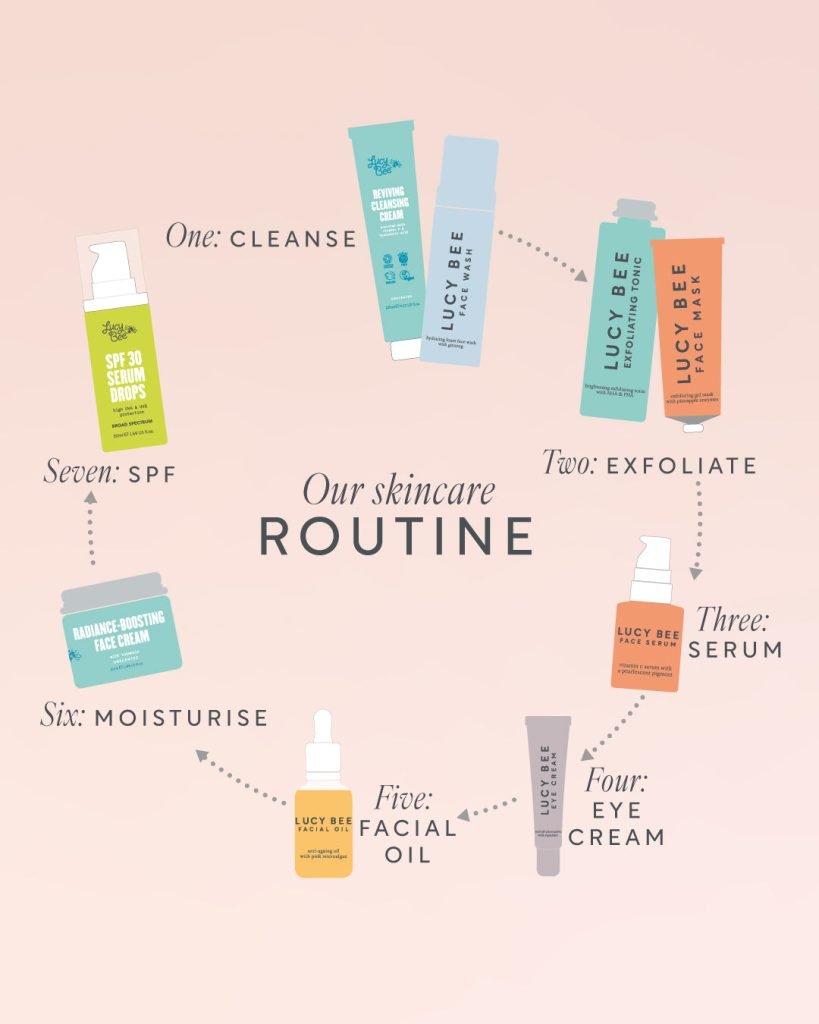
Are you tired of feeling lost in the endless sea of skincare products? You’re not alone.
With so many options out there, it can be overwhelming to know where to start or how to build an effective skincare routine. But don’t worry – we’ve got you covered. Imagine waking up to fresh, glowing skin every day, feeling confident and ready to face the world.
That’s exactly what a well-structured skincare routine can do for you. We’ll break down the simple steps in a skincare routine that can transform your skin and boost your self-esteem. Keep reading, and discover how you can achieve the healthy, radiant complexion you’ve always dreamed of.
Credit: medium.com
Cleansing Basics
Cleansing is the foundation of any effective skincare routine. It removes dirt, oil, and impurities that accumulate on your skin throughout the day or night. Understanding how to cleanse properly can make a noticeable difference in your skin’s texture and clarity.
Choosing The Right Cleanser
Pick a cleanser that fits your skin type. If your skin is oily, a foaming or gel cleanser can help control shine without over-drying. For dry or sensitive skin, cream-based or hydrating cleansers work best because they clean gently without stripping moisture.
Think about what ingredients you tolerate well. Avoid harsh sulfates if your skin feels tight or irritated after washing. I once switched from a strong cleanser to a mild one and saw less redness and fewer breakouts within weeks.
Proper Cleansing Techniques
Use lukewarm water to open pores without causing irritation. Apply cleanser with your fingertips in small, circular motions, focusing on areas prone to oil or makeup build-up. Avoid scrubbing hard—gentle pressure is enough to clean effectively.
Rinse thoroughly to remove all residue, as leftover cleanser can cause dryness or clog pores. Pat your face dry with a soft towel instead of rubbing to protect your skin barrier. Have you noticed how the right technique changes your skin’s feel after washing?
Morning Vs Evening Cleansing
Your skin needs different care depending on the time of day. In the morning, a gentle cleanse removes sweat and nighttime oils without stripping your skin. Sometimes, just rinsing with water or using a mild cleanser is enough to refresh your face.
Evening cleansing is crucial for removing makeup, sunscreen, and pollutants. You might want to double cleanse—first with an oil-based cleanser to break down makeup, then with a water-based one to clean deeper. This helps prevent clogged pores and keeps your skin clear.
Exfoliation Tips
Exfoliation is a key part of any skincare routine. It helps remove dead skin cells and refreshes your complexion. Knowing how to exfoliate properly keeps your skin healthy and glowing. Follow these tips to exfoliate safely and effectively.
Types Of Exfoliants
There are two main types of exfoliants: physical and chemical.
- Physical exfoliantsuse small particles or tools to scrub away dead skin. Examples include scrubs, brushes, and sponges.
- Chemical exfoliantscontain acids or enzymes that dissolve dead skin. Common ingredients are AHAs (like glycolic acid) and BHAs (like salicylic acid).
Choose the type that suits your skin. Sensitive skin often reacts better to chemical exfoliants.
Frequency Of Exfoliation
Exfoliating too often can harm your skin barrier. Dry or sensitive skin should exfoliate 1-2 times per week.
Oily or acne-prone skin may exfoliate up to 3 times a week. Always watch how your skin reacts and adjust accordingly.
Benefits For Skin Texture
Exfoliation smooths rough patches and evens out skin tone. It helps reduce clogged pores and prevents breakouts.
Regular exfoliation also enhances the absorption of moisturizers and serums. Your skin looks fresher and feels softer to touch.
Toning Steps
Toning is a key step in a skincare routine. It helps balance the skin after cleansing. This step refreshes the face and prepares it for moisturizers or serums. Using toner can also remove leftover dirt and makeup.
Purpose Of Toner
Toner restores the skin’s natural pH level. It tightens pores and removes any residue. Toners soothe the skin and reduce redness. Some toners also add hydration or control oil. Overall, toning creates a clean, smooth base for other products.
Selecting Suitable Toners
Choose a toner based on your skin type. For dry skin, pick hydrating toners with ingredients like glycerin. Oily skin benefits from mattifying or astringent toners containing witch hazel. Sensitive skin needs alcohol-free, gentle formulas. Look for calming elements such as aloe vera or chamomile.
Application Methods
- Pour toner onto a cotton pad for easy application.
- Gently swipe the pad over your face and neck.
- Alternatively, pour a few drops into your hands and pat onto skin.
- Allow toner to fully absorb before applying other products.
Serums And Treatments
Serums and treatments are the power players in your skincare routine. They deliver concentrated ingredients directly to your skin, targeting specific issues like aging, acne, or dryness. Unlike moisturizers, serums have a lightweight texture that absorbs quickly, making them ideal for layering.
Popular Serum Ingredients
Some ingredients pop up often because they really work. Vitamin C brightens dull skin and fights free radicals. Hyaluronic acid locks in moisture, giving your skin a plump, hydrated look.
Other favorites include niacinamide, which calms redness and balances oil, and retinol, known for speeding up cell turnover to reduce wrinkles. Choosing the right ingredient depends on what your skin needs most.
Targeting Skin Concerns
Think about your biggest skin issue. Are you battling dark spots, fine lines, or persistent breakouts? Pick serums that address those specific problems.
For example, if uneven tone bothers you, a serum with alpha arbutin or kojic acid can help fade discoloration. If acne is your concern, look for salicylic acid or tea tree oil. Using targeted treatments means you’re not wasting time or money on products your skin doesn’t need.
Layering Serums Effectively
Layering serums can feel tricky. The secret is to apply from thinnest to thickest texture. Start with watery serums and follow with those that have a gel or cream consistency.
Give each serum a moment to absorb before adding the next. Too many active ingredients at once might irritate your skin, so introduce new serums slowly. Have you noticed how your skin reacts when you mix too many products? Paying attention to this helps you find the perfect balance.
Moisturizing Essentials
Moisturizing is a key part of any skincare routine. It helps keep skin soft, smooth, and hydrated. Without enough moisture, skin can feel dry, tight, or flaky. Choosing the right moisturizer depends on your skin type and the time of day. Proper application also helps maximize benefits and protect your skin barrier.
Choosing Moisturizers By Skin Type
Pick a moisturizer that fits your skin’s needs. For oily skin, use a light, oil-free lotion or gel. Dry skin needs thicker creams with extra hydration. Sensitive skin benefits from products with gentle, fragrance-free formulas. Combination skin works well with balanced moisturizers that hydrate without clogging pores.
Day Vs Night Formulas
Day moisturizers usually include SPF for sun protection. They are lighter and absorb quickly to work under makeup. Night creams are richer and focus on repair and hydration. They often have ingredients like retinol or peptides that help skin recover while you sleep.
Application Tips
- Apply moisturizer to clean, slightly damp skin for better absorption.
- Use gentle upward strokes to avoid tugging your skin.
- Don’t forget your neck and décolletage.
- Apply sunscreen after moisturizing during the day.
- Use a pea-sized amount to avoid clogging pores.
Sun Protection
Sun protection is a crucial part of any skincare routine, yet many people overlook it. Protecting your skin from harmful UV rays not only helps prevent sunburn but also reduces premature aging and lowers the risk of skin cancer. Think of sunscreen as your skin’s daily armor—without it, all other skincare efforts can fall short.
Importance Of Sunscreen
UV rays from the sun can cause damage even on cloudy days or when you’re indoors near windows. Over time, this exposure leads to wrinkles, dark spots, and loss of skin elasticity. Sunscreen helps block these rays, keeping your skin healthier and younger-looking.
Have you noticed how your skin feels after a day without sun protection? That slight redness or tightness is a warning sign. Regular use of sunscreen prevents this damage, making it essential for every skincare routine.
Types Of Sunscreens
Sunscreens come in two main types: chemical and physical. Chemical sunscreens absorb UV rays, while physical sunscreens reflect them away from your skin.
- Chemical Sunscreens:Lightweight and easy to apply, but may irritate sensitive skin.
- Physical Sunscreens:Contain ingredients like zinc oxide or titanium dioxide, suitable for sensitive skin and provide immediate protection.
Choosing the right type depends on your skin’s needs and preferences. Have you tried both? Knowing how your skin reacts can guide you to the best choice.
Proper Application
Applying sunscreen correctly is just as important as choosing the right one. Use about a teaspoon for your face and a shot glass amount for your entire body.
Apply sunscreen 15 minutes before going outside to allow it to absorb properly. Don’t forget easy-to-miss spots like your ears, neck, and the back of your hands.
Reapply every two hours, or immediately after swimming or sweating. Consistency is key—are you making sunscreen a daily habit, even on quick errands?
Additional Skincare Steps
Adding extra steps to your skincare routine can target specific concerns and boost your skin’s health. These additional steps aren’t daily essentials but can make a noticeable difference when used thoughtfully. Have you ever wondered which extras are worth your time and how to use them effectively?
Face Masks And Their Uses
Face masks offer a quick and powerful way to improve your skin’s texture and appearance. You can choose from clay masks for oily skin, hydrating masks for dry patches, or exfoliating masks to brighten dullness.
Try using a face mask once or twice a week. Notice how it refreshes your complexion instantly. What changes do you see after a mask session?
Eye Cream Benefits
The skin around your eyes is delicate and often shows early signs of aging or fatigue. Eye creams help reduce puffiness, dark circles, and fine lines by providing targeted hydration and nutrients.
Apply your eye cream with a gentle tapping motion using your ring finger. This small step can make your eyes look more awake and youthful over time. Have you tried different eye creams to find what suits your skin best?
Spot Treatments
Spot treatments focus on problem areas like pimples or blemishes without affecting the entire face. Ingredients like salicylic acid, benzoyl peroxide, or tea tree oil work quickly to reduce inflammation and clear breakouts.
Use spot treatments only on affected areas and avoid overuse, which can dry out your skin. How do you balance treating spots while keeping your skin calm?

Credit: www.colorescience.com
Building A Routine
Building a skincare routine is about more than just picking popular products. It’s about understanding your skin’s unique needs and learning how to care for it over time. A thoughtful routine adapts to changes in your skin and environment, helping you maintain a healthy glow every day.
Customizing For Your Skin
Your skin is unlike anyone else’s. What works for a friend might not suit you at all. Take time to identify your skin type—whether it’s oily, dry, combination, or sensitive—and choose products that address those specific needs.
For example, if your skin tends to be dry, adding a hydrating serum or richer moisturizer can make a huge difference. If you experience breakouts, look for ingredients like salicylic acid or niacinamide. Have you ever tried a product just because it was trending, only to find it irritated your skin? That’s a clear sign customization matters.
Adjusting With Seasons
Skin changes with the seasons and so should your routine. During colder months, your skin might need extra moisture to combat dryness. In summer, lighter products with SPF protection become essential to prevent sun damage.
Think about swapping your heavy creams for gel-based moisturizers when the temperature rises. You might also want to add antioxidants like vitamin C to protect against increased sun exposure. Have you noticed how your skin reacts differently as the weather shifts?
Consistency And Patience
Consistency is the key to seeing real results. Skincare is not about quick fixes but steady care over weeks and months. Stick to your routine daily, even if you don’t see immediate changes.
Patience allows your skin to adjust and heal, especially when introducing new products. Remember, sometimes your skin might purge or react initially, but that doesn’t always mean the product isn’t working. How patient are you willing to be for healthier skin?

Credit: thescarletlilyblog.com
Frequently Asked Questions
What Are The Basic Steps In A Skincare Routine?
A basic skincare routine includes cleansing, toning, moisturizing, and applying sunscreen. These steps help remove dirt, balance skin, hydrate, and protect from UV damage. Consistency is key for healthy, glowing skin.
How Often Should I Follow My Skincare Routine?
You should follow your skincare routine twice daily—morning and night. Morning care protects and hydrates skin for the day. Night care cleanses and repairs skin while you sleep.
Why Is Moisturizing Important In Skincare?
Moisturizing keeps skin hydrated, prevents dryness, and maintains the skin’s barrier. It helps skin stay soft, smooth, and healthy. Proper moisturizing reduces irritation and signs of aging.
When Should I Apply Sunscreen In My Routine?
Apply sunscreen as the final step in your morning routine. It protects skin from harmful UV rays, preventing premature aging and skin damage. Reapply every two hours if exposed to sunlight.
Conclusion
A good skincare routine helps your skin stay healthy and fresh. Start with cleansing to remove dirt and oil. Use toner to balance your skin’s pH. Apply serum or treatment for specific skin needs. Moisturize daily to keep skin soft and smooth.
Don’t forget sunscreen to protect from sun damage. Consistency is key for visible results. Small steps add up to better skin. Stick to these simple steps and enjoy the glow. Your skin will thank you.
