Imagine waking up each morning to a radiant, glowing complexion. It’s not just a dream—it’s entirely possible with the right skincare routine, and Vitamin C is your secret weapon.
Whether you’re battling dullness, uneven skin tone, or those pesky fine lines, Vitamin C can transform your skin like magic. You might be wondering how a simple vitamin can make such a difference. Well, the answer lies in its powerful antioxidant properties that protect, rejuvenate, and brighten your skin.
In this blog post, you’ll discover how incorporating Vitamin C into your skincare routine can be a game-changer. Get ready to unlock the secrets to fresher, younger-looking skin. Keep reading to find out how you can supercharge your skincare and reveal your most vibrant self.

Credit: www.amazon.com
Benefits Of Vitamin C For Skin
Vitamin C is a vital ingredient in many skincare routines. It offers multiple benefits that improve skin health and appearance. This powerful antioxidant works to protect the skin and support its natural functions. Using Vitamin C regularly can make your skin look fresher, healthier, and younger.
Brightening Dull Complexion
Vitamin C helps brighten tired and dull skin. It reduces the yellow tones that make skin look lifeless. With regular use, skin looks more radiant and vibrant. It also helps even out skin tone for a natural glow.
Fighting Free Radicals
Free radicals damage skin cells and speed up aging. Vitamin C neutralizes these harmful molecules. This protection slows down wrinkles and fine lines. It also helps skin repair damage caused by the sun and pollution.
Boosting Collagen Production
Collagen keeps skin firm and smooth. Vitamin C stimulates collagen creation in the skin. More collagen means fewer wrinkles and better elasticity. This keeps skin looking plump and youthful over time.
Reducing Hyperpigmentation
Vitamin C targets dark spots and uneven pigmentation. It blocks the enzyme that causes excess melanin. This reduces the appearance of sun spots and scars. Consistent use helps skin look clearer and more even.

Credit: www.playingwithapparel.com
Choosing The Right Vitamin C Product
Choosing the right Vitamin C product can be a game-changer for your skincare routine. But with so many options available, how do you pick the one that suits your skin and delivers real results? Understanding the types, concentration, packaging, and your skin’s needs will help you make an informed choice.
Types Of Vitamin C Ingredients
Vitamin C comes in several forms, and not all are created equal. The most effective and widely studied is L-ascorbic acid, which directly brightens skin and boosts collagen.
If you have sensitive skin, derivatives like magnesium ascorbyl phosphate or sodium ascorbyl phosphate may be gentler while still providing antioxidant benefits.
Ask yourself: Is your skin ready for the potent effects of pure Vitamin C, or would a milder form suit you better?
Concentration Levels To Look For
The concentration of Vitamin C affects both results and skin tolerance. Products with 10-20% Vitamin C are ideal for most people, offering visible brightening without excessive irritation.
Beginners should start closer to 10% and gradually increase if needed. Concentrations above 20% don’t necessarily mean better results and can cause redness or dryness.
Think about how your skin reacts to new products and adjust the strength accordingly.
Packaging And Stability
Vitamin C is prone to oxidation, which reduces its effectiveness and can cause the product to turn brown. Look for packaging that minimizes air and light exposure—air-tight pumps and dark glass bottles work best.
Products with stable Vitamin C derivatives or added antioxidants like Vitamin E and ferulic acid tend to last longer and stay effective.
Have you noticed any changes in color or smell in your Vitamin C serum? That’s a sign it might be time to replace it.
Skin Type Considerations
Your skin type plays a big role in how you should choose a Vitamin C product. Oily or acne-prone skin may benefit from lightweight, water-based serums that absorb quickly without clogging pores.
Dry skin often responds well to Vitamin C combined with hydrating ingredients like hyaluronic acid or glycerin.
If you have sensitive skin, patch test first and opt for lower concentrations or derivatives with soothing additives.
What does your skin crave most: hydration, brightening, or calming? Let that guide your choice.
Building A Vitamin C Skincare Routine
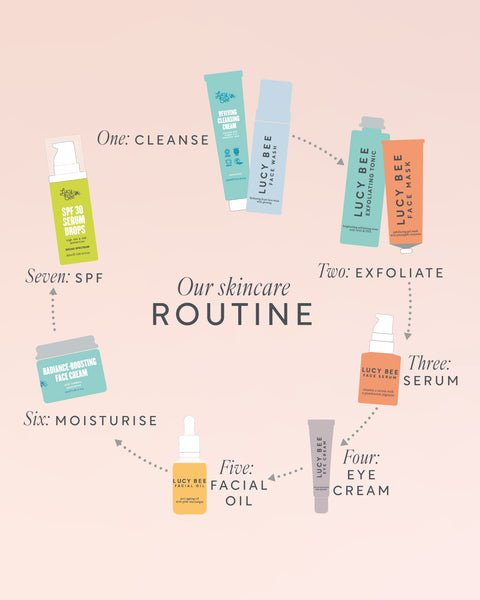
Building a vitamin C skincare routine helps brighten and protect your skin daily. Vitamin C works best with a simple, consistent approach. Proper steps ensure your skin absorbs the vitamin well and stays healthy. Follow these key parts to create an effective routine.
Cleansing And Preparing Skin
Start with a gentle cleanser to remove dirt and oil. Clean skin helps vitamin C absorb better. Use lukewarm water to avoid irritation. Pat your face dry with a soft towel. Avoid rubbing to protect your skin barrier. For extra prep, apply a light toner to balance skin’s pH.
Applying Vitamin C Serum
Use a few drops of vitamin C serum on your fingertips. Gently press the serum onto your face and neck. Avoid rubbing too hard to keep skin calm. Let the serum absorb fully before the next step. Vitamin C serums with 10-20% concentration work well for most skin types.
Moisturizing And Sunscreen Use
After serum absorption, apply a moisturizer to lock in hydration. Choose a moisturizer that suits your skin type. Sunscreen is essential to protect your skin from UV damage. Use broad-spectrum sunscreen with SPF 30 or higher. Apply sunscreen every morning, even on cloudy days.
Morning Vs. Night Application
Vitamin C is best used in the morning to protect against daytime pollution and sun damage. Night use can also help with skin repair but may be less effective without sun exposure. For sensitive skin, start with nighttime use and slowly introduce morning application. Consistency matters more than timing for long-term benefits.
Common Mistakes To Avoid
Vitamin C is a powerful addition to your skincare routine, but using it incorrectly can reduce its effectiveness or even cause irritation. Avoiding common mistakes helps you get the best results and keeps your skin healthy. Let’s look at some pitfalls you should watch out for.
Overusing Vitamin C Products
Using too much vitamin C can overwhelm your skin and lead to redness or sensitivity. Your skin needs time to absorb and benefit from the product, so applying multiple vitamin C items or layering too often may do more harm than good.
Think about how your skin feels after each use. If you notice irritation, cut back to once a day or every other day. Sometimes, less really is more.
Skipping Sunscreen
Vitamin C can brighten your skin and protect against free radicals, but it doesn’t replace sunscreen. If you skip sunscreen, you expose your skin to UV damage that vitamin C alone can’t block.
Always apply a broad-spectrum sunscreen with at least SPF 30 after your vitamin C serum. Ask yourself: are you protecting your skin enough throughout the day?
Mixing With Incompatible Ingredients
Not all skincare ingredients play well with vitamin C. Combining it with products containing niacinamide, benzoyl peroxide, or retinol can reduce effectiveness or cause irritation.
To avoid this, use vitamin C in the morning and retinol at night, or separate application times for other actives. Have you checked your other products for ingredients that might clash?
Boosting Results With Complementary Ingredients
Vitamin C works best with other ingredients that enhance its effects. Combining the right products can improve skin brightness, hydration, and protection. These complementary ingredients help stabilize Vitamin C and boost its benefits.
Vitamin E And Ferulic Acid
Vitamin E pairs perfectly with Vitamin C to increase antioxidant power. It protects skin cells from damage caused by free radicals. Ferulic acid stabilizes both Vitamin C and Vitamin E, making them last longer. This trio brightens skin and reduces signs of aging.
Hyaluronic Acid For Hydration
Vitamin C can sometimes dry the skin. Hyaluronic acid balances this by adding deep hydration. It holds moisture in the skin, making it look plump and smooth. Use hyaluronic acid after Vitamin C to keep skin soft and fresh.
Niacinamide And Retinol Integration
Niacinamide calms skin and reduces redness. It works well with Vitamin C but avoid mixing them in one product. Use Vitamin C in the morning and niacinamide at night for best results. Retinol improves skin texture and boosts collagen. Apply retinol on different nights than Vitamin C to prevent irritation.
Real-life Tips For Lasting Glow
Achieving a lasting glow with Vitamin C skincare isn’t just about buying the most expensive serum. It’s about how you use it every day and how you adapt your routine to your unique skin needs. Real-life tips can make all the difference between a fleeting brightness and a skin transformation that lasts.
Consistency And Patience
Vitamin C doesn’t deliver instant magic. Your skin needs time to respond, usually several weeks. Applying your serum daily, preferably in the morning, helps protect your skin from environmental damage and build that glow gradually.
Think of it like watering a plant. You wouldn’t expect it to bloom overnight, right? If you skip days or use it irregularly, your skin won’t get the full benefit. Have you noticed how your skin reacts when you miss a few days?
Patch Testing New Products
Before slathering Vitamin C all over your face, test it on a small patch of skin. This prevents surprises like irritation or redness. Even if you’ve used Vitamin C before, different brands or concentrations can affect your skin differently.
Try applying a small amount on your inner wrist or behind your ear. Wait 24 hours and watch for any reaction. This simple step saves you from painful breakouts or dryness later on.
Adjusting Routine For Seasonal Changes
Your skin’s needs change with the seasons, and so should your Vitamin C routine. In summer, your skin might be oilier and more prone to sun exposure, so pairing Vitamin C with a lightweight moisturizer and a broad-spectrum SPF is essential.
In winter, dryness can take over. You may want to add a richer moisturizer or reduce the Vitamin C concentration to avoid irritation. Have you ever noticed your skin acting differently between seasons?
Adapting your routine with these changes keeps your skin balanced and glowing all year long.

Credit: www.evolvebeauty.com
Frequently Asked Questions
What Are The Benefits Of A Vitamin C Skincare Routine?
Vitamin C brightens skin, reduces wrinkles, and protects against sun damage. It boosts collagen production for firmer skin. Regular use improves skin tone and texture, leaving a radiant complexion.
When Is The Best Time To Apply Vitamin C Serum?
Apply Vitamin C serum in the morning after cleansing. It helps protect skin from environmental damage throughout the day. Follow with moisturizer and sunscreen for maximum benefits.
Can Vitamin C Skincare Products Cause Irritation?
Vitamin C can cause mild irritation, especially for sensitive skin. Start with a lower concentration and patch test first. Gradually increase use to build tolerance without redness or discomfort.
How Should Vitamin C Be Stored For Effectiveness?
Store Vitamin C products in a cool, dark place. Exposure to air and light degrades potency quickly. Keep bottles tightly sealed to maintain freshness and effectiveness.
Conclusion
Vitamin C can brighten and protect your skin daily. Use it after cleansing and before moisturizing. Consistency helps improve texture and reduce dark spots. Choose a product that suits your skin type. Store it away from light to keep it fresh.
A simple routine with vitamin C brings clear, healthy skin. Start small, watch your skin glow over time. Simple steps lead to lasting skin benefits.
