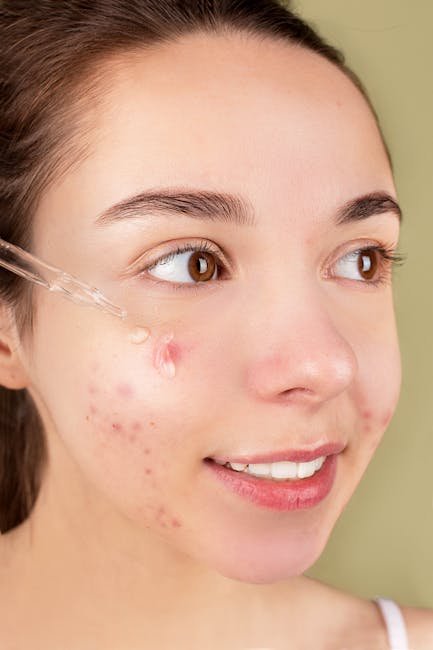
Are you searching for a skincare ingredient that tackles multiple skin concerns with ease? Look no further than azelaic acid.
This unsung hero of the skincare world is here to transform your routine and elevate your skin’s health. Imagine waking up to a complexion that’s clearer, brighter, and smoother. With azelaic acid, achieving this dream skin is within reach. If you’ve been struggling with issues like acne, redness, or uneven skin tone, this powerhouse ingredient might just be your new best friend.
Keep reading to discover how incorporating azelaic acid into your skincare routine can revolutionize your skin, leaving you with the glowing, confident look you’ve always wanted.

Credit: www.pennsmithskincare.com
Benefits Of Azelaic Acid
Azelaic acid is a powerful skincare ingredient that can transform your skin with consistent use. It offers multiple benefits that target common skin concerns without harsh side effects. If you’ve been struggling with acne, uneven skin tone, or inflammation, azelaic acid could be the solution you need.
Fights Acne And Blemishes
Azelaic acid works by killing the bacteria that cause acne, reducing the chance of breakouts. It also helps to clear clogged pores, which are often the root cause of blemishes. Many users notice fewer pimples and less redness after just a few weeks of using azelaic acid products.
Evens Skin Tone
Uneven skin tone can make your complexion look dull or patchy. Azelaic acid gently exfoliates the skin, encouraging cell turnover that smooths out discoloration. This makes your skin look brighter and more balanced without irritation.
Reduces Inflammation
If your skin often feels irritated or inflamed, azelaic acid can calm it down effectively. It has anti-inflammatory properties that soothe redness and swelling, making it ideal for sensitive or rosacea-prone skin. Imagine waking up to skin that feels comfortable instead of tight or itchy.
Minimizes Dark Spots
Dark spots from sun damage or acne scars can be stubborn and frustrating. Azelaic acid interferes with melanin production, which helps fade these spots over time. You don’t need to rely on harsh treatments to see a noticeable reduction in pigmentation.

Credit: theordinary.com
Choosing The Right Azelaic Acid Product
Choosing the right azelaic acid product is key for effective skincare. This choice impacts results and skin comfort. Understanding different product types, strengths, and skin compatibility helps make the best decision. This section breaks down these factors to guide your selection process.
Different Formulations
Azelaic acid comes in various forms. Creams, gels, and foams each offer unique benefits. Creams often suit dry or sensitive skin. Gels typically feel lighter and work well for oily skin. Foams can spread easily and absorb quickly. Pick a formulation that matches your skin’s feel and needs.
Concentration Levels
Azelaic acid products vary in strength. Common concentrations include 10%, 15%, and 20%. Lower percentages suit beginners or sensitive skin. Higher concentrations may offer faster results but can cause irritation. Start with a lower strength to test skin tolerance. Increase concentration only if your skin reacts well.
Suitability For Skin Types
Skin type guides azelaic acid choice. Dry skin benefits from moisturizing creams with azelaic acid. Oily skin may prefer gels or foams to reduce shine. Sensitive skin requires gentle formulas with soothing ingredients. Combination skin can use creams or gels on different areas. Match the product to your skin’s unique needs for best results.
Incorporating Azelaic Acid Into Your Routine
Adding azelaic acid to your skincare routine can deliver impressive results, but timing and method matter a lot. How you use it impacts both effectiveness and skin comfort. Let’s look at the best moments to apply it, the precise way to do so, and what products play well alongside azelaic acid.
Morning Vs Evening Use
Deciding between morning and evening depends on your skin type and daily activities. Azelaic acid is gentle enough for both, but it can increase your skin’s sensitivity to sunlight.
- Morning:If you apply azelaic acid in the morning, always follow with a broad-spectrum sunscreen. This prevents irritation and protects your skin from UV damage.
- Evening:Using it at night allows the acid to work without sun exposure, often reducing the chance of redness or dryness. It also pairs well with your nighttime repair routine.
Have you noticed your skin reacts differently depending on the time you apply treatments?
Step-by-step Application
Applying azelaic acid correctly maximizes its benefits and minimizes irritation. Cleanse your face thoroughly before starting.
- Pat your skin dry with a soft towel.
- Apply a pea-sized amount of azelaic acid evenly across your face.
- Gently massage it in, avoiding the eye area.
- Wait a few minutes to let it absorb fully before adding moisturizer or other products.
Using too much can cause stinging or dryness—less is often more with azelaic acid.
Combining With Other Products
Pairing azelaic acid with the right products can boost its power without overwhelming your skin. It works well with gentle cleansers and moisturizers that soothe and hydrate.
- Compatible:Niacinamide and hyaluronic acid support skin barrier repair and hydration alongside azelaic acid.
- Use caution:Avoid layering with strong exfoliants like AHAs, BHAs, or retinol on the same day to prevent irritation.
- Tip:Introduce new products slowly and observe how your skin responds.
How do you balance your skincare ingredients to avoid overloading your skin?
Potential Side Effects And Precautions
Azelaic acid is a popular ingredient praised for its ability to tackle acne, rosacea, and hyperpigmentation. But like any active skincare component, it comes with potential side effects and precautions you should be aware of. Understanding these can help you use azelaic acid safely and effectively without unpleasant surprises.
Common Reactions
Many users experience mild irritation when first starting azelaic acid. This can include redness, dryness, or a slight burning sensation. These reactions often fade after a few days as your skin adjusts.
However, if you notice persistent itching, swelling, or severe redness, it could signal an allergic reaction. In my experience, patchy redness lasted about a week before my skin calmed down. Listening to your skin’s signals is crucial to avoid damage.
Patch Testing Tips
Before applying azelaic acid all over your face, try a patch test. Apply a small amount to a discreet area like behind your ear or on your inner wrist. Wait 24 to 48 hours to check for any adverse reaction.
If you see no irritation or discomfort, it’s likely safe to proceed. Keep a journal of your skin’s response to note any delayed reactions. This simple step can save you from a full-face flare-up.
Who Should Avoid Azelaic Acid
Not everyone should use azelaic acid. If you have extremely sensitive skin or known allergies to dicarboxylic acids, steer clear. Pregnant or breastfeeding women should consult their doctor before adding azelaic acid to their routine.
People using other strong actives like retinoids or exfoliating acids might want to introduce azelaic acid slowly or avoid mixing altogether. Ask yourself: Is my skin currently stable enough for another active, or could this cause more harm than good?
Tips For Maximizing Results
Getting the most out of azelaic acid in your skincare routine means paying attention to a few key habits. These tips help your skin respond better and keep issues like redness, acne, and uneven tone at bay. Are you ready to make your routine truly work for you?
Consistency And Patience
Azelaic acid needs time to show its effects. Using it daily, as directed, gives your skin the steady exposure it needs to improve texture and tone.
Skipping days or using it irregularly can slow progress and cause frustration. Think of it like training a muscle—results come with regular effort.
Don’t expect overnight miracles. It often takes 4 to 8 weeks before you notice visible improvements. Keep going even if you don’t see immediate changes.
Sun Protection Importance
Azelaic acid can make your skin more sensitive to sunlight. Wearing a broad-spectrum sunscreen every day protects your skin from damage and prevents irritation.
Without sun protection, you risk undoing the benefits of azelaic acid and increasing redness or dryness. Apply sunscreen at least 15 minutes before heading outdoors.
If you spend a lot of time outside, reapply every two hours or use physical blockers like hats and sunglasses. Think of sun protection as a crucial partner in your routine.
Hydration And Moisturizing
Azelaic acid can sometimes cause dryness or flakiness. Adding a gentle, hydrating moisturizer helps keep your skin balanced and comfortable.
Look for moisturizers with soothing ingredients like ceramides, hyaluronic acid, or glycerin. These support your skin barrier without clogging pores.
Applying moisturizer right after azelaic acid locks in hydration and reduces irritation. Have you noticed how much smoother your skin feels when it’s well-moisturized?

Credit: www.allure.com
Frequently Asked Questions
What Is The Best Time To Apply Azelaic Acid?
Apply azelaic acid in the morning or evening after cleansing. Follow with moisturizer and sunscreen during the day for protection. Consistency improves results and minimizes irritation.
Can Azelaic Acid Treat Acne And Rosacea?
Yes, azelaic acid reduces inflammation and kills acne-causing bacteria. It also calms redness from rosacea, making it effective for both conditions.
How Often Should I Use Azelaic Acid Skincare Products?
Start using azelaic acid once daily, then increase to twice daily if tolerated. Avoid overuse to prevent dryness and irritation.
Can I Combine Azelaic Acid With Other Skincare Products?
Azelaic acid pairs well with moisturizers and sunscreens. Avoid using it with strong exfoliants or retinoids initially to reduce irritation risk.
Conclusion
Azelaic acid fits well in many skincare routines. It helps clear skin and reduce redness gently. Use it regularly for steady, visible results. Start slow to avoid irritation and build tolerance. Pair with sunscreen for best protection and care. Keep your routine simple and consistent each day.
Watch your skin improve with patience and care. Small steps lead to healthier, glowing skin. Try azelaic acid and see the difference yourself.
