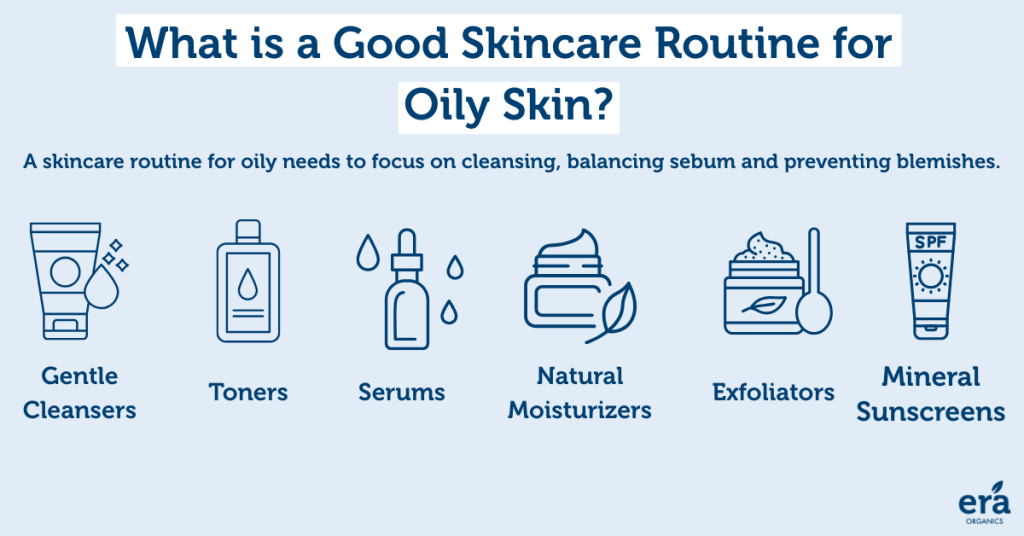
Imagine waking up every morning to skin that feels fresh, looks radiant, and is ready to take on the day. Sounds dreamy, right?
Well, it’s not as far-fetched as you might think. By mastering the basics of a skincare routine, you can turn this dream into reality. Whether you’re a skincare newbie or someone looking to refine their regimen, understanding the essentials is key to achieving healthy, glowing skin.
With countless products and advice out there, it can be overwhelming to know where to start. But don’t worry, this guide is here to simplify things for you. By the end of this article, you’ll have a clear, straightforward plan to give your skin the care it truly deserves. Ready to dive into the world of skincare and unlock your skin’s potential? Keep reading!
Daily Cleansing Habits
Daily cleansing is the cornerstone of any effective skincare routine. It removes dirt, oil, and impurities that build up on your skin throughout the day and night. Without proper cleansing habits, even the best skincare products won’t work as well.
Choosing The Right Cleanser
Picking a cleanser that fits your skin type is crucial. If you have oily skin, a foaming or gel cleanser can help remove excess oil without stripping moisture. For dry or sensitive skin, a cream or lotion-based cleanser provides gentle hydration while cleaning.
Think about your skin’s unique needs before grabbing the first cleanser on the shelf. Are you dealing with acne, dryness, or redness? Look for ingredients that target those concerns, such as salicylic acid for acne or soothing aloe for irritation.
Morning Vs Evening Cleansing
Cleansing in the morning wakes up your skin and clears away any sweat or oils produced overnight. A gentle cleanser is enough to refresh your face without over-drying it.
Evening cleansing, on the other hand, should be more thorough. You need to remove makeup, sunscreen, and pollutants accumulated during the day. Many find double cleansing helpful here—starting with an oil-based cleanser followed by a water-based one ensures your skin is completely clean.
Have you noticed your skin feels tight or irritated after cleansing? That’s a sign to adjust your product or technique. The goal is clean skin that feels comfortable, not stripped or dry.

Credit: www.reddit.com
Toning For Balance
Toning plays a crucial role in your skincare routine by restoring your skin’s natural balance after cleansing. It helps remove leftover impurities and prepares your skin to absorb moisturizers and treatments more effectively. If you’ve ever felt tight or dry after washing your face, toning could be the missing step that keeps your skin feeling comfortable and hydrated.
Benefits Of Toners
Toners do more than just refresh your skin. They help tighten pores, reduce redness, and even out your skin tone. Many toners contain antioxidants and soothing ingredients that protect your skin from environmental stress.
One surprising benefit I noticed was how toner helped control oil without stripping moisture. Instead of feeling dry and flaky, my skin felt calm and balanced throughout the day. Could your skin benefit from this kind of balance?
Selecting Suitable Toner Types
Choosing the right toner depends on your skin type and concerns. If you have dry or sensitive skin, look for alcohol-free toners with hydrating ingredients like glycerin or rose water. Oily or acne-prone skin types may find salicylic acid or witch hazel-based toners helpful.
Always check the ingredient list and avoid harsh chemicals that can irritate your skin. If you’re unsure, test the toner on a small skin patch before applying it to your whole face. What ingredients does your skin respond to best?
Moisturizing Essentials
Moisturizing is a key step in any skincare routine, yet many people overlook its importance or use the wrong products for their skin type. Proper hydration keeps your skin healthy, balanced, and glowing throughout the day. Understanding how to choose and apply moisturizers can transform your skin care results.
Hydration For Different Skin Types
Your skin type determines what kind of moisturizer works best for you. If you have oily skin, a lightweight, oil-free gel moisturizer can hydrate without clogging pores. Dry skin benefits from rich creams that lock in moisture and repair the skin barrier.
Combination skin requires a balanced approach—consider using different moisturizers on various parts of your face. Sensitive skin needs gentle, fragrance-free formulas to avoid irritation. Have you ever noticed your skin feeling tight after washing? That’s a sign your moisturizer isn’t doing enough.
Layering Moisturizers And Serums
Layering your skincare products correctly enhances hydration and nutrient absorption. Start with a serum that targets your specific concerns, like hyaluronic acid for hydration or vitamin C for brightening. Let it absorb before applying your moisturizer to seal in the benefits.
Applying moisturizer over serum creates a protective barrier that locks in moisture. Avoid mixing too many heavy products at once, as this can clog pores or cause pilling. Have you tried layering your products this way? It might just be the simple change your routine needs.
Credit: timicosmetics.com
Sun Protection Steps
Sun protection is a key part of any basic skincare routine. It helps prevent skin damage, premature aging, and reduces the risk of skin cancer. Understanding how to protect your skin from harmful UV rays can make a big difference in your skin’s health and appearance.
Importance Of Sunscreen
Sunscreen shields your skin from ultraviolet (UV) rays that cause sunburn and long-term damage. Even on cloudy days, UV rays can penetrate and harm your skin, so skipping sunscreen is risky. Have you ever noticed your skin feels tight or looks uneven after spending a day outside without protection?
Using sunscreen daily helps maintain an even skin tone and prevents dark spots. It also keeps your skin’s collagen intact, which slows down wrinkles and sagging. Think of sunscreen as a daily armor that keeps your skin strong and youthful.
Applying Sunscreen Correctly
Applying sunscreen isn’t just about slapping it on your face. You need enough product—about a teaspoon for your face and a shot glass amount for your body—to get full protection. Many people apply too little, which reduces effectiveness.
Make sure to apply sunscreen 15-30 minutes before going outside to allow it to absorb properly. Don’t forget often-missed spots like ears, neck, and the back of your hands. Reapply every two hours, especially if you’re sweating or swimming.
- Use broad-spectrum sunscreen with at least SPF 30
- Apply generously and evenly
- Reapply after swimming or sweating heavily
- Wear protective clothing and sunglasses for extra defense
Have you noticed how your skin reacts when you skip these steps? Taking the time to apply sunscreen properly can save you from uncomfortable sunburns and long-term skin damage.
Weekly Skincare Boosts
Weekly skincare boosts help keep your skin fresh and healthy. They go beyond daily care, targeting deeper skin needs. These treatments clear dead skin, hydrate, and brighten your face. Adding weekly boosts improves your skin’s texture and glow over time.
Exfoliation Techniques
Exfoliation removes dead skin cells that make skin look dull. It helps clear pores and smooth the surface. Use gentle scrubs or chemical exfoliants with ingredients like AHAs or BHAs. Avoid harsh scrubbing to prevent irritation.
- Choose an exfoliant suited to your skin type.
- Apply in circular motions for physical scrubs.
- For chemical exfoliants, follow product instructions carefully.
- Limit exfoliation to once or twice a week.
Exfoliation reveals fresh skin and helps other products absorb better.
Using Face Masks
Face masks give your skin a deep treatment once a week. They target specific concerns like dryness, oiliness, or dullness. Clay masks absorb excess oil and impurities. Hydrating masks add moisture and soothe the skin.
- Pick a mask based on your skin’s current needs.
- Apply evenly on clean skin and leave on for the recommended time.
- Rinse gently with lukewarm water after use.
- Use masks 1-2 times per week for best results.
Face masks refresh your skin and give it a healthy boost.

Credit: themomedit.com
Lifestyle Tips For Radiance
Healthy skin shines from the inside out. Simple lifestyle habits can boost your skin’s natural glow. Small changes in daily routines help keep skin bright and fresh. Focus on what you eat, how much you rest, and how you manage stress.
Diet And Hydration
Eating a balanced diet supports skin health. Fresh fruits and vegetables provide vitamins and antioxidants. These nutrients protect skin from damage and help repair cells. Drinking enough water keeps skin hydrated and plump. Aim for at least eight glasses daily. Avoid too much sugar and processed food. They can cause breakouts and dullness.
Sleep And Stress Management
Good sleep helps skin renew and repair itself. Aim for seven to eight hours every night. Poor sleep makes skin look tired and dull. Stress triggers skin problems like acne and redness. Practice relaxation techniques such as deep breathing or meditation. Regular exercise also reduces stress and improves skin glow.
Frequently Asked Questions
What Are The Essential Steps In A Skincare Routine?
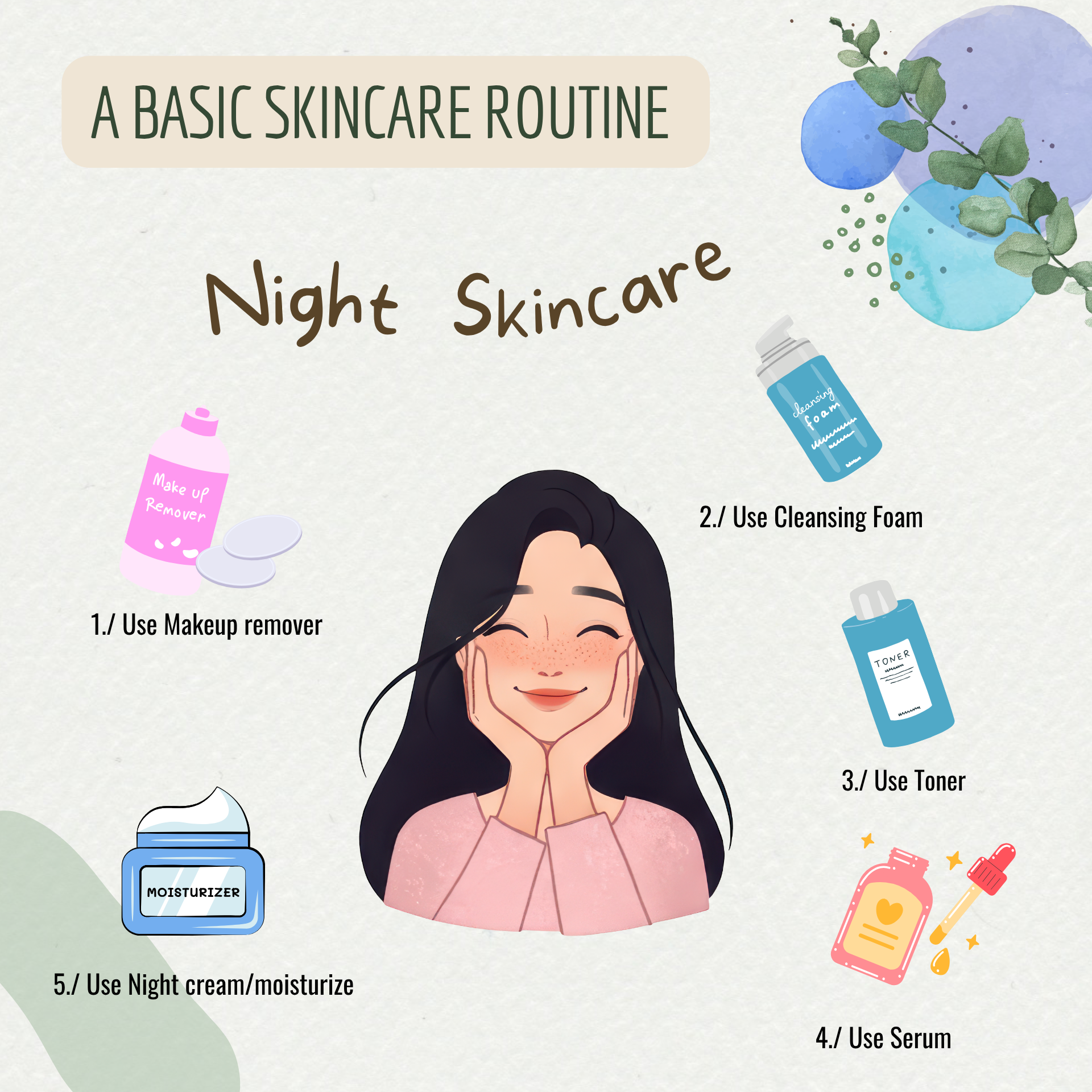
A basic skincare routine includes cleansing, toning, moisturizing, and applying sunscreen. These steps keep skin clean, hydrated, and protected from damage. Consistency is key for visible results and healthy skin.
How Often Should I Follow My Skincare Routine?
You should follow your skincare routine twice daily—morning and night. Morning care protects skin from environmental damage. Night care helps repair and hydrate skin while you sleep.
Can I Skip Toner In My Skincare Routine?
Toner is optional but beneficial for balancing skin pH and removing leftover impurities. It can enhance hydration and prepare skin for moisturizers, especially for oily or acne-prone skin types.
Why Is Sunscreen Important In A Skincare Routine?
Sunscreen protects skin from harmful UV rays that cause premature aging and skin cancer. Using SPF daily prevents sun damage, wrinkles, and dark spots, maintaining healthy, youthful skin.
Conclusion
A basic skincare routine keeps your skin clean and healthy. Cleanse your face gently to remove dirt and oil. Use moisturizer daily to keep skin soft and smooth. Protect your skin with sunscreen before going outside. Drink water often for extra skin hydration.
Stick to these simple steps for clear skin. Consistency is the key to seeing good results. Start small and build your routine over time. Healthy skin feels good and looks fresh every day.
