Unlock the secret to radiant, youthful skin with the power of retinol. If you’ve ever wondered how to seamlessly incorporate this skincare superhero into your daily routine, you’re in the right place.
Retinol, a form of Vitamin A, is revered for its ability to reduce wrinkles, fade dark spots, and enhance your skin’s texture. But how do you use it effectively without overwhelming your skin? This guide is designed to empower you with simple steps and practical tips to make retinol a staple in your skincare regimen.
Ready to transform your complexion? Let’s dive in and discover how you can achieve glowing skin with confidence.
Benefits Of Retinol
Retinol is a powerhouse ingredient that can transform your skin in several meaningful ways. Adding it to your skincare routine can deliver visible improvements over time. Understanding the benefits can help you decide how to use retinol effectively for your unique skin needs.
Boosting Collagen Production
Retinol encourages your skin to produce more collagen, a protein that keeps skin firm and elastic. As you age, collagen naturally decreases, leading to sagging and dullness. Using retinol regularly can help maintain a youthful bounce and reduce the appearance of loose skin.
Reducing Fine Lines And Wrinkles
One of retinol’s most talked-about benefits is its ability to smooth out fine lines and wrinkles. It speeds up cell turnover, helping your skin shed dead cells and reveal fresher, younger-looking layers underneath. You might notice softer lines around your eyes and mouth after consistent use.
Improving Skin Texture And Tone
Uneven texture and dull skin can make you look tired and older. Retinol works to refine your skin’s surface, making it smoother and more even-toned. If you struggle with rough patches or dark spots, retinol can gradually fade these imperfections and brighten your complexion.
Fighting Acne And Breakouts
Retinol isn’t just for aging skin; it’s also a powerful tool against acne. It clears clogged pores and reduces inflammation, which helps prevent new breakouts. If you’ve battled stubborn acne, retinol can be a game-changer when used carefully and consistently.
Choosing The Right Retinol
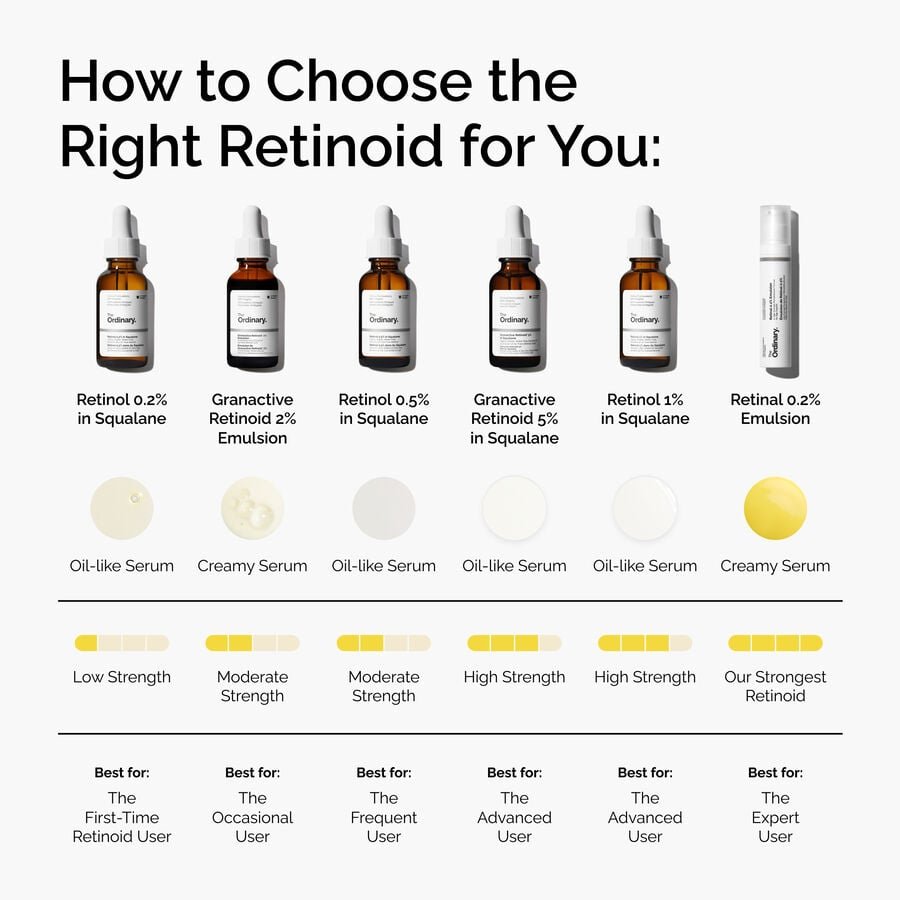
Choosing the right retinol is key to a good skincare routine. It affects how well your skin improves and how comfortable the process feels. Different retinol products suit different skin needs and goals. Understanding the types and strengths helps pick the best option for your skin.
Different Retinol Concentrations
Retinol comes in several strengths, usually from 0.1% to 1%. Beginners should start with low concentrations. This reduces the chance of irritation and redness. Gradually increasing the strength helps your skin adjust. Higher concentrations work faster but can cause dryness and peeling. Find a balance that fits your skin’s tolerance.
Retinol Vs. Retinoids
Retinol is a type of retinoid, but not all retinoids are retinol. Retinoids include prescription forms like tretinoin and over-the-counter retinol. Prescription retinoids are stronger and need doctor supervision. Retinol is milder and easier to buy. Choose retinol for gentle daily use and retinoids for stronger treatment under guidance.
Selecting Formulations For Skin Types
Different skin types need different retinol formulations. For dry skin, choose retinol in creams or oils to add moisture. Oily skin works well with gels or lightweight lotions. Sensitive skin benefits from products with soothing ingredients and lower retinol levels. Combination skin may need to apply retinol only on dry or problem areas.
Preparing Your Skin
Preparing your skin before adding retinol is essential to avoid irritation and maximize benefits. It’s about creating a smooth, hydrated base that can handle retinol’s potency without reacting harshly. Taking the time to prep helps you build a routine that your skin will thank you for.
Cleansing And Exfoliating
Start with a gentle cleanser to remove dirt and oil without stripping your skin’s natural moisture. Avoid harsh scrubs or aggressive exfoliants right before using retinol, as these can increase sensitivity. Instead, opt for mild chemical exfoliants like lactic acid a few times a week to keep your skin fresh and ready.
Moisturizing Before Retinol
Applying a moisturizer before retinol can reduce dryness and irritation. This “buffering” technique helps your skin adjust gradually. Choose a lightweight, hydrating moisturizer and let it absorb fully before adding retinol to your routine.
Patch Testing For Sensitivity
Before applying retinol to your entire face, test it on a small skin area like your jawline. Observe for 24 to 48 hours to check for redness, itching, or excessive dryness. This simple step can save you from unexpected reactions and help you decide the right frequency for use.

Credit: www.clinikally.com
Starting Retinol Use
Starting retinol use can feel intimidating, especially if your skin is sensitive or you’ve never tried active ingredients before. The key is to introduce it gently and smartly to avoid irritation while still benefiting from its powerful effects. Let’s look at how to start with retinol in a way that works for your skin’s needs and lifestyle.
Frequency And Timing
Begin by applying retinol only twice a week to let your skin adjust. Notice how your skin reacts—if there’s no redness or dryness, you can increase the frequency to every other night. Most people find applying retinol at night works best because sunlight can reduce its effectiveness and increase sensitivity.
Have you checked if your current routine has ingredients that might clash with retinol? Avoid using strong exfoliants or vitamin C on the same night to prevent irritation.
Using Pea-sized Amounts
Less is more with retinol. A pea-sized amount is enough to cover your entire face. This small quantity helps minimize irritation while delivering effective results.
Spread it evenly and avoid the eye area unless the product is specially formulated for that delicate skin. Using too much won’t speed up results—it often causes redness and peeling instead.
Avoiding Common Mistakes
- Don’t skip moisturizer:Applying a hydrating layer after retinol calms the skin and reduces dryness.
- Be patient:Results take weeks, not days. Avoid switching products too quickly.
- Avoid mixing with harsh products:Combining retinol with strong acids or benzoyl peroxide can lead to excessive irritation.
- Wear sunscreen daily:Retinol makes your skin more sensitive to UV rays, so sun protection is non-negotiable.
Starting retinol use carefully can change your skin without the pain of common side effects. Are you ready to give your skin this gentle boost?
Building Tolerance Safely
Building tolerance to retinol is key to making it a beneficial part of your skincare routine without overwhelming your skin. Retinol can cause irritation, redness, or dryness if introduced too quickly. Taking a careful, patient approach helps your skin adjust and lets you enjoy the benefits with fewer side effects.
Gradual Increase In Application
Start by using retinol only once or twice a week. This gives your skin time to get used to the active ingredient. After a couple of weeks, slowly increase the frequency to every other night, then eventually to nightly, if your skin handles it well.
Pay attention to how your skin reacts. If you notice redness or peeling, hold back on increasing the frequency. This gradual buildup helps your skin develop tolerance without unnecessary irritation.
Combining With Other Products
Pair retinol with gentle, hydrating products to protect your skin barrier. Use a mild cleanser and a moisturizer rich in ceramides or hyaluronic acid to keep your skin calm and hydrated.
Avoid using retinol alongside other strong actives like AHAs or BHAs initially. Mixing too many active ingredients can increase irritation and make it harder for your skin to adjust.
Managing Irritation And Dryness
If your skin becomes dry or irritated, reduce the retinol application frequency or apply a thicker moisturizer afterward. Some people find applying moisturizer before retinol helps buffer the intensity.
Listen closely to your skin’s signals and don’t push through discomfort. Is your skin asking for more moisture or a break? Responding to these cues is crucial for safe tolerance building and long-term success.
Credit: www.lemon8-app.com
Maximizing Results
Maximizing the benefits of retinol requires careful care and attention. Retinol works best when combined with other good skin habits. This helps to improve skin texture, tone, and clarity over time. Consistency and protection are key to getting the best results.
Incorporating Sunscreen Daily
Retinol makes your skin more sensitive to the sun. Always use sunscreen with at least SPF 30 every day. Apply it in the morning, even on cloudy days. Sunscreen protects your skin from damage and prevents irritation. It also helps maintain the improvements retinol brings.
Complementary Skincare Ingredients
Use gentle and hydrating products alongside retinol. Ingredients like hyaluronic acid and niacinamide work well. They help soothe and moisturize the skin. Avoid harsh scrubs or strong acids that can cause irritation. Balanced skincare keeps your skin calm and healthy.
Consistent Routine For Best Effects
Apply retinol regularly, but start slow to build tolerance. Use it two to three times a week at first. Gradually increase to nightly use if your skin allows. Stick to the routine for several weeks to see clear results. Patience and steady care lead to smoother, brighter skin.
When To Seek Professional Advice
Retinol can improve skin texture and reduce wrinkles. Yet, it can cause irritation or dryness in some people. Knowing when to seek professional advice helps protect your skin health. Watch your skin’s response closely during the first weeks of use.
Signs Of Severe Irritation
Severe irritation means more than mild redness or dryness. Symptoms to watch for include:
- Intense burning or stinging sensation
- Swelling or blistering
- Persistent redness lasting several days
- Peeling that causes open sores
Stop retinol immediately if these signs appear. Consult a professional to prevent long-term damage.
Customizing Retinol For Skin Concerns
Skin types vary. Some need gentler retinol forms or lower concentrations. Professionals can suggest options based on your skin’s needs.
They might recommend:
- Slower introduction schedules
- Combining with moisturizers to reduce dryness
- Alternative products with similar benefits
Customizing retinol use improves results and reduces side effects.
Consulting Dermatologists
Dermatologists understand skin reactions and retinol effects well. They can diagnose issues and offer safe solutions.
Seek expert help if you:
- Experience unusual or severe symptoms
- Have sensitive or allergy-prone skin
- Use other active skincare ingredients
- Are pregnant or breastfeeding
A dermatologist’s advice ensures safe and effective retinol use.
Credit: sundayriley.com
Frequently Asked Questions
What Is The Best Way To Start Using Retinol?
Begin with a low concentration retinol product. Use it twice a week at night. Gradually increase frequency as skin adapts to avoid irritation.
Can Retinol Cause Skin Dryness Or Irritation?
Yes, retinol may cause dryness or irritation initially. Use a moisturizer and start slowly. This helps your skin build tolerance over time.
When Should I Apply Retinol In My Skincare Routine?
Apply retinol after cleansing and drying your face. Follow with a moisturizer to lock in hydration. Use retinol only at night to avoid sun sensitivity.
How Long Does It Take To See Retinol Results?
Visible improvements usually appear after 4 to 6 weeks. Consistent use is key for best results. Retinol promotes cell turnover and collagen production over time.
Conclusion
Start slow and watch how your skin reacts to retinol. Use a small amount, and apply it at night. Pair retinol with moisturizer to reduce dryness and irritation. Avoid sun exposure or use sunscreen during the day. Consistency is key for visible results over time.
Patience pays off—skin improves gradually with regular care. Enjoy healthier, smoother skin by adding retinol carefully. Stick to these simple steps for the best skincare routine.