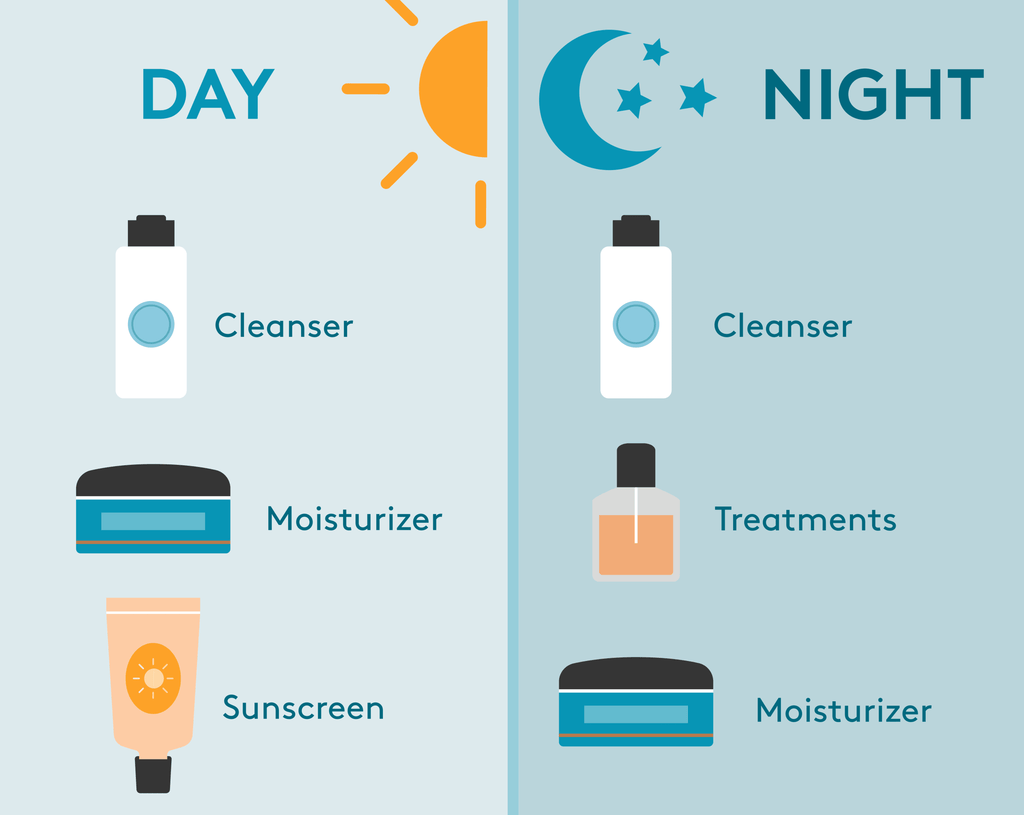
Are you tired of dealing with flaky patches and an uncomfortable tight feeling on your face? If your skin often feels like the Sahara Desert, you’re not alone.
Dry skin can be challenging and frustrating, but the good news is that the right skincare routine can transform your skin into a smooth, hydrated canvas. Imagine waking up to a complexion that feels soft, looks radiant, and stays moisturized throughout the day.
Sounds appealing, right? We’ll dive into the best skincare routines tailored specifically for dry skin, so you can finally achieve the healthy, glowing skin you’ve been dreaming of. Ready to say goodbye to dryness and hello to a refreshed complexion? Let’s get started!

Credit: andalou.com
Causes Of Dry Skin
Understanding what causes dry skin is key to managing it effectively. Dry skin doesn’t just happen randomly; it often results from a mix of external and internal factors. Knowing these causes helps you tailor your skincare routine to bring back moisture and comfort.
Environmental Factors
The environment around you can take a toll on your skin’s moisture. Cold weather and low humidity strip away natural oils, leaving your skin rough and flaky. Even indoor heating during winter can dry out the air and your skin.
Sun exposure also damages your skin’s barrier, causing dryness and irritation. Are you protecting your skin enough against harsh weather and UV rays? Simple changes like using a humidifier or wearing sunscreen can make a big difference.
Lifestyle Habits
Your daily habits play a big role in how dry your skin feels. Long, hot showers or baths wash away natural oils that keep your skin hydrated. Using harsh soaps or skipping moisturizer after washing can worsen dryness.
What about your diet and water intake? Not drinking enough water or eating a diet low in healthy fats can reduce your skin’s ability to stay hydrated. Small shifts like cutting back on caffeine or adding omega-3 rich foods might help your skin hold onto moisture better.
Medical Conditions
Sometimes, dry skin signals an underlying health issue. Conditions like eczema, psoriasis, or hypothyroidism often cause persistent dryness that regular skincare can’t fix. If your skin feels tight and itchy despite your efforts, it may be time to consult a dermatologist.
Are you noticing other symptoms like redness, swelling, or cracking? These signs can point to medical causes that require specialized treatment. Understanding this can save you from frustration and help you find the right solutions faster.
Choosing The Right Cleanser
Choosing the right cleanser is vital for dry skin care. It helps clean without stripping natural oils. The right cleanser soothes and hydrates the skin. It prepares the skin to absorb moisturizers better. Understanding what to look for can improve your skin’s health and comfort.
Gentle And Hydrating Formulas
Select cleansers labeled as gentle or hydrating. These formulas often contain ingredients that add moisture. Look for:
- Glycerin
- Hyaluronic acid
- Aloe vera
- Oat extract
They help maintain the skin’s moisture barrier. Cream-based or lotion cleansers work well. Avoid foaming cleansers that can dry out skin further.
Avoiding Harsh Ingredients
Harsh ingredients can damage dry skin. Steer clear of:
- Sulfates like sodium lauryl sulfate
- Alcohols that dry the skin
- Strong fragrances
- High amounts of exfoliating acids
These can cause irritation and worsen dryness. Opt for products with simple, soothing ingredient lists. Always patch test new cleansers to avoid reactions.
Essential Moisturizers For Dry Skin
Finding the right moisturizer is crucial if you have dry skin. The right product not only hydrates but also protects your skin’s natural barrier. Choosing moisturizers designed specifically for dry skin can make a big difference in comfort and appearance.
Ingredients That Boost Hydration
Look for moisturizers that contain hyaluronic acid. It holds water in your skin, keeping it plump and hydrated throughout the day.
Glycerinis another ingredient to watch for. It draws moisture from the air into your skin, which helps reduce dryness and flakiness.
Don’t overlook ceramides. They repair and strengthen your skin barrier, preventing moisture loss. I once switched to a cream with ceramides, and my skin stopped feeling tight and rough.
Other helpful ingredients include shea butterand squalane, which deeply nourish and soothe dry patches.
Creams Vs. Oils
Choosing between creams and oils depends on your skin’s needs and your daily routine. Creams usually have a thicker texture and provide a protective layer that locks in moisture.
Oils, on the other hand, absorb quickly and can be great for sealing hydration after applying a serum or cream. I prefer oils in the evening because they give my skin a smooth, radiant finish without feeling heavy.
Consider your environment too—creams might be better for cold, dry climates, while oils work well in moderate weather. Have you noticed how your skin reacts differently depending on the product texture? That’s a clue to what your skin really needs.
Incorporating Serums And Treatments
Incorporating serums and treatments into a skincare routine can deeply benefit dry skin. These products target specific concerns and provide extra moisture and nourishment. Using the right serum helps improve skin texture and hydration.
Serums are lightweight and absorb quickly. Treatments often contain active ingredients that repair and protect the skin barrier. Choosing formulas made for dry skin ensures gentle care without irritation.
Hyaluronic Acid Benefits
Hyaluronic acid holds water in the skin, making it plump and soft. It can hold up to 1,000 times its weight in water. This ingredient helps skin stay hydrated throughout the day.
Applying hyaluronic acid serum after cleansing boosts moisture levels. It smooths fine lines caused by dryness. Using it regularly creates a healthy, glowing appearance.
Nourishing Oils And Antioxidants
Nourishing oils seal in moisture and protect dry skin. Oils like jojoba, argan, and rosehip are rich in fatty acids. These help repair the skin barrier and reduce flakiness.
Antioxidants fight free radicals that damage skin cells. Vitamins C and E are common antioxidants in serums. They brighten skin tone and calm irritation.
- Apply oils after serums for deeper hydration
- Choose antioxidant-rich treatments to protect skin
- Use gentle formulas to avoid clogging pores
Exfoliation Tips For Dry Skin
Exfoliation can be a tricky part of your skincare routine if you have dry skin. It’s important to remove dead skin cells without stripping away the natural oils that keep your skin hydrated. Done right, exfoliation can help your skin look brighter and feel smoother, but too much or the wrong type can cause irritation and flakiness.
Choosing Gentle Exfoliants
Pick exfoliants that are mild and designed specifically for dry or sensitive skin. Avoid harsh scrubs with large, rough particles that can create tiny tears on your skin. Instead, look for products with ingredients like lactic acid or fruit enzymes, which gently dissolve dead skin without abrasion.
When I switched to a lactic acid exfoliant, I noticed my skin felt softer without the usual redness. Have you tried exfoliants with natural enzymes? They often provide a smoother experience for dry skin types.
Frequency And Techniques
Exfoliating too often can leave dry skin irritated and more prone to damage. Aim for once or twice a week to keep your skin balanced. Use light, circular motions rather than scrubbing hard, which helps avoid unnecessary irritation.
After exfoliating, always follow up with a rich moisturizer to lock in hydration. Think about how your skin feels the day after exfoliation—is it tight or comfortable? Adjust your frequency based on what your skin tells you.
Hydrating Masks And Night Care
Hydrating masks and night care are vital for dry skin. They restore moisture and soothe tight, flaky areas. These treatments help skin stay soft and healthy. Night care supports skin repair during deep rest.
Sheet Masks
Sheet masks deliver a powerful boost of hydration. They contain ingredients like hyaluronic acid and glycerin. These attract and lock in moisture. Use a sheet mask 2-3 times a week for best results.
- Apply on clean, dry skin.
- Leave on for 15-20 minutes.
- Gently pat excess serum into skin.
Sheet masks provide an instant, refreshing glow. They help calm irritation and reduce dryness quickly.
Overnight Treatments
Overnight treatments work while you sleep. They seal in moisture and support skin healing. These creams and balms are thicker than day creams. They create a protective barrier to stop water loss.
- Choose products with ceramides or natural oils.
- Apply a thin layer before bed.
- Wake up with softer, plumper skin.
Boosting Skin Repair While You Sleep
Nighttime is when skin rebuilds itself. Cells renew faster and absorb nutrients better. Dry skin benefits from gentle exfoliation before night care. This removes dead skin and improves product absorption.
- Use mild exfoliants 1-2 times a week.
- Apply rich moisturizers after exfoliating.
- Keep your bedroom humid for extra hydration.
Restful sleep combined with night care improves skin texture. Your skin wakes up feeling smooth and nourished.
Lifestyle Habits To Support Hydration
Supporting skin hydration goes beyond creams and lotions. Daily lifestyle habits play a key role in keeping dry skin soft and healthy. Small changes in routine can help maintain moisture levels and protect the skin barrier.
Diet And Water Intake
Eating foods rich in water helps hydrate your skin from inside. Fruits like watermelon, oranges, and cucumbers have high water content. Vegetables such as celery and lettuce also add moisture to the body.
Drinking enough water is essential. Aim for at least eight glasses a day. Water flushes out toxins and helps skin cells stay plump and smooth. Avoid too much caffeine or alcohol as they can dry out the skin.
Healthy fats support skin hydration. Include sources like avocados, nuts, and olive oil. These fats keep the skin barrier strong and lock moisture in.
Humidity And Skincare Environment
Low humidity can dry out skin quickly. Use a humidifier indoors, especially in winter or dry climates. This adds moisture to the air and prevents skin from losing water.
Avoid long, hot showers or baths. Hot water strips natural oils from the skin. Use lukewarm water and limit shower time to keep skin hydrated.
Protect your skin from harsh winds and cold weather. Cover your face with a scarf or wear protective clothing. These elements can cause moisture loss and irritation.

Credit: www.eraorganics.com
Common Mistakes To Avoid
Dry skin needs gentle care, but many people unknowingly make mistakes that worsen their condition. These errors can strip your skin of natural oils or leave it vulnerable to damage. Recognizing and avoiding these pitfalls can make a huge difference in how your skin feels and looks.
Overwashing And Hot Water
Washing your face too often, especially with hot water, can dry out your skin even more. Hot water removes the natural oils that protect and hydrate your skin. If you’ve ever felt tightness or flakiness right after washing, this could be why.
Try washing your face no more than twice a day and use lukewarm water instead. This small change helps keep your skin’s moisture barrier intact. Have you noticed how your skin reacts after a long hot shower or frequent cleansing?
Skipping Sunscreen
Many people with dry skin avoid sunscreen, thinking it might feel heavy or greasy. But skipping sunscreen exposes your skin to UV damage, which dries it out faster and causes premature aging.
Choose a sunscreen made for sensitive or dry skin, preferably with moisturizing ingredients. Applying it every day, rain or shine, protects your skin and keeps it hydrated longer. What’s holding you back from making sunscreen a daily habit?

Credit: www.colorescience.com
Frequently Asked Questions
What Are The Best Ingredients For Dry Skin Skincare?
Look for hydrating ingredients like hyaluronic acid, glycerin, ceramides, and shea butter. These help lock moisture and restore the skin barrier effectively.
How Often Should I Moisturize Dry Skin Daily?
Moisturize at least twice a day—morning and night. Apply immediately after cleansing to seal in hydration and prevent dryness.
Can Exfoliation Help Dry Skin?
Yes, but gently. Use mild exfoliants like lactic acid once or twice weekly to remove dead skin without irritation.
Should I Use Oil-based Cleansers For Dry Skin?
Oil-based cleansers are excellent for dry skin. They cleanse without stripping natural oils, keeping skin nourished and soft.
Conclusion
Dry skin needs gentle care and regular hydration. Use soft cleansers that don’t strip moisture. Apply creams or oils to lock in hydration. Drink water to help your skin from inside. Avoid hot water, as it can dry skin more.
Protect your skin from cold and wind. Small, steady steps make a big difference. Keep your routine simple and consistent for best results. Healthy skin feels soft, smooth, and comfortable every day. Take care, and your dry skin will thank you.
