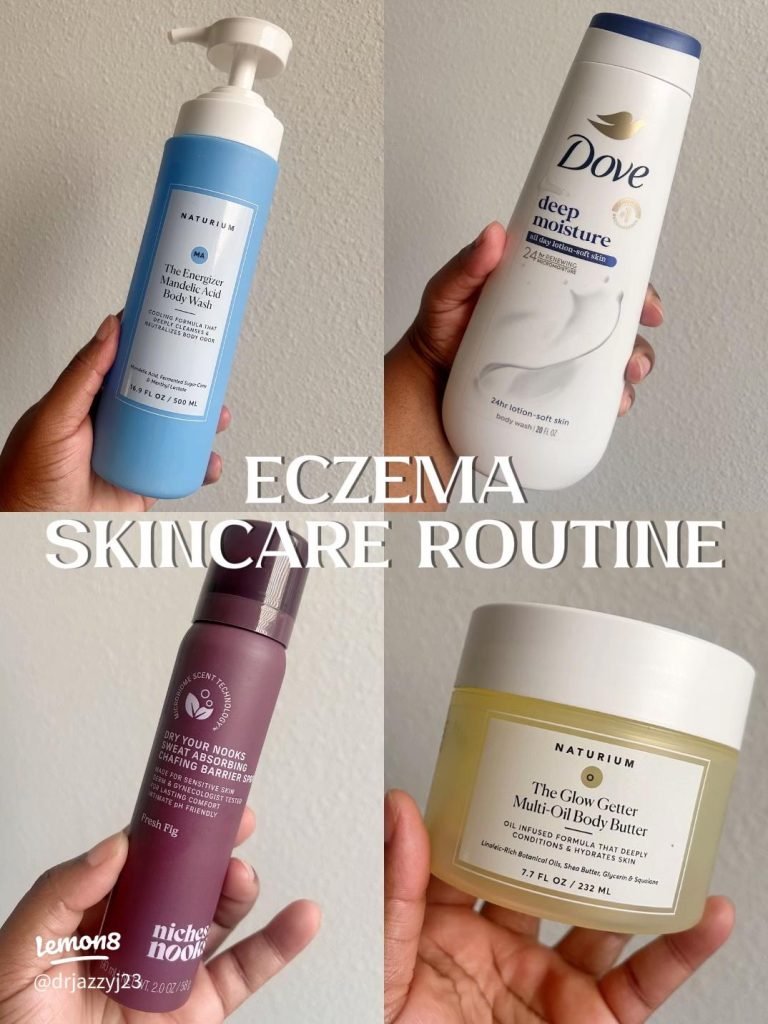
Are you tired of the constant itch and discomfort that comes with eczema? You’re not alone.
Many people struggle to find the right skincare routine to soothe their sensitive skin. Finding the best approach can feel like an endless search, but what if you could finally find relief? Imagine a world where your skin feels calm and comfortable, where you can confidently face the day without the nagging worry of irritation.
In this blog post, we’ll reveal the secrets to crafting an eczema skincare routine that works for you. Get ready to discover the steps that can transform your daily life, providing peace of mind and healthier skin. Stick with us, and you’ll be armed with the knowledge to take control of your eczema once and for all.
Causes And Triggers
Understanding the causes and triggers of eczema is key to managing your skin effectively. Your skin reacts uniquely to different factors, so identifying what sparks your flare-ups can make a huge difference. Let’s look closely at some common reasons behind eczema irritation.
Common Irritants
Everyday products can irritate your skin without you realizing it. Harsh soaps, detergents, and fragrances often strip away your skin’s natural oils, leaving it dry and itchy. Even certain fabrics like wool can cause discomfort and worsen eczema symptoms.
Have you noticed flare-ups after using a new lotion or cleaning product? Keeping a simple diary of products you use and your skin’s reaction can help you spot these irritants quickly.
Environmental Factors
Changes in weather can play a big role in your eczema. Cold, dry air often dries out the skin, while hot, humid conditions can cause sweating that irritates eczema patches. Pollution and dust are other common offenders that might sneak into your daily environment.
Think about where you spend most of your time—indoors or outdoors—and how the environment might be affecting your skin. Small adjustments, like using a humidifier or avoiding dusty areas, can reduce flare-ups.
Diet And Allergies
Your diet might be a hidden trigger for eczema. Foods such as dairy, nuts, or eggs can cause allergic reactions that worsen your skin condition. Sometimes, it’s not just what you eat but how your body reacts to certain ingredients.
Have you tried eliminating suspect foods to see if your eczema improves? A food diary or allergy testing can provide clues and help you make better choices for your skin’s health.
Choosing The Right Cleanser
Choosing the right cleanser is a crucial part of managing eczema. Your skin’s barrier is fragile and easily irritated, so the cleanser you use can either soothe or worsen your condition. Picking a product designed with sensitive skin in mind can make a noticeable difference in how your skin feels throughout the day.
Gentle Formulas
Look for cleansers labeled as gentle, mild, or formulated for sensitive skin. These products usually avoid heavy fragrances and dyes, which can trigger flare-ups. Cream-based or oil-based cleansers often provide moisture while cleaning, helping prevent dryness.
For example, I switched to a fragrance-free, cream cleanser, and my skin felt less tight and itchy after washing. You want a cleanser that cleans well without stripping away the natural oils your skin needs to stay healthy.
Avoiding Harsh Ingredients
Steer clear of ingredients that can irritate eczema-prone skin. Common offenders include sulfates like sodium lauryl sulfate, alcohols, and synthetic fragrances. Even if a product promises deep cleansing, it’s not worth the irritation these ingredients may cause.
Check the label carefully and avoid cleansers with long lists of chemicals or those that foam excessively. Ask yourself: does this product feel soothing or stripping after use? Your answer can guide better choices for your eczema skincare routine.
Moisturizing Techniques
Moisturizing is the cornerstone of managing eczema. It helps restore the skin’s natural barrier, reduces itching, and prevents flare-ups. Mastering the right moisturizing techniques can make a noticeable difference in your skin’s comfort and appearance.
Best Moisturizers For Eczema
Look for moisturizers that are thick, fragrance-free, and formulated specifically for sensitive skin. Creams and ointments usually work better than lotions because they provide a stronger protective layer.
- CeraVe Moisturizing Cream– Contains ceramides that help repair the skin barrier.
- Vaseline Petroleum Jelly– Seals in moisture effectively, especially on very dry patches.
- Eucerin Eczema Relief Cream– Includes colloidal oatmeal to soothe irritation.
- Aquaphor Healing Ointment– Great for spot treatment on cracked or raw skin.
Have you noticed how some products leave your skin feeling sticky or irritated? Pay close attention to ingredients and always patch test before full use.
Application Tips
Apply moisturizer gently, using your fingertips rather than rubbing hard. Patting motions help prevent further irritation and encourage better absorption.
Don’t forget to cover all affected areas thoroughly, including places that feel less dry. Dry patches can spread if neglected.
- Use a generous amount; a thin layer won’t be enough.
- Warm the moisturizer slightly between your hands before applying to enhance penetration.
- Avoid using hot water on your skin beforehand, as it can strip natural oils.
Timing For Maximum Effect
Moisturize immediately after bathing, while your skin is still damp. This locks in moisture before it evaporates.
Try to reapply moisturizer multiple times throughout the day, especially if you notice your skin drying out. Consistency beats quantity in the long run.
Consider keeping a small container of your moisturizer handy during the day. How often have you wished for quick relief when a flare-up starts?
Bathing Practices
Bathing can either soothe eczema-prone skin or worsen irritation. Your approach to water temperature, bath additives, and how often you bathe plays a crucial role in managing flare-ups. Paying close attention to these details can make a noticeable difference in your skin’s comfort and health.
Ideal Water Temperature
Hot water feels relaxing but can strip your skin of natural oils, causing dryness and itchiness. Lukewarm water is best—it cleans without irritating or drying out your eczema-prone skin. Have you noticed how a slightly cooler bath leaves your skin feeling less tight afterward?
Bath Additives To Soothe Skin
Adding gentle, skin-calming ingredients to your bath can reduce inflammation and promote healing. Oatmeal baths, for example, are known to soothe itchiness and soften the skin. Avoid harsh soaps or bubble baths; instead, choose mild cleansers or natural additives like colloidal oatmeal or baking soda.
Duration And Frequency
Long baths can actually dry your skin more, especially if you soak for over 20 minutes. Aim for 10 to 15 minutes to keep your skin hydrated but not overwhelmed. Also, how often you bathe matters—daily baths might not be necessary and could irritate your skin. Have you tried spacing out your baths and noticed any changes?
Managing Flare-ups
Managing flare-ups is key to controlling eczema symptoms. Flare-ups cause redness, itching, and dry skin. Quick care reduces discomfort and prevents worsening. Understanding how to soothe your skin helps maintain comfort.
Soothing Topical Treatments
Apply gentle creams or ointments to calm irritated skin. Look for products with ingredients like:
- Hydrocortisone to reduce inflammation
- Colloidal oatmeal for soothing effects
- Moisturizers that lock in moisture
Use treatments as directed. Avoid harsh soaps or fragrances that irritate skin. Cool compresses can also ease itching and redness.
When To See A Doctor
Seek medical advice if symptoms worsen or do not improve. Visit a doctor when you notice:
- Severe redness or swelling
- Signs of infection like pus or warmth
- Constant itching disrupting sleep
- Widespread rash covering large areas
Early medical care helps prevent complications. A doctor can adjust treatment or suggest new options.

Credit: www.reddit.com
Lifestyle Adjustments
Adjusting your lifestyle can make a significant difference in managing eczema flare-ups. Small changes in daily habits often lead to noticeable improvements in your skin’s comfort and health. Let’s look at some practical ways you can modify your routine to support your skin better.
Clothing Choices
Choosing the right clothes can prevent irritation and reduce eczema symptoms. Opt for soft, breathable fabrics like cotton or bamboo that allow your skin to breathe. Avoid rough materials such as wool or synthetic fibers that can cause itching or trap sweat.
Wearing loose-fitting clothes helps minimize friction against sensitive skin. You might notice that tight clothing worsens your eczema, especially in warmer weather. How often do you check the fabric tags on your clothes?
Stress Reduction
Stress is a common trigger for eczema flare-ups. Finding ways to relax can reduce the frequency and severity of your symptoms. Simple activities like deep breathing exercises, meditation, or even a short walk can lower stress levels.
Think about moments when your skin worsened—were you under pressure or anxious? Managing stress isn’t just good for your mind; it directly impacts your skin’s condition. What small stress-relief habit can you add to your daily routine?
Sleep And Skin Health
Quality sleep plays a vital role in skin repair and immune function. Poor sleep can worsen eczema by increasing inflammation and itchiness. Aim for 7-9 hours of restful sleep each night to help your skin heal.
Creating a calming bedtime routine can improve your sleep quality. Avoid screens before bed, keep your bedroom cool, and use gentle bedding materials. Have you noticed a connection between your sleep patterns and eczema flare-ups?
Natural Remedies
Natural remedies can be a gentle and effective way to soothe eczema flare-ups. They often use ingredients you might already have at home, making your skincare routine simple and accessible. These options focus on calming irritation and restoring moisture without harsh chemicals.
Oatmeal Baths
An oatmeal bath is a popular natural remedy for eczema itching and inflammation. You can grind plain oats into a fine powder and add it to warm bathwater. Soaking in this water for about 10 to 15 minutes helps reduce redness and calms irritated skin.
Many people notice immediate relief after an oatmeal bath. Have you tried this yet? It’s a quick, soothing step that fits easily into your routine.
Coconut Oil Benefits
Coconut oil is known for its moisturizing and anti-inflammatory properties. Applying virgin coconut oil to your skin can help lock in moisture and reduce dryness caused by eczema. It also has antibacterial effects, which may prevent infections on cracked skin.
Try using coconut oil right after a bath, while your skin is still damp. This helps seal in hydration and keeps your skin feeling soft longer. Would you consider replacing your usual cream with coconut oil for a week to see the difference?
Herbal Solutions
Herbs like chamomile, calendula, and aloe vera have soothing qualities that many find helpful for eczema. You can use creams or gels containing these herbs or make your own herbal infusions to apply topically. These natural ingredients often calm itching and reduce swelling.
Be sure to test a small patch of skin first to check for any allergic reactions. What herbal remedy have you found most calming for your eczema? Sharing your experience might help others discover new options.
Credit: www.lemon8-app.com

Credit: www.youtube.com
Frequently Asked Questions
What Is The Best Daily Eczema Skincare Routine?
A gentle daily routine includes mild cleansers, fragrance-free moisturizers, and lukewarm water. Avoid harsh soaps and hot showers to prevent irritation and dryness.
How Often Should I Moisturize Eczema-prone Skin?
Moisturize at least twice daily and immediately after bathing. Frequent hydration helps restore the skin barrier and reduces itching and flaking.
Which Ingredients Help Soothe Eczema Flare-ups?
Look for moisturizers with ceramides, colloidal oatmeal, and hyaluronic acid. These ingredients calm inflammation, repair skin, and lock in moisture effectively.
Can Skincare Products Trigger Eczema Flare-ups?
Yes, products with fragrances, alcohol, or harsh chemicals can worsen eczema. Always choose hypoallergenic and dermatologist-tested formulas to minimize irritation.
Conclusion
Caring for eczema needs a gentle and steady routine. Choose mild cleansers and keep skin moisturized daily. Avoid harsh products that can cause irritation or dryness. Pay attention to your skin’s reactions and adjust your routine as needed. Small changes can bring big relief over time.
Healthy skin feels soft and calm. Stick to these simple steps for better skin comfort and less flare-ups. Remember, patience and consistency work best for eczema care. Your skin will thank you.
