Have you ever wondered if the secret to glowing skin is sitting right in your kitchen cabinet? Olive oil, a staple in many households, is not just for drizzling over salads or sautéing vegetables.
It holds a treasure trove of benefits for your skin. Imagine a natural, affordable remedy that can potentially transform your skincare routine. Intrigued? This article will uncover whether olive oil is the beauty elixir you’ve been searching for. Stay with us to discover how this golden liquid might be the key to achieving the radiant skin you desire.
Credit: www.theolivetap.com
Nutritional Profile Of Olive Oil
Olive oil isn’t just a kitchen staple; it’s packed with nutrients that can benefit your skin in multiple ways. Understanding its nutritional profile helps you see why it’s often recommended for skincare routines. Let’s break down what makes olive oil a potential ally for your skin health.
Key Vitamins And Antioxidants
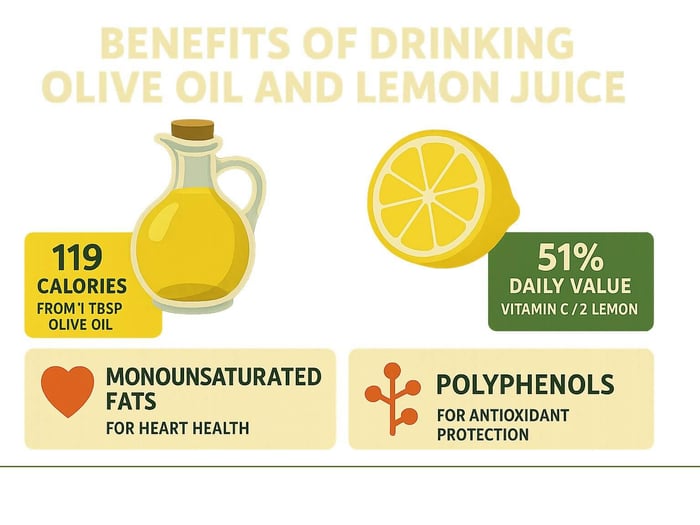
Olive oil contains essential vitamins like vitamin E and vitamin K, which play vital roles in skin health. Vitamin E acts as an antioxidant, protecting your skin from damage caused by free radicals and environmental stress.
It also has polyphenols—powerful antioxidants that reduce inflammation and may slow down skin aging. These compounds help soothe irritation and improve skin texture over time.
Have you noticed how your skin feels smoother after using olive oil? That’s likely due to these antioxidants working beneath the surface.
Fatty Acids Impact
Olive oil is rich in monounsaturated fatty acids, primarily oleic acid. These fatty acids help strengthen your skin’s barrier, locking in moisture and keeping dryness at bay.
They also support cell regeneration, which is crucial for healing and maintaining healthy skin. If your skin often feels tight or flaky, olive oil’s fatty acids might offer much-needed nourishment.
Using olive oil topically can improve skin elasticity, making it feel firmer and more supple. Have you tried swapping your usual moisturizer for olive oil to see how your skin responds?

Credit: www.amazon.in
Moisturizing Effects On Skin
Olive oil has long been used as a natural moisturizer for the skin. It contains nutrients and antioxidants that help keep skin soft and smooth. Its moisturizing effects can improve skin health and appearance. Let’s explore how olive oil works to hydrate and protect the skin.
Hydration And Barrier Protection
Olive oil deeply hydrates the skin by sealing in moisture. It forms a light barrier that prevents water loss. This barrier protects the skin from dryness and environmental damage. The oil’s fatty acids help restore the skin’s natural barrier. This supports healthier, more resilient skin over time.
Suitability For Different Skin Types
Olive oil suits many skin types but works best for dry and normal skin. It provides rich moisture without clogging pores. People with oily or acne-prone skin should use it cautiously. It may cause breakouts in sensitive or oily skin. Testing a small area first is wise. Overall, olive oil can be a gentle, natural moisturizer for many.
Anti-aging Properties
Olive oil is more than just a kitchen staple; it offers powerful anti-aging benefits for your skin. Packed with antioxidants and essential nutrients, it helps protect your skin from damage and supports a youthful appearance. Let’s look at how olive oil can specifically help reduce signs of aging and improve your skin’s texture and firmness.
Reducing Wrinkles And Fine Lines
Olive oil contains vitamin E and polyphenols, which fight free radicals that cause skin damage and wrinkles. Applying olive oil regularly can soften your skin and smooth out fine lines, making your face look fresher and more vibrant.
Have you noticed how some moisturizers leave your skin dry or irritated? Olive oil offers a natural alternative that hydrates deeply without harsh chemicals. Just a small amount massaged into your skin before bed can help reduce the appearance of wrinkles over time.
Boosting Skin Elasticity
Maintaining skin elasticity is key to preventing sagging and keeping your skin firm. Olive oil supports collagen production, the protein responsible for skin’s strength and elasticity.
Using olive oil as part of your skincare routine can improve your skin’s bounce and resilience. Try mixing it with a few drops of essential oils and gently massage it onto your face to stimulate blood flow and encourage healthier skin.
Healing And Soothing Benefits
Olive oil is known for its natural healing and soothing properties. It nourishes the skin deeply and helps calm discomfort. The oil contains antioxidants and vitamins that protect and repair the skin barrier. This makes it a great choice for skin that needs gentle care.
Calming Irritated Skin
Olive oil helps reduce redness and itching on irritated skin. Its anti-inflammatory compounds provide relief quickly. Applying olive oil creates a protective layer, stopping further irritation. It also moisturizes dry patches, which often cause discomfort. People with sensitive skin find olive oil soothing and gentle.
Aiding In Wound Recovery
Olive oil supports faster healing of small cuts and scrapes. It keeps the wound moist, which prevents scabs from cracking. The antioxidants in olive oil help fight bacteria and reduce infection risk. Using olive oil on wounds can also lower the chance of scars. It encourages new skin cells to grow, speeding up recovery.
Potential Risks And Side Effects
Using olive oil on your skin can offer benefits, but it’s important to be aware of potential risks and side effects before adding it to your skincare routine. Some people may experience unwanted reactions or skin issues depending on their skin type and sensitivity. Understanding these risks helps you decide if olive oil is the right choice for your skin.
Allergic Reactions
Not everyone can tolerate olive oil on their skin. Some individuals might develop redness, itching, or a rash due to an allergic reaction. If you notice any irritation after applying olive oil, stop using it immediately.
It’s a good idea to do a patch test before applying olive oil to larger areas. Apply a small amount on your wrist or behind your ear and wait 24 hours to see if your skin reacts.
Pore Clogging Concerns
Olive oil is thick and can be heavy on the skin, which raises concerns about clogged pores. If you have oily or acne-prone skin, olive oil might cause breakouts or make existing acne worse.
However, this doesn’t happen to everyone. Some people with dry skin find it moisturizing without any pore issues. Pay close attention to how your skin responds and consider mixing olive oil with lighter oils or using it sparingly.
Credit: www.discovermagazine.com
How To Use Olive Oil On Skin
Using olive oil on your skin can be a simple yet effective way to boost hydration and nourishment. However, knowing how to apply it properly can make all the difference in seeing real benefits. Let’s look at some practical ways you can use olive oil on your skin and how to enhance its effects by mixing it with other natural ingredients.
Application Methods
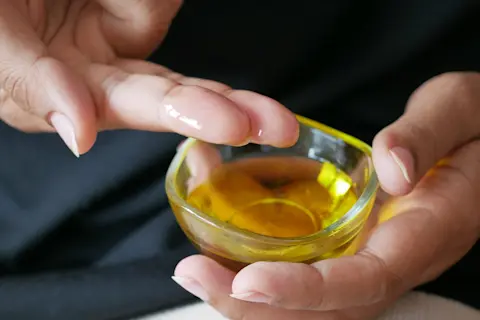
Start with clean skin to get the best results. You can use olive oil as a moisturizer by gently massaging a few drops onto your face or body. Its rich texture absorbs slowly, giving your skin time to soak in the nutrients.
Another way is to use olive oil as a makeup remover. Apply a small amount on a cotton pad and wipe away makeup effortlessly without harsh chemicals. It’s gentle and leaves your skin feeling soft.
For a deep hydration boost, try using olive oil as an overnight treatment. Apply a thin layer before bed and let it work while you sleep. You might wake up with skin that feels noticeably smoother.
Combining With Other Ingredients
Olive oil works well when mixed with other natural ingredients to target specific skin needs. Combine it with honey to create a soothing face mask that helps calm irritation and add moisture.
Mix olive oil with sugar or sea salt for a simple exfoliating scrub. This helps remove dead skin cells while leaving your skin nourished and soft. Just be gentle to avoid irritation.
If your skin tends to get dry or flaky, try blending olive oil with aloe vera gel. This mix can provide intense hydration and promote healing for sensitive areas. Have you noticed how your skin reacts to different combinations? Experimenting a bit can help you find the perfect blend for your unique skin.
Comparing Olive Oil With Other Oils
Choosing the right oil for your skin can be confusing. Olive oil is popular, but how does it measure up against other oils? Let’s compare olive oil with coconut oil and jojoba oil to help you decide which might be best for your skin.
Coconut Oil
Coconut oil is well-known for its moisturizing properties. It has a thicker texture than olive oil, which some people find too heavy, especially if you have oily or acne-prone skin.
Unlike olive oil, coconut oil contains lauric acid, which has antibacterial benefits. This can help reduce acne-causing bacteria, but it may also clog pores for some users. Have you noticed your skin reacting differently to coconut oil compared to olive oil?
Both oils hydrate well, but coconut oil is better suited for very dry or flaky skin. If you want a lighter feel, olive oil might be the way to go.
Jojoba Oil
Jojoba oil closely resembles your skin’s natural sebum. This makes it easier to absorb and less likely to clog pores than olive oil.
It’s lightweight and non-greasy, which many people prefer for daily use. Jojoba oil also helps balance oil production, making it a smart choice if your skin is oily or combination.
While olive oil is rich in antioxidants and vitamins, jojoba oil offers soothing effects that can calm irritation. Have you tried switching between the two to see how your skin responds?
Frequently Asked Questions
Is Olive Oil Effective For Moisturizing Skin?
Yes, olive oil is rich in antioxidants and vitamin E, making it a great natural moisturizer. It helps lock in moisture and keeps skin soft and hydrated.
Can Olive Oil Help Reduce Skin Aging Signs?
Olive oil contains antioxidants that combat free radicals, which cause aging. Regular use may reduce wrinkles and improve skin elasticity.
Is Olive Oil Safe For Sensitive Skin?
Olive oil is generally safe for most skin types, including sensitive skin. However, do a patch test first to avoid any allergic reactions.
How Does Olive Oil Benefit Dry Skin?
Olive oil deeply nourishes and soothes dry skin. Its fatty acids restore the skin’s barrier and prevent moisture loss effectively.
Conclusion
Olive oil offers many benefits for healthy skin care. It helps keep skin soft and hydrated. This natural oil contains antioxidants that protect skin from damage. Using olive oil gently can reduce dryness and irritation. Remember to test a small skin area first.
Quality matters; choose pure, extra virgin olive oil. Simple steps like this can improve your skin’s look. Olive oil is a natural, easy addition to your routine. Try it and see how your skin feels.