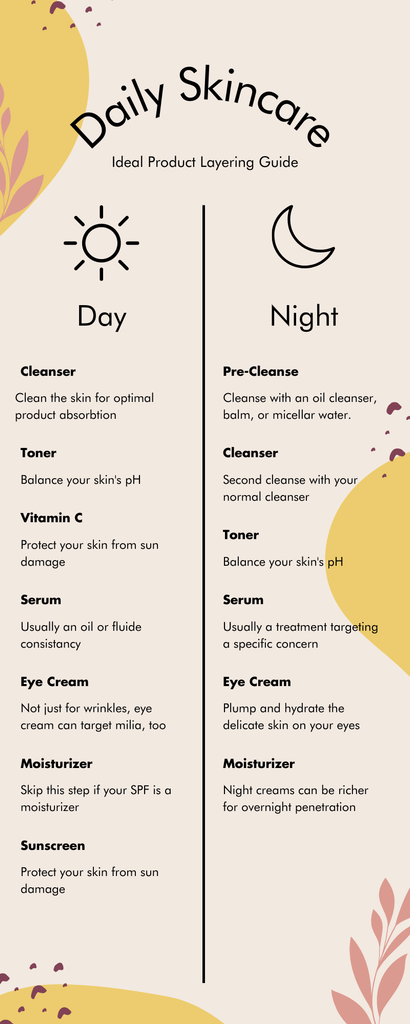
Your skin is your body’s largest organ, and it works tirelessly throughout the day. By the time night falls, it deserves some pampering.
A well-crafted nighttime skin care routine can do wonders, allowing your skin to repair, rejuvenate, and refresh while you sleep. Imagine waking up with a glowing, healthy complexion. Wouldn’t that be amazing? If you’ve ever felt overwhelmed by the countless products and steps out there, you’re not alone.
But don’t worry—this guide is designed to simplify the process for you. By the end, you’ll have a clear, easy-to-follow routine that fits seamlessly into your evening. Ready to unlock the secrets to healthier skin? Let’s dive in and discover how just a few minutes each night can transform your skin!
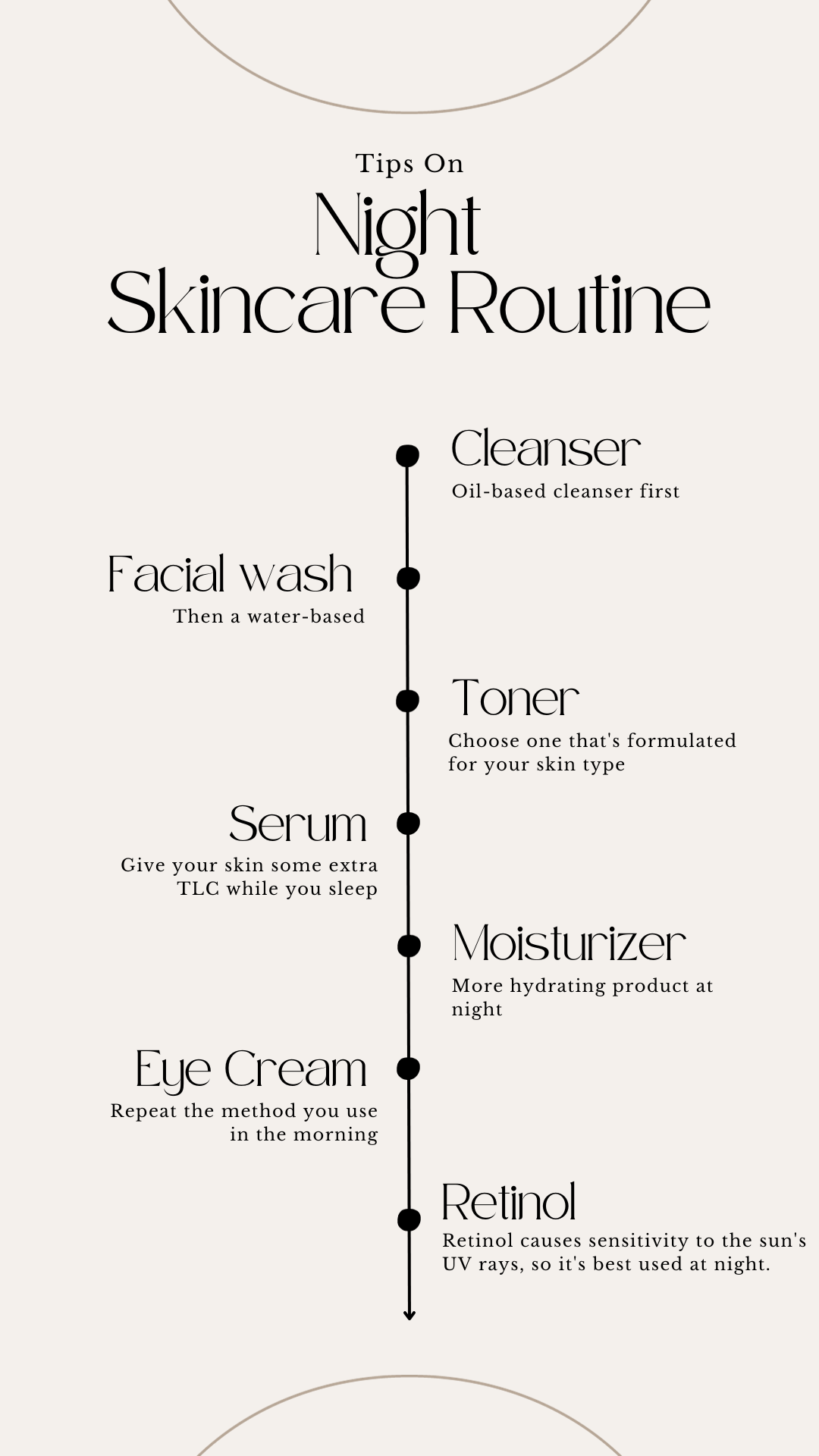
Credit: medium.com
Why Night Care Matters
Nighttime is more than just a break from the day; it’s a crucial moment for your skin to recover and rebuild. While you rest, your skin works hard to repair damage caused by sun exposure, pollution, and stress. Ignoring night care means missing out on this valuable regeneration process.
How Skin Repairs Itself At Night
Your skin cells become more active during sleep. They accelerate the production of new cells and collagen, which helps maintain firmness and smoothness.
Without proper care, this natural repair slows down. Using the right products at night supports these processes and improves your skin’s overall health.
The Role Of Cleansing Before Bed
Think about all the dirt, sweat, and makeup that gather on your skin throughout the day. If you don’t remove these impurities, they clog pores and cause breakouts.
Cleaning your face thoroughly at night lets your skin breathe and absorb nourishing ingredients better. Skipping this step is like trying to plant seeds in rocky soil.
Why Hydration At Night Feels Different
Hydrating your skin before bed is not just about moisture; it helps lock in the repair process. Night creams and serums often contain ingredients that work best without sun exposure.
Have you noticed your skin feels drier in the morning when you skip your night moisturizer? That’s because hydration supports overnight healing and prevents dehydration.
Boosting Anti-aging Benefits While You Sleep
Night care products often have stronger concentrations of active ingredients like retinol and peptides. These can make a big difference in reducing fine lines and wrinkles.
Applying them before sleep allows your skin to absorb these benefits fully, without interference from sunlight or pollution. Isn’t it worth giving your skin this extra care?

Credit: www.reddit.com
Cleansing Properly
Proper cleansing is the foundation of an effective night skin care routine. It removes dirt, oil, and makeup that accumulate throughout the day. Clean skin allows other products to work better and prevents clogged pores and breakouts. Taking time to cleanse properly helps maintain healthy, glowing skin.
Choosing The Right Cleanser
Pick a cleanser that suits your skin type. For dry skin, use a gentle, hydrating cleanser. Oily skin benefits from foaming or gel cleansers that remove excess oil. Sensitive skin needs fragrance-free and mild formulas. Avoid harsh cleansers that strip natural oils. Always check the ingredients for irritants or allergens.
Double Cleansing Method
Double cleansing involves two steps to clean deeply. First, use an oil-based cleanser to dissolve makeup and sunscreen. Massage it gently over dry skin. Then rinse with lukewarm water. Second, apply a water-based cleanser to remove sweat and dirt. This method ensures thorough cleansing without over-drying. It prepares your skin well for the next care steps.
Exfoliation Tips
Exfoliation is a key part of any night skin care routine. It removes dead skin cells and helps your skin breathe. This process makes your skin smooth and fresh. Knowing how to exfoliate properly protects your skin from damage and irritation. Follow these simple tips to get the best results.
Types Of Exfoliants
Exfoliants come in two main types: physical and chemical. Physical exfoliants use small particles or tools to scrub away dead skin. Examples include sugar scrubs, brushes, and exfoliating gloves.
Chemical exfoliants use acids or enzymes to dissolve dead skin cells. Common chemicals are alpha hydroxy acids (AHAs) like glycolic acid, and beta hydroxy acids (BHAs) like salicylic acid. These are gentle and effective for deep cleansing.
- Physical exfoliants: scrubs, brushes, gloves
- Chemical exfoliants: AHAs, BHAs, enzymes
How Often To Exfoliate
Exfoliating too much can harm your skin. Most people should exfoliate 2 to 3 times per week. Those with sensitive skin should exfoliate once a week or less.
Listen to your skin. If it feels dry or irritated, reduce exfoliation. Use gentle products and avoid rough scrubbing to keep your skin healthy.
Toning Benefits
Toning is often overlooked in night skin care routines, yet it plays a crucial role in balancing your skin after cleansing. It helps remove any leftover impurities and preps your skin to absorb moisturizers and treatments better. By including toning in your routine, you create a smoother and more refreshed complexion by morning.
Selecting A Suitable Toner
Choosing the right toner depends on your skin type and concerns. If you have dry or sensitive skin, look for alcohol-free toners with hydrating ingredients like glycerin or aloe vera. Oily or acne-prone skin benefits from toners containing salicylic acid or witch hazel to control excess oil and reduce breakouts.
Think about your skin’s reaction—does it feel tight or irritated after cleansing? That can signal the need for a gentler toner. Have you ever tried a toner that left your skin feeling refreshed rather than stripped? That’s the kind you want to stick with.
Applying Toner Effectively
Apply toner right after cleansing, while your face is still slightly damp. Use a cotton pad or your clean hands to gently pat the toner onto your skin. Avoid rubbing harshly, as this can irritate your skin and cause redness.
Pay extra attention to areas prone to oiliness or dryness. Let the toner absorb fully before moving on to serums or moisturizers. Have you noticed how your skincare products work better when your skin is well-prepped? That’s the toner doing its job.
Serums And Treatments
Serums and treatments are the powerhouse of your night skin care routine. They deliver concentrated ingredients that work deeply to repair and nourish your skin while you sleep. Adding the right serum or treatment can make a visible difference in texture, tone, and overall health of your skin.
Popular Night Serums
Some night serums have gained popularity because they consistently show great results. Vitamin C serums brighten dull skin and fade dark spots over time. Retinol serums are loved for their ability to reduce fine lines and improve skin texture.
Hyaluronic acid serums help retain moisture, making your skin plump and hydrated by morning. Niacinamide serums can calm redness and reduce the appearance of pores, giving your skin a smoother look. Choosing the right serum depends on what your skin feels it needs most.
Targeting Skin Concerns
Think about your main skin concern before picking a serum or treatment. If acne is a problem, look for ingredients like salicylic acid or benzoyl peroxide. These help clear pores and reduce breakouts overnight.
For signs of aging, peptides and retinoids support collagen production and skin renewal. Sensitive skin? Gentle antioxidants and soothing agents like chamomile extract can help calm irritation while you rest.
Ask yourself: What does my skin need most right now? Focusing on one or two concerns with targeted treatments prevents overwhelming your skin and maximizes benefits.
Moisturizing Night Creams
Moisturizing night creams play a key role in your skin care routine. They help keep skin soft and smooth while you sleep. Night creams work deeper than daytime moisturizers. They support your skin’s natural repair process. Using the right night cream can improve your skin texture and glow.
Hydration Vs. Repair
Night creams focus on hydration and repair. Hydration means adding moisture to your skin. It stops dryness and tightness. Repair means fixing damage caused by sun, pollution, or aging. Many night creams balance both hydration and repair. Hydrating creams often feel lighter. Repair creams may feel richer and thicker. Choose a cream based on your skin needs.
Best Ingredients For Night
The best night creams include ingredients that nourish deeply. Look for:
- Hyaluronic Acid – holds moisture and plumps skin
- Retinol – boosts collagen and smooths wrinkles
- Peptides – help rebuild skin strength
- Vitamin E – protects and soothes skin
- Niacinamide – evens skin tone and reduces redness
- Ceramides – restore the skin barrier
These ingredients work as you rest. They support skin health and keep it youthful.
Eye Care Steps
The skin around the eyes is delicate and needs special care at night. Proper eye care steps help keep this area healthy and youthful. Simple habits can reduce puffiness and brighten tired eyes. Consistent care improves skin texture and appearance.
Reducing Puffiness
Cold compresses soothe swollen skin around the eyes. Using a chilled eye cream or gel calms puffiness effectively. Gentle tapping motions with your ring finger improve blood flow. Avoid rubbing or pulling the skin in this area. Sleeping with your head slightly elevated reduces fluid buildup.
Minimizing Dark Circles
Hydrating the under-eye area prevents dryness and darkness. Ingredients like vitamin C and caffeine help lighten dark circles. Avoid harsh rubbing or excessive sun exposure. Using an eye cream with antioxidants supports skin repair overnight. Getting enough sleep also reduces the appearance of dark circles.
Lip Care At Night
Lip care at night is a vital part of any skin care routine. Lips often lose moisture during sleep. This can cause dryness and cracking. Nighttime lip care helps keep lips soft and smooth. It supports natural repair and hydration while you rest.
Choosing A Night Lip Balm
Select a lip balm rich in nourishing ingredients. Look for options with:
- Shea butter or cocoa butter for deep moisture
- Natural oils like coconut or jojoba oil
- Vitamin E to protect and heal
- Avoid products with fragrance or harsh chemicals
Apply a thick layer before bed. This locks in moisture and repairs overnight.
Diy Lip Treatments
Homemade lip treatments offer gentle care and hydration. Try these simple recipes:
- Honey and sugar scrub:Mix equal parts honey and sugar. Gently scrub lips to remove dead skin.
- Coconut oil mask:Apply pure coconut oil. Leave on overnight for deep softness.
- Aloe vera gel:Use fresh aloe to soothe and hydrate chapped lips.
These natural treatments support healthy, smooth lips without harsh additives.
Additional Night Tips
Nighttime offers a special chance to help your skin heal and renew. Beyond the usual cleansing and moisturizing, small habits can make a big difference. These extra tips support your skin’s health while you rest.
Sleeping Positions For Skin Health
Sleeping on your back is best for your skin. It stops your face from pressing against pillows. This reduces wrinkles and irritation. Side and stomach sleeping can cause skin to fold. These folds may turn into fine lines over time.
Use a silk or satin pillowcase. It creates less friction than cotton. Your skin stays smoother and softer. Keep your head slightly elevated to reduce puffiness. A good pillow supports this position comfortably.
Avoiding Common Mistakes
- Do not sleep with makeup on. It clogs pores and causes breakouts.
- Avoid using too many products at night. Overloading can irritate skin.
- Don’t skip moisturizing. Skin loses moisture overnight and needs hydration.
- Change pillowcases regularly. Dirty cases harbor bacteria that harm skin.
- Limit touching your face during the night. Hands carry oils and germs.
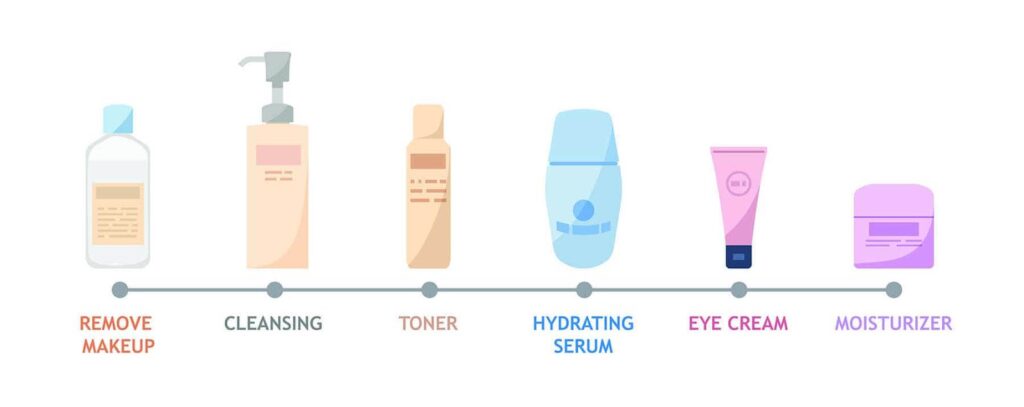
Credit: colairbeautylounge.com
Frequently Asked Questions
What Are The Essential Steps In A Night Skin Care Routine?
A night skin care routine includes cleansing, toning, applying serum, moisturizing, and eye cream. These steps help repair and hydrate skin overnight for a fresh morning look.
How Often Should I Exfoliate In My Night Routine?
Exfoliate 1-2 times a week at night to remove dead skin cells. Over-exfoliating can irritate skin and cause dryness or sensitivity.
Can I Use Retinol Every Night In My Routine?
Start using retinol 2-3 times a week at night. Gradually increase frequency to avoid irritation and improve skin texture safely.
Why Is Moisturizing Important In A Night Skin Care Routine?
Moisturizing locks in hydration and repairs your skin barrier while you sleep. It prevents dryness and promotes a healthy, glowing complexion.
Conclusion
A good night skin care routine helps your skin rest and heal. Cleanse, tone, and moisturize each night for best results. Use gentle products that suit your skin type. Regular care can reduce dryness and improve skin texture. Small steps every night lead to healthier, glowing skin.
Stick to your routine and be patient with results. Your skin will thank you for the extra care. Try to make this routine a daily habit. Consistency is the key to better skin health.
