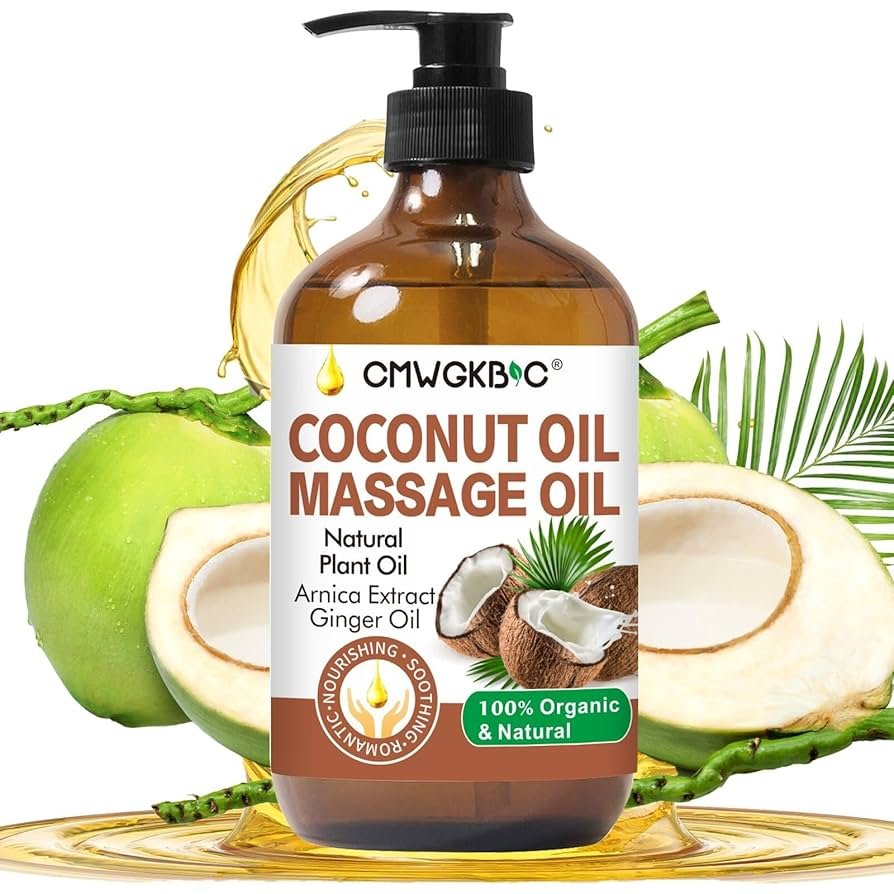
Imagine having a natural, versatile solution that could transform your skincare routine. Coconut oil might just be that magical ingredient you’ve been searching for.
Whether you’re dealing with dry patches, seeking a natural glow, or simply aiming for healthier skin, coconut oil offers benefits that might surprise you. But what makes it so effective? And how can you incorporate it into your daily life for maximum impact?
Dive into the world of coconut oil for skin, and discover how this simple, yet powerful oil can become your skin’s best friend. Curious to learn more? Let’s uncover the secrets together.
Benefits Of Coconut Oil For Skin
Coconut oil is a natural remedy for healthy and glowing skin. It offers many benefits that support skin health and beauty. The oil is gentle and suitable for various skin types. Here are some key advantages of using coconut oil on your skin.
Moisturizing Properties
Coconut oil deeply hydrates dry skin. It locks in moisture and keeps skin soft. Its fatty acids create a barrier to protect skin. This barrier prevents water loss and dryness. Many people use it as a natural moisturizer daily.
Antibacterial Effects
Coconut oil contains compounds that fight bacteria. These help reduce acne-causing germs on the skin. Applying coconut oil can lower the risk of infections. It keeps skin cleaner and healthier without harsh chemicals.
Anti-inflammatory Benefits
The oil reduces redness and swelling on the skin. It calms irritated skin and soothes discomfort. People with sensitive or inflamed skin can find relief. Coconut oil promotes faster healing of minor skin problems.
Rich In Antioxidants
Coconut oil has antioxidants that protect skin from damage. These help fight free radicals that cause aging. Regular use can improve skin texture and tone. Antioxidants support youthful and radiant skin naturally.
How Coconut Oil Nourishes Your Skin
Coconut oil has long been valued for its skin benefits. It nourishes deeply, improving skin health and appearance. The natural fats and antioxidants in coconut oil work together to care for your skin.
Penetration And Absorption
Coconut oil contains medium-chain fatty acids that easily penetrate the skin. It absorbs quickly without leaving a greasy feel. This deep absorption helps deliver nutrients directly to skin cells. Your skin feels nourished from inside out.
Enhancing Skin Barrier
The skin barrier protects against dryness and irritants. Coconut oil strengthens this barrier by replenishing lost lipids. It forms a protective layer that locks in moisture. This barrier support reduces sensitivity and keeps skin calm.
Hydration And Softness
Coconut oil is a natural moisturizer that hydrates the skin. It smooths rough patches and improves softness. Regular use keeps skin supple and glowing. The oil also helps reduce dryness, making skin feel fresh and healthy.
Best Ways To Apply Coconut Oil
Coconut oil is a versatile skincare staple that can fit seamlessly into your daily routine. Its natural moisturizing and nourishing properties make it perfect for multiple uses. Let’s dive into some of the best ways to apply coconut oil for healthier, glowing skin.
Daily Moisturizer
Applying coconut oil as a daily moisturizer keeps your skin soft and hydrated. Use a small amount and gently massage it into your face after cleansing. It absorbs quickly and leaves your skin feeling smooth without a greasy residue.
If you have dry patches, coconut oil can help soothe and repair them overnight. Just apply a thin layer before bed, and wake up to refreshed skin.
Makeup Remover
Coconut oil works wonders as a natural makeup remover. It breaks down even waterproof makeup effortlessly without harsh chemicals. Simply rub a small amount between your fingers, then gently wipe your face with a warm, damp cloth.
Does your skin feel tight after removing makeup? Coconut oil not only cleanses but also nourishes, preventing dryness and irritation.
Lip Care
Dry, chapped lips respond well to the gentle care of coconut oil. Dab a tiny bit onto your lips throughout the day to keep them soft and hydrated. It acts as a natural barrier against harsh weather, locking in moisture effectively.
Try applying coconut oil before bed to help repair overnight. You’ll notice your lips feeling smoother and plumper in the morning.
Body Scrub Mix
Combine coconut oil with natural exfoliants like sugar or sea salt to create a nourishing body scrub. This mix removes dead skin cells while moisturizing your skin in one go. Use it once or twice a week for radiant, smooth skin.
Have you tried adding a few drops of essential oils like lavender or peppermint? It can enhance the scrub’s scent and boost relaxation during your skincare routine.
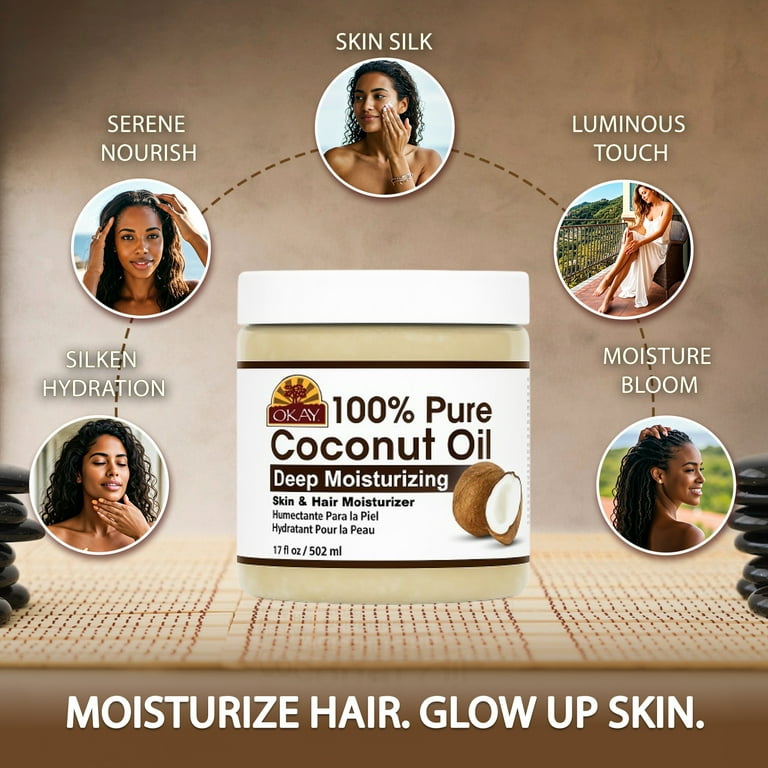
Credit: www.walmart.com
Coconut Oil For Different Skin Types
Coconut oil suits many skin types. It hydrates, soothes, and nourishes skin deeply. Different skin types need different care. Using coconut oil the right way helps maintain healthy skin without problems. Here is how coconut oil works for various skin types.
Dry Skin Solutions
Dry skin often feels tight and rough. Coconut oil provides deep moisture. It forms a protective barrier to stop water loss. Use coconut oil as a night cream or daily moisturizer. It softens flakes and calms irritation. Massage gently on clean skin for best results.
Oily Skin Tips
Oily skin can feel greasy and clogged. Use coconut oil sparingly on oily areas. It balances oil production and fights bacteria. Try it as a light moisturizer or spot treatment. Avoid heavy application to prevent extra shine. Use a small amount and watch how your skin reacts.
Sensitive Skin Care
Sensitive skin needs gentle products. Coconut oil is mild and soothing. It reduces redness and inflammation. Test a small patch first to check for reactions. Use pure, organic coconut oil to avoid irritants. It helps calm itching and dryness without harsh chemicals.
Combination Skin Approach
Combination skin has dry and oily parts. Apply coconut oil on dry patches only. Avoid oily zones to prevent shine. Blend coconut oil with lighter moisturizers for balance. Use it at night to repair dry areas. This targeted approach keeps skin smooth and healthy.
Common Concerns And Precautions
Using coconut oil on your skin can be beneficial, but it’s important to be aware of some common concerns and take necessary precautions. Not everyone reacts the same way, so understanding potential risks helps you enjoy its benefits safely.
Possible Allergic Reactions
Though rare, some people may experience allergic reactions to coconut oil. Symptoms can include redness, itching, or a rash after applying it to the skin.
Before using coconut oil extensively, test a small amount on your wrist or behind your ear. Wait 24 hours to see if any irritation occurs. This simple step can save you from uncomfortable reactions later.
Clogged Pores And Acne
Coconut oil is comedogenic, meaning it can clog pores for some skin types, especially oily or acne-prone skin. This can lead to breakouts or worsen existing acne.
If you have sensitive or acne-prone skin, consider applying coconut oil only to dry areas or avoid it altogether. You might want to try lighter oils like jojoba or argan oil instead and observe how your skin responds.
Choosing The Right Type
Not all coconut oils are created equal. Virgin or extra-virgin coconut oil retains more nutrients and is less processed than refined versions.
Look for cold-pressed, organic coconut oil to reduce exposure to chemicals and maximize skin benefits. Keep in mind that refined oils might be better if you’re sensitive to coconut scent or prefer a lighter texture.

Credit: www.amazon.com
Diy Coconut Oil Skin Recipes
Using coconut oil in your skincare routine can be simple and rewarding. Creating your own coconut oil recipes lets you control what touches your skin, avoiding harsh chemicals. These easy recipes are perfect for pampering yourself with natural ingredients you probably already have at home.
Soothing Face Mask
Mix 1 tablespoon of coconut oil with 1 tablespoon of honey for a calming face mask. Honey has antibacterial properties, while coconut oil deeply moisturizes. Apply it evenly and leave on for 15 minutes before rinsing with warm water.
Have you noticed how some masks can irritate sensitive skin? This gentle combo soothes redness and dryness without clogging pores.
Exfoliating Scrub
Combine 2 tablespoons of coconut oil with 3 tablespoons of sugar to create a natural scrub. The sugar gently removes dead skin cells, and the coconut oil hydrates as you exfoliate. Rub it in circular motions on your face or body, then rinse off with lukewarm water.
Exfoliation can feel harsh sometimes—do you prefer something that cleanses and nourishes at the same time? This scrub balances both effortlessly.
Hydrating Body Butter
Whip ½ cup of coconut oil with ¼ cup of shea butter until creamy. Add a few drops of your favorite essential oil for scent. This body butter melts on your skin, providing intense moisture without feeling greasy.
Do you struggle with dry patches after showering? Apply this homemade butter to problem areas and notice how your skin softens throughout the day.
Comparing Coconut Oil With Other Oils
Choosing the right oil for your skin can be tricky. Many natural oils offer unique benefits. Comparing coconut oil with other popular oils helps you find the best fit. Each oil has distinct properties that suit different skin types and needs.
Coconut Oil Vs Jojoba Oil
Coconut oil is thick and rich in fatty acids. It deeply moisturizes dry skin but may clog pores for some. Jojoba oil mimics natural skin oils closely. It absorbs quickly and suits oily or acne-prone skin. Coconut oil has antibacterial effects. Jojoba oil balances oil production.
Coconut Oil Vs Almond Oil
Almond oil is lighter than coconut oil. It is rich in vitamins A and E, which nourish skin gently. Coconut oil is better for intense hydration. Almond oil soothes sensitive skin without feeling heavy. Both oils help improve skin texture. Almond oil is less likely to cause irritation.
Coconut Oil Vs Argan Oil
Argan oil is packed with antioxidants and vitamin E. It repairs skin damage and softens skin well. Coconut oil strengthens skin’s barrier with fatty acids. Argan oil is lighter and absorbs faster. Both oils provide anti-aging benefits. Argan oil suits all skin types, including sensitive skin.

Credit: www.amazon.com
Frequently Asked Questions
What Are The Benefits Of Coconut Oil For Skin?
Coconut oil moisturizes and nourishes skin deeply. It has antibacterial and anti-inflammatory properties that soothe irritation. It also helps improve skin texture and reduce dryness effectively.
How To Use Coconut Oil For Dry Skin?
Apply a small amount of coconut oil to clean, dry skin. Massage gently until absorbed. Use daily for best hydration and softness.
Can Coconut Oil Cause Skin Breakouts?
Coconut oil may clog pores for some skin types, especially oily or acne-prone skin. Test patch first to check reaction before regular use.
Is Coconut Oil Good For Sensitive Skin?
Yes, coconut oil is gentle and soothing for sensitive skin. It reduces redness and irritation while providing moisture without harsh chemicals.
Conclusion
Coconut oil offers many benefits for your skin. It helps keep skin soft and smooth. You can use it as a daily moisturizer. It also helps reduce dryness and irritation. Many people find it gentle and natural. Try a small amount first to check for allergies.
Using coconut oil regularly can improve skin health. Simple and natural care often works best. Give your skin the gentle touch it needs.
