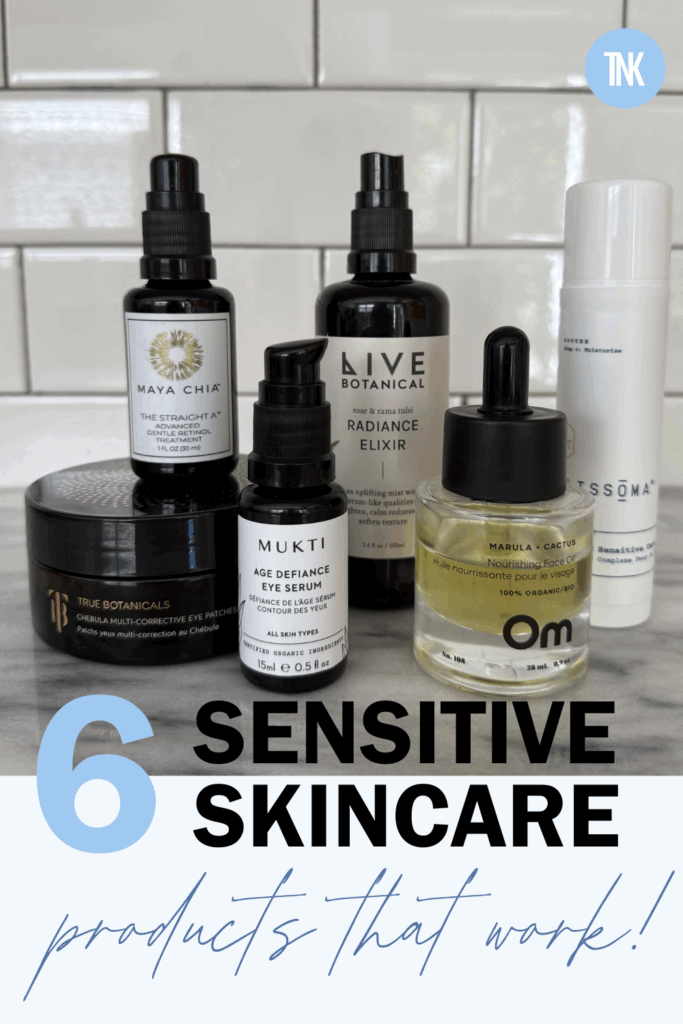
Having sensitive skin can feel like walking a tightrope. One wrong move, and you might face redness, irritation, or a breakout.
If you’ve ever felt frustrated by skincare products that promise the world but leave your skin feeling anything but fabulous, you’re not alone. You deserve a routine that nurtures your skin without the drama. Imagine a skincare routine that soothes and comforts, leaving your skin calm and radiant.
It’s not just a dream—it’s entirely possible. By following a tailored routine designed specifically for sensitive skin, you can finally say goodbye to those troublesome reactions and hello to a healthier, happier complexion. In this guide, you’ll discover the secrets to crafting a skincare routine that respects your skin’s delicate nature. We’ll explore gentle products and soothing techniques that promise not only to protect your skin but to enhance its natural beauty. Ready to transform your skincare routine and achieve the glowing skin you’ve always wanted? Let’s dive in.
Causes Of Sensitive Skin
Sensitive skin reacts easily to many things. It feels tight, itchy, or red without clear reasons. Understanding the causes helps to care for it properly. The skin’s response often comes from several factors combined. Some triggers are common, while others relate to how the skin works or the environment.
Common Triggers
- Harsh soaps and cleansers
- Fragrances and dyes in products
- Over-exfoliation or scrubbing
- Hot water during washing
- Stress and hormonal changes
These triggers irritate the skin’s surface, causing discomfort and redness.
Skin Barrier Role
The skin barrier protects against germs and moisture loss. In sensitive skin, this barrier is weak or damaged. It lets irritants and allergens enter easily. This leads to inflammation and dryness. A strong skin barrier keeps skin calm and hydrated.
Environmental Factors
- Cold or dry weather
- Sun exposure without protection
- Pollution and smoke
- Indoor heating or air conditioning
These factors stress the skin and worsen sensitivity. Protecting skin from the environment reduces flare-ups and discomfort.
Choosing Gentle Products
Choosing gentle products is key to managing sensitive skin effectively. The right skincare can calm irritation instead of causing it. It’s about understanding what to avoid and what to embrace in your daily routine.
Ingredients To Avoid
Some ingredients are common triggers for sensitive skin. Fragrances, alcohol, and harsh sulfates often cause redness or dryness. Even natural extracts like citrus or peppermint can irritate your skin.
Always check product labels carefully. If you notice stinging or itching after using a product, review its ingredients list. Avoid anything with parabens, synthetic dyes, or strong preservatives—they might seem harmless but can aggravate sensitive skin.
Soothing Components
Look for ingredients that calm and protect your skin barrier. Aloe vera, chamomile, and oat extracts are gentle and reduce inflammation. Hyaluronic acid is another great choice—it hydrates without clogging pores.
I once switched to a moisturizer with calendula after my skin reacted badly to a new cream. The change was immediate; redness faded and my skin felt softer. Have you tried soothing ingredients that made a visible difference in your routine?
Hypoallergenic Labels
Products labeled “hypoallergenic” are formulated to minimize allergic reactions. However, this label isn’t regulated by law, so it’s not a guarantee. Use it as a helpful hint, but always patch test new products first.
Look for additional certifications like “dermatologist tested” or “non-comedogenic.” These can offer extra reassurance that the product is suitable for sensitive skin. Do you take time to patch test, or do you rely on labels alone?
Daily Cleansing Tips
Keeping your sensitive skin calm and clear starts with how you cleanse every day. Choosing the right products and using them correctly can prevent irritation and dryness. Let’s look at simple tips that protect your skin’s natural barrier while keeping it fresh.
Best Cleansers For Sensitive Skin
Look for cleansers labeled “fragrance-free” and “hypoallergenic.” These reduce the risk of allergic reactions. Creamy or lotion-based cleansers often soothe better than foaming ones, which can strip moisture.
- Choose products with calming ingredients like aloe vera or chamomile.
- Avoid harsh chemicals such as sulfates and alcohol.
- Test new cleansers on a small skin patch before full use.
Have you noticed how some cleansers leave your skin feeling tight? That’s a sign to switch to gentler options.
Proper Cleansing Techniques
Use lukewarm water instead of hot—it’s kinder to sensitive skin. Apply cleanser gently using your fingertips, not a washcloth or sponge, to avoid micro-tears. Spend about 30 seconds massaging the product in to remove dirt without overdoing it.
- Rinse thoroughly but softly, ensuring no residue remains.
- Pat your face dry with a soft towel instead of rubbing.
Does your skin feel irritated right after cleansing? You might be scrubbing too hard or rinsing too roughly.
Avoiding Over-washing
Washing more than twice a day can strip your skin’s natural oils, leading to dryness and redness. If you exercise or sweat, rinse with water only instead of a full cleanse. Your skin still needs its protective barrier intact.
- Stick to morning and evening cleansing routines.
- Skip the second wash if your skin feels dry or sensitive.
How often do you wash your face? Sometimes less is more when caring for sensitive skin.
Moisturizing Essentials
Moisturizing is key for sensitive skin care. It keeps the skin soft and protects it from irritation. Choosing the right moisturizer helps calm redness and prevents dryness. A good routine includes products that hydrate and soothe without causing reactions.
Hydrating Ingredients
Look for gentle ingredients that add moisture without irritation. Some top choices include:
- Glycerin – attracts water to the skin
- Hyaluronic acid – holds moisture for long hours
- Aloe vera – soothes and cools sensitive skin
- Shea butter – nourishes and softens skin
- Ceramides – help restore the skin barrier
These ingredients work well to hydrate and calm sensitive skin.
Creams Vs. Lotions
Creams are thicker and richer than lotions. They provide a strong moisture barrier. Ideal for very dry or irritated skin. Lotions are lighter and absorb quickly. Better for mild sensitivity or normal skin types. Choose based on how dry your skin feels.
Application Timing
Apply moisturizer right after washing your face. This traps water in the skin and locks in moisture. Use it twice a day – morning and night. Reapply after exposure to sun or wind. Consistent use keeps sensitive skin healthy and calm.
Sun Protection Strategies
Sun protection is a must for sensitive skin. It stops damage and keeps your skin calm. Choosing the right products and using them well makes a big difference. Here are key tips for sun care that suits sensitive skin.
Choosing The Right Sunscreen
Pick sunscreens made for sensitive skin. Look for labels that say “fragrance-free” and “hypoallergenic.” Choose broad-spectrum protection to block UVA and UVB rays. Sunscreens with SPF 30 or higher work best. Avoid products with alcohol or harsh chemicals. These can cause redness or irritation.
Physical Vs. Chemical Filters
Physical sunscreens use minerals like zinc oxide or titanium dioxide. They sit on the skin and reflect the sun’s rays. These are gentle and less likely to irritate. Chemical sunscreens absorb UV light and turn it into heat. Some people with sensitive skin may react to these. Test a small area before full use. Physical filters often suit sensitive skin better.
Reapplication Tips
Apply sunscreen 15 minutes before going outside. Reapply every two hours or after swimming or sweating. Use enough product—about a teaspoon for your face. Don’t forget ears, neck, and hands. Carry a small sunscreen bottle to refresh during the day. Proper reapplication keeps your skin safe and calm.

Credit: www.cosrx.com
Weekly Care And Exfoliation
Weekly care and exfoliation play a crucial role in maintaining healthy skin, especially if your skin is sensitive. The goal is to remove dead skin cells gently without causing redness or irritation. How often and how you exfoliate can make a huge difference in your skin’s comfort and appearance.
Gentle Exfoliation Methods
Choose exfoliation methods that respect your skin’s delicate nature. Chemical exfoliants with mild ingredients like lactic acid or mandelic acid work well because they dissolve dead skin without scrubbing.
Physical exfoliation can be tricky but not impossible. Use soft washcloths or very fine sugar scrubs, and always apply with light pressure. Avoid harsh scrubs with large, rough particles that can damage your skin’s barrier.
Frequency Guidelines
Exfoliating sensitive skin once a week is usually enough. Overdoing it can strip natural oils and cause flare-ups. If your skin feels dry or tight after exfoliation, reduce the frequency.
Listen to your skin’s signals. If it looks dull or flaky, you might need to exfoliate more regularly, but never more than twice a week. Sometimes less is more when it comes to sensitive skin.
Avoiding Irritation
Protect your skin by avoiding exfoliants with alcohol, fragrances, or harsh chemicals. Patch-test new products before full use to catch any adverse reactions early.
After exfoliating, soothe your skin with calming serums or moisturizers containing ingredients like aloe vera or chamomile. Ask yourself: Are you feeling tightness or redness? If yes, pause exfoliation and focus on hydration.
Lifestyle Habits For Healthy Skin
Taking care of sensitive skin goes beyond just the products you use. Your daily lifestyle choices play a crucial role in keeping your skin calm and healthy. Small adjustments in what you eat, how you manage stress, and your sleep patterns can make a big difference in your skin’s appearance and comfort.
Diet And Hydration
What you put on your plate directly affects your skin’s health. Focus on foods rich in antioxidants, such as berries, leafy greens, and nuts, which help reduce inflammation and protect your skin.
Drink plenty of water throughout the day to keep your skin hydrated from the inside out. If plain water feels boring, try herbal teas or water infused with cucumber and mint for a refreshing twist.
Avoid spicy foods and excessive caffeine as they can trigger redness and irritation in sensitive skin. Have you noticed a connection between your diet and skin flare-ups?
Stress Management
Stress can quickly show up on your skin, especially if it’s sensitive. When you feel overwhelmed, your skin may become redder or more prone to breakouts.
Try simple techniques like deep breathing, short walks, or even journaling to calm your mind. These small habits can help control stress levels and reduce skin irritation.
Ask yourself: what’s one calming activity you can add to your day to help your skin stay balanced?
Sleep And Skin Recovery
Sleep is when your skin repairs itself, making it essential for sensitive skin care. Lack of sleep can lead to dullness and increased sensitivity.
Set a consistent bedtime and create a relaxing routine before sleep, such as reading or gentle stretching. Avoid screens at least 30 minutes before bed to improve sleep quality.
Have you noticed how your skin looks after a good night’s rest versus a restless one?

Credit: thenewknew.com
When To Consult A Dermatologist
Knowing when to consult a dermatologist is crucial for sensitive skin care. Some skin issues need expert advice to avoid worsening. Paying attention to your skin’s signals helps you decide the right time to seek help.
Persistent Irritation Signs
Continuous redness, itching, or burning sensations are warning signs. If these symptoms last more than two weeks, seek professional advice. Avoid self-medicating or ignoring these persistent issues. Early consultation can prevent damage and provide relief.
Allergy Testing
Allergy tests identify triggers causing skin reactions. A dermatologist can recommend patch tests or blood tests. These tests help find specific allergens in skincare products or the environment. Knowing your allergies guides better product choices and treatment plans.
Professional Treatments
Some sensitive skin problems need treatments beyond home care. Dermatologists offer therapies like medicated creams, light therapy, or prescription medications. These treatments target inflammation and repair the skin barrier effectively. Professional care ensures safe and tailored solutions for your skin type.

Credit: www.colorescience.com
Frequently Asked Questions
What Is The Best Cleanser For Sensitive Skin?
Use a gentle, fragrance-free cleanser designed for sensitive skin. Avoid harsh soaps and exfoliants. Choose products with soothing ingredients like aloe or chamomile. This helps prevent irritation and maintains your skin’s natural moisture balance. Always patch test new cleansers before full use.
How Often Should Sensitive Skin Be Moisturized?
Moisturize sensitive skin twice daily, morning and night. Use a hypoallergenic, fragrance-free moisturizer with calming ingredients. This keeps your skin hydrated and reduces irritation. Avoid heavy creams that clog pores. Consistent moisturizing strengthens the skin barrier and soothes sensitivity.
Can Sensitive Skin Tolerate Exfoliation?
Yes, but only gentle exfoliation is recommended. Use mild chemical exfoliants like lactic acid once or twice a week. Avoid physical scrubs which can cause redness and damage. Always follow exfoliation with a hydrating moisturizer to protect sensitive skin.
What Ingredients Should Sensitive Skin Avoid?
Avoid fragrances, alcohol, sulfates, and harsh preservatives. These can cause irritation and redness. Also, steer clear of strong acids like high-concentration glycolic acid. Opt for products labeled hypoallergenic and dermatologist-tested for sensitive skin safety.
Conclusion
Caring for sensitive skin needs gentle steps every day. Choose products with mild ingredients and avoid harsh chemicals. Cleanse softly and moisturize often to keep skin calm. Protect your skin from sun and stress as much as possible. Listen to your skin’s signals and adjust your routine as needed.
A simple, steady routine helps skin stay healthy and comfortable. Small changes bring big relief over time. Keep patience and care—your skin will thank you.
