
Imagine waking up and looking in the mirror, only to see those pesky dark spots staring back at you. They can be stubborn, can’t they?
Whether they’re from sun exposure, acne scars, or just one of those mysteries of life, dark spots can be a real confidence buster. But what if you could take control and say goodbye to them for good? You deserve a clear, radiant complexion, and it’s totally within reach.
We’ll dive deep into a skincare routine tailored specifically for tackling dark spots. By the end, you’ll have a powerful plan to help you achieve the skin you’ve always dreamed of. Ready to transform your skincare routine and see real results? Keep reading, and let’s get started!
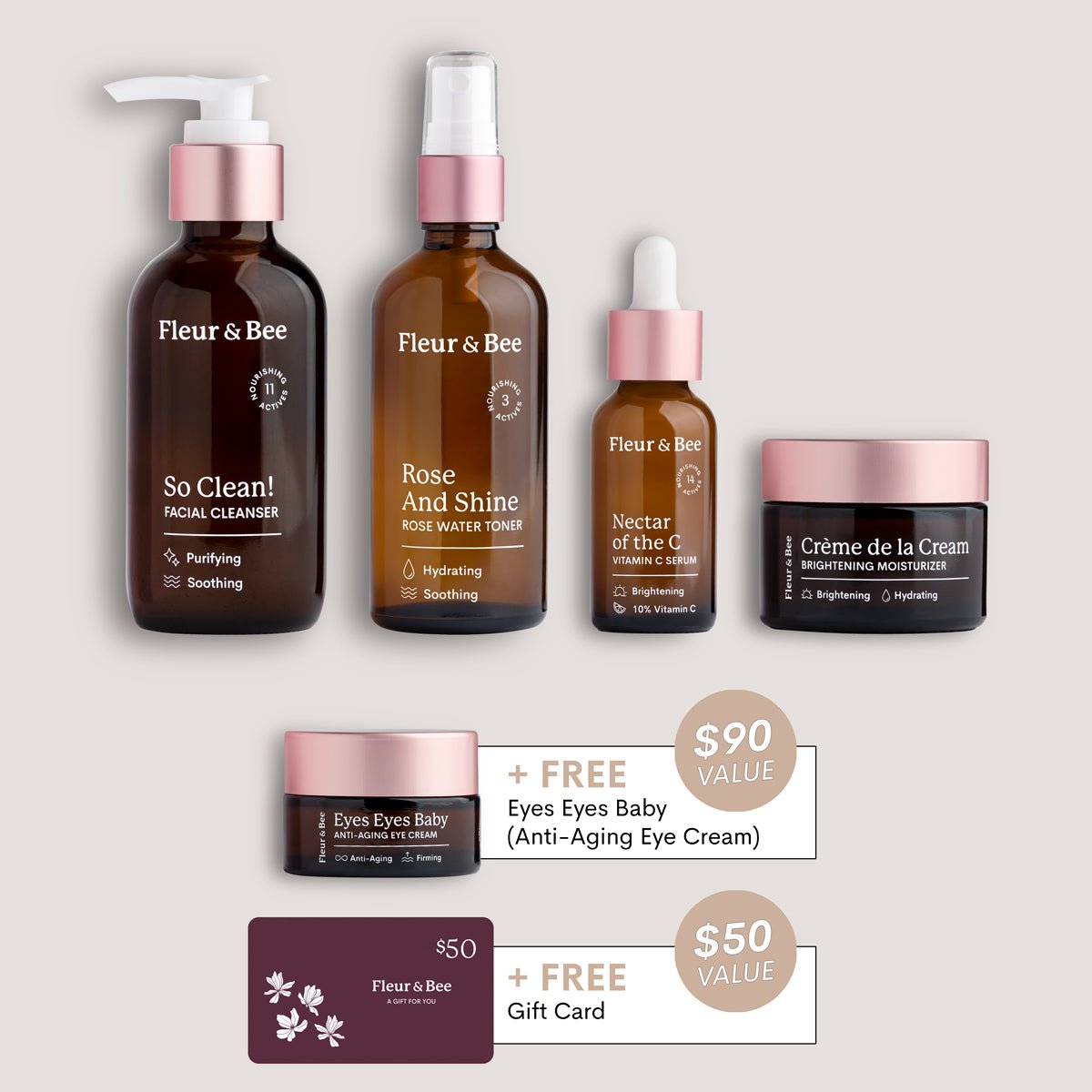
Credit: fleurandbee.com
Causes Of Dark Spots
Dark spots appear as patches on the skin that are darker than the surrounding area. They can affect anyone and often cause concern. Understanding the causes helps in choosing the right skincare routine. Several factors trigger dark spots, ranging from environmental to biological influences. Recognizing these can prevent worsening and guide effective treatment.
Sun Exposure
Sun exposure is the leading cause of dark spots. Ultraviolet (UV) rays increase melanin production in the skin. Melanin is the pigment that gives skin its color. Excess melanin creates dark patches or spots. Even short time in the sun can trigger spots over time. Sunscreen use reduces this risk significantly.
Hormonal Changes
Hormonal changes can cause dark spots, especially in women. Pregnancy, birth control pills, or hormone therapy often trigger melasma. Melasma appears as symmetrical dark patches on the face. Hormones stimulate melanocytes, the cells that produce pigment. This effect can last as long as hormone levels change.
Acne Scars
Acne leaves marks that turn into dark spots after healing. Inflammation from acne damages skin cells and triggers extra pigment. These spots are called post-inflammatory hyperpigmentation. They are common in darker skin tones. Proper acne care and gentle treatment reduce the chance of scars turning dark.
Aging Effects
Aging skin naturally develops dark spots called age spots or liver spots. These spots appear due to cumulative sun exposure over the years. The skin’s ability to renew and repair slows down with age. This causes pigment to build up in certain areas. Regular skincare and protection can slow their appearance.
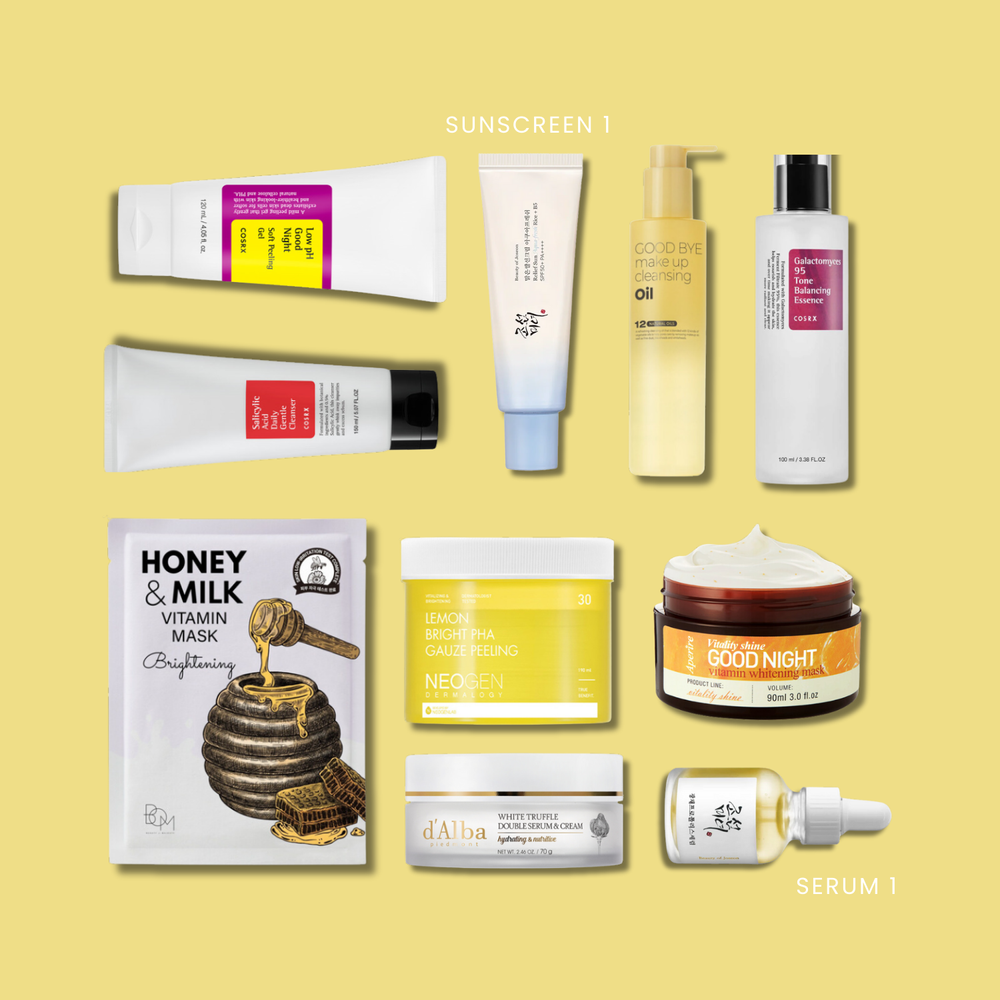
Credit: www.ooshtush.com
Choosing The Right Products
Choosing the right products is key to reducing dark spots effectively. The skin needs gentle care and targeted ingredients to fade discoloration. Picking the correct formulas ensures better results and fewer side effects. Each product should suit your skin type and address dark spots directly.
Ingredients To Look For
Select products with proven ingredients that lighten dark spots and brighten skin tone. These include:
- Vitamin C – boosts brightness and evens skin
- Niacinamide – reduces inflammation and spot size
- Alpha Arbutin – slows melanin production
- Glycolic Acid – exfoliates dead skin cells gently
- Kojic Acid – inhibits pigment formation
- Retinoids – improve cell turnover and fade spots
Combining these ingredients carefully can enhance skin clarity and smoothness.
Avoiding Harsh Chemicals
Harsh chemicals damage skin and worsen dark spots. Avoid products with:
- Alcohol – dries and irritates skin
- Fragrances – cause allergic reactions
- Sulfates – strip natural oils
- Parabens – disrupt hormone balance
Gentle, natural, and non-comedogenic products protect the skin barrier and reduce sensitivity. Patience is important for gradual improvement without irritation.
Importance Of Sunscreen
Sunscreen is vital to prevent dark spots from darkening. UV rays increase melanin and cause new spots. Use broad-spectrum sunscreen with SPF 30 or higher daily. Reapply every two hours outdoors. Sunscreen also protects skin from premature aging and damage. It is the final and most important step in your skincare routine.
Daily Skincare Steps
Taking care of dark spots requires consistency and the right daily routine. Every step you take matters, from cleansing to moisturizing. Skipping any part can slow down your progress or even worsen the spots.
Cleansing Techniques
Use a gentle cleanser that suits your skin type to remove dirt and excess oil without stripping moisture. Cleansing twice a day is ideal—morning to refresh and night to clean off pollutants and makeup.
Try using lukewarm water instead of hot water to protect your skin barrier. When washing, use your fingertips in circular motions rather than harsh scrubbing. Have you noticed how your skin feels after skipping cleansing just once?
Exfoliation Tips
Exfoliating removes dead skin cells that can make dark spots look duller. Use a chemical exfoliant containing ingredients like glycolic acid or salicylic acid two to three times a week. These work better than physical scrubs because they penetrate deeper without causing microtears.
Be careful not to over-exfoliate; this can irritate your skin and make dark spots worse. Pay attention to how your skin reacts and adjust frequency accordingly. Have you ever experienced redness or sensitivity after exfoliating?
Moisturizing For Glow
Hydration is key to healing and fading dark spots. Choose a moisturizer with brightening ingredients such as niacinamide or vitamin C to boost your skin’s radiance. Don’t skip this step even if your skin feels oily—hydrated skin heals faster and looks healthier.
Apply moisturizer while your skin is still slightly damp to lock in moisture. This simple habit can enhance absorption and keep your skin glowing throughout the day. What’s your current moisturizer doing to help your dark spots?
Targeted Treatments
Targeted treatments focus directly on reducing dark spots and evening out skin tone. These treatments work on the pigment that causes discoloration. Using the right options can help fade spots faster and improve skin clarity. Choosing the right treatment depends on skin type and spot severity.
Serums And Spot Correctors
Serums and spot correctors contain active ingredients designed to lighten dark spots. Ingredients like vitamin C, niacinamide, and hydroquinone are common. These products penetrate deep into the skin for better results. Apply them after cleansing and before moisturizing. Consistent use shows noticeable improvement in several weeks.
Professional Procedures
Professional treatments offer quicker and stronger results. Options include chemical peels, laser therapy, and microdermabrasion. These procedures remove damaged skin layers and reduce pigmentation. Always consult a dermatologist to find the best treatment for your skin. Follow aftercare instructions carefully to avoid irritation.
Natural Remedies
Natural remedies can help lighten dark spots gently. Ingredients like aloe vera, lemon juice, and turmeric are popular choices. These have mild bleaching and anti-inflammatory properties. Use natural treatments regularly but with caution to prevent skin sensitivity. They work best combined with sun protection and a healthy skincare routine.
Lifestyle Factors
Lifestyle choices greatly influence the appearance of dark spots. Healthy habits support skin healing and prevent new discoloration. Simple daily actions can improve skin tone and clarity over time.
Diet And Hydration
A balanced diet fuels skin health from within. Foods rich in antioxidants, vitamins C and E, help fade dark spots. Include fresh fruits, vegetables, and nuts in meals.
Drinking enough water keeps skin hydrated and plump. Hydrated skin repairs itself faster and looks brighter. Aim for at least eight glasses of water daily.
Sleep And Stress
Quality sleep allows skin to regenerate overnight. Lack of sleep can worsen dark spots and dullness. Try to get 7 to 9 hours of rest every night.
Stress triggers inflammation and uneven skin tone. Managing stress improves skin healing and appearance. Practice relaxation techniques like deep breathing or light exercise.
Avoiding Skin Irritants
Harsh products can damage skin and worsen dark spots. Choose gentle cleansers and moisturizers suited for sensitive skin. Avoid scrubbing or over-exfoliating.
Protect skin from sun exposure with broad-spectrum sunscreen daily. UV rays increase pigmentation and dark spot formation. Wear hats and seek shade during peak sun hours.
Maintaining Results
Maintaining clear skin free from dark spots requires ongoing care. The key lies in consistent habits and adapting to your skin’s needs. This section covers ways to keep your results long-lasting and your skin healthy.
Consistent Routine
Stick to your skincare routine every day. Use products designed for dark spots without skipping steps. Cleanse, treat, and moisturize your skin regularly. Consistency helps fade spots and prevents new ones. Avoid changing products often to see steady progress.
Regular Skin Checkups
Visit a dermatologist for skin checkups twice a year. Professionals can spot changes early and offer advice. They may suggest treatments if dark spots worsen or new ones appear. Regular checkups keep your skin safe and improve your routine.
Adjusting For Seasons
Change your skincare routine with the seasons. Use lighter products in summer to avoid clogged pores. In winter, switch to richer moisturizers to prevent dryness. Always apply sunscreen year-round to protect your skin from UV damage. Seasonal adjustments help maintain smooth, even skin.
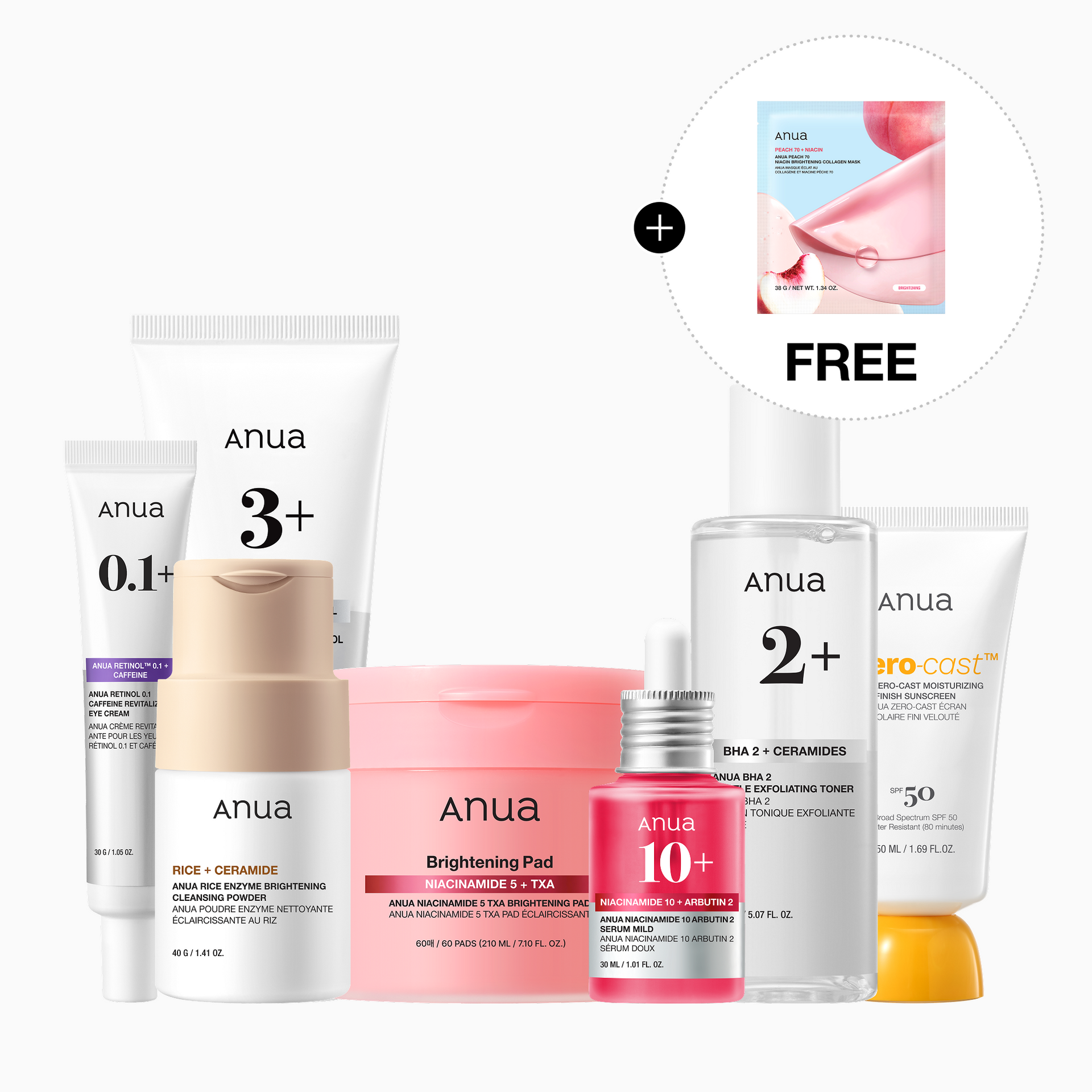
Credit: anua.com
Frequently Asked Questions
What Causes Dark Spots On The Skin?
Dark spots result from excess melanin production triggered by sun exposure, aging, inflammation, or acne scars. Hormonal changes and certain medications can also contribute to dark spots.
How Can I Prevent Dark Spots Effectively?
Use broad-spectrum sunscreen daily, avoid peak sun hours, and wear protective clothing. Regular exfoliation and a healthy skincare routine also help prevent dark spots.
Which Ingredients Fade Dark Spots Fastest?
Look for products with vitamin C, niacinamide, retinoids, and alpha hydroxy acids. These ingredients brighten skin and reduce pigmentation effectively with consistent use.
Can Natural Remedies Reduce Dark Spots Safely?
Yes, ingredients like aloe vera, lemon juice, and green tea may lighten spots. However, natural remedies require patience and might not work for severe pigmentation.
Conclusion
Dark spots can fade with a good skincare routine. Use gentle cleansers and apply sunscreen daily. Ingredients like vitamin C and niacinamide help brighten skin. Be patient; results take time and care. Avoid picking or scrubbing dark spots harshly. Stay consistent with your routine for best results.
Healthy skin needs protection, hydration, and love. Small steps each day lead to clearer skin. Keep your routine simple and easy to follow. Your skin will thank you with a brighter look.
