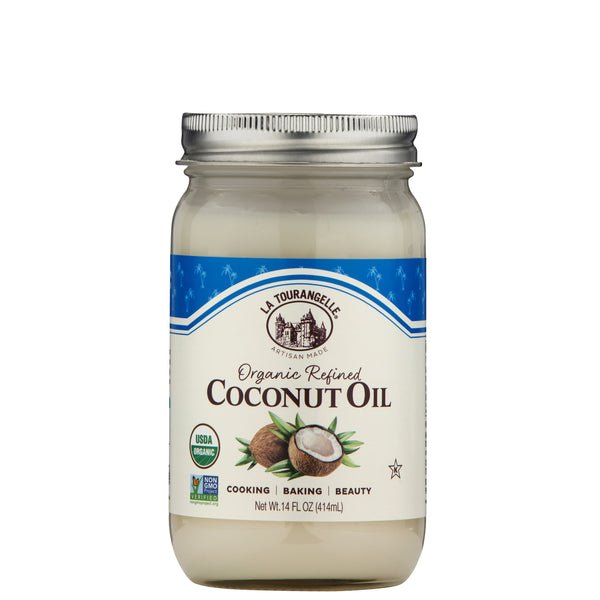
Are you curious about the best coconut oil for your skin? With so many choices on the market, it can be tough to decide between refined and unrefined coconut oil.
Each type boasts unique benefits and uses, making it essential to understand which one suits your skincare needs best. By discovering the differences and advantages of each, you can make an informed decision that enhances your skincare routine. Dive deeper, and you’ll find that the right choice can transform your skin, leaving it healthier and more radiant than ever.
Ready to uncover the secret to glowing skin? Let’s explore the wonders of refined and unrefined coconut oil together.
Types Of Coconut Oil
Coconut oil comes in two main types. Each type has its own benefits for skin care. Understanding these helps you pick the best option for your skin needs.
Both types come from the coconut fruit but differ in processing. This affects their scent, texture, and how they work on your skin.
Refined Coconut Oil
Refined coconut oil is processed to remove impurities and scent. It has a neutral smell and a light texture.
This oil is good for sensitive skin. It absorbs quickly without leaving a greasy feeling.
Refined coconut oil has a higher smoke point. It lasts longer on shelves and resists heat well.
Unrefined Coconut Oil
Unrefined coconut oil, also called virgin or extra virgin, is less processed.
It keeps a strong coconut aroma and richer nutrients. This oil is thicker and creamier.
Unrefined oil is packed with antioxidants and natural vitamins. It deeply nourishes and hydrates skin.
Extraction Methods
The way coconut oil is extracted directly affects its quality and benefits for your skin. Extraction methods determine the oil’s purity, scent, and nutrient content. Understanding these processes can help you choose the right type for your skincare routine.
Processing Refined Oil
Refined coconut oil starts with dried coconut meat called copra. The oil is extracted using heat or chemicals, which removes impurities and extends shelf life.
This processing strips away much of the natural aroma and some nutrients. The result is a neutral-smelling oil that you might find more versatile for cooking but less rich for skin nourishment.
Do you prefer a clean, odorless oil, or would you rather have all the natural goodness intact for your skin?
Cold-pressed Unrefined Oil
Cold-pressed coconut oil is made by pressing fresh coconut meat without applying heat. This method preserves the oil’s natural aroma, antioxidants, and vitamins.
The oil retains its creamy texture and nourishing qualities, making it ideal for skin care. It can soothe dry skin, reduce inflammation, and provide a natural glow.
If you want an oil that feels pure and close to its natural state, cold-pressed unrefined oil might be your best pick. How important is it for your skincare products to be as natural as possible?
Nutrient Differences
Coconut oil is popular for skin care. Both refined and unrefined types offer benefits. Their nutrient content differs quite a bit. These differences affect how they nourish and protect your skin. Understanding the nutrients helps choose the best option for your skin needs.
Vitamins And Antioxidants
Unrefined coconut oil contains more vitamins and antioxidants. It keeps natural nutrients intact because it is less processed. It has vitamin E, which helps protect skin from damage. It also contains polyphenols, natural antioxidants that fight free radicals.
Refined coconut oil goes through processing that reduces vitamins and antioxidants. It loses much of vitamin E and polyphenols. This type of oil still moisturizes but lacks some protective compounds found in unrefined oil.
Fatty Acid Profiles
Both oils contain healthy fatty acids that hydrate and nourish skin. The main fatty acid is lauric acid, which has antimicrobial properties. Unrefined oil retains more of these fatty acids in their natural form.
Refined coconut oil has a similar fatty acid profile but is slightly altered by heat and chemicals. It may lose some minor fatty acids and beneficial compounds during refining. This means unrefined oil offers a richer nutrient profile for skin health.

Credit: www.amazon.com
Benefits For Skin
Coconut oil offers many benefits for the skin. Both refined and unrefined types can nourish and protect your skin. They help keep the skin soft and healthy. Understanding these benefits helps you choose the best option for your skin care.
Moisturizing Effects
Coconut oil deeply hydrates the skin. It helps lock in moisture and prevents dryness. Both refined and unrefined oils create a barrier that protects the skin from water loss. This keeps skin smooth and soft all day.
Anti-inflammatory Properties
Coconut oil can reduce skin redness and swelling. It soothes irritated skin and calms inflammation. This makes it useful for sensitive or dry skin types. Regular use can help maintain balanced and calm skin.
Antibacterial Action
Coconut oil contains natural compounds that fight bacteria. This helps reduce acne and skin infections. The oil cleanses the skin gently without harsh chemicals. It supports a clear and healthy complexion over time.
Potential Drawbacks
Coconut oil offers many benefits for skin care, but it has some drawbacks. Understanding these can help you decide which type suits your skin best. Both refined and unrefined coconut oils may cause certain issues for some users.
Allergic Reactions
Some people may have allergies to coconut oil. Skin redness, itching, or rash can occur after application. Testing a small skin area before full use helps avoid strong reactions. Allergic responses happen with both refined and unrefined oils.
Comedogenic Risks
Coconut oil is comedogenic, meaning it can block pores. This blockage may cause acne or blackheads in oily or acne-prone skin types. Refined oil sometimes has fewer impurities, but pore-clogging risks remain. Using coconut oil on sensitive skin requires caution.
Best Uses By Skin Type
Choosing between refined and unrefined coconut oil for your skin depends a lot on your skin type. Each type reacts differently to the oils’ texture, scent, and nutrient content. Understanding which oil suits your skin can make a big difference in how your skin feels and looks after use.
Dry Skin
If your skin feels tight or flaky, unrefined coconut oil is often better. It retains natural antioxidants and vitamins that deeply nourish and hydrate. I once switched to unrefined oil during winter, and it helped soothe my dry patches without any greasy residue.
Use it as a moisturizer after a shower to lock in moisture. Applying it before bed can also help repair your skin overnight. Would you consider swapping your usual lotion for a natural oil with added benefits?
Oily Skin
Oily skin needs a lighter option that won’t clog pores. Refined coconut oil is usually less greasy and has fewer impurities, making it easier to absorb. When I used refined oil on my oily skin, I noticed less shine and fewer breakouts.
Try using a small amount as a makeup remover or a gentle cleanser. It can balance your skin’s natural oils without overloading it. Could a simple oil change improve your skin’s overall balance?
Sensitive Skin
Sensitive skin often reacts to strong scents or impurities. Unrefined coconut oil, with its natural aroma and nutrients, may cause irritation for some. However, refined coconut oil is milder and free from most allergens.
Patch test first by applying a tiny amount to a small skin area. If no redness appears after 24 hours, you can safely include it in your routine. Are you ready to give your sensitive skin a gentle, natural treatment?
Application Tips
Knowing how to use coconut oil on your skin can make a big difference in results. Whether you choose refined or unrefined coconut oil, applying it the right way helps you get the most benefits without clogging pores or causing irritation. Let’s look at some practical tips that you can start using today.
How To Apply
Start with clean, dry skin to avoid trapping dirt or bacteria under the oil. Take a small amount—about a pea-sized drop—and warm it between your palms until it melts into a liquid. Gently massage the oil into your skin using circular motions to boost circulation and absorption.
For sensitive areas like your face, use a light touch and avoid applying too much oil at once. Pay special attention to dry patches or rough spots. Have you noticed how a little goes a long way with coconut oil? That’s the secret to preventing greasy buildup.
Combining With Other Ingredients
Coconut oil pairs well with several natural ingredients to enhance its effects. You can mix it with a few drops of essential oils like lavender or tea tree for added calming or antibacterial benefits. Just make sure to do a patch test first to avoid any allergic reactions.
Adding sugar or coffee grounds to coconut oil creates a simple, effective scrub for exfoliating dead skin cells. This combination leaves your skin feeling smooth and refreshed. Have you tried combining coconut oil with your favorite skincare ingredients yet? It might surprise you how versatile it is.

Credit: www.walmart.ca
Choosing Quality Coconut Oil
Choosing quality coconut oil is important for your skin health. The right oil can hydrate, protect, and nourish your skin deeply. Poor-quality oil might cause irritation or offer little benefit. Knowing what to check helps you pick the best option for your skincare needs.
Labels To Look For
- Virgin or Extra Virgin:Indicates minimal processing and high purity.
- Cold-Pressed:Means oil is extracted without heat, preserving nutrients.
- Organic:Shows the oil is free from pesticides and chemicals.
- Unrefined:Retains natural aroma and beneficial properties.
- Non-GMO:Ensures the oil comes from non-genetically modified coconuts.
Storage Recommendations
Store coconut oil in a cool, dark place to keep it fresh. Avoid sunlight and heat, which can spoil the oil quickly.
Use a clean, dry spoon to scoop the oil. This prevents contamination and extends shelf life.
Seal the container tightly after each use to maintain quality and aroma.

Credit: www.amazon.com
Frequently Asked Questions
What Is The Difference Between Refined And Unrefined Coconut Oil?
Refined coconut oil is processed to remove impurities and odor. Unrefined, or virgin coconut oil, is natural and retains its aroma and nutrients. Unrefined oil is better for skin due to its higher antioxidant content and moisturizing properties.
Which Coconut Oil Is Better For Sensitive Skin?
Unrefined coconut oil is better for sensitive skin. It is pure, natural, and contains fewer chemicals. Refined oil may have traces of processing agents that can irritate sensitive skin types.
Can Refined Coconut Oil Cause Skin Dryness?
Refined coconut oil may cause dryness for some skin types due to loss of natural nutrients during processing. Unrefined coconut oil retains moisturizing properties and is generally more hydrating for the skin.
Does Unrefined Coconut Oil Have Anti-aging Benefits?
Yes, unrefined coconut oil contains antioxidants and vitamins that help reduce signs of aging. It nourishes the skin, improves elasticity, and protects against free radical damage, making it ideal for anti-aging skincare.
Conclusion
Choosing between refined and unrefined coconut oil depends on your skin needs. Unrefined oil keeps more natural nutrients and a coconut scent. Refined oil has a lighter smell and longer shelf life. Both moisturize and protect your skin well. Try a small amount to see how your skin reacts.
Remember, gentle care works best for healthy, glowing skin. Simple choices can make a big difference. Keep your skin happy and nourished every day.