Are you wondering why your skin doesn’t glow as much as you want by morning? The secret might lie in the order of your night skin care routine.
How you apply each product can make a big difference in how well they work. Getting the order right helps your skin absorb everything better, leaving you refreshed and radiant. Stick with me, and you’ll discover the simple steps to transform your night routine for smoother, healthier skin by sunrise.

Credit: www.pennsmithskincare.com
Benefits Of Night Skincare
Night skincare offers unique benefits that you might not get from your daytime routine. It works with your body’s natural rhythms to help restore and improve your skin while you rest. Have you ever wondered why your skin looks fresher and more vibrant after a good night’s sleep? The secret lies in how night products support your skin’s healing and nourishment processes.
Skin Repair During Sleep
Your skin cells regenerate faster during the night. This is when the body focuses energy on healing damage caused by UV rays, pollution, and daily stress. Using night-specific products can speed up this repair process by providing ingredients like retinol and peptides that boost cell turnover.
Think about a time when you woke up with less redness or fewer breakouts after a night of good sleep combined with a proper night routine. That’s your skin repairing itself more effectively. Are you giving your skin what it needs to fully recover every night?
Enhanced Absorption
At night, your skin is more receptive to skincare ingredients because it’s free from sunscreen and makeup. This means active ingredients can penetrate deeper and work more efficiently. Ingredients like hyaluronic acid and vitamin C absorb better, delivering maximum benefits.
Try applying a nourishing serum or moisturizer at night and compare how your skin feels the next morning. Does it seem more supple or glowing? This enhanced absorption can make a visible difference in your skin’s texture and clarity.
Hydration And Nourishment
During sleep, your skin loses moisture, which can lead to dryness and dullness. Night creams and oils help lock in hydration and provide essential nutrients your skin needs to stay healthy. Look for products with ingredients like ceramides and natural oils that restore the skin barrier.
Have you noticed how your skin sometimes feels tight or flaky in the morning? That’s a sign it needs extra hydration overnight. Proper night skincare can keep your skin soft, smooth, and ready to face the day.

Credit: www.bellinispdx.com
Cleansing Techniques
Cleansing is the foundation of any effective night skin care routine. It removes dirt, oil, and impurities that accumulate throughout the day, preparing your skin for the products that follow. Choosing the right techniques can make a noticeable difference in your skin’s health and appearance.
Double Cleansing Method
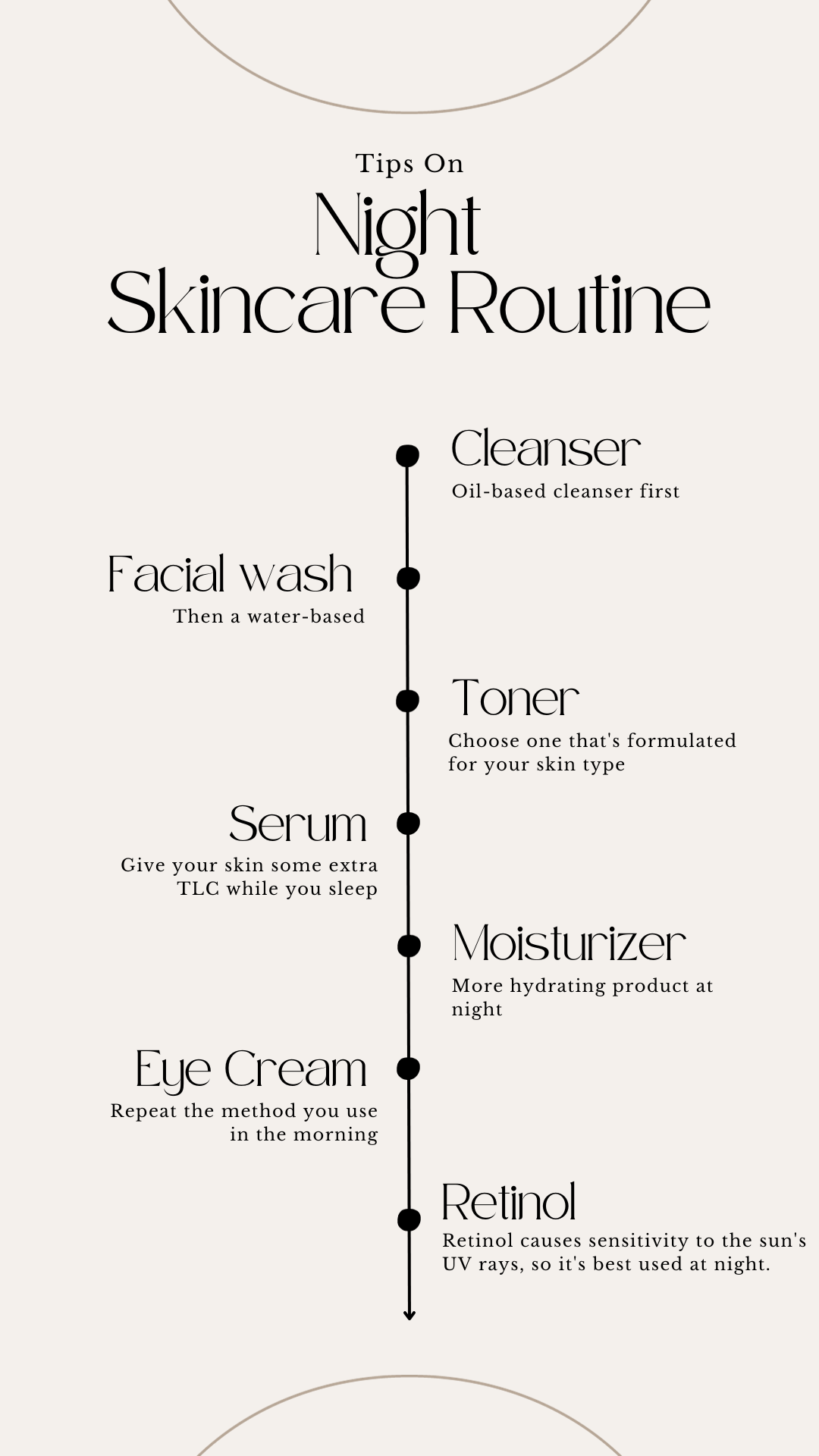
Double cleansing involves using two different types of cleansers back-to-back. Start with an oil-based cleanser to break down makeup, sunscreen, and excess sebum.
Follow this with a water-based cleanser to remove sweat, dirt, and remaining residue. This two-step process ensures your skin is thoroughly clean without stripping its natural moisture.
Have you ever noticed your skin feeling tight after just one cleanse? Double cleansing can prevent that by balancing deep cleaning with gentle care.
Choosing The Right Cleanser
Select a cleanser based on your skin type and concerns. For dry or sensitive skin, opt for creamy or hydrating cleansers that nourish as they clean.
If you have oily or acne-prone skin, foaming or gel cleansers can help control excess oil and prevent breakouts. Pay attention to ingredients—avoid harsh sulfates or fragrances that might irritate your skin.
Think about your environment too. Living in a polluted city may require a cleanser with antioxidants or detoxifying properties to combat airborne aggressors.
Removing Makeup Effectively
Makeup can clog pores if not removed properly, leading to breakouts and dullness. Use a dedicated makeup remover or cleansing balm to dissolve heavy products like waterproof mascara or long-lasting lipstick.
Gently massage the remover into your skin, allowing it time to break down makeup before rinsing. Rushing this step can leave residues that cause irritation or acne.
Have you tried cleansing cloths or micellar water? They can be convenient but may not replace a full cleanse, especially at night.
Exfoliation Tips
Exfoliation is a key part of the night skin care routine. It removes dead skin cells and helps new skin shine. Proper exfoliation makes your skin smooth and bright. Using the right type and amount keeps skin healthy and fresh.
Physical Vs Chemical Exfoliants
Physical exfoliants use small grains or brushes to scrub the skin. They work quickly but can be harsh if used too hard. Chemical exfoliants use acids or enzymes to dissolve dead skin. These are gentle and work deeper over time. Choose based on your skin type and sensitivity.
Frequency And Timing
Exfoliate two to three times a week for most skin types. Sensitive skin needs less, maybe once a week. Best to exfoliate at night to avoid sun sensitivity. Always follow exfoliation with moisturizer to keep skin hydrated.
Avoiding Over-exfoliation
Too much exfoliation can cause redness and irritation. Skin may become dry or break out. Watch for signs like tightness or burning. Stop exfoliating if skin feels sore or looks flaky. Gentle care helps skin stay balanced and glowing.
Toning Essentials
Toning is a crucial step in your night skin care routine that many overlook. It helps prepare your skin to absorb serums and moisturizers more effectively. Choosing the right toner can make a noticeable difference in your skin’s clarity and texture by morning.
Selecting Alcohol-free Toners
Alcohol-free toners are gentle on your skin and prevent dryness. Many toners contain alcohol, which can strip natural oils and cause irritation, especially at night. Look for labels that highlight “alcohol-free” or check the ingredients for terms like “ethanol” or “denatured alcohol” to avoid.
Think about how your skin feels after applying a toner. Does it tighten or sting? If yes, it might be time to switch to a gentler formula. Choosing an alcohol-free toner helps maintain your skin’s moisture balance, making it feel soft rather than tight.
Balancing Skin Ph
Your skin’s natural pH typically ranges between 4.5 and 5.5. Using a toner that helps restore this balance can prevent breakouts and improve overall skin health. Many cleansers disrupt pH levels, so a toner acts as a reset button after washing your face.
Have you ever noticed increased sensitivity or redness after cleansing? That could be your skin’s pH out of sync. A well-formulated toner with pH-balancing properties helps soothe your skin and keeps it resilient against environmental stressors overnight.
Soothing Ingredients To Look For
Nighttime toners with calming ingredients can reduce irritation and redness while you sleep. Ingredients like chamomile, aloe vera, and green tea extract are excellent choices. They offer hydration and antioxidants that protect your skin from damage.
When I added a toner with aloe vera to my routine, I saw less redness and smoother skin by morning. Consider toners with natural extracts and avoid harsh chemicals that might disrupt your skin’s healing process overnight. Your skin deserves a calming touch before bed.
Serums And Treatments
Serums and treatments play a vital role in night skin care routines. They deliver concentrated ingredients to address various skin issues. These products work deeply to nourish and repair the skin while you sleep. Choosing the right serum or treatment can improve skin texture, brightness, and hydration.
Targeting Specific Skin Concerns
Serums focus on particular skin needs. Some target dryness, others fight aging or acne. Understanding your skin concern helps pick the best serum. For example, use hydrating serums for dry skin. Anti-aging serums work well on wrinkles and fine lines. Acne-fighting treatments reduce breakouts and calm redness. Spot treatments can also reduce dark spots or uneven tone.
Layering Serums Correctly
Apply serums in the right order for best results. Start with the thinnest texture and end with the thickest. Usually, water-based serums go first, followed by oil-based ones. Allow each serum to absorb before adding the next. Avoid mixing too many actives to prevent irritation. A simple routine often works better than too many products.
Active Ingredients To Consider
- Hyaluronic Acid: Boosts hydration and plumps skin.
- Vitamin C: Brightens skin and fights free radicals.
- Retinol: Encourages cell turnover and reduces wrinkles.
- Niacinamide: Calms skin and improves texture.
- Peptides: Support collagen production and firmness.
- Salicylic Acid: Clears pores and reduces acne.
Moisturizing Strategies
Moisturizing is key to healthy skin during the night. It helps repair damage and keeps skin soft. Good night care locks in hydration and supports skin’s natural renewal. Here are smart ways to moisturize effectively before bedtime.
Choosing Night Creams
Pick creams made for night use. These are richer and work while you sleep. Look for ingredients like hyaluronic acid and ceramides. They boost moisture and strengthen skin’s barrier. Avoid heavy fragrances or alcohol that dry skin out.
Locking In Moisture
Apply moisturizer on clean, damp skin. This traps water in the skin layers. Use gentle patting motions instead of rubbing. Seal moisture by layering creams with oils or balms. This creates a protective shield to prevent dryness.
Dealing With Different Skin Types
- Dry skin:Use thick creams or oils for deep hydration.
- Oily skin:Choose lightweight, non-comedogenic gels or lotions.
- Combination skin:Apply richer creams on dry areas only.
- Sensitive skin:Stick to fragrance-free, soothing formulas with calming ingredients.
Eye Care Routine
Your eye care routine can make a huge difference in how fresh and awake your eyes look every day. The skin around your eyes is delicate and shows signs of tiredness quickly. Focusing on targeted care helps reduce puffiness, lighten dark circles, and keep this sensitive area hydrated.
Reducing Puffiness And Dark Circles
Puffiness often results from fluid buildup or lack of sleep. Applying a cold compress or chilled spoons for a few minutes can immediately reduce swelling. You can also try gentle facial massages to improve circulation and drain excess fluid.
Dark circles might come from genetics, allergies, or thinning skin. Using products with ingredients like caffeine or vitamin C can brighten the under-eye area. Ever noticed how a quick splash of cold water refreshes your eyes? Consistency in using eye creams can offer similar, lasting effects.
Gentle Application Techniques
How you apply eye cream matters as much as the product itself. Use your ring finger to tap, not rub, the cream gently around your eyes. This finger exerts the least pressure, protecting the delicate skin from damage.
Start from the inner corner near your nose and move outward, following the orbital bone. Avoid applying too close to your lash line to prevent irritation. Taking your time with this step ensures better absorption and reduces the risk of tugging.
Best Eye Cream Ingredients
| Ingredient | Benefit |
|---|---|
| Caffeine | Reduces puffiness by constricting blood vessels |
| Hyaluronic Acid | Provides deep hydration and plumps skin |
| Vitamin C | Brightens dark circles and supports collagen |
| Peptides | Boost collagen production and improve firmness |
| Niacinamide | Reduces inflammation and evens skin tone |
Choosing products with these ingredients can help you target specific issues under your eyes. Have you checked your current eye cream’s label lately? Sometimes, the right ingredient makes all the difference in visible results.
Additional Night Care Steps
Additional night care steps enhance your skin’s natural repair process. These steps help lock in moisture and target specific skin concerns. Adding these to your routine can improve your skin’s texture and glow.
Using Face Oils
Face oils nourish and hydrate your skin deeply. They create a protective barrier that keeps moisture in. Choose oils suited to your skin type, like jojoba for oily skin or rosehip for dry skin. Apply a few drops after your moisturizer for best results.
Overnight Masks
Overnight masks provide intense hydration while you sleep. They help repair and soothe skin damaged by daily stress. Apply a thin layer after your night cream. Leave it on all night to wake up with soft, refreshed skin.
Spot Treatments
Spot treatments target blemishes or dark spots effectively. Use them only on affected areas to avoid dryness elsewhere. Apply after cleansing and before moisturizing. Consistent use reduces redness and speeds healing.
Common Mistakes To Avoid
Night skin care can bring great results if done right. Many people make simple mistakes that stop their skin from getting better. Avoiding these errors helps your skin stay healthy and glowing. Focus on the basics and treat your skin gently for the best effect.
Skipping Steps
Every step in your night skin care routine has a purpose. Skipping cleansing or moisturizing can leave your skin dry or oily. Missing toner or serum means fewer nutrients reach your skin. Follow the full routine for balanced and nourished skin.
Using Harsh Products
Strong chemicals can irritate and damage your skin. Avoid products with too much alcohol or fragrance. Choose gentle cleansers and creams made for your skin type. Harsh products cause redness, dryness, and breakouts.
Neglecting Consistency
Skin care needs regular effort to show results. Using products once in a while won’t help much. Make your routine a daily habit. Consistency improves skin texture, tone, and hydration over time.
Credit: medium.com
Customizing Your Routine
Customizing your night skin care routine is key to seeing real results. Your skin changes over time and reacts differently depending on various factors. Tailoring your products and steps ensures you meet your skin’s unique needs every night.
Adapting To Seasonal Changes
Your skin behaves differently with the seasons. In winter, it may become dry and flaky, demanding richer creams and more hydration. During summer, lighter formulas and increased sun protection can prevent clogged pores and breakouts.
Notice how your skin feels each season. Does it feel tight or oily? Adjust your routine accordingly—swap heavy moisturizers for gel-based ones in warmer months or add nourishing oils when it’s cold.
Adjusting For Skin Sensitivity
Some nights, your skin might feel irritated or more sensitive than usual. This can happen due to stress, diet, or environmental factors. When this happens, reduce active ingredients like retinol or acids and focus on calming products with soothing ingredients.
Have you ever experienced redness or stinging after applying your usual products? It’s a sign to pause and listen to your skin. Use gentle cleansers and barrier-repair creams until your skin calms down.
Incorporating Professional Advice
Consulting a dermatologist or skincare expert can provide valuable insights tailored to your skin type. They can recommend treatments or products that work best for your specific concerns. Sometimes, a professional tweak can make all the difference in your routine.
Think about your last skin check-up—did you discuss your night care habits? If not, bring it up next time. Their advice can help you avoid common mistakes and optimize your regimen for better results.
Frequently Asked Questions
What Is The Correct Order Of Night Skin Care?
The ideal night skin care order is cleansing, toning, applying serums, moisturizing, and finally eye cream. This ensures maximum absorption and skin nourishment overnight.
Why Should I Follow A Specific Night Skin Care Order?
Following a proper order helps each product work effectively. It enhances absorption and boosts the benefits for healthier, glowing skin.
Can I Skip Steps In My Night Skin Care Routine?
Skipping steps may reduce the effectiveness of your routine. Each step targets specific skin needs, so it’s best to follow the full order.
How Long Should I Wait Between Night Skin Care Steps?
Wait about 30 seconds to 1 minute between steps. This allows each product to absorb fully before applying the next one.
Conclusion
Achieving healthy skin requires a proper night routine. Cleanse to remove dirt. Follow with a toner to balance your skin. Apply serums for targeted treatment. Don’t forget a good moisturizer to lock in hydration. Eye creams can help reduce dark circles.
Finally, consider a night mask for extra nourishment. Consistency is key. Stick with this order, and your skin will thank you. Glowing skin is within reach. Simplicity and regular care can make a big difference. Feel confident and enjoy your refreshed skin every morning.