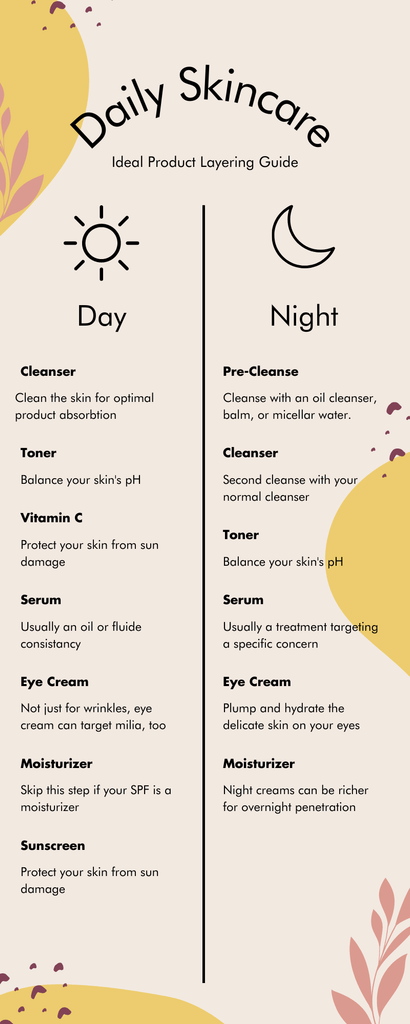
Your skin works hard all day, facing dirt, pollution, and stress. At night, it needs your help to repair and recharge.
A simple, effective skincare routine can make a big difference in how your skin looks and feels. If you want to wake up with glowing, refreshed skin, understanding the right steps to follow before bed is key. Keep reading to discover the essential skincare routine steps at night that will transform your skin while you sleep.
You deserve to feel confident and radiant every morning.
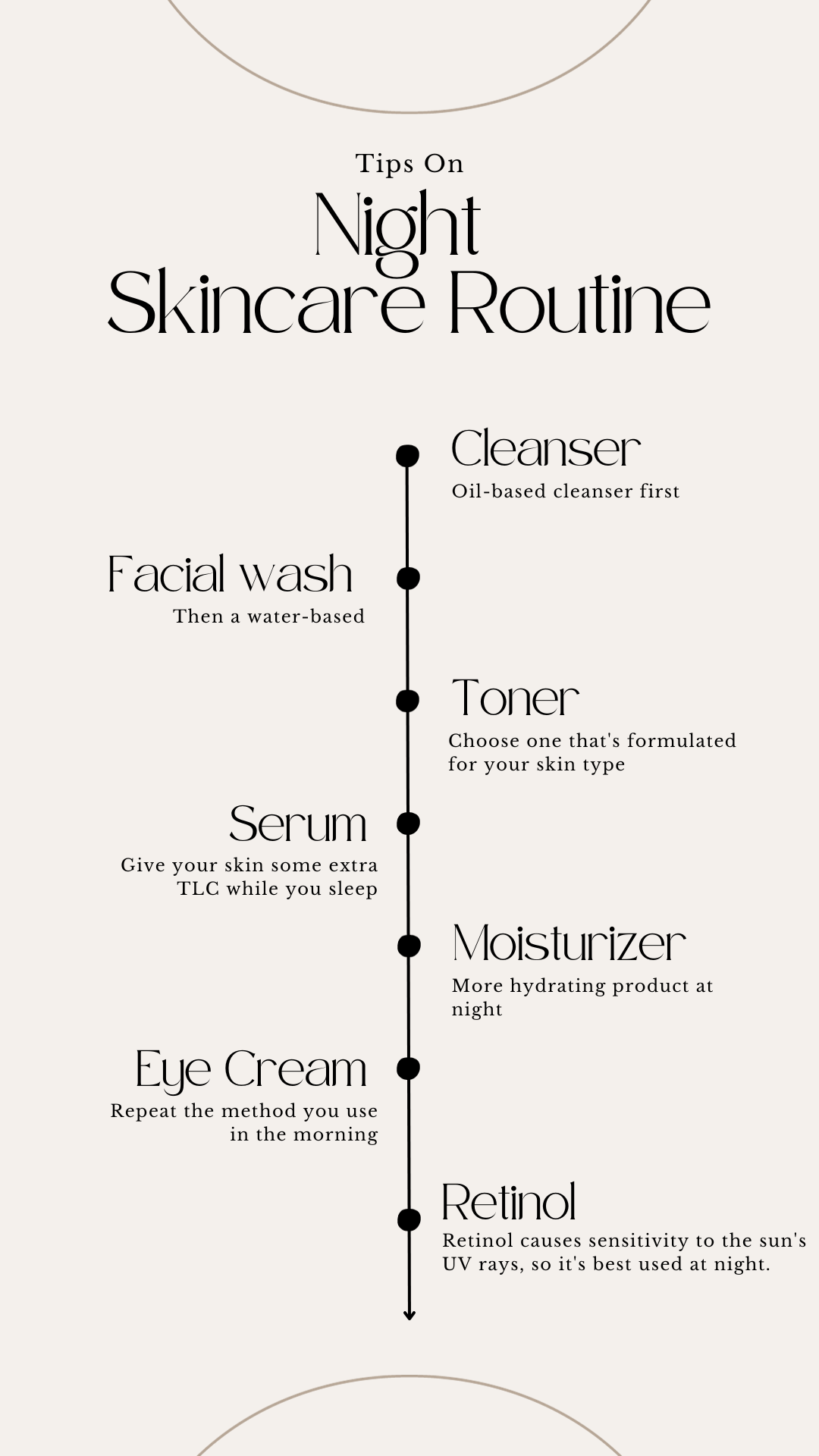
Credit: medium.com
Nighttime Skin Prep
Nighttime skin prep is vital for healthy, glowing skin. It clears away dirt, oil, and pollutants from the day. This creates a clean base for your skin to repair overnight. Proper preparation helps your skin absorb treatments better. It also prevents clogged pores and breakouts. Follow these key steps to prepare your skin for the night.
Remove Makeup Thoroughly
Removing makeup is the first step in nighttime skin prep. Leftover makeup blocks pores and causes irritation. Use a gentle makeup remover suitable for your skin type. Avoid harsh scrubbing to protect your skin barrier. Use cotton pads or soft cloths for removal. Double-check areas like the eyes and lips. Make sure no residue remains before moving to cleansing.
Cleanse With Gentle Products
Choose a gentle cleanser that suits your skin type. Avoid products with strong chemicals or fragrances. Use lukewarm water to rinse your face. Gently massage cleanser into your skin in circular motions. This removes sweat, dirt, and leftover makeup effectively. Rinse thoroughly to avoid residue buildup. Pat your face dry with a soft towel. Clean skin allows better absorption of night treatments.
Exfoliation Tips
Exfoliation is a key part of your night skincare routine. It helps remove dead skin cells and clears the way for your other products to work better. But knowing how to exfoliate properly can make a big difference to your skin’s health and glow.
Choose The Right Exfoliant
Picking the right exfoliant depends on your skin type and concerns. If you have sensitive skin, opt for gentle chemical exfoliants like lactic acid or fruit enzymes. These work without scrubbing harshly.
For oily or acne-prone skin, salicylic acid is a good choice because it penetrates pores and reduces breakouts. Avoid physical scrubs with big grains if your skin is easily irritated—they can cause micro-tears.
Have you ever noticed redness or irritation after exfoliating? That’s a sign your exfoliant might be too strong or abrasive for your skin.
Frequency For Healthy Skin
How often you exfoliate matters just as much as the product you use. Over-exfoliating can strip your skin’s natural oils and cause dryness or sensitivity.
Most people find that exfoliating 2-3 times a week is enough to keep skin smooth and clear. If you have very dry or sensitive skin, once a week might be best.
Try to listen to your skin’s signals. If it feels tight or looks red, give it more time to recover before exfoliating again. What’s your skin telling you after exfoliation?
Toning Benefits
Toning is an important step in any nighttime skincare routine. It helps remove leftover dirt and oil after cleansing. Toners prepare the skin to absorb moisturizers and serums better. They also refresh and soothe the skin, making it feel clean and calm. Using a toner regularly can improve skin texture and appearance over time.
Hydrate And Balance
Toners add moisture to the skin, which keeps it soft and smooth. They help restore the skin’s natural pH balance. This balance is key for healthy skin and to avoid dryness or oiliness. Hydrating toners reduce tightness after washing your face. They leave the skin feeling fresh and comfortable before applying other products.
Selecting Alcohol-free Toners
Choose toners without alcohol to protect your skin. Alcohol can dry out and irritate sensitive skin types. Alcohol-free toners use gentle ingredients that calm and nourish the skin. Look for options with soothing extracts like aloe vera or chamomile. These are safe and effective for all skin types, especially dry or sensitive skin.
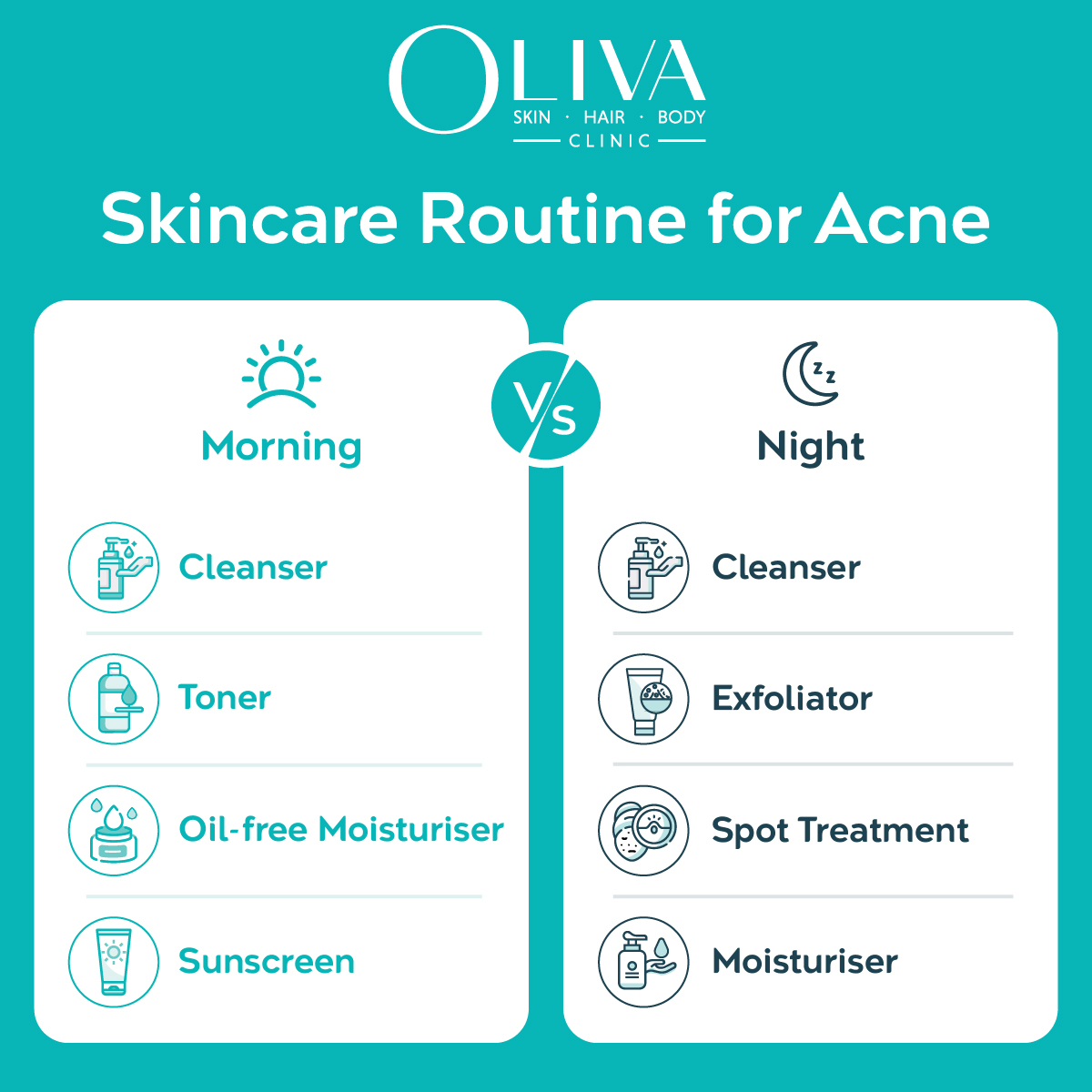
Credit: www.olivaclinic.com
Targeted Treatments
Targeted treatments are the secret weapons in your nighttime skincare routine. They address your skin’s unique needs and work harder while you sleep. These treatments can make a visible difference in texture, tone, and overall skin health.
Serums For Specific Concerns
Serums are lightweight but packed with active ingredients. You can choose a serum based on what your skin needs most—whether it’s hydration, brightening, or anti-aging.
For example, a vitamin C serum can boost radiance and fight dullness. If you struggle with fine lines, a serum with retinol can help smooth your skin overnight. Just remember to apply serums on clean, dry skin to maximize absorption.
Applying Eye Creams
The skin around your eyes is delicate and needs special care. Eye creams target puffiness, dark circles, and wrinkles.
Use your ring finger to gently tap a small amount of eye cream around the orbital bone. Avoid rubbing or pulling the skin. This simple step can prevent irritation and improve results.
Have you noticed that skipping eye cream often leads to dryness or fine lines? Adding this step can make your eyes look more refreshed and awake each morning.
Moisturizing Essentials
Moisturizing is a vital part of your nighttime skincare routine. It helps repair your skin after a day of exposure to pollutants and dryness. Choosing the right moisturizer can make a significant difference in how your skin feels and looks in the morning.
Night Creams Vs. Day Creams
Night creams are thicker and richer than day creams. They contain ingredients like retinol and peptides that work best while you sleep. These ingredients help with skin repair and collagen production, which is less effective during the day.
Day creams often have SPF and lighter textures designed for protection and hydration under makeup. If you use a day cream at night, you might miss out on the deep nourishment your skin needs. Have you ever noticed your skin feels dry or tight after skipping night cream?
Locking In Hydration
After applying your serum or treatment, use a moisturizer to seal in all the benefits. Think of it as putting a lid on your skin’s hydration so it doesn’t evaporate overnight. Ingredients like hyaluronic acid and ceramides are excellent for locking moisture in.
Try gently massaging your moisturizer into your face and neck to boost absorption. This simple step can improve circulation and help your skin feel plumper. Do you pay attention to how much moisturizer you use, or do you just apply it quickly before bed?
Additional Night Care
Additional night care helps your skin heal and stay healthy while you sleep. It supports the basic steps and adds extra nourishment. These care tips focus on areas that need more attention at night.
Overnight Masks
Overnight masks work while you rest. They lock in moisture and repair your skin. Use a thin layer after your moisturizer. These masks feel light and are easy to apply.
Choose masks with ingredients like hyaluronic acid or vitamins. They help hydrate and brighten your skin. Apply twice or thrice a week for best results. Your skin wakes up soft and refreshed.
Lip Care Routine
Lips need care too, especially at night. Use a gentle lip scrub to remove dead skin. Follow with a nourishing lip balm or treatment. This keeps lips smooth and prevents cracking.
Look for lip balms with natural oils or beeswax. These ingredients protect and heal dry lips. Apply the balm right before bed. Your lips will feel softer in the morning.
Common Mistakes To Avoid
Nighttime skincare is essential for healthy skin. Many people make common mistakes that harm their skin. Avoiding these errors helps you get the best results. Understanding these pitfalls keeps your skin clear and glowing.
Over-exfoliating
Exfoliating removes dead skin cells and refreshes your skin. But doing it too often can cause irritation and dryness. Limit exfoliation to two or three times a week. Use gentle scrubs or chemical exfoliants suitable for your skin type. Over-exfoliating breaks your skin’s barrier and leads to redness and sensitivity.
Skipping Steps
Each step in a skincare routine has a purpose. Skipping steps like cleansing or moisturizing can harm your skin. Clean skin allows other products to work better. Moisturizers lock in hydration and repair the skin barrier. Never skip cleansing or moisturizing, even if you feel tired. Your skin needs consistent care every night.

Credit: www.colorescience.com
Tips For Radiant Skin
Achieving radiant skin requires more than just products. It needs careful habits and dedication. These tips help maintain your skin’s natural glow. Follow simple steps that support your skin’s health every night.
Consistency And Patience
Stick to your night skincare routine daily. Skipping nights can slow progress. Results take time. Patience is key for noticeable changes. Your skin repairs itself overnight. Gentle care each night helps it heal and glow.
Use the same products regularly. Changing too often may irritate your skin. Trust your routine and give it weeks to show effect. Consistent care builds a strong skin barrier.
Healthy Lifestyle Habits
Good skin starts with good habits. Drink plenty of water to keep skin hydrated. Eat fruits and vegetables rich in vitamins. Avoid too much sugar and processed foods.
- Get enough sleep each night to refresh your skin.
- Limit exposure to stress, which can cause breakouts.
- Exercise regularly to boost circulation and skin health.
- Avoid smoking and excessive alcohol, which dry out skin.
Healthy living supports your skincare routine. It helps your skin stay clear and radiant naturally.
Frequently Asked Questions
What Are The Essential Steps In A Night Skincare Routine?
A night skincare routine includes cleansing, toning, applying serum, moisturizing, and eye cream. This routine removes impurities and repairs skin overnight for a refreshed look.
How Long Should A Night Skincare Routine Take?
A proper night skincare routine should take about 5 to 10 minutes. This allows enough time for each product to absorb and work effectively.
Why Is Moisturizing Important In A Night Routine?
Moisturizing hydrates the skin and supports overnight repair. It prevents dryness and maintains skin’s natural barrier for a healthy, glowing complexion.
Can I Skip Cleansing In My Night Skincare Routine?
No, cleansing is crucial to remove dirt, oil, and makeup. It prepares your skin for better absorption of night care products.
Conclusion
A night skincare routine boosts your skin’s health. Each step has a purpose. Cleansing removes dirt and makeup. Toner balances your skin’s pH. Serum targets specific skin issues. Moisturizer hydrates and protects. Don’t skip eye cream for delicate under-eye skin.
Consistency is key for best results. Your skin repairs itself while you sleep. A routine helps this natural process. Adjust steps based on your skin type. Listen to your skin’s needs. Invest time in your skincare routine. Enjoy healthier, glowing skin.
Simple and effective care makes a difference. Start your routine tonight for better skin tomorrow.
