Do you struggle with uneven, bumpy skin that never seems to smooth out? You’re not alone.
Textured skin can feel frustrating and hard to manage, but the right skincare routine can make a huge difference. Imagine waking up to softer, clearer skin that feels fresh every day. You’ll discover simple steps and effective products tailored to your textured skin.
Stick with me, and you’ll learn how to transform your skin’s look and feel—without spending hours or a fortune. Ready to finally take control of your skin? Let’s dive in.
Causes Of Textured Skin
Understanding what causes textured skin can help you take better care of your complexion. Textured skin often feels rough or uneven, and this can happen for several reasons. By identifying these causes, you can choose the right products and habits to improve your skin’s surface.
Common Skin Concerns
Acne and clogged pores are major contributors to textured skin. When dead skin cells and oil build up, they block pores and create bumps. Scars from past breakouts also leave uneven patches that affect how your skin looks and feels.
Dry skin can make texture more noticeable. Without enough moisture, your skin may flake or peel, increasing roughness. Sometimes, sensitive skin reacts to products or weather, causing irritation that worsens texture.
Environmental Factors
Pollution deposits tiny particles on your skin throughout the day. These particles clog pores and slow down natural skin renewal. Sun exposure damages collagen, which keeps your skin smooth, leading to rough spots and fine lines.
Do you spend a lot of time outdoors without sunscreen? UV rays accelerate skin aging and texture issues. Even indoor environments with dry air can sap moisture and worsen skin texture.
Lifestyle Influences
What you eat and how you manage stress impacts your skin’s texture. Diets high in sugar and processed foods can increase inflammation, making your skin look dull and uneven. Drinking enough water is key to keeping skin plump and smooth.
Sleep quality matters too. Poor sleep slows down skin repair processes and can lead to more visible texture. Also, smoking reduces blood flow and breaks down collagen, speeding up roughness and unevenness.
Key Ingredients To Look For
Choosing the right ingredients for your textured skin can make a huge difference in how smooth and healthy your skin feels. Not all products work the same way, so knowing what to look for helps you avoid irritation and boost your skin’s natural glow. Let’s break down the essentials that can help you transform your skincare routine effectively.
Exfoliants For Smoother Skin
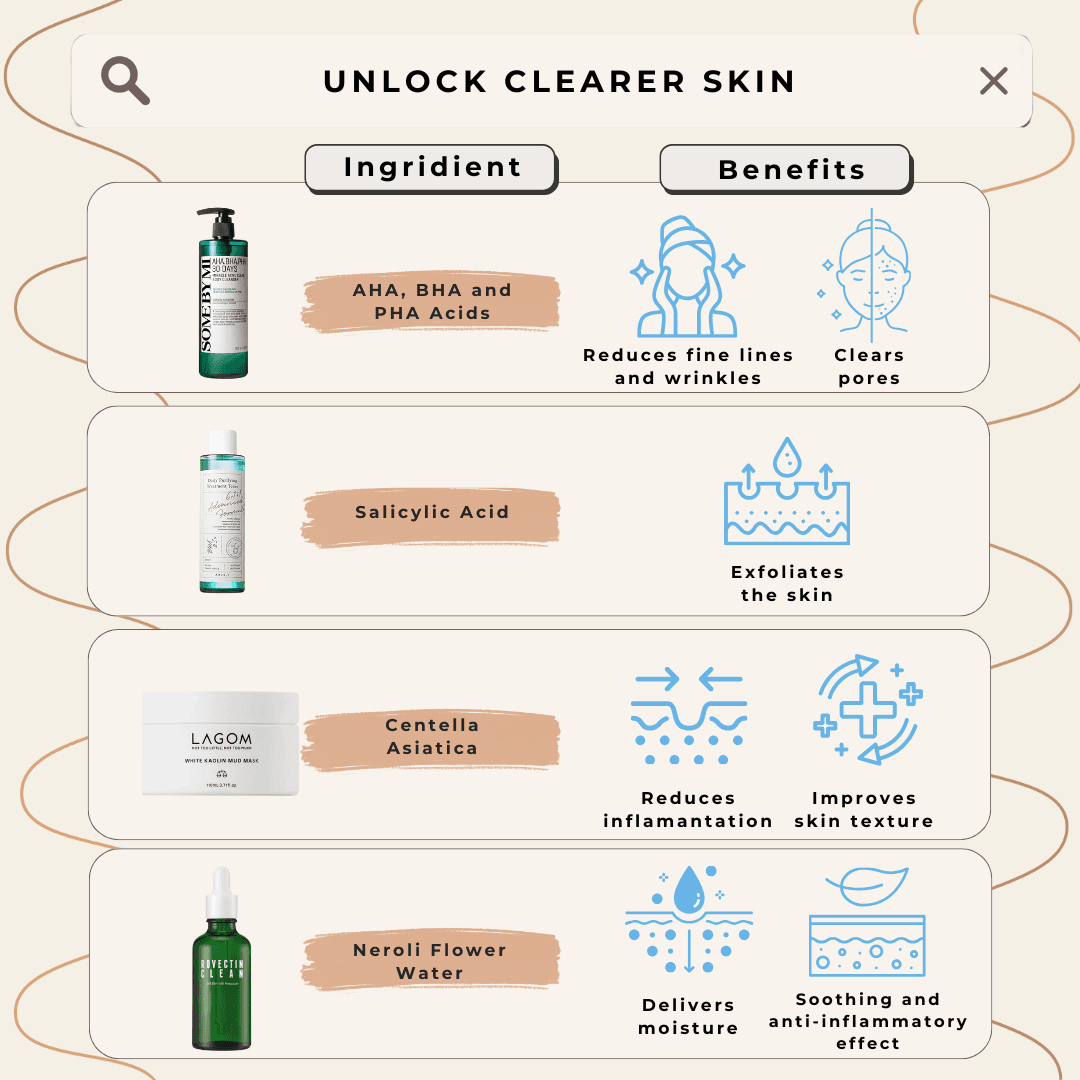
Exfoliation is key to removing dead skin cells and revealing fresh, smoother skin underneath. Look for gentle chemical exfoliants like alpha hydroxy acids (AHAs)such as glycolic acid or lactic acid, which help refine texture without harsh scrubbing.
Beta hydroxy acids (BHAs) like salicylic acid work well if your texture is linked to clogged pores or acne. Avoid rough physical scrubs that can cause microtears or worsen irritation.
Hydrating Agents
Hydration is essential, especially if textured skin feels dry or tight. Ingredients like hyaluronic acidattract moisture and keep your skin plump without feeling heavy or greasy.
Look for ceramides too. They help rebuild your skin’s barrier, locking in moisture and protecting against environmental stress. Have you noticed how your skin reacts to dryness? Adding these can often ease that discomfort.
Soothing Components
Textured skin can be sensitive, so soothing ingredients help calm redness and inflammation. Niacinamideis a powerful option that reduces irritation and supports skin barrier repair.
Other calming ingredients like aloe vera and green tea extract also provide relief and prevent flare-ups. Your skin deserves gentleness, so choose products that comfort as much as they treat.
Daily Skincare Steps
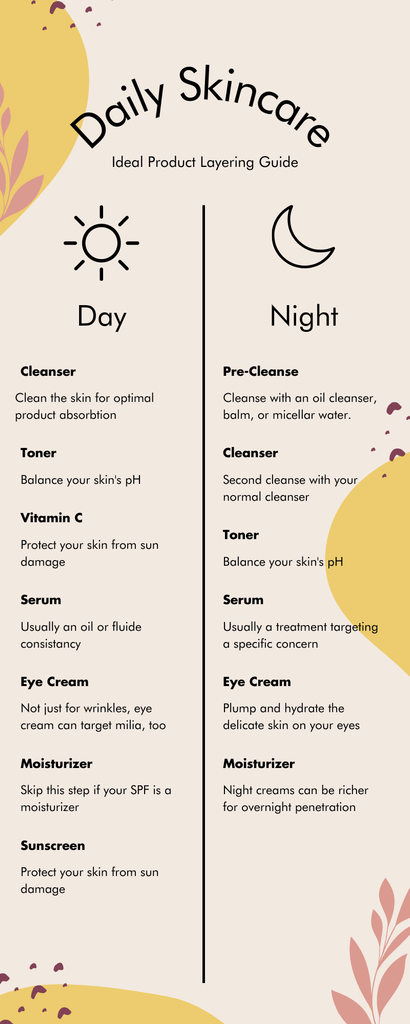
Daily skincare is essential for managing textured skin. It helps smooth the surface and improve skin health. Consistent care reduces roughness and unevenness. Simple steps create a strong foundation for better skin.
Cleansing Techniques
Choose a gentle cleanser with hydrating ingredients. Avoid harsh scrubs that can irritate textured skin. Use lukewarm water to open pores. Cleanse twice a day, morning and night, to remove dirt and oil. Pat skin dry with a soft towel instead of rubbing.
Toning Benefits
Toners balance skin’s pH and tighten pores. Use alcohol-free toners to avoid dryness. Ingredients like witch hazel or rose water soothe the skin. Apply toner with a cotton pad gently over the face. This step refreshes skin and prepares it for moisturizer.
Moisturizing Tips
Pick a lightweight, non-comedogenic moisturizer. It hydrates without clogging pores or causing breakouts. Apply moisturizer while skin is slightly damp to lock in moisture. Focus on areas with more texture for extra care. Regular moisturizing softens skin and reduces rough patches.

Credit: www.youtube.com
Weekly Treatments
Weekly treatments play a crucial role in managing textured skin. They give your skin a deeper level of care that daily routines might miss. Adding targeted treatments once a week helps smooth rough patches and refresh your complexion.
Exfoliation Methods
Exfoliation removes dead skin cells and smooths uneven texture, but it needs to be gentle. Chemical exfoliants like AHAs (glycolic acid) and BHAs (salicylic acid) work well to dissolve buildup without harsh scrubbing.
You might prefer enzyme exfoliants from fruits like papaya or pineapple for a softer touch. Avoid abrasive scrubs that can cause irritation or worsen texture. Think about how your skin reacts after exfoliating and adjust frequency accordingly—sometimes less is more.
Face Masks For Texture
Face masks can deeply nourish and refine textured skin. Clay masks are great if your skin feels clogged or oily, as they pull out impurities and tighten pores.
Hydrating masks with ingredients like hyaluronic acid or aloe vera help balance skin that feels rough but dry. I noticed my skin calmed down and looked smoother after using a calming oatmeal mask once a week. What type of mask does your skin respond to best?
Serum Selection
Serums target specific concerns and can significantly improve skin texture over time. Look for serums containing niacinamide to reduce bumps and improve overall smoothness.
Vitamin C serums brighten dull areas and support collagen production, which helps even out skin surface. If you struggle with redness or irritation, consider a serum with soothing ingredients like centella asiatica. Your serum choice should feel like it’s working with your skin, not against it.
Lifestyle Habits For Healthy Skin
Healthy skin starts with your daily habits beyond just the products you apply. The way you eat, protect yourself from the sun, and manage your sleep and stress all have a direct impact on textured skin. Adjusting these lifestyle habits can help smooth your skin and improve its overall appearance.
Diet And Hydration
Your skin reflects what you put into your body. Eating foods rich in antioxidants, like berries and leafy greens, supports skin repair and reduces inflammation.
Hydration is equally important. Drinking enough water helps maintain your skin’s elasticity and flushes out toxins that can worsen texture.
Have you noticed how your skin feels after a day of heavy, processed foods versus a day of fresh meals? Paying attention to this can guide better choices.
Sun Protection
Sun damage worsens texture by breaking down collagen and causing uneven pigmentation. Using a broad-spectrum sunscreen daily shields your skin from harmful UV rays.
Don’t just stop at sunscreen—wear hats and seek shade during peak sun hours to further protect your skin’s surface.
Think about how sun exposure has affected your skin over the years. Are you taking enough steps to prevent further damage?
Sleep And Stress Management
Quality sleep allows your skin to repair and regenerate. Lack of sleep can make textured skin look dull and inflamed.
Stress triggers hormone fluctuations that increase oil production and clog pores. Finding effective ways to relax—like meditation or light exercise—can calm your skin.
How does your skin respond after a stressful week? Observing this connection can motivate you to prioritize rest and stress relief.
Credit: skinsider.co.uk
Common Mistakes To Avoid
Taking care of textured skin can be tricky, especially when certain habits unknowingly worsen the condition. Avoiding common mistakes can make a huge difference in your skincare results. Let’s look at some pitfalls that might be holding your skin back from feeling smooth and healthy.
Over-exfoliating
Exfoliation is crucial, but too much can damage your skin’s natural barrier. Scrubbing or using strong chemical exfoliants daily may lead to irritation and increased texture. If your skin feels tight or looks red after exfoliating, you’re likely overdoing it.
Try exfoliating only 1-2 times a week and pay attention to how your skin responds. Have you noticed your texture getting worse after frequent scrubs? That’s a clear sign to dial back.
Skipping Moisturizer
Many think textured skin is oily and skip moisturizer altogether, but this is a big mistake. Lack of hydration forces your skin to produce more oil, which can worsen texture and clogged pores. Moisturizers help balance your skin and keep it smooth.
Choose a lightweight, non-comedogenic moisturizer that suits your skin type. Have you tried skipping moisturizer and then noticed your skin feels rougher? That’s your skin begging for hydration.
Ignoring Patch Tests
New products are exciting, but not testing them first can cause breakouts or irritation. Textured skin is often sensitive, and what works for others might not work for you. Patch testing helps prevent adverse reactions before applying products all over.
Apply a small amount on your jawline or wrist and wait 24-48 hours to check for any negative response. Have you ever jumped straight into a new product only to regret it later? A quick patch test saves you that trouble.
When To See A Dermatologist
Knowing when to see a dermatologist is key for managing textured skin. Some skin issues need expert care beyond home treatments. Early professional help can prevent worsening and improve skin health.
Signs Of Severe Texture Issues
- Persistent rough patches that do not improve
- Deep scars or pitted skin
- Redness or inflammation lasting weeks
- Frequent breakouts or cysts under the skin
- Uneven skin tone with noticeable bumps
- Skin changes causing discomfort or pain
Professional Treatment Options
Dermatologists offer treatments not available over the counter. These include:
- Chemical peels to remove dead skin layers
- Microneedling to stimulate collagen production
- Laser therapy for resurfacing and smoothing skin
- Prescription creams to reduce inflammation and texture
- Injectables to improve skin volume and appearance
Customized Skincare Plans
Experts create skincare routines tailored to your skin type. They consider your concerns and goals. Personalized plans improve results and reduce irritation.
Regular follow-ups help track progress and adjust treatments. This approach ensures healthy, smoother skin over time.

Credit: www.colorescience.com
Frequently Asked Questions
What Causes Textured Skin And How To Identify It?
Textured skin is caused by clogged pores, dead skin buildup, and uneven collagen. It feels rough or bumpy to touch. Identifying it involves noticing visible bumps, enlarged pores, and uneven skin tone. Regular exfoliation and hydration help improve its appearance.
How To Build A Skincare Routine For Textured Skin?
Start with gentle cleansing to remove dirt and excess oil. Use exfoliants like AHAs or BHAs twice a week. Apply hydrating serums and moisturizers to smooth texture. Always finish with sunscreen to protect skin from damage and maintain texture improvement.
Which Ingredients Are Best For Textured Skin Care?
Look for ingredients like salicylic acid, glycolic acid, niacinamide, and retinol. These help exfoliate dead skin, unclog pores, and boost collagen. Hydrating ingredients like hyaluronic acid also smooth and plump the skin. Consistent use yields noticeable texture improvement.
Can Textured Skin Improve With Natural Remedies?
Natural remedies like honey, aloe vera, and oatmeal can soothe and mildly exfoliate textured skin. However, they work slower than chemical exfoliants. Combining natural treatments with a proper skincare routine enhances texture over time. Always patch test before trying new remedies.
Conclusion
Achieving smooth skin takes patience and the right routine. Consistency is key. Cleanse gently and exfoliate regularly to remove dead skin. Moisturize daily to keep skin hydrated. Use sunscreen to protect from sun damage. Choose products suitable for your skin type.
Avoid harsh ingredients that might irritate. Consult a dermatologist for personalized advice if needed. With care and attention, you can improve your skin’s texture. Your skin deserves the best care. Treat it with love and kindness. Enjoy the journey to healthier, smoother skin.
Your efforts will pay off.
