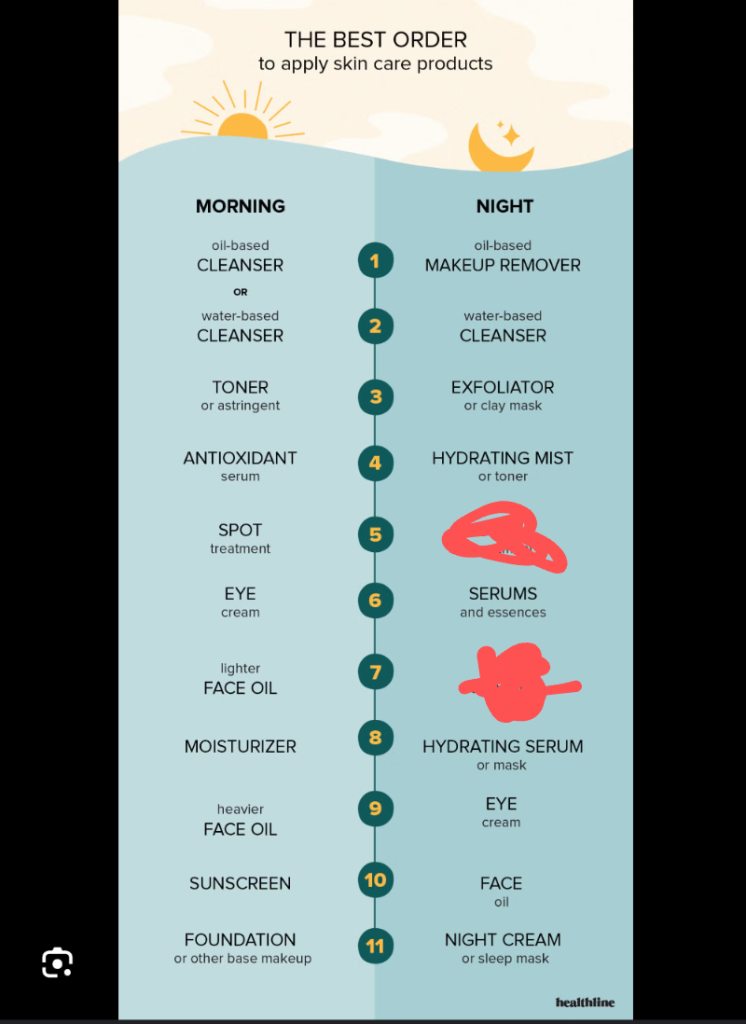
Your skin works hard all day, facing dirt, pollution, and stress. At night, it needs your help to repair and refresh.
A simple, effective skin care night routine can make a huge difference in how your skin looks and feels. Imagine waking up with a glowing, smooth face every morning. This article will show you easy steps to create a night routine that fits your lifestyle and boosts your skin’s health.
Ready to transform your skin while you sleep? Let’s dive in.
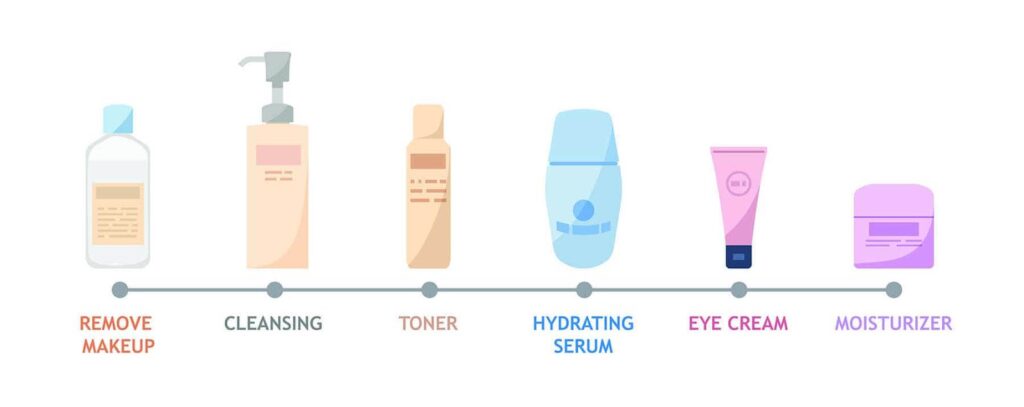
Credit: colairbeautylounge.com
Benefits Of A Night Routine
Having a consistent night skincare routine offers more than just a moment of self-care. It actively supports your skin’s health and appearance while you rest. Imagine waking up to skin that feels refreshed, hydrated, and ready to face the day.
Why Nighttime Matters
Nighttime is when your skin becomes more receptive to treatments. Unlike daytime, your skin isn’t exposed to sunlight, pollution, or makeup, allowing products to work more effectively.
During the night, your skin’s natural barrier is less stressed, so ingredients like retinol or peptides can penetrate deeper without interference. Have you noticed how some products feel stronger or irritating during the day? Using them at night can minimize that discomfort.
Skin Repair During Sleep
Sleep is the prime time for your skin to repair itself. Cells regenerate up to 10 times faster at night than during the day.
This rapid repair helps fix damage from UV rays, pollution, and everyday stress. Your skin also boosts collagen production, which improves elasticity and reduces fine lines.
Think about the last time you skipped your night routine—did your skin feel dull or dry the next morning? That’s because you missed out on this crucial repair phase. Prioritizing your night routine can make a visible difference in your skin’s texture and tone over time.
Cleansing Techniques
Cleansing is the first and most important step in any night skin care routine. It removes dirt, oil, and makeup from the skin. Proper cleansing prepares your face to absorb other products better. Using the right techniques makes a big difference in skin health and glow. Gentle but thorough cleansing helps keep pores clear and skin fresh.
Choosing The Right Cleanser
Select a cleanser based on your skin type. For dry skin, use creamy or hydrating cleansers. Oily skin benefits from foaming or gel cleansers that remove excess oil. Sensitive skin needs mild, fragrance-free formulas. Avoid harsh ingredients that can irritate or dry out your skin. Check the label for gentle and nourishing components. Always test a new cleanser on a small skin area first.
Double Cleansing Method
Double cleansing involves two steps to deeply clean the skin. First, use an oil-based cleanser. It dissolves makeup, sunscreen, and excess oil. Then, use a water-based cleanser to remove sweat and dirt. This method cleans pores better than a single cleanse. It keeps skin fresh and reduces breakouts. Use gentle circular motions while cleansing. Rinse with lukewarm water and pat dry with a soft towel.
Exfoliation Tips
Exfoliation is a key step in any night skin care routine. It removes dead skin cells and clears pores. This helps your skin look brighter and feel smoother. Knowing the right exfoliation methods protects your skin from damage and dryness.
Types Of Exfoliants
Exfoliants come in two main types: physical and chemical. Physical exfoliants use small particles or tools to scrub the skin. Chemical exfoliants use acids or enzymes to dissolve dead skin cells.
- Physical exfoliants:scrubs, brushes, or exfoliating gloves. Best for rough skin but can be harsh.
- Chemical exfoliants:AHAs like glycolic acid, BHAs like salicylic acid, and enzymes from fruits. Gentle and effective for all skin types.
How Often To Exfoliate
Exfoliating too often can irritate the skin. The right frequency depends on your skin type and the exfoliant used.
- Oily or acne-prone skin: 2-3 times a week.
- Normal or combination skin: 1-2 times a week.
- Dry or sensitive skin: Once a week or less.
Observe how your skin reacts and adjust the frequency. Stop exfoliating if you notice redness or dryness.
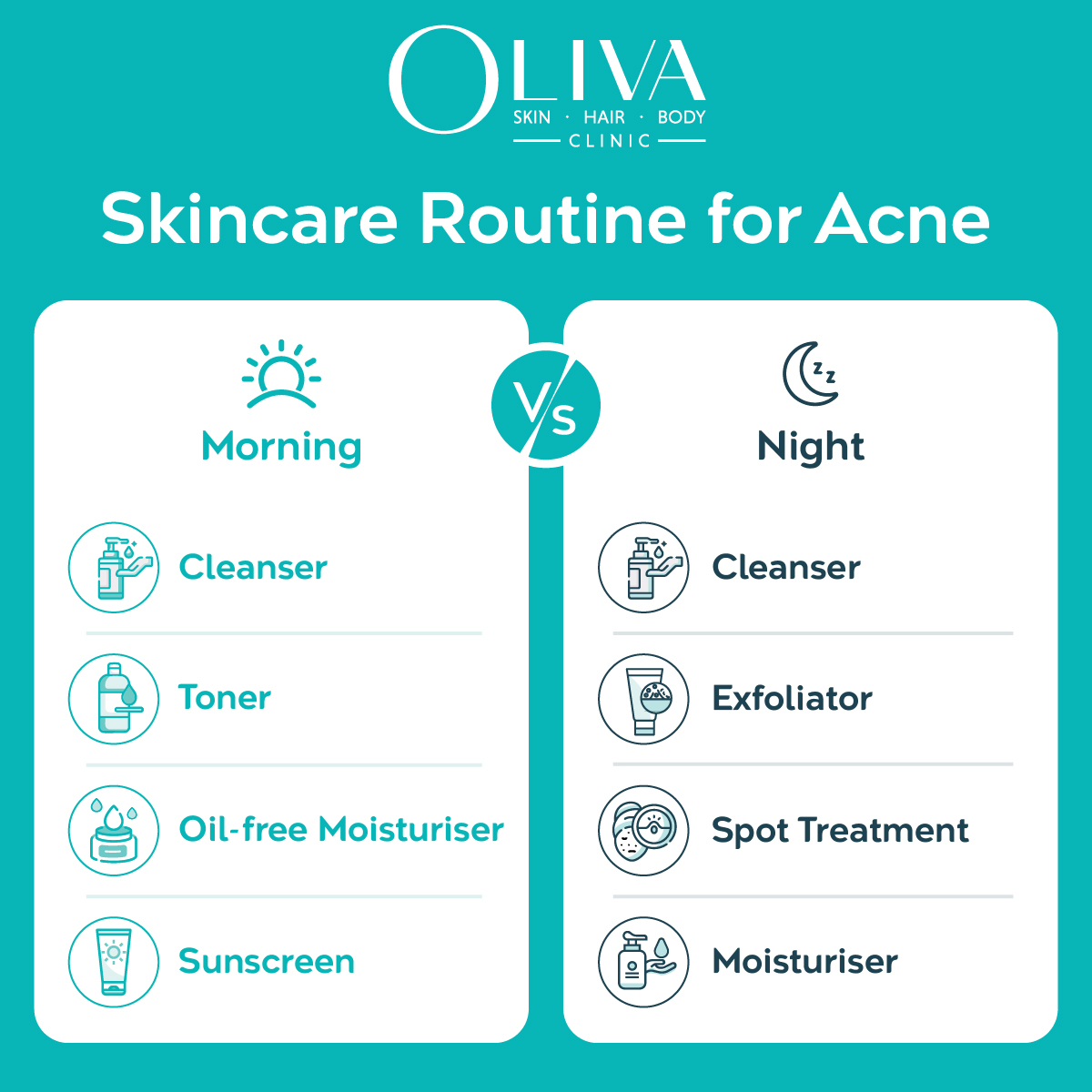
Credit: www.olivaclinic.com
Serums And Treatments
Serums and treatments are important parts of a night skin care routine. They deliver powerful ingredients deep into the skin. These products work on specific skin problems. Using them at night helps the skin repair and renew.
Serums are light and absorb quickly. Treatments may include masks, spot treatments, or specialized formulas. Both boost your skin’s health while you sleep.
Key Ingredients To Look For
- Hyaluronic Acid:Hydrates and plumps the skin.
- Vitamin C:Brightens skin and fights free radicals.
- Retinol:Reduces wrinkles and smooths texture.
- Niacinamide:Calms redness and evens skin tone.
- Peptides:Support collagen and firm skin.
- Salicylic Acid:Clears pores and reduces acne.
Targeting Specific Skin Concerns
Choose serums and treatments based on your skin needs. For dry skin, pick hydrating serums with hyaluronic acid. For dull skin, vitamin C serums add glow and brightness. For aging skin, retinol helps smooth fine lines and wrinkles.
Acne-prone skin benefits from salicylic acid and niacinamide. Sensitive skin needs gentle formulas with calming ingredients. Use spot treatments on pimples or problem areas only. Tailoring products ensures better results and healthier skin.
Moisturizing Essentials
Moisturizing is a vital part of your night skincare routine. It helps repair your skin after a long day and prepares it for the next. Without the right moisturizing essentials, your skin can feel dry, tight, or even irritated by morning.
Selecting The Best Night Cream
Choosing the right night cream depends on your skin type and concerns. If you have dry skin, look for creams with ingredients like hyaluronic acid or glycerin to add extra moisture.
Oily skin benefits from lightweight, non-comedogenic creams that won’t clog pores. Sensitive skin needs soothing ingredients like aloe vera or chamomile.
Have you ever picked a night cream that made your skin feel heavy or greasy? This usually means it’s not the right match for your skin type.
Locking In Hydration
To keep your skin hydrated all night, layer your products correctly. Apply your serum first, then seal in moisture with your night cream.
Consider using a facial oil on top if your skin feels extra dry. Oils help lock in all the hydration from your creams and serums.
Do you notice your skin feels dry by morning even after moisturizing? This might mean you need a better sealing step to trap moisture effectively.
Eye Care Routine
Your eyes reveal a lot about your overall skin health, making an eye care routine essential in your night skincare regimen. The skin around your eyes is thinner and more sensitive, so it needs special attention to stay refreshed and youthful. Simple steps taken consistently can make a huge difference in how your eyes look and feel each morning.
Reducing Puffiness And Dark Circles
Puffiness and dark circles often result from poor sleep, stress, or dehydration. To tackle puffiness, try gently massaging the eye area with your ring finger to boost circulation before applying any product. Cooling eye masks or chilled cucumber slices can also soothe swelling effectively.
Dark circles may not disappear overnight, but products with ingredients like vitamin C, caffeine, or hyaluronic acid can brighten and hydrate the under-eye area. Have you noticed how drinking more water and improving your sleep schedule alone can reduce those stubborn dark circles? Sometimes, small lifestyle changes complement your skincare routine perfectly.
Protecting Delicate Skin
The skin around your eyes is delicate and prone to damage from harsh rubbing or strong products. Always use a gentle, fragrance-free eye cream designed specifically for this sensitive area. Apply your cream with a light tapping motion instead of rubbing to avoid stretching the skin.
Choosing eye products with antioxidants helps protect against environmental damage and premature aging. Don’t skip this step just because it seems small—it’s key to maintaining your skin’s elasticity and smoothness. What if this simple extra care could prevent fine lines before they start?
Additional Nighttime Tips
Adding a few extra tips to your nighttime skin care routine can make a big difference. Small changes help your skin repair and glow while you sleep. Let’s look at some common mistakes to avoid and lifestyle habits that support better skin health.
Avoiding Common Mistakes
Are you sure you’re not making these skin care blunders at night? Skipping cleansing can leave dirt and makeup trapped, leading to clogged pores and breakouts. Always wash your face gently, but thoroughly, before bed.
Using too many products might seem like you’re doing more good, but it can irritate your skin. Stick to a simple routine with a cleanser, moisturizer, and targeted treatment if needed. Overloading your skin can cause redness and dryness.
Don’t forget to change your pillowcase regularly. It collects oils, bacteria, and dead skin cells that transfer back to your face overnight. This simple habit can reduce acne and irritation significantly.
Lifestyle Habits For Better Skin
Good skin care isn’t only about what you put on your face. What you do during the day affects your skin’s night-time recovery too. Are you drinking enough water? Hydration helps your skin stay plump and healthy.
Sleep quality plays a huge role. Aim for consistent hours of rest and create a calming bedtime environment. Your skin does most of its repairing while you sleep deeply.
Stress can show up on your skin as redness or breakouts. Try relaxing activities before bed like reading or gentle stretching. These can help lower stress hormones that affect your skin.
- Limit alcohol and caffeine in the evening to improve sleep and skin hydration.
- Eat foods rich in antioxidants, like berries and nuts, to support skin repair.
- Consider using a humidifier in dry months to keep skin from drying out overnight.
What small lifestyle change could you make tonight that your skin will thank you for tomorrow?

Credit: www.bellinispdx.com
Frequently Asked Questions
What Are The Essential Steps In A Night Skin Care Routine?
A night skin care routine includes cleansing, toning, applying serum, moisturizing, and eye cream. These steps remove impurities and nourish skin overnight. Consistency improves skin texture and hydration.
How Often Should I Exfoliate In My Night Routine?
Exfoliate 2-3 times a week at night to remove dead skin cells. Over-exfoliating can cause irritation. Choose a gentle exfoliant suitable for your skin type.
Can I Use Retinol Every Night In My Routine?
Start using retinol 2-3 times a week at night. Gradually increase frequency to avoid irritation. Always apply moisturizer and sunscreen during the day.
Is It Necessary To Apply Moisturizer Before Bed?
Yes, moisturizing at night locks in hydration and repairs your skin. It helps prevent dryness and keeps skin soft. Choose a moisturizer suitable for your skin type.
Conclusion
A good night routine helps your skin stay healthy and glowing. Cleanse your face gently to remove dirt and makeup. Moisturize to keep your skin hydrated overnight. Use a serum to target specific skin concerns. Don’t forget eye cream to reduce puffiness and dark circles.
Consistency is key for visible results. Your skin will thank you. Sleep well knowing you’ve cared for your skin. Remember, healthy skin boosts confidence. Enjoy your refreshed morning look.