
Are you looking for a simple way to refresh your skin and reveal a brighter, smoother face? A skincare routine with glycolic acid might be exactly what you need.
Glycolic acid is a powerful ingredient that gently exfoliates dead skin cells, helping to clear up dullness, fine lines, and uneven texture. If you want to know how to use it safely and effectively, keep reading. By the end of this article, you’ll have a clear plan to transform your skin and boost your confidence every day.
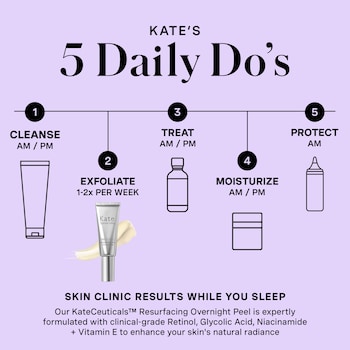
Credit: www.sephora.com
Benefits Of Glycolic Acid
Glycolic acid is a powerful ingredient that can transform your skincare routine. Its benefits go beyond just clearing up skin; it actively enhances the texture, tone, and overall health of your skin. Understanding these benefits helps you use glycolic acid more effectively and safely.
Exfoliation And Skin Renewal
Glycolic acid gently removes dead skin cells from the surface, revealing fresher skin underneath. This exfoliation helps prevent clogged pores and promotes faster cell turnover. Have you noticed how your skin feels smoother after using products with glycolic acid?
Brightening Dull Complexion
If your skin looks tired or uneven, glycolic acid can help brighten it. It fades dark spots and reduces discoloration by encouraging the shedding of pigmented cells. Imagine waking up to a more radiant complexion without heavy makeup.
Reducing Fine Lines And Wrinkles
Regular use of glycolic acid stimulates collagen production, which keeps skin firm and youthful. It softens the appearance of fine lines and wrinkles by improving skin elasticity. Could this be the step your anti-aging routine has been missing?
Controlling Acne And Breakouts
Glycolic acid unclogs pores and reduces excess oil, making it effective against acne. It also helps fade acne scars and prevents new breakouts by maintaining clear skin. Are you ready to see fewer pimples and smoother skin texture?
Choosing The Right Glycolic Acid Product
Choosing the right glycolic acid product can make a big difference in how your skin reacts and improves. With so many options available, it’s easy to feel overwhelmed. Focusing on the product type, concentration, your skin type, and safety measures will help you pick the best fit for your skincare routine.
Different Forms: Toners, Serums, And Peels
Glycolic acid comes in several forms, each offering unique benefits. Toners are gentle and great for daily use, helping to lightly exfoliate and refresh your skin after cleansing.
Serums usually contain higher concentrations and are designed to penetrate deeper, making them ideal if you want more visible results like improved texture and brightness.
Peels are the most intense option, often used weekly or less frequently. They deliver a strong dose of glycolic acid to remove dead skin layers but require careful use to avoid irritation.
Concentration Levels To Consider
Concentration plays a huge role in how your skin responds. Products with 5-10% glycolic acid are good for beginners or sensitive skin, offering mild exfoliation without much risk.
Higher concentrations, like 15-20%, can provide faster and more noticeable results but can also increase the chance of redness or peeling.
Ask yourself: Are you looking for a gentle daily glow or a powerful treatment for stubborn skin concerns? Your answer will guide your choice.
Skin Types And Sensitivity
Your skin type determines how well you tolerate glycolic acid. If you have dry or sensitive skin, start with low concentrations and use products designed for delicate skin.
Oily or acne-prone skin might benefit from stronger formulas that help unclog pores and reduce breakouts.
Remember, even if your skin feels tough, overuse or harsh products can cause damage. Listen to your skin’s signals and adjust accordingly.
Patch Testing For Safety
Always perform a patch test before applying a new glycolic acid product all over your face. Apply a small amount on your wrist or behind your ear and wait 24-48 hours to check for any reaction.
This simple step can save you from unnecessary irritation or allergic reactions. Have you ever skipped a patch test and regretted it later?
Don’t rush—taking time to test helps ensure your skincare routine stays safe and effective.
Step-by-step Glycolic Acid Routine
Getting the best results from glycolic acid means following a clear, gentle routine. This acid can transform your skin, but only if you treat it with care. Let’s walk through the essential steps that make a glycolic acid routine effective and safe for your skin.
Cleansing For A Fresh Canvas
Start with a mild cleanser to remove dirt and oil without stripping your skin’s natural moisture. Avoid harsh scrubs or exfoliants before applying glycolic acid, as your skin needs to be calm and clean.
Rinse with lukewarm water, not hot, to keep your skin barrier intact. A clean face lets glycolic acid work directly on your skin, increasing its effectiveness.
Applying Glycolic Acid Products
Choose a glycolic acid product that suits your skin type—whether it’s a toner, serum, or cream. Apply a small amount evenly over your face, avoiding the delicate eye area to prevent irritation.
Start slow: use glycolic acid once or twice a week if you’re new to it, then increase frequency as your skin builds tolerance. Listen to your skin—any redness or burning means you may need to reduce use or try a lower concentration.
Moisturizing And Hydration Tips
Hydration is key after glycolic acid application. Use a gentle, hydrating moisturizer to soothe your skin and restore its barrier.
Look for ingredients like hyaluronic acid or ceramides to lock in moisture without clogging pores. This helps prevent dryness and peeling, common side effects when starting glycolic acid.
Sun Protection Essentials
Glycolic acid makes your skin more sensitive to the sun, increasing the risk of damage. Always apply a broad-spectrum sunscreen with SPF 30 or higher after your morning routine.
Consider physical blockers like zinc oxide or titanium dioxide for extra protection. Reapply sunscreen every two hours if you’re outdoors—your skin’s safety depends on it.

Credit: qrxlabs.com
Common Mistakes To Avoid
Using glycolic acid in your skincare routine can be very effective. Still, some common mistakes can cause problems. Avoid these to keep your skin healthy and glowing.
Overuse And Irritation Risks
Applying glycolic acid too often can harm your skin. It may cause redness, dryness, and peeling. Start slow. Use it once or twice a week. Watch how your skin feels. Stop using it if irritation appears.
Mixing With Incompatible Ingredients
Some skincare ingredients do not mix well with glycolic acid. Avoid using it with retinol, vitamin C, or other acids. Combining these can irritate your skin. Use glycolic acid at a different time than these products.
Skipping Sunscreen
Glycolic acid makes your skin more sensitive to the sun. Not using sunscreen can lead to sunburn and damage. Always apply broad-spectrum sunscreen daily. Reapply often, especially if you stay outdoors.
Ignoring Skin’s Reaction
Listen to your skin. If it becomes too dry or irritated, change your routine. Don’t ignore signs of discomfort. Adjust usage or stop temporarily. Healthy skin needs care and attention.
Boosting Results With Complementary Ingredients
Adding glycolic acid to your skincare routine is a powerful step, but pairing it with the right ingredients can take your results even further. Complementary ingredients not only enhance the benefits but also balance and soothe your skin during exfoliation. Let’s look at how some key players work hand-in-hand with glycolic acid to boost your glow and maintain skin health.
Vitamin C For Enhanced Brightness
Vitamin C and glycolic acid are a dynamic duo for brightening your skin. While glycolic acid gently exfoliates dead skin cells, Vitamin C works underneath to even out your skin tone and protect against environmental damage. Adding a Vitamin C serum in the morning can amplify your glow and keep dullness at bay.
Think about your skin like a canvas. Glycolic acid smooths the surface, and Vitamin C adds the vibrant color. Have you tried layering these two? You might notice a fresher, more radiant complexion faster than expected.
Hyaluronic Acid For Hydration
Glycolic acid can sometimes leave your skin feeling dry or tight. This is where hyaluronic acid steps in as a hydration hero. It attracts moisture to your skin and helps lock it in, making your skin feel plump and comfortable.
Using a hyaluronic acid serum right after glycolic acid can reduce any dryness or irritation. Do you notice your skin feels parched after exfoliating? Adding hyaluronic acid could be the hydration boost you need.
Niacinamide For Soothing
Niacinamide is a calming ingredient that helps reduce redness and strengthens your skin’s barrier. After using glycolic acid, your skin might be more sensitive, and niacinamide can soothe that irritation effectively.
It also helps regulate oil production and improves texture, which makes it a great companion for glycolic acid. If your skin feels inflamed or uneven, niacinamide might be the gentle support your routine is missing.
Retinol And Glycolic Acid: What To Know
Both retinol and glycolic acid are powerful exfoliants, but using them together requires caution. Overlapping these can cause irritation, redness, or peeling if your skin isn’t ready for the intensity.
Consider alternating nights or using lower concentrations to avoid overwhelming your skin. Have you experienced dryness or sensitivity when combining actives? Adjusting the timing could help you enjoy the benefits without discomfort.
Adjusting Routine For Different Skin Types
Glycolic acid can be a powerful addition to your skincare routine, but how you use it should depend on your skin type. Your skin’s unique needs affect how often you should apply glycolic acid and what products you pair it with. Adjusting your routine carefully helps avoid irritation and maximizes benefits like smoother texture and brighter complexion.
Oily And Acne-prone Skin Tips
If your skin tends to get oily or break out, glycolic acid can help clear clogged pores and reduce excess oil. Start by using a lower concentration, around 5%, and apply it every other day. Pair it with a lightweight, non-comedogenic moisturizer to prevent dryness without clogging pores.
Have you noticed more breakouts when using stronger acids too often? Cutting back application frequency can reduce irritation and improve your results.
Dry And Sensitive Skin Care
Dry or sensitive skin needs extra care when adding glycolic acid to your routine. Use a mild formula, preferably under 5%, and apply it once or twice a week at first. Always follow with a rich, hydrating moisturizer to lock in moisture and soothe your skin.
Listening to your skin is key—if you feel burning or excessive redness, pause the acid and focus on repairing your skin barrier.
Combination Skin Strategies
Combination skin requires a balanced approach because some areas may be oily while others are dry. You might use glycolic acid more frequently on oily zones like the T-zone, and less often on dry cheeks. Spot treating or alternating days can help maintain balance without over-drying.
Have you tried layering your products differently on various parts of your face? This can make a big difference in how your skin responds.
Mature Skin Focus
Mature skin benefits from glycolic acid’s ability to boost cell turnover and reduce fine lines. Use a formula with 5-10% concentration and apply it 2-3 times a week. Combine it with antioxidants and hydrating serums to enhance firmness and glow.
Remember, gentle application is more effective than frequent use. How does your skin react to acids as it ages?
Credit: www.lemon8-app.com
Frequently Asked Questions
What Is Glycolic Acid In Skincare?
Glycolic acid is an alpha hydroxy acid (AHA) derived from sugar cane. It exfoliates dead skin cells, revealing smoother, brighter skin. It also helps reduce fine lines, acne, and uneven texture by promoting cell turnover.
How Often Should I Use Glycolic Acid?
Start with 1-2 times per week to avoid irritation. Gradually increase frequency as your skin builds tolerance. Most people can safely use glycolic acid 3-4 times weekly for optimal results.
Can Glycolic Acid Cause Skin Irritation?
Yes, glycolic acid may cause redness or dryness initially. Always patch test before use. Use moisturizer and sunscreen to protect your skin and minimize irritation.
When Is The Best Time To Apply Glycolic Acid?
Apply glycolic acid in your nighttime skincare routine. It helps your skin renew while you sleep. Avoid daytime use unless your product has SPF protection.
Conclusion
Glycolic acid enhances your skincare routine effectively. It exfoliates and renews skin cells. Your skin feels smoother and looks brighter. Consistent use can reduce fine lines and acne scars. Always start with a patch test. Too much can irritate sensitive skin.
Gradually increase usage as your skin adapts. Remember to apply sunscreen daily. It protects your skin from sun damage. Hydrate your skin well after using glycolic acid. Balance is key in any skincare routine. Enjoy healthier, glowing skin with proper care.
