
Do you struggle to find the perfect skincare routine because your skin feels oily in some areas and dry in others? If so, you’re not alone.
Combination skin can be tricky to manage, but with the right steps, you can achieve a balanced, glowing complexion. This guide will help you understand exactly what your skin needs and how to care for it every day. Keep reading to discover simple, effective tips that will transform your skincare game and leave you feeling confident in your skin.
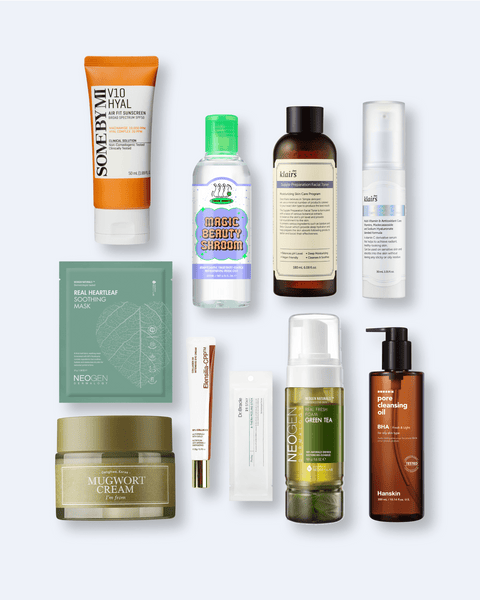
Credit: sokoglam.com
Identifying Combination Skin
Identifying combination skin can be tricky because it shares features with both oily and dry skin types. Understanding your skin’s unique behavior is key to creating an effective skincare routine. Are you noticing different areas of your face reacting differently to the same product?
Common Traits
Combination skin typically shows oiliness around the T-zone—forehead, nose, and chin—while the cheeks remain dry or normal. You might experience shiny skin in some spots and flakiness or tightness in others.
Sometimes, your skin may feel oily mid-afternoon but tight right after washing. You may also notice that certain products leave your cheeks feeling dry but make your forehead greasy.
- Oily T-zone with visible pores
- Dry or flaky patches on cheeks
- Occasional sensitivity in drier areas
- Makeup wearing unevenly due to varied skin texture
Skin Type Tests
Simple tests can help you confirm if your skin is combination. One practical approach is the “bare-faced” test. Wash your face, avoid applying any products, and observe your skin after an hour.
Check if the forehead, nose, and chin start to look shiny while the cheeks feel tight or dry. Another test involves blotting your face with a tissue; oily areas will leave translucent marks, whereas dry areas won’t.
| Test | What to Look For |
|---|---|
| Bare-faced Observation | Shiny T-zone, dry cheeks |
| Tissue Blotting | Oil marks on forehead, nose, chin; no marks on cheeks |
| Touch Test | Oily feel on T-zone, tight or rough texture on cheeks |
Have you ever noticed your skin needing different care in separate areas? Paying attention to these details will guide you in choosing the right products and avoiding over-treating any part of your face.
Key Challenges With Combination Skin
Managing combination skin can feel like handling two different skin types at once. You might notice your skin acting oily in some places and dry in others, which makes choosing the right products tricky. Let’s break down the key challenges you face with combination skin and how they impact your daily routine.
Oily T-zone
Your forehead, nose, and chin—the T-zone—often produce extra oil, leading to shine and clogged pores. This can cause frequent breakouts or blackheads if not controlled properly. Have you noticed how some products that mattify the T-zone leave other areas feeling tight or irritated?
To manage this, you need lightweight, oil-free formulas that absorb excess oil without stripping your skin. Using blotting papers during the day can also help control shine without over-washing. What’s your go-to product for keeping the T-zone fresh throughout the day?
Dry Cheeks
The cheeks on combination skin usually feel dry or flaky, especially in colder months. They crave hydration and gentle care, but using heavy creams can make your T-zone oilier. Finding the right balance is tough, but focusing on moisturizing with non-comedogenic products can soothe dryness without clogging pores.
Try applying a richer moisturizer just on your cheeks and a lighter one on your T-zone. Do you pay attention to different areas of your face when moisturizing, or do you apply products uniformly?
Balancing Act
Balancing oily and dry areas means your skincare routine can’t be one-size-fits-all. You need to pick products that address both without causing irritation or imbalance. This often means layering or mixing products carefully to keep your skin comfortable and healthy.
Have you experimented with layering serums or spot-treating certain areas? What worked and what didn’t? The key is to listen to your skin daily and adjust accordingly, rather than sticking rigidly to a routine that doesn’t suit your skin’s changing needs.
Daily Skincare Routine Steps
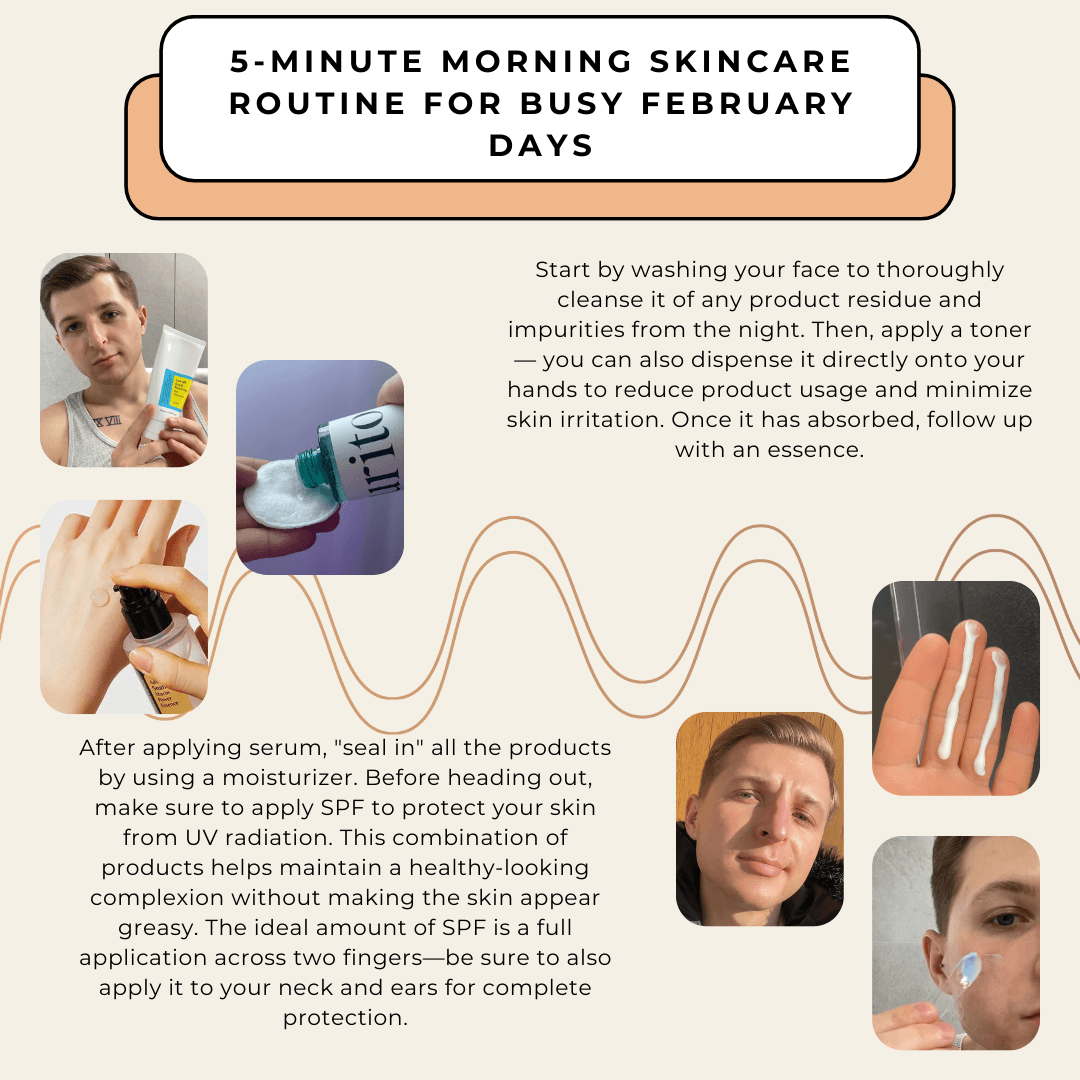
Building a daily skincare routine for combination skin means balancing different needs without overwhelming your skin. Each step should help maintain moisture in dry areas while controlling oiliness where your skin tends to shine. Let’s break down the essentials that keep your skin healthy and comfortable every day.
Gentle Cleansing
Start with a cleanser that removes dirt and excess oil without stripping your skin’s natural moisture. Look for products labeled “gentle” or “hydrating” to avoid irritation. I once switched to a mild gel cleanser and noticed my T-zone stayed fresh without my cheeks feeling dry or tight.
Use lukewarm water and avoid harsh scrubbing. This keeps your skin calm and ready for the next steps.
Targeted Toning
Toners can balance your skin’s pH and refine pores, but not all toners suit combination skin. Choose alcohol-free formulas that soothe oily and dry patches alike. A toner with ingredients like witch hazel or rose water can clarify your skin without causing dryness.
Ask yourself: does your toner refresh without causing tightness? If not, it’s time to try a different one.
Moisturizing Wisely
Moisturizer is key, but applying the same amount everywhere may not work for combination skin. Use a lightweight, oil-free moisturizer on your T-zone to prevent shine. For drier areas like cheeks, you can add a richer cream or use a hydrating serum before moisturizing.
Think about how your skin feels a few hours after moisturizing—too greasy or still dry? Adjust your routine accordingly.
Sun Protection
Never skip sunscreen, even if your skin feels oily. Choose a broad-spectrum, non-comedogenic sunscreen that won’t clog pores or cause breakouts. I found a mineral-based sunscreen that gave me protection without the greasy finish, making it easy to reapply during the day.
Protecting your skin daily prevents damage and keeps your routine effective over time.

Credit: andalou.com
Choosing Products For Combination Skin
Choosing the right products for combination skin needs careful thought. This skin type has oily and dry areas that require different care. Products must balance oil without drying the skin. Select items that hydrate dry spots and control shine.
Using the wrong products can cause breakouts or dryness. The goal is to keep skin smooth and fresh all day. Focus on ingredients and formulas that work well together. Avoid harsh chemicals that irritate sensitive zones.
Ingredients To Look For
- Hyaluronic acid for deep hydration without heaviness
- Salicylic acid to gently clear pores and reduce oil
- Niacinamide to calm redness and balance skin tone
- Glycerin to lock moisture in dry areas
- Aloe vera for soothing and reducing inflammation
Avoiding Harsh Chemicals
- Steer clear of alcohol-based products that dry skin
- Skip fragrances that may cause irritation or allergies
- Limit use of strong sulfates that strip natural oils
- Avoid heavy oils that clog pores and cause breakouts
- Watch out for parabens and synthetic dyes
Best Product Types
- Gel-based cleansers that clean without over-drying
- Lightweight moisturizers that absorb quickly
- Oil-free sunscreens for daily protection
- Balancing toners to refresh and tighten pores
- Exfoliants with gentle acids for smooth skin
Weekly Treatments And Masks
Weekly treatments and masks are essential for combination skin care. They help balance oily and dry areas effectively. These treatments improve skin texture and boost overall health. Including them in your routine refreshes and revitalizes your skin.
Exfoliation Tips
Exfoliate your skin once or twice a week. Use gentle scrubs or chemical exfoliants like AHAs or BHAs. Avoid harsh scrubbing to prevent irritation. Focus on oily areas but be gentle on dry patches. Exfoliation removes dead skin cells and unclogs pores.
Hydrating Masks
Apply hydrating masks to dry or sensitive areas. Look for ingredients like hyaluronic acid, aloe vera, and glycerin. These masks add moisture and soothe the skin. Use them once a week to keep dry spots soft and smooth. Avoid heavy creams that may clog pores.
Oil-absorbing Masks
Use oil-absorbing masks on oily zones like the T-zone. Clay or charcoal masks work well to reduce shine. They draw out excess oil and impurities. Limit use to once a week to prevent dryness. Follow with a light moisturizer to maintain balance.
Lifestyle Habits For Balanced Skin
Balancing combination skin is not only about what you put on your face but also about how you treat your body and mind daily. Lifestyle habits play a crucial role in maintaining that delicate harmony between oily and dry areas. Small changes in diet, sleep, and activity can make a big difference in how your skin looks and feels.
Diet And Hydration
Your skin reflects what you eat and drink. Foods rich in antioxidants like berries, nuts, and leafy greens help fight inflammation and reduce breakouts. Avoid excessive sugar and greasy foods that can trigger oiliness and clogged pores.
Drinking enough water is essential. Aim for at least 8 glasses daily to keep your skin hydrated from the inside out. I noticed my T-zone calmed down significantly when I started carrying a water bottle everywhere.
Sleep And Stress Management
Quality sleep gives your skin time to repair and regenerate. Try to get 7-9 hours each night to see a real improvement in your skin’s texture and glow. I used to underestimate this until I saw how tired, stressed skin worsened my uneven tone.
Managing stress is just as important. Stress hormones can increase oil production and cause flare-ups. Practice simple relaxation techniques like deep breathing or short walks to keep your skin calm and balanced.
Exercise Benefits
Regular exercise boosts circulation, helping deliver oxygen and nutrients to your skin cells. Sweating also helps clear out pores, reducing the chance of breakouts in oily areas. I found that a quick daily workout helped control my combination skin better than many products.
Remember to cleanse your face after exercising to remove sweat and impurities. This routine keeps your skin fresh and prevents clogged pores, especially in oily zones.
Seasonal Skincare Adjustments
Seasonal changes affect combination skin in many ways. Adjusting your skincare routine with the seasons helps maintain balanced, healthy skin all year. Different weather conditions bring different challenges. Dry cold air can strip moisture, while hot humid days increase oiliness. Tailoring your products and habits keeps skin comfortable and clear.
Winter Care
Winter air is dry and cold. This can dry out the skin’s dry areas and irritate sensitive spots.
- Use a gentle, hydrating cleanser to avoid stripping natural oils.
- Switch to a richer moisturizer to lock in moisture.
- Apply sunscreen daily; UV rays still affect skin in winter.
- Use a humidifier indoors to add moisture to dry air.
- Avoid hot showers; they can worsen dryness.
Summer Modifications
Summer heat increases oil production and sweat, which can clog pores.
- Use a lightweight, oil-free moisturizer to hydrate without heaviness.
- Cleanse twice daily to remove sweat and excess oil.
- Apply broad-spectrum sunscreen with a mattifying finish.
- Consider blotting papers to control shine during the day.
- Incorporate exfoliation to prevent clogged pores but avoid overdoing it.
Common Mistakes To Avoid
Maintaining a skincare routine for combination skin needs care and attention. Avoiding common mistakes helps keep your skin balanced and healthy. These errors often cause dryness, oiliness, or breakouts. Learning what to avoid can save your skin from damage.
Over-cleansing
Cleaning your face too often strips natural oils. This causes dryness in some areas and more oil in others. Over-cleansing can irritate your skin and worsen imbalance. Stick to cleansing twice a day with a gentle cleanser.
Skipping Moisturizer
Many think oily areas don’t need moisture. Skipping moisturizer leads to dry patches and excess oil production. Use a light, non-comedogenic moisturizer to hydrate all skin zones. Moisturizing balances your skin and prevents problems.
Using Wrong Products
Products made for only oily or dry skin can harm combination skin. Harsh ingredients may irritate dry parts and increase oiliness. Choose products labeled for combination or sensitive skin. Always patch test new products before full use.
Credit: skinsider.co.uk
Frequently Asked Questions
What Is The Best Skincare Routine For Combination Skin?
The best skincare routine for combination skin balances oil and dryness. Use gentle cleansers, lightweight moisturizers, and targeted treatments. Focus on hydrating dry areas and controlling oil in the T-zone. Consistent care helps maintain healthy, glowing skin without irritation.
How Often Should I Exfoliate Combination Skin?
Exfoliate combination skin 1-2 times per week. Over-exfoliating can cause dryness or excess oil production. Use gentle exfoliants like chemical acids or mild scrubs. This removes dead skin cells and unclogs pores, promoting a smooth, balanced complexion.
Which Moisturizer Suits Combination Skin Best?
Choose a lightweight, non-comedogenic moisturizer for combination skin. Gel-based or oil-free formulas work well to hydrate dry patches without clogging pores. Look for ingredients like hyaluronic acid and glycerin for balanced moisture without greasiness.
Can I Use The Same Cleanser For Combination Skin?
Yes, use a gentle, balanced cleanser for combination skin. Avoid harsh or drying formulas that strip natural oils. A mild foaming or gel cleanser helps remove impurities while maintaining skin’s moisture balance.
Conclusion
Achieving balanced skin requires effort and the right routine. Combination skin needs special attention. Use gentle cleansers to maintain harmony. Moisturize to keep your skin hydrated. Don’t forget sunscreen for protection. Always choose products made for combination skin. Pay attention to how your skin reacts.
Adjust your routine as needed. Consistency is key to success. With time, you’ll see improvements. Healthy skin boosts confidence. Enjoy your skincare journey. Make it a daily ritual. Your skin will thank you.
