
Are you looking for a simple way to boost your skin’s health and glow? Vitamin C might be the answer you’ve been searching for.
This powerful nutrient does more than just support your immune system—it works wonders for your skin too. Imagine brighter, smoother, and more youthful skin without complicated routines or expensive treatments. Curious to know how Vitamin C can transform your skin and why it should be a part of your daily care?
Keep reading to discover the surprising benefits and easy ways to get the most out of this skin-loving vitamin.
Skin Benefits Of Vitamin C
Vitamin C offers many benefits for healthy skin. It supports skin repair and protects against damage from daily stress. This powerful nutrient helps maintain a youthful, fresh, and radiant look. Regular use can improve skin texture and tone.
Boosts Collagen Production
Collagen keeps skin firm and elastic. Vitamin C helps cells produce more collagen. This reduces wrinkles and fine lines. Skin feels smoother and looks younger. Strong collagen also speeds up wound healing.
Fights Free Radicals
Free radicals cause skin damage and aging. Vitamin C is a strong antioxidant. It neutralizes harmful molecules in the skin. This prevents dullness and protects skin cells. Skin stays healthier and more resilient.
Brightens Skin Tone
Vitamin C lightens dark spots and uneven tone. It blocks excess pigment production. This results in a brighter, more radiant complexion. Skin looks fresh and naturally glowing. Dullness fades away with regular use.
Reduces Hyperpigmentation
Hyperpigmentation causes dark patches on skin. Vitamin C inhibits melanin production. It helps fade sun spots and scars. Skin tone becomes more even and clear. It also prevents new spots from forming.
Enhances Skin Hydration
Vitamin C improves moisture retention in skin. It strengthens the skin barrier. This reduces dryness and flakiness. Skin feels soft, smooth, and hydrated all day. Hydrated skin looks plumper and healthier.

Credit: www.amazon.ca
Choosing Vitamin C Products
Choosing the right Vitamin C product for your skin can feel overwhelming. There are many options, and picking one that truly benefits your skin depends on understanding a few key factors. Let’s break down what you should look for to make a smart choice that fits your skincare needs.
Different Forms Of Vitamin C
Vitamin C comes in several forms, each with its own benefits and stability level. The most common is L-ascorbic acid, known for its strong antioxidant effects but can be irritating if your skin is sensitive.
Other forms like magnesium ascorbyl phosphate and sodium ascorbyl phosphate are gentler and more stable but may require longer use to see results. Think about your skin type and tolerance when selecting the form.
Ideal Concentration Levels
The concentration of Vitamin C in a product greatly affects its effectiveness. Most experts recommend concentrations between 10% and 20% for visible skin benefits.
Lower concentrations might be good if you have sensitive skin, while higher concentrations can offer faster results but might cause irritation. Have you noticed how your skin reacts to stronger products? That’s a helpful guide.
Packaging To Preserve Potency
Vitamin C is sensitive to light and air, which can degrade its potency quickly. Look for products in dark, airtight containers to keep the Vitamin C stable longer.
Pumps or tubes are better than jars because they limit exposure to air. If a product turns yellow or smells off, it’s a sign it may have lost its effectiveness.
Combining With Other Ingredients
Vitamin C works well with certain ingredients but can clash with others. Pairing it with Vitamin E and ferulic acid can boost its antioxidant power and stability.
Be cautious when using products with niacinamide or strong acids at the same time, as they might reduce Vitamin C’s effectiveness or cause irritation. How do your other skincare products mix with Vitamin C? Testing combinations can help you find the best routine.
How To Use Vitamin C On Skin
Using vitamin C on your skin can bring noticeable benefits, but how you apply it makes a big difference. The right approach ensures your skin absorbs the vitamin effectively without causing irritation. Let’s break down how you can make vitamin C a powerful part of your daily skincare.
Proper Application Steps
Start with clean, dry skin to get the best results.
- Wash your face with a gentle cleanser and pat it dry.
- Apply a few drops of vitamin C serum directly onto your face or hands.
- Gently massage the serum into your skin using upward strokes.
- Wait a couple of minutes for it to fully absorb before adding moisturizer or sunscreen.
This routine helps vitamin C penetrate deeply and work effectively. Skipping these steps could reduce its impact.
Best Time To Apply
Think about when your skin can benefit most. Vitamin C is best applied in the morning.
It protects your skin from daily environmental damage like pollution and UV rays. Applying it before sunscreen boosts your skin’s defense. However, some people prefer using it at night to aid skin repair while they sleep. Try both and see what suits your skin’s response.
Frequency And Dosage
Using vitamin C once a day is enough for most skin types. Overuse won’t speed up results and can cause irritation.
Start with a lower concentration (around 10%) if you have sensitive skin. Once your skin adjusts, you can increase it to 15-20% for better effects.
Remember, a few drops go a long way. Too much product can overwhelm your skin and waste your serum.
Avoiding Irritation
Vitamin C can cause stinging or redness if your skin is sensitive or if you use it incorrectly.
- Patch-test the product on a small skin area before full use.
- Avoid combining vitamin C with other strong actives like retinol or exfoliating acids in the same routine.
- If irritation occurs, reduce frequency or concentration and consult a dermatologist if needed.
Listening to your skin’s signals helps you enjoy vitamin C benefits without discomfort. What changes do you notice when you apply your serum carefully?
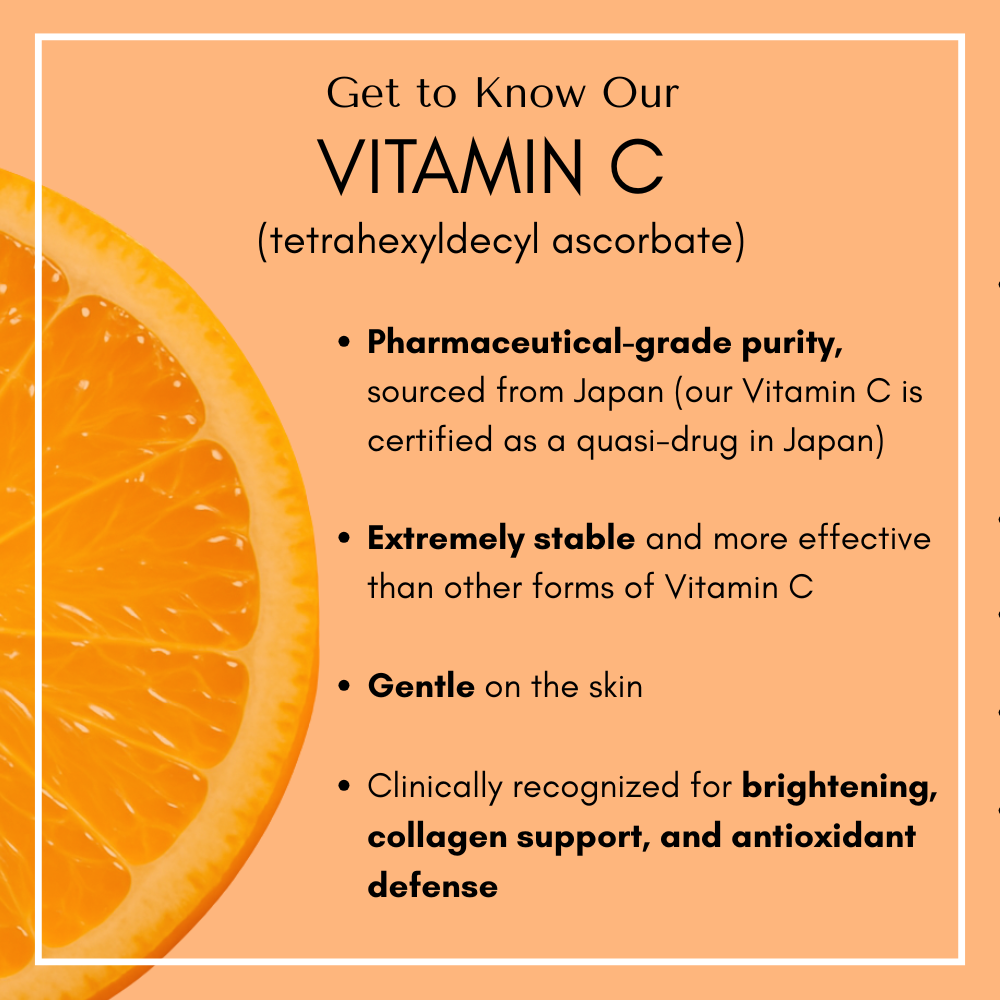
Credit: sundayriley.com
Vitamin C For Specific Skin Concerns
Vitamin C offers targeted benefits for various skin concerns. Whether you’re battling acne, aiming to reduce signs of aging, repairing sun damage, or managing sensitive skin, Vitamin C can be a valuable part of your skincare routine. Understanding how it works for each specific issue helps you choose the right products and get the best results.
Acne And Vitamin C
Vitamin C helps reduce inflammation and redness associated with acne. It supports skin healing and may prevent acne scars by promoting collagen production.
If you struggle with breakouts, look for Vitamin C serums that also contain soothing ingredients like niacinamide. Have you noticed how calming your skin feels after applying a Vitamin C product post-breakout?
Anti-aging Effects
Vitamin C is a powerful antioxidant that fights free radicals responsible for aging. It boosts collagen, which firms the skin and reduces wrinkles.
Using Vitamin C daily can brighten dull skin and improve texture. Have you tried pairing Vitamin C with your moisturizer to see smoother, younger-looking skin?
Sun Damage Repair
Sun exposure causes oxidative stress, leading to dark spots and uneven tone. Vitamin C neutralizes this damage and lightens pigmentation.
Applying Vitamin C after sun exposure can enhance your skin’s natural repair. Consider adding it to your evening routine to help fade sunspots and restore brightness.
Sensitive Skin Considerations
Vitamin C can sometimes cause irritation if your skin is sensitive. Start with a lower concentration and patch test before full use.
Look for formulas with added calming agents like aloe vera or hyaluronic acid. Have you found a Vitamin C product gentle enough to fit into your sensitive skin care?
Natural Sources Of Vitamin C For Skin
Vitamin C plays a vital role in keeping skin healthy and glowing. Using natural sources of vitamin C can improve skin texture and reduce signs of aging. These sources provide antioxidants that protect skin from damage and boost collagen production. Many fruits and vegetables contain high levels of vitamin C, making them perfect for skin care routines.
Fruits And Vegetables Rich In Vitamin C
- Oranges: A classic source packed with vitamin C.
- Kiwis: Small but mighty vitamin C powerhouses.
- Strawberries: Delicious and full of antioxidants.
- Bell Peppers: Especially red and yellow varieties.
- Broccoli: A green vegetable rich in nutrients.
- Guava: Tropical fruit with very high vitamin C content.
- Tomatoes: Great for skin health and hydration.
Diy Vitamin C Face Masks
Natural vitamin C can be applied directly to the skin in face masks. Fresh fruit purees work well for this. Mix mashed strawberries or orange juice with honey for a soothing mask. Lemon juice diluted with water can brighten dull skin but use carefully. These masks help reduce dark spots and improve skin tone. Always test on a small skin area before full use.
Diet Vs. Topical Application
Eating vitamin C rich foods nourishes skin from inside. It supports collagen growth and fights free radicals systemically. Topical application delivers vitamin C directly to the skin’s surface. It targets specific concerns like wrinkles and pigmentation. Combining diet and topical use often gives the best results. Balanced intake with proper skincare leads to healthier skin.

Credit: lathr.com
Frequently Asked Questions
What Are The Main Benefits Of Vitamin C For Skin?
Vitamin C boosts collagen production, improving skin firmness and elasticity. It also brightens skin, reduces dark spots, and protects against sun damage. Its antioxidant properties help fight free radicals, promoting healthier, youthful skin.
How Does Vitamin C Help With Skin Aging?
Vitamin C stimulates collagen synthesis, which reduces wrinkles and fine lines. It also protects skin cells from oxidative stress, slowing down aging signs. Regular use can lead to smoother, firmer, and more radiant skin.
Can Vitamin C Reduce Skin Pigmentation And Dark Spots?
Yes, Vitamin C inhibits melanin production, which lightens hyperpigmentation and dark spots. It evens out skin tone and brightens dull complexion. Consistent application helps achieve a clearer and more uniform skin appearance.
Is Vitamin C Effective For Acne-prone Skin?
Vitamin C reduces inflammation and redness associated with acne. It promotes skin healing and minimizes acne scars by boosting collagen. Its antioxidant effects protect skin from damage caused by acne-related oxidative stress.
Conclusion
Vitamin C offers many benefits for the skin. It brightens and evens out skin tone. This vitamin helps reduce wrinkles and fine lines. It also boosts collagen production, making skin firm. Vitamin C protects against sun damage and pollution. It’s suitable for all skin types.
Consistent use can improve skin health over time. A simple addition to your skincare routine. For radiant and healthy skin. Always choose products with stable forms of Vitamin C. Enjoy the natural glow it brings to your skin.
