
Are you tired of those pesky skin tags that seem to appear out of nowhere? You’re not alone.
Skin tags are a common annoyance, and while they’re harmless, they can be an unwanted addition to your skin. But what if there was a simple, natural remedy sitting right in your kitchen cabinet that could help you deal with them?
Enter castor oil, a versatile and time-tested solution that may just be the answer you’ve been searching for. We’ll explore how castor oil can be an effective and gentle method for addressing skin tags, providing you with an easy and affordable option to enhance your skin’s appearance. Keep reading to discover how this natural remedy can become your new skincare secret weapon.

Credit: www.amazon.co.za
What Are Skin Tags
Skin tags are small, soft growths that appear on your skin. They are usually harmless but can be bothersome or unsightly. Understanding what skin tags are helps you decide how to manage or treat them effectively.
What Exactly Are Skin Tags?
Skin tags, also known as acrochordons, are tiny flaps of skin that hang off your body. They often develop in areas where skin rubs against skin or clothing, like your neck, underarms, or eyelids. Despite their odd appearance, they are non-cancerous and generally painless.
Why Do Skin Tags Form?
Skin tags form due to friction and skin rubbing together over time. Hormonal changes and genetics can also play a role in their development. If you’ve noticed skin tags popping up after gaining weight or during pregnancy, you’re not alone.
Who Gets Skin Tags?
Anyone can develop skin tags, but they are more common in adults, especially those over 50. People who are overweight or have diabetes tend to have a higher chance of getting them. Have you ever wondered why some family members have them while others don’t? Genetics often influence this.
Are Skin Tags Harmful?
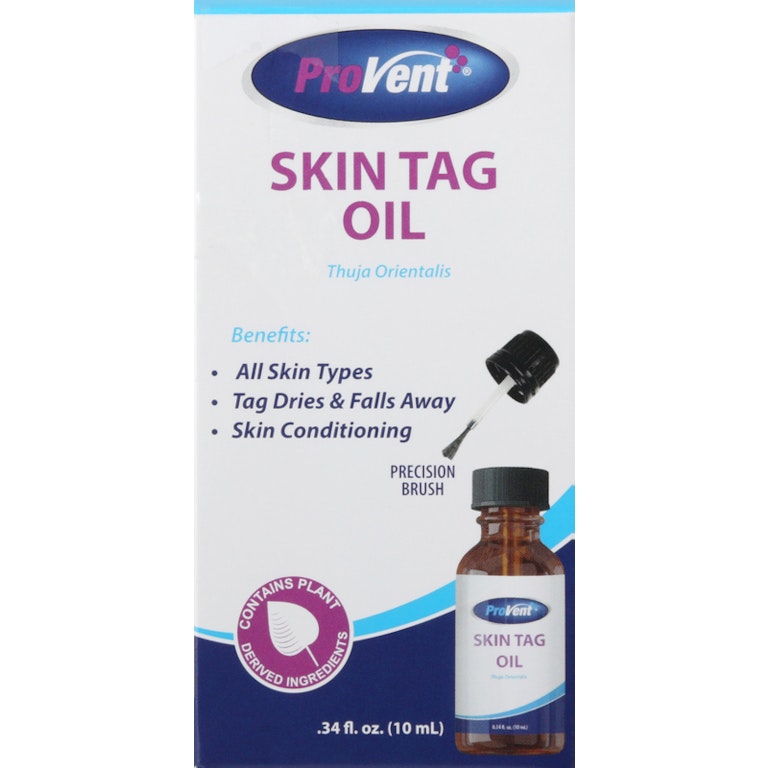
Skin tags are usually harmless and don’t require medical treatment. However, if they get irritated or bleed, it’s a good idea to consult a healthcare professional. You might want to remove them if they cause discomfort or affect your confidence.
Credit: www.gianteagle.com
Why Castor Oil Works
Castor oil has been used for skin care for centuries. It contains special properties that help reduce skin tags naturally. Its unique composition targets the root causes and helps the skin heal effectively.
Understanding why castor oil works helps explain its popularity. It offers a safe and gentle option for those who want to improve their skin without harsh chemicals or procedures.
Rich In Ricinoleic Acid
Castor oil is rich in ricinoleic acid, a fatty acid with anti-inflammatory effects. This acid helps reduce swelling and irritation around skin tags. It also promotes the breakdown of excess skin cells, which can shrink skin tags over time.
Hydrates And Softens Skin
The oil deeply moisturizes and softens the skin. This makes skin tags less hard and easier to remove naturally. Soft skin helps prevent further growth of skin tags by keeping the area healthy.
Antimicrobial Properties
Castor oil contains antimicrobial agents that prevent infection. Applying it regularly keeps the skin clean and reduces the chance of skin tag infection. Healthy skin supports faster healing and tag reduction.
Stimulates Blood Circulation
Massaging castor oil improves blood flow to the affected area. Better circulation helps deliver nutrients and oxygen needed for skin repair. This speeds up the disappearance of skin tags.
Preparing Castor Oil For Use
Preparing castor oil correctly can make a big difference in how well it works on your skin tags. It’s not just about slapping oil on your skin; the preparation ensures safety and maximizes the oil’s effectiveness. You want to feel confident that what you apply is both gentle and potent.
Choosing The Right Castor Oil
Start with pure, cold-pressed castor oil. This type retains the most nutrients and avoids harmful additives. Check the label for “100% pure” and avoid oils with fragrances or chemicals.
Have you noticed how some oils feel greasy or sticky? Cold-pressed castor oil usually absorbs better and feels lighter on your skin.
Testing For Allergic Reactions
Before applying castor oil on skin tags, test it on a small patch of skin. Apply a drop on your wrist or behind your ear and wait 24 hours.
If you experience redness, itching, or burning, don’t use the oil on your skin tags. Your skin’s reaction is a clear sign of sensitivity.
Mixing Castor Oil With Carrier Oils
Pure castor oil can be thick and sticky. Mixing it with lighter oils like coconut or almond oil makes application easier and more pleasant.
- Mix two parts castor oil with one part carrier oil.
- Stir well to combine before use.
This blend helps the castor oil penetrate better while reducing any heavy, greasy feeling.
Preparing Application Tools
Using clean tools prevents infection. Prepare cotton balls or swabs for applying the oil precisely on the skin tag.
Wash your hands thoroughly and use a new cotton ball each time you apply the oil. This simple step keeps the area clean and supports healing.
Step-by-step Removal Process
Removing skin tags with castor oil is a natural and gentle approach. It requires patience and care to see results. Follow these simple steps to ensure safe and effective removal.
Cleaning The Area
Start by washing the skin tag and surrounding skin. Use warm water and mild soap to remove dirt and oils. Pat dry with a clean towel. This helps the castor oil work better.
Applying Castor Oil
Take a few drops of castor oil on a cotton ball or swab. Gently dab it directly onto the skin tag. Avoid spreading the oil on healthy skin to prevent irritation. Castor oil contains ricinoleic acid that helps shrink the tag.
Covering The Skin Tag
After applying castor oil, cover the skin tag with a small bandage or adhesive tape. This keeps the oil in place and prevents it from rubbing off. Change the bandage daily to keep the area clean.
Frequency Of Application
Apply castor oil twice a day, once in the morning and once before bed. Consistency is key for visible results. Continue this routine daily until the skin tag dries up and falls off naturally.
Additional Natural Remedies
Besides castor oil, several natural remedies can help manage skin tags effectively. These options offer alternative approaches you might find easier or more suitable for your skin type. Trying different methods also lets you see what works best for your unique situation.
Apple Cider Vinegar
Apple cider vinegar has natural acids that may help break down skin tag tissue. You can apply it by soaking a cotton ball and placing it on the skin tag for about 15 minutes daily. Be cautious if you have sensitive skin; vinegar might cause irritation or a burning sensation.
Many people notice their skin tags darken and shrink after consistent use. Have you ever tested apple cider vinegar for skin care? Your experience could guide others looking for simple home remedies.
Tea Tree Oil
Tea tree oil is well known for its antiseptic and anti-inflammatory properties. Applying a few drops directly on the skin tag twice a day can dry it out gradually. Use a carrier oil if you have sensitive skin to avoid redness or discomfort.
One person shared that after about two weeks of regular tea tree oil application, their skin tag started shrinking. This natural oil might require patience but often delivers noticeable results without harsh chemicals.
Garlic
Garlic contains sulfur compounds that may help dissolve skin tags. Crush a clove and apply the juice directly on the skin tag, covering it with a bandage overnight. Repeat this for several nights until you see improvement.
Some users find the strong smell off-putting but appreciate garlic’s effectiveness. Would you be willing to try garlic despite its odor if it meant removing skin tags naturally?
Precautions And When To See A Doctor
Using castor oil on skin tags might sound simple, but it’s important to take some precautions to avoid irritation or other issues. Knowing when to stop the treatment and seek professional advice can save you from unnecessary discomfort or complications.
Precautions Before Applying Castor Oil
Always perform a patch test before applying castor oil to your skin tags. Dab a small amount on your wrist and wait 24 hours to check for any allergic reactions like redness or itching.
Use pure, cold-pressed castor oil to reduce the risk of irritation. Avoid mixing it with other substances unless you’re sure they are safe for your skin.
Keep the application area clean and dry. Do not cover the skin tag with tight bandages after applying oil, as this can trap moisture and cause infection.
When To Stop Using Castor Oil
If you notice increased redness, swelling, pain, or any signs of infection, stop using castor oil immediately. These symptoms indicate your skin is reacting negatively and needs a break.
Castor oil should not be used on skin tags that are bleeding, changing color, or growing rapidly. These changes could signal a more serious condition.
When To See A Doctor
- If a skin tag becomes painful or starts bleeding without injury.
- If you see sudden changes in size, shape, or color of the skin tag.
- If the skin tag is located in sensitive areas like the eyes, genitals, or inside the mouth.
- If you experience persistent irritation or infection signs after using castor oil.
- If you’re unsure about the nature of the skin growth, it’s safer to get a professional diagnosis.
Remember, your health is the priority. Don’t hesitate to seek medical advice if something feels off or if the skin tag doesn’t improve after home treatment.
Tips For Skin Tag Prevention
Preventing skin tags helps keep your skin smooth and healthy. Simple daily habits lower the chance of skin tags forming. These tips protect your skin and reduce friction that causes tags. Consistency is key for better results.
Maintain A Healthy Weight
Extra weight increases skin folds and friction. This friction can cause skin tags. Keep a balanced diet and exercise regularly. A healthy weight reduces skin tag risks.
Wear Loose, Comfortable Clothing
Tight clothes rub against the skin and cause irritation. Choose soft, breathable fabrics that do not trap sweat. Loose clothing lowers skin friction and prevents tags.
Keep Your Skin Clean And Dry
Moist, dirty skin is more prone to irritation. Wash your skin daily with mild soap. Dry the skin gently, especially in folds and creases.
Avoid Jewelry Or Accessories That Cause Friction
Necklaces, bracelets, and belts can rub the skin. This constant rubbing may lead to skin tags. Remove or loosen accessories that irritate your skin.
Use Castor Oil Regularly
Castor oil soothes skin and reduces inflammation. Apply a small amount on areas prone to skin tags. This natural oil helps keep skin soft and healthy.

Credit: www.deepayurveda.in
Frequently Asked Questions
What Is Castor Oil’s Role In Removing Skin Tags?
Castor oil contains ricinoleic acid, which may help dissolve skin tags naturally. Applying it regularly can reduce skin tag size and appearance.
How To Use Castor Oil For Skin Tags Safely?
Clean the skin tag area, then apply castor oil with a cotton swab twice daily. Cover with a bandage for better absorption and hygiene.
How Long Does Castor Oil Take To Remove Skin Tags?
Results vary, but it typically takes 2 to 4 weeks of consistent application to see noticeable skin tag reduction.
Are There Any Side Effects Of Using Castor Oil?
Castor oil is generally safe but may cause mild irritation or allergic reactions. Test a small skin area before full use.
Conclusion
Castor oil can help reduce skin tags safely at home. Apply it gently on the skin tag daily. Results may take time, so be patient. Avoid using it on broken or irritated skin. If the skin tag changes or causes pain, see a doctor.
Natural remedies like castor oil offer a simple option. Always test on a small skin area first. Keep your skin clean and dry during treatment. Small steps can improve skin health over time.
