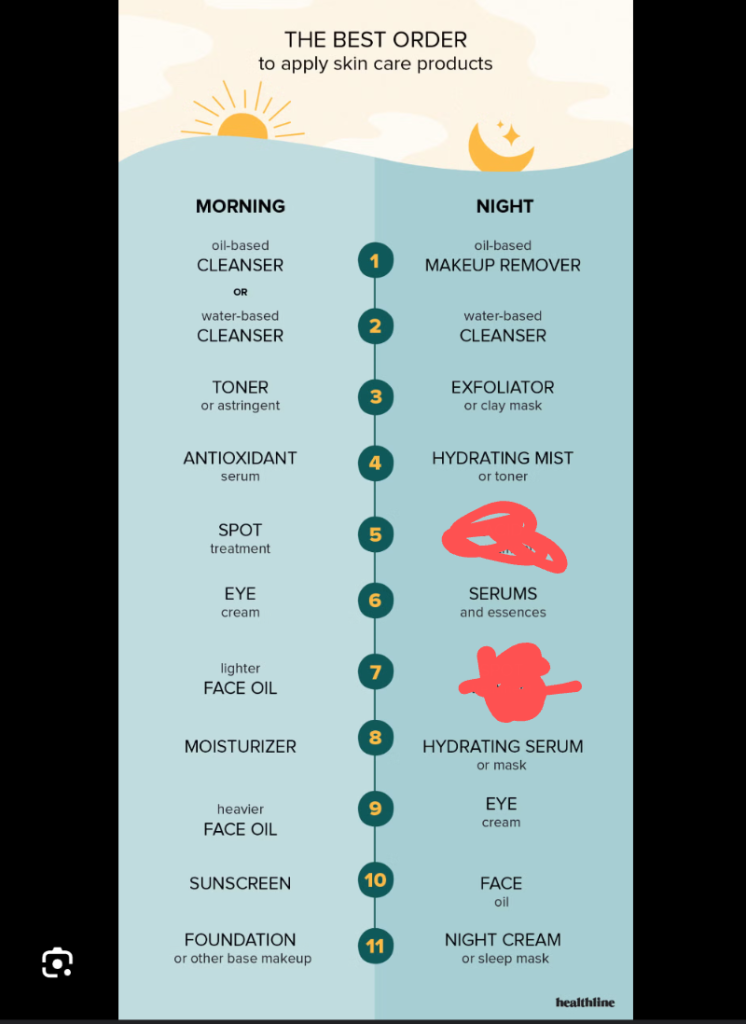
Your skin deserves the best care every single day. But do you know the right order to follow in your morning and night skin care routine?
Getting this order wrong can make your products less effective or even cause irritation. Imagine waking up to glowing, healthy skin and going to bed knowing you’ve given your face exactly what it needs. You’ll discover the simple, step-by-step skin care routine order that will help you achieve just that.
Keep reading—you’re about to unlock the secret to flawless skin, morning and night.
Morning Routine Steps
Starting your day with the right skin care routine can set the tone for healthy, glowing skin. Each step in the morning has a purpose, helping to refresh your face and protect it throughout the day. Let’s break down the essential morning routine steps to make your skin look and feel its best.
Cleansing
Washing your face is the first and most important step. It removes overnight sweat, oil, and dirt that can clog pores. Choose a gentle cleanser that suits your skin type to avoid stripping your skin of natural oils.
Have you noticed how your skin feels after skipping this step? It can quickly become dull and congested. Clean skin creates a fresh canvas for the products you apply next.
Toning
Toner balances your skin’s pH and tightens pores. It also helps remove any leftover impurities after cleansing. Look for alcohol-free toners with soothing ingredients like rose water or witch hazel.
If you haven’t tried toning, you might be missing out on smoother, more even skin texture. Do you feel your skin gets oily or dry during the day? Toner can help regulate that.
Serums And Treatments
Serums deliver concentrated ingredients to target specific skin concerns like dullness, fine lines, or acne. Vitamin C serums are popular in the morning because they brighten and protect against environmental damage.
Applying serums before moisturizer ensures better absorption. Think about what your skin needs most—hydration, anti-aging, or calming—and choose a serum that fits.
Moisturizing
Moisturizer locks in hydration and strengthens your skin barrier. Even if you have oily skin, skipping moisturizer can lead to more oil production. Pick a lightweight formula if you want something that absorbs quickly.
Have you ever felt tight or flaky skin during the day? That’s a sign your skin is thirsty. Moisturizing keeps your skin comfortable and smooth all day long.
Sunscreen Application
Sunscreen is your best defense against UV damage, premature aging, and skin cancer. Use a broad-spectrum sunscreen with at least SPF 30 every morning, regardless of the weather or season.
Applying sunscreen last creates a protective layer over all the care you’ve given your skin. Do you often forget this step? Try keeping your sunscreen next to your moisturizer as a reminder.
Night Routine Steps
Nighttime skin care is vital for skin repair and hydration. Your skin works to heal and renew during sleep. A good night routine supports this natural process. Follow each step carefully to keep skin clean and nourished.
Makeup Removal
Remove all makeup before bed. Use a gentle makeup remover or cleansing oil. Avoid harsh scrubbing to protect skin. Proper removal prevents clogged pores and breakouts.
Cleansing
Cleanse your face with a mild cleanser. This removes dirt, sweat, and leftover makeup. Use lukewarm water to avoid drying skin. Pat skin dry with a soft towel.
Exfoliation Frequency
Exfoliate 1-3 times per week. Use a gentle scrub or chemical exfoliant. Avoid daily exfoliation to prevent irritation. Exfoliation helps remove dead skin cells.
Toning
Apply toner to balance skin’s pH. Choose alcohol-free toners to avoid dryness. Toner prepares skin for better absorption of products.
Serums And Treatments
Use serums with active ingredients like vitamin C or hyaluronic acid. Apply treatments for specific skin concerns. Allow each product to absorb fully before next step.
Night Creams And Moisturizers
Use a nourishing night cream or moisturizer. Night creams are thicker for deep hydration. They support skin repair during sleep.
Eye Cream Application
Gently apply eye cream using ring fingers. Avoid tugging delicate skin around eyes. Eye creams help reduce puffiness and dark circles.
Tips For Choosing Products
Choosing the right skincare products shapes your routine’s success. Each product should match your needs and skin’s condition. Picking wisely avoids irritation and boosts results. Keep focus on your skin type, ingredients, and possible irritants. This approach makes your skin routine safe and effective.
Skin Type Considerations
Identify your skin type before buying products. Common types include oily, dry, combination, and sensitive. Oily skin benefits from lightweight, non-comedogenic products. Dry skin needs rich, hydrating creams and oils. Combination skin works well with balanced formulas. Sensitive skin requires gentle, fragrance-free options. Tailor your choices to support your skin’s natural balance.
Ingredient Benefits
Look for ingredients that address your skin concerns. Hyaluronic acid hydrates and plumps skin. Vitamin C brightens and protects against damage. Salicylic acid clears pores and controls oil. Niacinamide soothes redness and strengthens skin. Antioxidants fight free radicals and aging signs. Choose ingredients that help your skin stay healthy and fresh.
Avoiding Irritants
Steer clear of harsh chemicals and allergens. Fragrances can cause redness and itching. Alcohol may dry and irritate sensitive skin. Avoid parabens and sulfates that strip natural oils. Patch test new products on a small area first. Selecting mild, clean products reduces risk of irritation. Your skin will thank you for gentle care.

Credit: www.bellinispdx.com
Common Mistakes To Avoid
Knowing the right order for your skincare routine is essential, but avoiding common mistakes is just as important. These errors can undo all your hard work and leave your skin irritated or unprotected. Let’s look at some pitfalls you should steer clear of to keep your skin healthy and glowing.
Skipping Sunscreen
Many people think sunscreen is only necessary on sunny days or when outdoors for long periods. However, UV rays can reach your skin even through windows and clouds. Skipping sunscreen in the morning can lead to premature aging and increase your risk of skin damage.
Make sunscreen the final step of your morning routine every day. Ask yourself: Are you really protecting your skin from invisible daily sun exposure?
Over-exfoliating
Exfoliating removes dead skin cells, but doing it too often or with harsh scrubs can damage your skin barrier. This can cause redness, dryness, and even breakouts. Most skin types benefit from exfoliating only 1-3 times a week.
Listen to your skin’s needs. If it feels sensitive or tight, dial back exfoliation. What’s the balance that keeps your skin smooth without irritation?
Mixing Incompatible Products
Using powerful actives like retinol, vitamin C, and acids together can cause irritation or reduce their effectiveness. For example, applying retinol and exfoliating acids in the same routine may overwhelm your skin. It’s better to separate these actives into morning and night routines or alternate days.
Check product labels and research ingredient interactions. Are you combining products that work well together or fighting against each other?
Adjusting Routine For Different Skin Concerns
Adjusting your skin care routine based on your unique skin concerns can make a huge difference in achieving the results you want. Your skin’s needs change depending on factors like oiliness, dryness, sensitivity, or acne. Tailoring the order and products in your morning and night routine ensures you address those specific issues effectively without overwhelming your skin.
Acne-prone Skin
If you struggle with acne, focus on gentle cleansing to avoid irritation. Use a salicylic acid cleanser or benzoyl peroxide treatment to target breakouts directly. Applying a lightweight, non-comedogenic moisturizer keeps your skin hydrated without clogging pores.
At night, consider adding a retinoid to speed up cell turnover. Avoid heavy creams that can trap oil and cause more breakouts. Ever noticed your skin feels tight after cleansing? That’s a sign you might be over-drying, which can backfire and increase oil production.
Dry Skin
Dry skin needs extra hydration and nourishment. Start with a hydrating cleanser that doesn’t strip your skin’s natural oils. Follow with a rich moisturizer containing ingredients like hyaluronic acid or ceramides to lock in moisture.
In the evening, add a nourishing oil or thicker cream to repair and protect your skin barrier overnight. You might find that skipping harsh exfoliants or alcohol-based toners prevents further dryness. How often do you check if your skin feels tight or flaky? That’s a clue to adjust your routine.
Oily Skin
For oily skin, controlling shine without over-drying is key. Use a foaming or gel cleanser to remove excess oil in the morning. Choose a lightweight, oil-free moisturizer to keep your skin balanced.
At night, a gentle exfoliant with ingredients like glycolic acid can help clear pores and reduce oil buildup. Avoid heavy creams that can feel greasy or cause breakouts. Have you ever skipped moisturizer because your skin feels oily? That might actually make your skin produce more oil.
Sensitive Skin
Sensitive skin calls for the simplest routine possible. Use fragrance-free, gentle cleansers and moisturizers to avoid irritation. Apply calming ingredients like aloe vera or chamomile to soothe redness.
At night, avoid strong active ingredients like retinoids or acids unless recommended by a dermatologist. Patch test new products to see how your skin reacts. Do you notice your skin flares up after certain products? That’s your skin telling you to slow down and simplify.

Credit: reluminatebeauty.com.au

Credit: www.colorescience.com
Frequently Asked Questions
What Is The Correct Order For Morning Skin Care Routine?
Start with cleansing, then toner, serum, moisturizer, and sunscreen. This sequence helps protect and hydrate your skin all day. Sunscreen is crucial to block UV damage and prevent premature aging.
How Should I Order My Night Skin Care Routine?
Cleanse thoroughly, apply toner, then serum or treatment, followed by moisturizer. Night routines focus on repair, so heavier creams or oils can be used. This order maximizes absorption and skin regeneration while you sleep.
Can I Skip Toner In My Skin Care Routine?
Toner is optional but beneficial for balancing skin pH and removing leftover dirt. It preps the skin to absorb serums and moisturizers more effectively. Choose alcohol-free toners to avoid dryness or irritation.
When Should I Apply Serum In My Skin Care Routine?
Apply serum after toner and before moisturizer, both morning and night. Serums contain concentrated active ingredients that penetrate deeply. This step enhances skin hydration, brightness, and targeted treatment results.
Conclusion
A clear skin care routine offers many benefits. Morning routines protect your skin from the day ahead. Night routines help repair and nourish your skin. Consistency is key. Use gentle products that suit your skin type. Cleanse, tone, and moisturize daily.
Apply sunscreen in the morning. Use a nourishing serum at night. This keeps your skin healthy and glowing. Remember, every step counts. Your skin will thank you. Stay committed, and enjoy the results. Healthy skin boosts confidence and happiness. Give your skin the care it deserves.
Your efforts will pay off.
