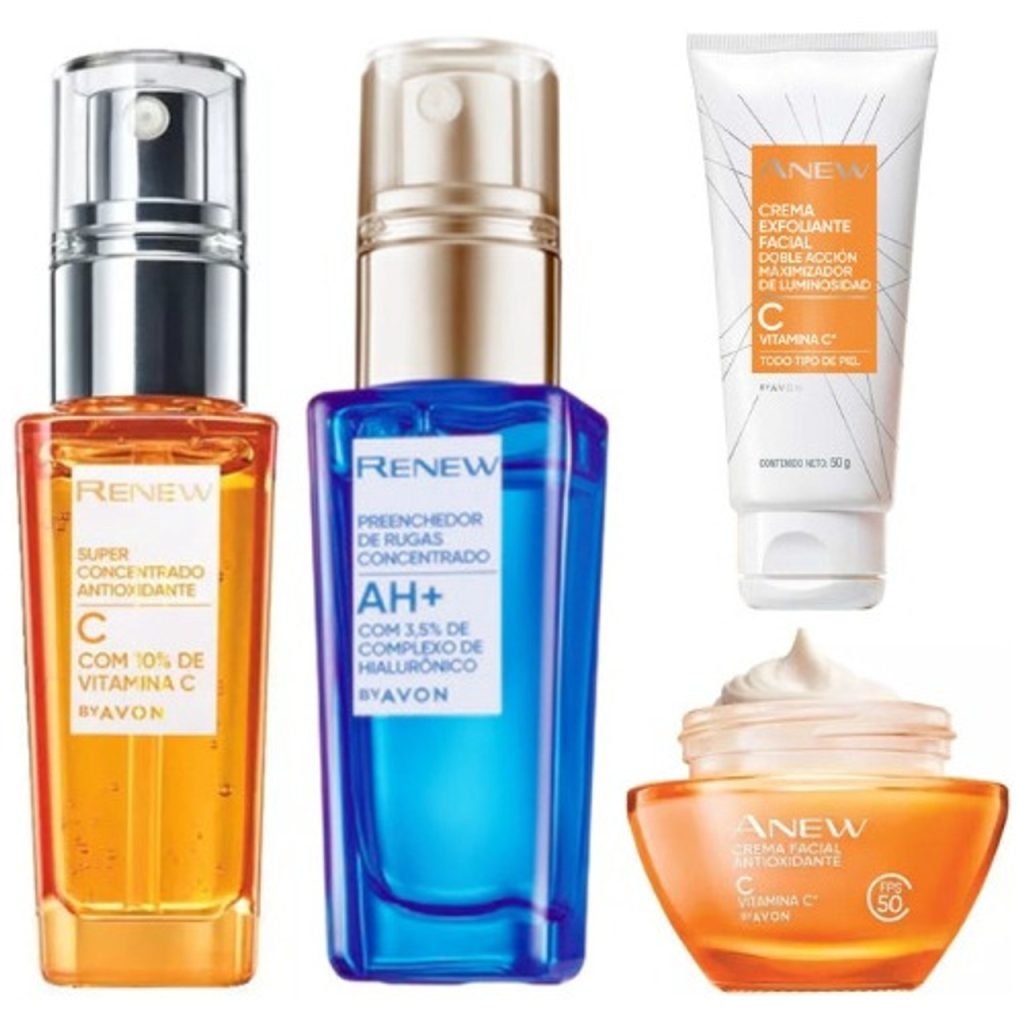
Are you looking to brighten your skin and keep it hydrated all day long? A skincare routine with Vitamin C and Hyaluronic Acid might be exactly what you need.
These two powerful ingredients work together to give your skin a fresh, glowing look while locking in moisture. If you want to learn how to use them the right way and get the best results, keep reading. Your skin will thank you!

Credit: www.thriveco.in
Benefits Of Vitamin C For Skin
Vitamin C is a powerful ingredient that can transform your skincare routine. Its benefits go beyond just brightening; it actively protects and repairs your skin. Understanding how it works can help you get the most out of your products.
Brightening Dull Complexion
Vitamin C helps fade dark spots and evens out skin tone by reducing melanin production. If your skin looks tired or uneven, adding Vitamin C can bring back a natural glow.
I noticed my skin felt fresher and more radiant within weeks after using a Vitamin C serum daily. Imagine starting your day with skin that looks energized rather than dull.
Fighting Free Radicals
Free radicals from pollution and UV rays damage your skin cells and speed up aging. Vitamin C acts as an antioxidant, neutralizing these harmful molecules before they cause harm.
Protecting your skin at a cellular level means fewer wrinkles and less inflammation over time. Are you giving your skin enough defense against daily environmental stress?
Boosting Collagen Production
Collagen keeps your skin firm and smooth, but its production slows as you age. Vitamin C stimulates collagen synthesis, which helps reduce fine lines and maintain elasticity.
Adding Vitamin C to your routine supports your skin’s structure from within. Think of it as a natural way to keep your skin looking youthful without invasive treatments.

Credit: www.amazon.com
Advantages Of Hyaluronic Acid
Hyaluronic acid stands out as a must-have ingredient in your skincare lineup. Its unique ability to hold moisture and support skin health offers several key benefits. Understanding these advantages can help you decide how to best add it to your daily routine.
Intense Hydration
Hyaluronic acid can hold up to 1,000 times its weight in water. This means it delivers deep hydration to your skin, keeping it plump and refreshed. If you’ve ever felt your skin tighten or flake, adding hyaluronic acid might be the hydration boost you need.
Improving Skin Elasticity
As you use hyaluronic acid regularly, you may notice your skin feels firmer and more elastic. It supports the natural repair process, helping your skin bounce back from daily stresses. Have you observed how hydrated skin often looks smoother and less prone to fine lines?
Soothing Sensitive Skin
This ingredient is gentle and calming, making it suitable even for sensitive skin types. It helps reduce redness and irritation without causing dryness or breakouts. If your skin reacts easily to new products, hyaluronic acid offers a soothing option worth trying.
Choosing The Right Products
Choosing the right skincare products is essential for achieving the best results with vitamin C and hyaluronic acid. Not all products deliver the same benefits. Some may cause irritation or fail to absorb well. Picking formulas suited to your skin type improves effectiveness and comfort.
Focus on quality ingredients and the right concentrations. Products that combine vitamin C and hyaluronic acid properly support skin hydration and brightness. Avoid harsh additives or unstable forms of vitamin C. Understanding labels helps make smart choices.
Vitamin C Serums To Try
- L-ascorbic acid serums provide strong antioxidant protection.
- Sodium ascorbyl phosphate is gentler for sensitive skin.
- Look for serums with added vitamin E for stability.
- Packaging in dark, airtight bottles preserves potency.
- Choose serums with concentrations between 10% and 20%.
Best Hyaluronic Acid Formulas
- Low molecular weight hyaluronic acid penetrates deeper layers.
- High molecular weight locks moisture on the skin’s surface.
- Products combining different weights offer balanced hydration.
- Serums and lightweight creams deliver quick absorption.
- Check for added soothing ingredients like aloe or ceramides.
Checking Ingredients And Concentrations
- Vitamin C should be in a stable form, such as L-ascorbic acid.
- Concentration around 10-20% is effective without irritation.
- Hyaluronic acid concentration varies; 0.5%-2% is common.
- Avoid alcohols and fragrances that may irritate skin.
- Look for additional antioxidants and skin-repair ingredients.
Building Your Daily Routine
Building a daily skincare routine with Vitamin C and Hyaluronic Acid brings balance and nourishment. Consistency helps improve skin texture and brightness over time.
Vitamin C boosts radiance and protects skin from damage. Hyaluronic Acid locks in moisture and keeps skin plump. Combining both creates a powerful skincare duo.
Morning Steps With Vitamin C
Start your day by cleansing your face with a gentle cleanser. Pat skin dry before applying Vitamin C serum. This antioxidant shields skin from sun damage and pollution.
Follow with a lightweight moisturizer to keep skin hydrated. Always finish with sunscreen to protect your skin from UV rays. Vitamin C works best in the morning to brighten skin.
Nighttime Hydration With Hyaluronic Acid
Cleanse your skin thoroughly to remove dirt and makeup. Apply Hyaluronic Acid serum on slightly damp skin for better absorption. This ingredient draws moisture into the skin deeply.
Seal hydration with a rich night cream or facial oil. Nighttime is perfect for skin repair and moisture retention. Hyaluronic Acid helps skin stay soft and smooth.
Layering Techniques For Maximum Absorption
Apply skincare products from thinnest to thickest texture. Start with serums like Vitamin C or Hyaluronic Acid. Follow with moisturizers and oils to lock in benefits.
Wait a few minutes between layers to let products absorb fully. Avoid mixing Vitamin C with strong acids or retinol at once. Proper layering boosts effectiveness and prevents irritation.
Common Mistakes To Avoid
Using vitamin C and hyaluronic acid can improve skin health. Avoid common mistakes to get the best results from your routine.
Some errors can reduce the effectiveness or cause irritation. Knowing what to avoid helps protect your skin and boost benefits.
Overusing Active Ingredients
Applying too much vitamin C or hyaluronic acid can irritate your skin. Sensitive skin may become red or dry. Use the recommended amount and frequency. Start with a small dose and increase slowly if needed.
Ignoring Sunscreen Protection
Vitamin C makes skin more sensitive to sunlight. Skipping sunscreen can cause sun damage and reduce vitamin C benefits. Use broad-spectrum sunscreen daily. Reapply every two hours if you stay outdoors.
Mixing Incompatible Products
Some skincare products do not work well together. Avoid using vitamin C with strong acids or retinol at the same time. These combinations can cause irritation or reduce effectiveness. Apply them at different times, like morning and night.

Credit: www.reddit.com
Tips For Sensitive Skin
Managing sensitive skin means paying close attention to how your skin reacts to new ingredients like Vitamin C and Hyaluronic Acid. These powerful components can brighten and hydrate, but they might also cause irritation if not introduced carefully. Taking the right steps can help you enjoy the benefits without the redness or discomfort.
Patch Testing New Products
Before applying Vitamin C or Hyaluronic Acid to your entire face, test the product on a small skin area, such as behind your ear or on your wrist. Leave it on for 24 hours and watch for any redness, itching, or swelling.
This simple step can save you from a full-blown reaction. Have you ever skipped patch testing and regretted it later?
Starting With Lower Concentrations
Begin with formulas that have a lower concentration of Vitamin C, ideally around 5-10%. This reduces the chance of irritation while your skin builds tolerance.
Similarly, choose Hyaluronic Acid products labeled as gentle or designed for sensitive skin. Gradually increase the strength only if your skin responds well.
When To Consult A Dermatologist
If you notice persistent redness, itching, or flaking after introducing these ingredients, it’s time to get professional advice. A dermatologist can help identify if the product suits your skin type or if another approach is needed.
Remember, your skin’s health is a priority, and expert guidance can prevent long-term damage.
Frequently Asked Questions
What Are The Benefits Of Vitamin C In Skincare?
Vitamin C brightens skin, reduces dark spots, and boosts collagen. It protects against sun damage and improves skin texture, promoting a youthful glow.
How Does Hyaluronic Acid Hydrate The Skin?
Hyaluronic Acid attracts and retains moisture, keeping skin plump. It enhances hydration, smooths fine lines, and supports skin elasticity for a healthy appearance.
Can Vitamin C And Hyaluronic Acid Be Used Together?
Yes, they complement each other well. Vitamin C brightens and protects, while Hyaluronic Acid hydrates and plumps skin, enhancing overall skincare results.
When Is The Best Time To Apply Vitamin C And Hyaluronic Acid?
Apply Vitamin C serum in the morning for antioxidant protection. Use Hyaluronic Acid after cleansing, both morning and night, to lock in moisture effectively.
Conclusion
A skincare routine with Vitamin C and Hyaluronic Acid offers great benefits. These ingredients hydrate and brighten your skin. Use them consistently for best results. Start with a gentle cleanser to prepare your skin. Then, apply Vitamin C serum in the morning.
It protects against sun damage. Follow with Hyaluronic Acid to lock in moisture. It keeps your skin plump and soft. Finish with sunscreen for extra protection. This routine is simple yet effective. Anyone can follow it for healthier skin. Make it a daily habit and notice the difference.
Your skin will thank you.
