Your skin changes as you age, and so should your skincare routine. If you want to keep your skin looking healthy, fresh, and radiant, it’s time to rethink how you care for it.
A mature skincare routine isn’t about complicated steps or expensive products—it’s about choosing the right habits that work for your skin’s unique needs. Ready to discover simple, effective ways to boost your skin’s glow and confidence every day? Keep reading, and let’s transform your skincare game together.
Skin Changes With Age
As your skin ages, it undergoes noticeable changes that affect its appearance and feel. Understanding these changes helps you tailor your skincare routine to meet your skin’s evolving needs. Paying attention to how your skin shifts over time can empower you to maintain a healthy, glowing complexion.
Common Signs Of Aging Skin
You might notice fine lines and wrinkles appearing around your eyes and mouth. These are among the first signs of aging, caused by reduced collagen production. Your skin may also start to lose its firmness, leading to sagging in areas like the jawline and cheeks.
Age spots or uneven pigmentation become more visible, especially if your skin has had significant sun exposure. Dryness and dullness can also increase as oil glands produce less moisture. Have you seen these changes on your skin yet?
How Skin Texture Evolves
With age, your skin texture becomes rougher and less smooth. This happens because skin cell turnover slows down, causing dead skin cells to build up on the surface. You may feel your skin is less supple and more prone to flakiness.
Thinning skin can make veins and bones more noticeable, changing the way your skin feels to the touch. You might want to gently exfoliate to remove dead cells, but be careful not to overdo it. What small adjustments could you make to your routine to support healthier skin texture?
Credit: www.laurageller.com
Key Ingredients For Mature Skin
Mature skin needs special care with the right ingredients. These ingredients help reduce wrinkles, boost moisture, and protect skin from damage. Choosing skincare with key ingredients supports skin health and keeps it glowing. Below are essential ingredients for mature skin.
Retinoids And Their Benefits
Retinoids come from vitamin A. They help increase cell turnover and boost collagen. This reduces fine lines and smooths skin texture. Retinoids also fade dark spots and even skin tone. Use retinoids at night to avoid sun sensitivity. Start with low concentration to avoid irritation.
Hydrating Agents To Look For
Mature skin often feels dry and tight. Hydrating agents keep skin soft and plump. Look for ingredients like:
- Hyaluronic acid – holds water to keep skin moist.
- Glycerin – draws moisture into the skin.
- Squalane – locks in hydration and strengthens skin barrier.
- Aloe vera – soothes and hydrates dry skin.
These ingredients help prevent dryness and improve skin elasticity.
Antioxidants To Protect Skin
Antioxidants fight free radicals that cause skin damage. They protect skin from pollution and sun damage. Common antioxidants include:
- Vitamin C – brightens skin and boosts collagen.
- Vitamin E – nourishes and protects skin cells.
- Green tea extract – calms skin and reduces inflammation.
- Coenzyme Q10 – supports skin repair and reduces wrinkles.
Using antioxidants daily helps keep mature skin healthy and vibrant.
Daily Skincare Steps
Daily skincare is vital for mature skin to stay healthy and radiant. Simple, consistent steps protect and nourish your skin every day. Focus on gentle care to avoid irritation and dryness. A good routine supports skin’s natural balance and slows aging signs.
Each step plays a role in maintaining your skin’s softness and glow. Cleanse softly, hydrate deeply, and shield from sun damage. These habits build a strong foundation for mature skin health.
Gentle Cleansing Techniques
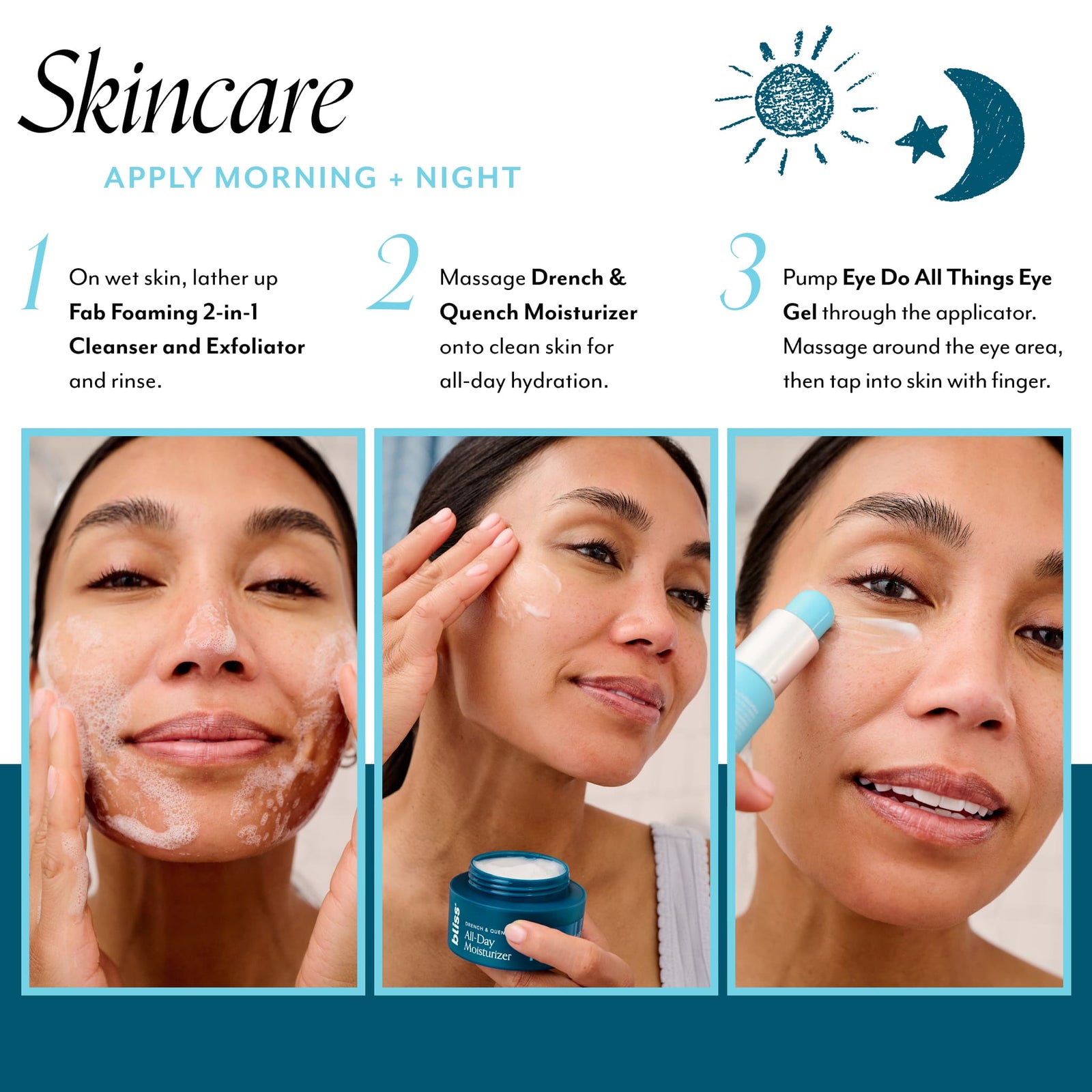
Use a mild cleanser designed for mature skin. Avoid harsh scrubs and strong soaps that strip natural oils. Cleanse with lukewarm water to prevent dryness. Use fingertips to massage the face gently in circular motions. Rinse thoroughly and pat dry with a soft towel. Cleansing twice daily removes dirt and prepares skin for moisture.
Effective Moisturizing Habits
Choose a moisturizer rich in hydrating ingredients like hyaluronic acid or glycerin. Apply moisturizer while skin is slightly damp to lock in moisture. Use upward strokes to massage the cream into skin. Moisturize morning and night to maintain softness. Consider thicker creams at night for extra nourishment. Hydrated skin appears plumper and reduces fine lines.
Sun Protection Essentials
Sun damage speeds up skin aging and causes dark spots. Use broad-spectrum sunscreen with at least SPF 30 every day. Apply sunscreen 15 minutes before going outside. Reapply every two hours when outdoors. Wear hats and sunglasses for extra protection. Sun care is crucial to preserve youthful skin and prevent damage.

Credit: vincecare.com
Targeted Treatments
Targeted treatments are essential for addressing specific concerns that arise with mature skin. These treatments focus on problem areas such as fine lines, puffiness, and dullness, helping to restore a youthful glow. Adding the right products can make your routine more effective and tailored to your unique skin needs.
Serums For Fine Lines
Serums are powerful because they deliver active ingredients directly into your skin. Look for serums with ingredients like hyaluronic acid, peptides, and vitamin C to smooth out fine lines and boost collagen production. Applying a serum daily can noticeably improve texture and firmness, making your skin feel plumper and more resilient.
Eye Creams For Puffiness And Dark Circles
The delicate skin around your eyes needs special care. Choose eye creams with caffeine or niacinamide to reduce puffiness and brighten dark circles. Gently pat the cream with your ring finger to avoid tugging, and notice how consistent use can refresh tired eyes and reduce signs of fatigue.
Masks And Exfoliants For Renewal
Regular exfoliation removes dead skin cells, revealing fresher skin underneath. Use gentle exfoliants with ingredients like lactic acid or enzymes to avoid irritation. Incorporate hydrating masks once or twice a week to replenish moisture and support skin renewal, leaving your complexion radiant and smooth.
Lifestyle Tips For Radiance
Radiant skin starts beyond creams and serums. Your daily habits have a huge impact on skin health. Small changes in lifestyle bring lasting glow and vitality. Focus on what you eat, drink, and how you rest. These simple tips help skin look fresh and youthful naturally.
Nutrition For Healthy Skin
Eat a balanced diet rich in vitamins and minerals. Foods high in antioxidants protect skin from damage. Include colorful fruits and vegetables like berries, spinach, and carrots.
Healthy fats from nuts, seeds, and fish keep skin supple. Avoid too much sugar and processed foods. They can cause inflammation and dull skin.
Hydration And Its Impact
Drink plenty of water throughout the day. Hydrated skin looks plumper and smoother. Water helps flush out toxins and supports cell repair.
Limit caffeine and alcohol. They can dry out your skin. Use a humidifier in dry environments to maintain moisture.
Sleep And Stress Management
Good sleep is essential for skin renewal. Aim for 7 to 8 hours of quality rest nightly. Poor sleep leads to dark circles and tired skin.
Manage stress with relaxation techniques like meditation or gentle exercise. Stress releases hormones that break down skin collagen. Calm mind, calm skin.
Avoiding Common Mistakes
A mature skincare routine demands careful choices to keep skin healthy and glowing. Avoiding common mistakes helps protect skin from damage and irritation. Small errors can cause dryness, redness, or breakouts.
Focus on gentle care and patience. Each product and step matters. Learn what to avoid to maintain youthful, vibrant skin.
Over-exfoliating Risks
Exfoliating removes dead skin cells for a fresh look. But too much scrubbing harms the skin barrier. It causes redness, dryness, and sensitivity. Limit exfoliation to 1-2 times per week. Use mild exfoliants made for mature skin.
Ignoring Patch Testing
Patch testing checks for allergic reactions before full use. Skipping this step can lead to rashes or irritation. Apply a small amount of product on the wrist or behind the ear. Wait 24 hours to see if there is any reaction. This simple test saves trouble later.
Using Harsh Products
Strong ingredients may feel like they work fast. But harsh products strip natural oils and weaken skin. Avoid alcohol-based toners and rough scrubs. Choose soothing formulas with hydrating and anti-aging benefits. Gentle care supports skin’s natural repair.
Credit: wildcraftcare.ca
Frequently Asked Questions
What Are The Best Ingredients For Mature Skin?
Look for ingredients like retinol, hyaluronic acid, peptides, and antioxidants. These boost collagen, hydrate, and reduce wrinkles effectively.
How Often Should I Update My Mature Skincare Routine?
Update your routine every 6 to 12 months. Skin changes with age and seasons, requiring adjustments for optimal care.
Can Mature Skin Benefit From Exfoliation?
Yes, gentle exfoliation removes dead skin cells and promotes cell renewal. Use mild exfoliants 1-2 times per week.
Is Sunscreen Essential In A Mature Skincare Routine?
Absolutely. Sunscreen protects against UV damage, preventing premature aging and skin cancer. Use daily with at least SPF 30.
Conclusion
A mature skincare routine nurtures your skin. It requires consistency and care. Simple steps can make a difference. Cleanse gently, and use a good moisturizer. Hydrate your skin daily. Protect with sunscreen. Aging skin needs special attention. Choose products wisely.
Listen to your skin’s needs. Adjust your routine as needed. Prioritize self-care and patience. Embrace your skin’s natural beauty. Enjoy the journey to healthier skin.
