Are you struggling with stubborn acne, clogged pores, or dull skin? If so, you’re not alone.
Finding the right skincare routine can feel overwhelming, especially with so many products claiming to work wonders. But what if you could simplify your routine and target multiple skin issues at once? That’s where salicylic acid and retinol come in.
These two powerful ingredients can transform your skin when used correctly. Keep reading to discover how you can combine them safely and effectively for clearer, smoother, and healthier skin. Your best complexion is just a few steps away.

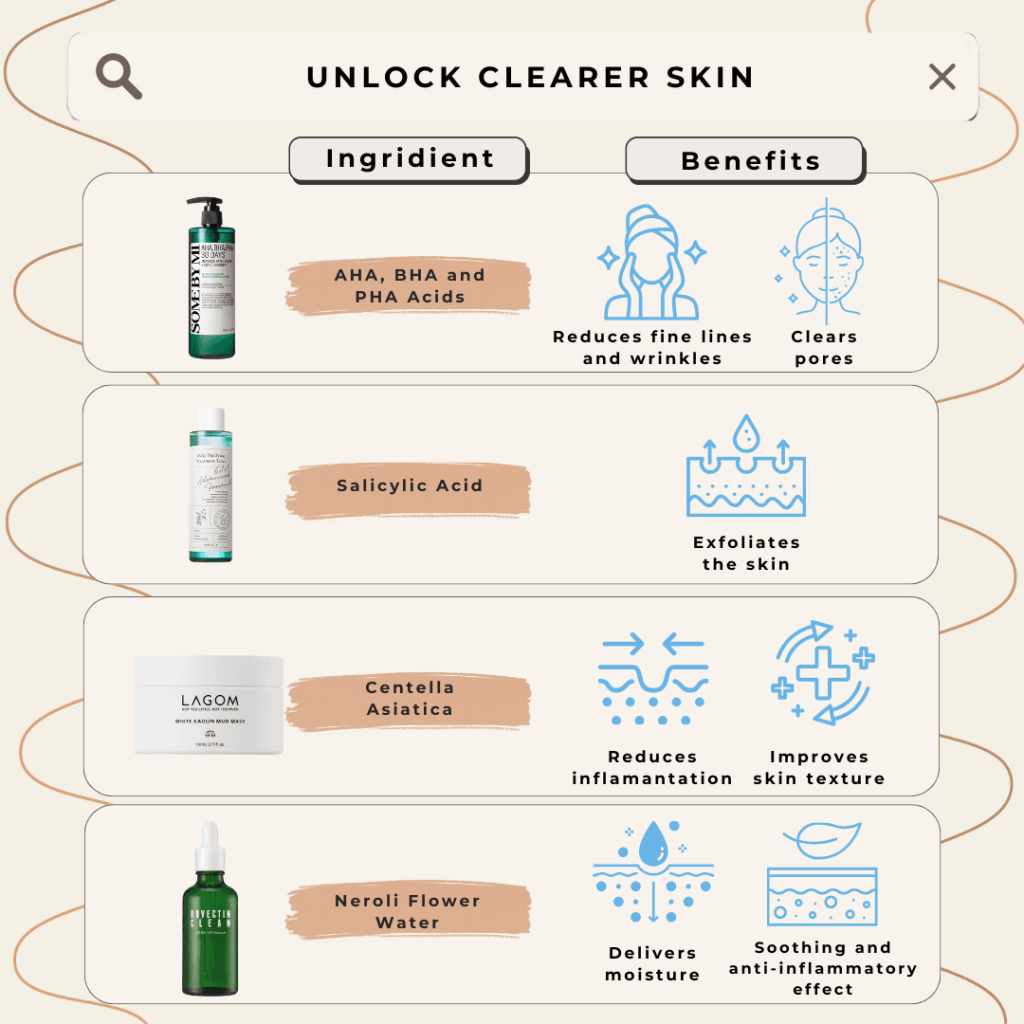
Credit: beminimalist.co
Benefits Of Salicylic Acid
Salicylic acid is a popular ingredient in skincare, especially for acne-prone skin. It offers many benefits that help clear and improve the skin’s appearance. This acid works deeply to clean pores and reduce breakouts.
Many people use salicylic acid to keep their skin smooth and healthy. It also helps calm irritation and redness. Using it regularly can support a clearer and more balanced complexion.
How Salicylic Acid Targets Acne
Salicylic acid penetrates deep into the pores. It dissolves the oil and dead skin cells that cause blockages. This action helps stop pimples before they form. It also reduces the size and redness of existing acne.
Exfoliation And Pore Cleansing
Salicylic acid gently removes dead skin on the surface. This exfoliation brightens the skin and smooths texture. It also cleanses inside the pores, preventing blackheads and whiteheads. The skin feels fresh and less oily after use.
Reducing Inflammation And Redness
Salicylic acid has anti-inflammatory properties. It soothes irritated skin and reduces redness. This makes acne less noticeable and helps skin heal faster. People with sensitive skin can benefit from its calming effect.
Advantages Of Retinol
Retinol is a powerhouse ingredient in skincare that offers multiple benefits beyond just clearing up your skin. It works deeply to improve how your skin looks and feels over time. Understanding its advantages can help you decide how to make it a valuable part of your routine.
Boosting Collagen Production
Retinol stimulates your skin to produce more collagen, the protein that keeps your skin firm and youthful. As collagen levels increase, your skin gains elasticity and resilience. Have you noticed how your skin feels tighter after consistent retinol use? That’s collagen at work.
Improving Skin Texture
If your skin feels rough or uneven, retinol can help smooth it out. It encourages skin cell turnover, which means old, dead cells are replaced with fresh, new ones faster. Many users see a noticeable difference in texture within weeks, revealing softer, more radiant skin.
Fighting Signs Of Aging
Retinol targets fine lines, wrinkles, and age spots by accelerating skin renewal and boosting collagen. It doesn’t just mask signs of aging—it helps reduce them at their source. Are you ready to see fewer wrinkles and a more even skin tone?
Combining Salicylic Acid And Retinol
Combining salicylic acid and retinol in a skincare routine can enhance skin health. Each ingredient targets different skin concerns. Using them together requires care to avoid irritation. Understanding their effects and proper use helps achieve clear, smooth skin.
Complementary Effects On Skin
Salicylic acid unclogs pores and reduces acne. Retinol boosts cell turnover and smooths fine lines. Together, they fight acne and improve skin texture. Salicylic acid clears dead skin, helping retinol work better. Retinol supports long-term skin renewal. This combo tackles both surface and deeper skin issues.
Timing And Application Tips
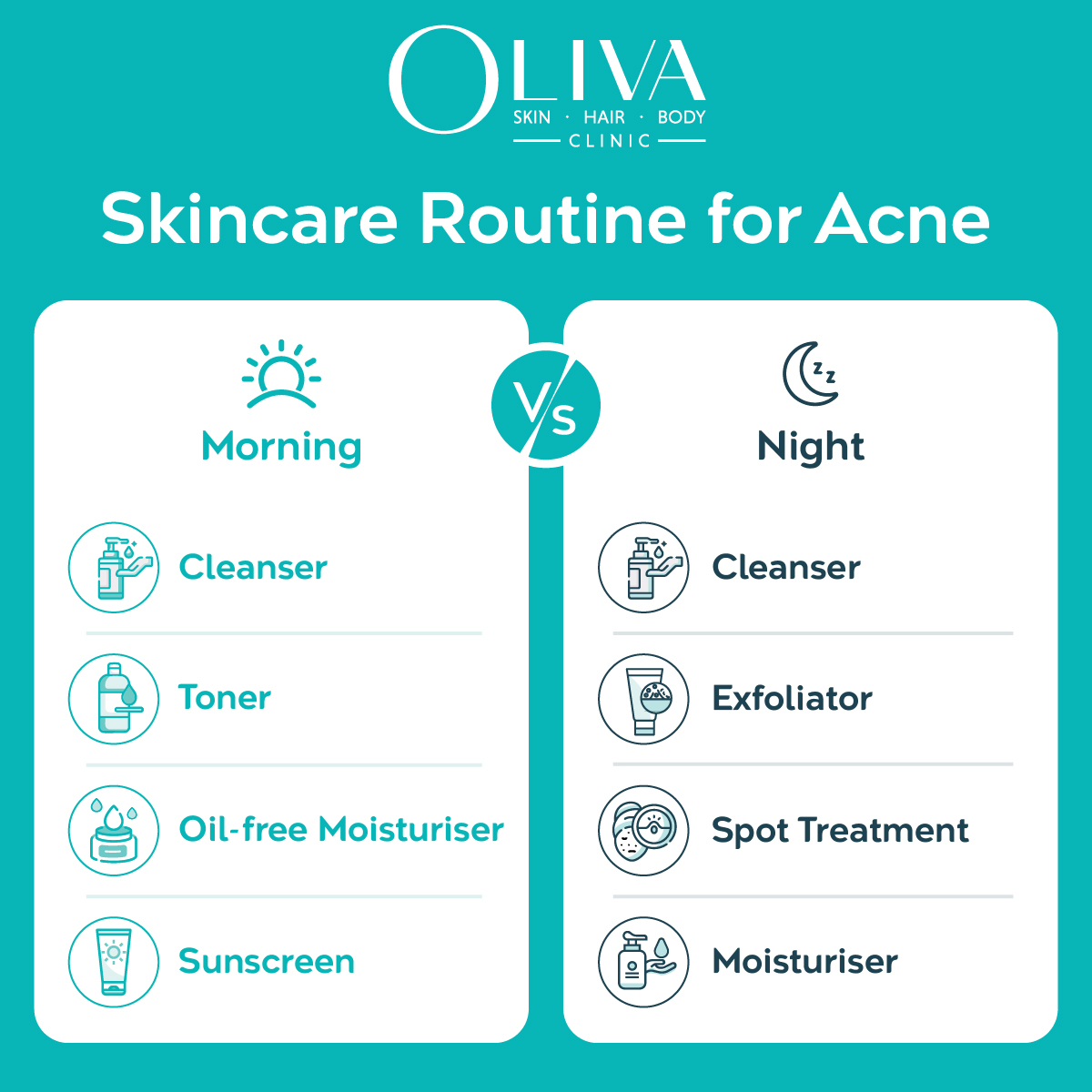
Use salicylic acid in the morning for fresh, clean skin. Apply retinol at night to avoid sun sensitivity. Wait 20 to 30 minutes between applying each product. Start using retinol twice a week and increase slowly. Always apply sunscreen during the day. This routine reduces irritation and maximizes benefits.
Avoiding Common Irritations
Both ingredients can cause dryness and redness. Use a gentle moisturizer to soothe the skin. Avoid applying salicylic acid and retinol at the same time. Stop using if severe irritation occurs. Patch test new products before full application. Patience and careful use protect skin and improve results.
Step-by-step Routine
Creating a skincare routine with salicylic acid and retinol requires careful timing and attention. Each product works best at specific times of the day to maximize benefits while minimizing irritation. Let’s break down how you can build this routine effectively.
Morning Skincare With Salicylic Acid
Start your day by cleansing your face with a gentle cleanser. After drying, apply a salicylic acid product. This ingredient helps clear out pores and reduce oiliness throughout the day.
Salicylic acid is particularly useful if you struggle with acne or clogged pores. It exfoliates inside your pores, preventing breakouts. Have you noticed your skin feels less oily after using it in the morning?
Follow the salicylic acid with a lightweight moisturizer to keep your skin balanced. This step prevents dryness without clogging your pores.
Evening Routine Featuring Retinol
Retinol works best at night because it increases your skin’s sensitivity to sunlight. After cleansing, apply a pea-sized amount of retinol evenly over your face.
Retinol encourages cell turnover and smooths fine lines, but it can cause irritation if you start too strong. If you’re new to retinol, try using it every other night and observe how your skin reacts.
Do you find your skin becoming red or flaky? That’s a sign to slow down and moisturize more.
Moisturizing And Sun Protection
Moisturizing is essential both morning and night. It keeps your skin hydrated and supports the barrier function, especially when using active ingredients like salicylic acid and retinol.
Never skip sunscreen during the day. Retinol makes your skin more vulnerable to UV damage, so apply a broad-spectrum SPF 30 or higher every morning.
Think about your current moisturizer and sunscreen—are they gentle and effective enough to support this routine? Choosing the right ones can make a big difference in your skin’s comfort and health.
Choosing Products Wisely
Choosing the right products with salicylic acid and retinol can make a big difference in your skincare journey. These powerful ingredients need to be selected carefully to suit your skin’s needs and avoid irritation. Let’s talk about how you can pick the best options for your routine.
Concentration Levels To Consider
Both salicylic acid and retinol come in various strengths. If you’re new to these ingredients, start with lower concentrations like 0.5% salicylic acid or 0.25% retinol. This helps your skin get used to them without overwhelming it.
If your skin handles these well, you might try higher percentages later, but don’t rush it. Too strong a concentration can cause redness, dryness, or peeling. Think about your skin’s tolerance before jumping to stronger products.
Formulations For Different Skin Types
Your skin type plays a huge role in which product formulation will work best. For oily or acne-prone skin, gel or lightweight liquid formulas with salicylic acid can reduce breakouts without clogging pores.
Dry or sensitive skin may benefit more from creamy, hydrating retinol products that include soothing ingredients like hyaluronic acid. Have you noticed how some products leave your skin feeling tight or irritated? That’s a sign to switch to gentler formulations.
Patch Testing And Sensitivity
Always perform a patch test before applying new products with salicylic acid or retinol all over your face. Apply a small amount on your inner arm or behind your ear and wait 24-48 hours to check for redness or discomfort.
Even if a product is labeled “gentle,” your skin can still react. How does your skin usually respond to new skincare? If you see any irritation during the test, it’s a clear signal to look for a milder option or consult a dermatologist.

Credit: www.eraorganics.com
Troubleshooting Common Issues
Using salicylic acid and retinol together can transform your skin, but it might also bring some challenges. These ingredients are powerful and can cause dryness, peeling, or even breakouts if not used carefully. Understanding how to troubleshoot these common issues will help you keep your skin healthy and glowing.
Dealing With Dryness And Peeling
Dryness and peeling are the most common side effects when you start using salicylic acid and retinol. Your skin might feel tight or flaky, especially during the first few weeks.
To ease this, add a gentle moisturizer immediately after applying your actives. Look for products with ceramides or hyaluronic acid to lock in moisture without clogging pores.
Also, consider spacing out your applications—use salicylic acid in the morning and retinol at night, or alternate nights to give your skin time to adjust.
Managing Breakouts And Purging
Breakouts can be confusing. Is it a reaction or just purging? Purging happens when your skin accelerates cell turnover, bringing underlying clogged pores to the surface.
This usually lasts 4–6 weeks. If breakouts persist beyond that or worsen, you might be experiencing irritation or sensitivity rather than purging.
To manage this, reduce the frequency of use, and avoid combining other harsh exfoliants. Patience is key, but know when to pause and reassess.
When To Adjust Your Routine
Listen to your skin closely. If redness, burning, or extreme peeling occur, it’s time to tweak your routine.
Adjust by lowering how often you use salicylic acid and retinol, or switch to lower concentrations. Sometimes, adding a soothing serum or barrier repair cream can make a big difference.
Ask yourself: Is my skin improving or struggling? Your routine should support your skin, not stress it. Don’t hesitate to consult a dermatologist if problems persist.
Tips For Long-term Skin Health
Maintaining healthy skin over time requires more than just the right products. It demands a thoughtful approach that blends your skincare routine with lifestyle choices and regular self-checks. Here are some practical tips to help you keep your skin radiant and resilient while using salicylic acid and retinol.
Consistency And Patience
Using salicylic acid and retinol consistently is crucial. These ingredients work gradually, so you won’t see overnight results. Stick to your routine, even if progress feels slow—your skin needs time to adjust and reveal its true potential.
Don’t rush by increasing product strength or frequency too quickly. I once experienced irritation by doubling my retinol use, which set back my progress for weeks. Slow and steady wins the race when dealing with powerful actives like these.
Diet And Lifestyle Factors
Your skin reflects what you put inside your body. Eating a balanced diet rich in antioxidants, vitamins, and healthy fats supports your skin’s natural repair process. Think colorful fruits, leafy greens, nuts, and omega-3 rich fish.
Hydration also plays a major role. Drinking enough water keeps your skin plump and helps flush out toxins. Meanwhile, stress and lack of sleep can trigger breakouts and dullness, so try to manage stress through exercise or meditation and prioritize rest.
Regular Skin Monitoring
Keep an eye on how your skin reacts over time. Look for changes like increased dryness, redness, or sensitivity. These signs mean it might be time to adjust your routine or take a short break.
Consider taking photos every few weeks to track your skin’s progress objectively. This habit helped me spot subtle improvements and avoid unnecessary tweaks that could disrupt my routine.
Are you paying enough attention to how your skin responds day by day? Small adjustments based on observation can make a big difference in long-term skin health.
Credit: www.olivaclinic.com
Frequently Asked Questions
Can Salicylic Acid And Retinol Be Used Together?
Yes, salicylic acid and retinol can be used together but with caution. Start slowly to avoid irritation and use them on alternate nights or layer with a moisturizer in between. Always apply sunscreen during the day when using these ingredients.
What Skin Types Benefit From Salicylic Acid And Retinol?
Both oily and acne-prone skin types benefit most from salicylic acid and retinol. Salicylic acid unclogs pores, while retinol promotes skin cell turnover. Sensitive skin types should introduce these ingredients gradually to minimize irritation.
How To Build A Skincare Routine With Salicylic Acid And Retinol?
Begin with cleansing, then apply salicylic acid in the evening to exfoliate pores. Follow with retinol after it absorbs, or alternate nights. Finish with moisturizer and always use sunscreen in the morning to protect your skin.
What Are Common Side Effects Of Salicylic Acid And Retinol?
Common side effects include dryness, redness, and peeling. These occur mainly when first using the products or if overused. To minimize irritation, start with low concentrations, use moisturizer, and avoid combining both on the same night initially.
Conclusion
Combining salicylic acid and retinol can transform your skincare routine. These ingredients help clear pores and reduce acne. They also boost skin renewal and improve texture. Consistency is key for best results. Start slowly to avoid irritation. Use sunscreen daily to protect your skin.
Listen to your skin’s needs and adjust as necessary. A simple routine can lead to healthier, glowing skin. Remember, patience is important. Changes won’t happen overnight. Stick with it and enjoy the benefits over time. Your skin will thank you.
