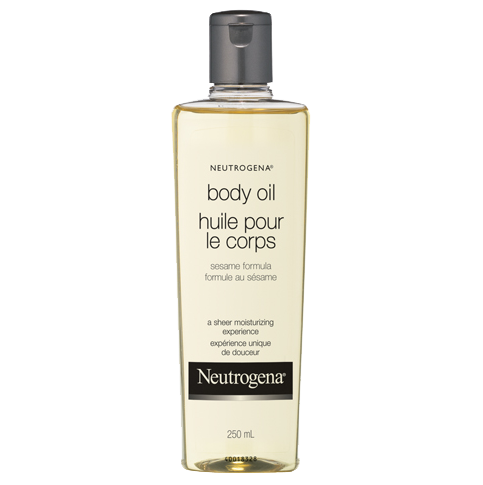
Are you tired of dealing with flaky, uncomfortable dry skin? Imagine stepping out of the shower and feeling your skin stay soft, hydrated, and glowing all day.
That’s exactly what the right body oil can do for you. It’s not just a luxury; it’s a necessity for keeping your skin healthy and radiant. We’ll explore how body oil can transform your skincare routine, providing the nourishment your skin craves.
Discover how to say goodbye to dry patches and hello to smooth, supple skin. Keep reading to uncover the secrets to achieving your best skin yet!
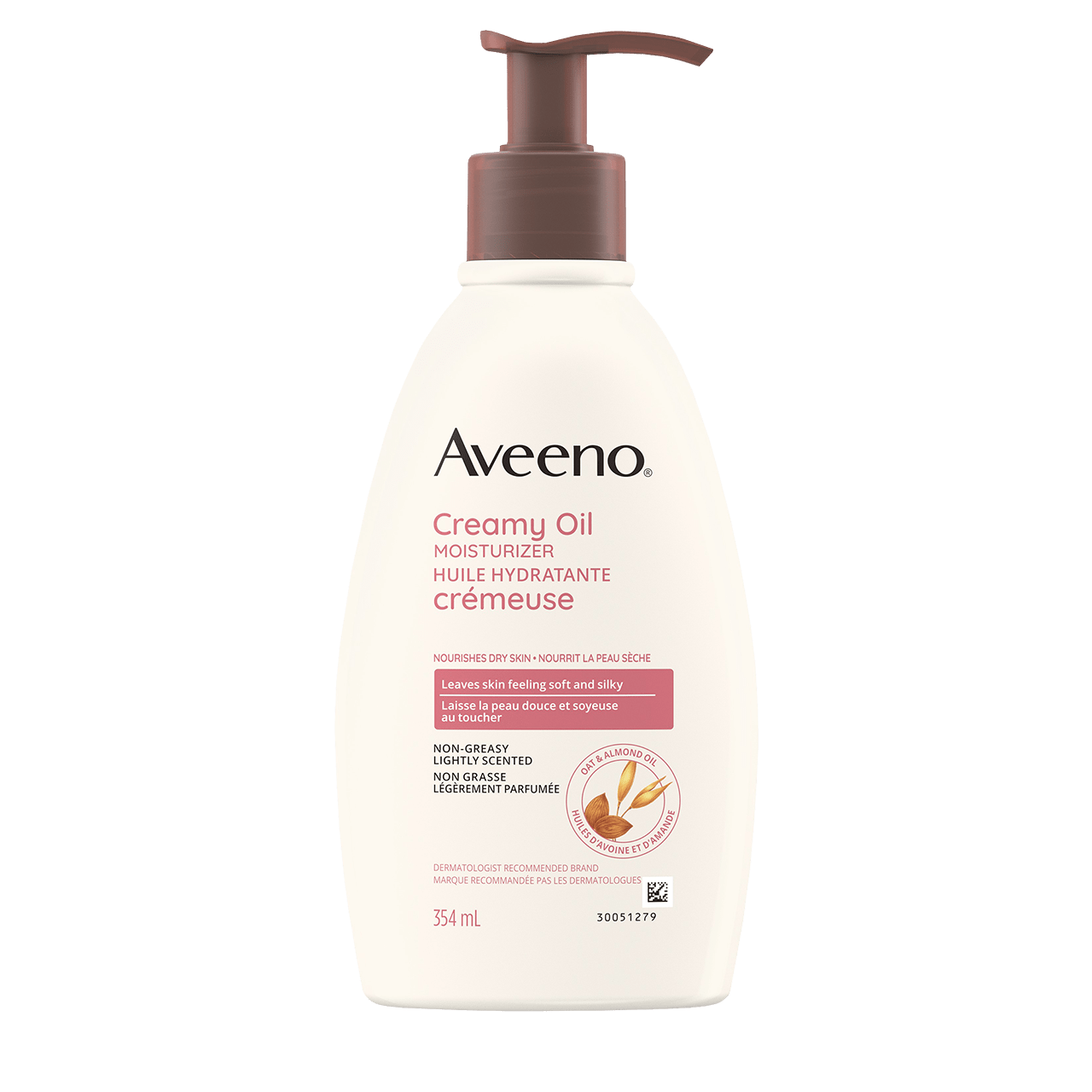
Credit: www.aveeno.ca
Why Body Oil Works For Dry Skin
Body oil is a natural choice for dry skin care. It nourishes deeply and helps skin feel soft. Oils create a barrier that keeps moisture inside. This barrier prevents water loss and protects skin from dryness. Using body oil can improve skin texture and comfort quickly.
How Oils Lock In Moisture
Oils form a thin layer on the skin surface. This layer stops moisture from evaporating. Unlike water-based products, oils seal in hydration. They trap water in the top skin layers. This keeps skin plump and hydrated for hours. Oils also help repair the skin’s natural barrier.
Benefits Over Lotions And Creams
Lotions and creams often contain water and fillers. They can feel heavy or greasy on dry skin. Oils absorb faster and do not clog pores. They provide intense hydration without residue. Oils also contain fatty acids that nourish skin deeply. This makes them better for very dry or rough areas.
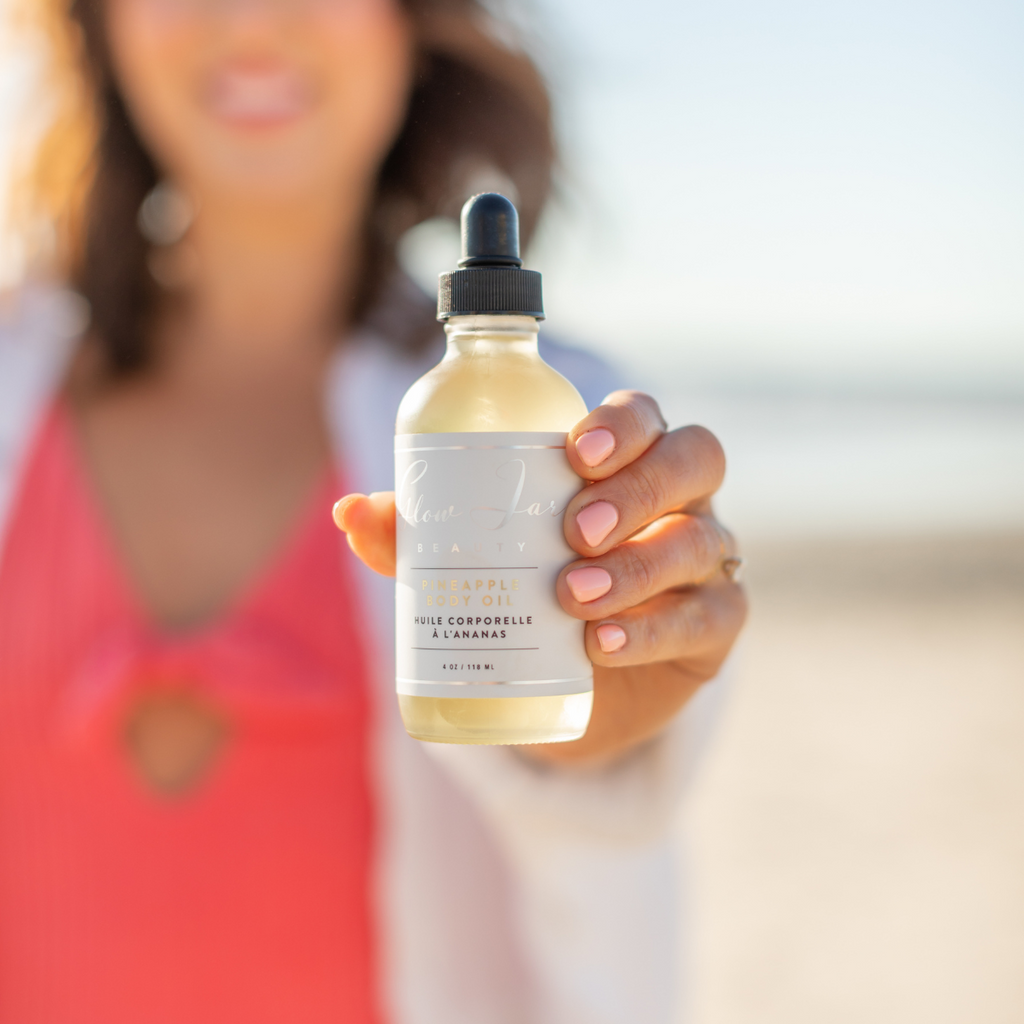
Credit: www.glowjar.ca
Choosing The Right Body Oil
Choosing the right body oil is key for dry skin care. The right oil soothes, hydrates, and protects your skin. It helps keep your skin soft and smooth all day. Some oils work better for certain skin types. It is important to know the difference between natural and synthetic oils. Also, consider your skin’s needs before choosing an oil.
Natural Oils Vs Synthetic Options
Natural oils come from plants and seeds. They contain vitamins and nutrients that nourish skin deeply. Examples include coconut, jojoba, and almond oils. These oils often absorb well and feel gentle on skin.
Synthetic oils are made in labs. They may provide a barrier to lock in moisture. Some synthetic oils can feel heavy or greasy. They lack natural nutrients but can be stable for long use. Choosing natural oils supports healthier skin over time.
Best Oils For Different Skin Types
| Skin Type | Recommended Oil | Benefits |
|---|---|---|
| Dry Skin | Argan Oil | Deeply hydrates and restores softness |
| Sensitive Skin | Calendula Oil | Soothes irritation and reduces redness |
| Oily Skin | Jojoba Oil | Balances oil production without clogging pores |
| Normal Skin | Sweet Almond Oil | Maintains moisture and keeps skin smooth |
Select oils based on your skin’s needs. Patch test new oils before full use. This helps avoid allergic reactions. Consistent use brings best results for dry skin care.
How To Apply Body Oil Effectively
Applying body oil effectively can transform your dry skin care routine. It’s not just about slathering it on; the way and timing of application make a huge difference in how well your skin absorbs and retains moisture. Let’s dive into some practical tips to help you get the most out of your body oil.
Timing For Maximum Absorption
Applying body oil right after a shower or bath is key. Your skin is still damp, which helps lock in moisture and boosts absorption. Waiting too long means the oil will just sit on dry skin, making it less effective.
Think about your routine: do you towel off completely or leave some water on your skin? Try gently patting dry instead of rubbing harshly. That slight dampness creates the perfect canvas for body oil to sink in deeply.
Techniques For Even Coverage
Pour a small amount of oil into your palm and warm it up by rubbing your hands together. This makes the oil easier to spread evenly. Start with your legs and arms, using long, smooth strokes to cover large areas.
Don’t forget tricky spots like elbows and knees where dryness often lingers. Use circular motions there to really massage the oil into the skin. What’s your usual method to ensure you don’t miss any spots? Try switching to this technique and notice how your skin feels afterward.
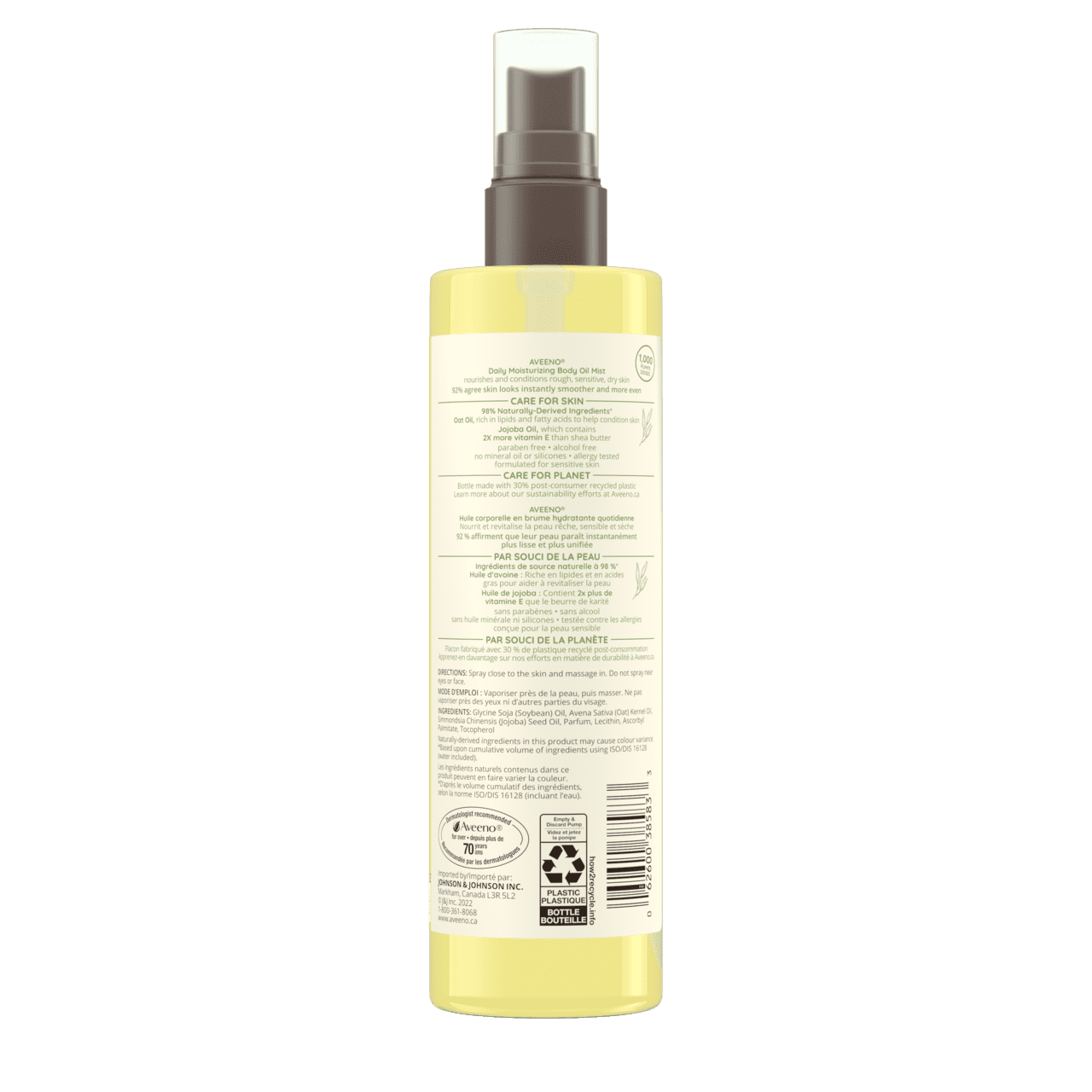
Credit: www.aveeno.ca
Enhancing Hydration With Body Oil
Body oils are powerful allies when your skin feels dry and tight. They lock in moisture and create a protective barrier that keeps your skin hydrated longer. Using body oil effectively can transform your skincare routine and bring lasting softness to your skin.
Combining Oils With Other Moisturizers
You don’t have to choose between body oils and lotions—they can work together. Applying a lightweight lotion first helps add water-based hydration. Then, layering body oil on top seals in that moisture.
This combo is especially helpful if your skin feels dry even after moisturizing. Oils like jojoba or almond can enhance the lotion’s effect without feeling greasy. Have you noticed how some moisturizers just evaporate quickly? Adding oil can fix that problem.
Using Body Oil After Bathing
Applying body oil right after your bath or shower is a simple way to boost hydration. Your skin is still damp, which helps the oil trap in water. This reduces dryness and leaves your skin feeling smooth.
Try patting your skin gently with a towel instead of rubbing. Then, while your skin is slightly wet, massage a few drops of oil all over your body. You’ll see how this small step keeps your skin hydrated longer throughout the day.
Additional Tips For Faster Skin Hydration
Getting your skin hydrated faster requires more than just applying body oil. It’s about creating a supportive environment for your skin from the inside out and avoiding habits that strip away moisture. Here are some practical tips to boost hydration quickly and keep your skin feeling soft and healthy.
Hydrating Diet And Water Intake
Drinking enough water is key, but it’s not just about quantity. Your body absorbs and uses water better when you eat foods rich in water content like cucumbers, watermelon, and oranges.
Healthy fats from foods such as avocados, nuts, and olive oil help lock moisture into your skin cells. Don’t underestimate the power of a balanced diet packed with vitamins A, C, and E—they support skin repair and hydration.
Have you noticed how eating certain foods makes your skin feel tighter or drier? Paying attention to your diet can reveal what helps or harms your skin’s moisture levels.
Avoiding Common Dry Skin Triggers
Hot showers might feel relaxing, but they can strip your skin’s natural oils, leaving it drier. Try lukewarm water instead and keep your baths or showers short.
Harsh soaps and detergents often remove essential oils from your skin. Choose gentle, fragrance-free cleansers designed for sensitive or dry skin.
Environmental factors like cold wind and low humidity sap moisture quickly. Using a humidifier indoors and protecting your skin with clothing can prevent this loss.
Do you know which daily habits unknowingly dry out your skin? Identifying these triggers can help you avoid them and maintain better hydration.
Frequently Asked Questions
What Is The Best Body Oil For Dry Skin?
The best body oil for dry skin is rich in moisturizing ingredients like jojoba, almond, or coconut oil. These oils deeply hydrate, lock in moisture, and soothe dryness without clogging pores. Choose natural, fragrance-free options for sensitive skin to ensure maximum nourishment and comfort.
How Often Should I Apply Body Oil For Dry Skin?
Apply body oil for dry skin daily, ideally right after showering. This locks in moisture and enhances skin softness. For extremely dry skin, use it twice a day—morning and night. Consistent use improves hydration, reduces flakiness, and promotes healthy, glowing skin over time.
Can Body Oil Replace Lotion For Dry Skin?
Yes, body oil can replace lotion for dry skin if it provides sufficient hydration. Oils create a protective barrier, preventing moisture loss better than many lotions. However, choose oils with added nutrients and apply on damp skin for best absorption and lasting moisture.
Is Body Oil Safe For Sensitive Dry Skin?
Body oils made with natural, hypoallergenic ingredients are generally safe for sensitive dry skin. Avoid oils with artificial fragrances and harsh chemicals to prevent irritation. Patch test new oils before full application to ensure compatibility and avoid allergic reactions.
Conclusion
Body oil helps keep dry skin soft and smooth. It locks in moisture and protects your skin. Use it regularly for the best results. Choose natural oils that suit your skin type. Apply after showering to seal in hydration. Your skin will feel healthier and more comfortable.
Simple care can make a big difference. Try body oil and enjoy softer skin every day.
