Are you tired of trying countless skincare products that just don’t seem to work? Finding the right skincare routine can feel overwhelming, but it doesn’t have to be.
Imagine waking up every day with glowing, healthy skin that makes you feel confident. You’ll discover simple steps to create a routine tailored just for you. By the end, you’ll know exactly what your skin needs and how to give it the care it deserves.
Ready to transform your skin and boost your confidence? Let’s get started!
Skin Types And Needs
Understanding your skin’s unique characteristics is the first step toward building an effective skincare routine. Your skin type and specific needs influence which products will work best, helping you avoid irritation and achieve a healthy glow. Let’s break down how to identify your skin type, common concerns you might face, and how the changing seasons affect your skin.
Identifying Your Skin Type
Knowing your skin type helps you pick the right cleansers, moisturizers, and treatments. You can usually classify your skin into one of five types:
- Normal:Balanced, neither too oily nor dry, with few imperfections.
- Oily:Shiny appearance with larger pores, prone to acne and blackheads.
- Dry:Flaky, rough texture and tight feeling after washing.
- Combination:Oily in the T-zone (forehead, nose, chin) and dry or normal elsewhere.
- Sensitive:Easily irritated, red, or itchy with certain products or environmental triggers.
Try a simple test: cleanse your face and wait an hour without applying products. Notice how your skin feels. Does it feel tight or oily? This can guide you to your skin type.
Common Skin Concerns
Your skin may have specific issues beyond type that need attention. Acne, redness, dark spots, fine lines, and dullness are common problems that many people face. What concerns bother you the most when you look in the mirror?
Addressing these concerns often means adding targeted products like exfoliants, serums, or sunscreens. For example, if you struggle with acne, ingredients like salicylic acid or benzoyl peroxide can help clear pores. If dryness is your issue, look for hydrating ingredients like hyaluronic acid or ceramides.
Seasonal Skin Changes
Does your skin behave differently in winter compared to summer? Many people notice their skin dries out in cold weather and becomes oilier in heat. These shifts require adjustments to your routine.
During colder months, you might need a richer moisturizer and gentle exfoliation to combat dryness. In warmer seasons, lighter formulas and increased sun protection become essential to avoid breakouts and sun damage.
Have you ever felt confused by how your skin acts as the seasons change? Paying attention to these patterns lets you tailor your routine throughout the year for better results.

Credit: fleurandbee.com
Essential Skincare Steps
Finding your skincare routine begins with mastering the essential steps that build a strong foundation for healthy skin. These steps are simple but powerful when done correctly and consistently. Let’s break down the core actions that can make a real difference in how your skin looks and feels every day.
Cleansing Techniques
Cleansing removes dirt, oil, and makeup that clog your pores and dull your skin. Use gentle, circular motions with lukewarm water to avoid irritating your skin. Have you noticed how harsh scrubbing can cause redness or dryness? Choosing a cleanser that suits your skin type is key—whether it’s foaming for oily skin or cream-based for dry skin.
Toning Benefits
Toning balances your skin’s pH and tightens pores, preparing your face for moisturizing. Many skip this step, but I found that adding toner reduced my occasional breakouts and made my skin feel refreshed. Look for alcohol-free toners with soothing ingredients like witch hazel or rose water to avoid stripping your skin.
Moisturizing Tips
Moisturizing locks in hydration and strengthens your skin’s barrier. Even if your skin feels oily, you still need a moisturizer—just choose a lightweight, non-comedogenic formula. Applying moisturizer on slightly damp skin can enhance absorption and keep your skin supple longer.
Sun Protection
Sun protection is non-negotiable for healthy skin and to prevent premature aging. I used to skip sunscreen on cloudy days, but I’ve learned that UV rays penetrate clouds and windows. Pick a broad-spectrum SPF 30 or higher and apply it every morning, no matter the weather.
Choosing The Right Products
Choosing the right products is the foundation of an effective skincare routine. Your skin has unique needs, and picking products that match those needs can make all the difference. Sometimes, the wrong product can cause irritation or breakouts, so understanding what to look for is essential.
Ingredients To Look For
Focus on ingredients that benefit your skin type and concerns. For hydration, look for hyaluronic acidor glycerin. If you want to brighten your skin, vitamin Cand niacinamideare excellent choices.
For acne-prone skin, ingredients like salicylic acidand benzoyl peroxidehelp clear pores and reduce inflammation. Always read labels carefully and research unfamiliar ingredients to avoid surprises.
Products For Sensitive Skin
If your skin reacts easily, choose products labeled as fragrance-freeand hypoallergenic. These are less likely to cause irritation or redness. I once switched to a gentle cleanser with minimal ingredients, and my skin calmed down within days.
Look for soothing ingredients like aloe vera, chamomile, or colloidal oatmeal. These help reduce sensitivity without stripping your skin’s natural oils.
Avoiding Harmful Additives
Steer clear of products with harsh chemicals like parabens, sulfates, and phthalates. These can disrupt your skin’s barrier and cause long-term damage. If you have sensitive skin, these additives can lead to irritation or allergic reactions.
Instead, opt for products that use natural preservatives and gentle cleansing agents. Ask yourself, what am I putting on my skin daily? Choose products that respect your skin’s health, not harm it.

Credit: www.colorescience.com
Customizing Your Routine
Customizing your skincare routine helps your skin get exactly what it needs. Each person’s skin is unique, so one routine does not fit all. Adjusting products and timing supports skin health and improves results.
Think about your skin type, concerns, and daily habits. A personalized routine can balance oil, hydrate dry skin, or calm sensitivity. Small changes make a big difference over time.
Morning Vs Evening Care
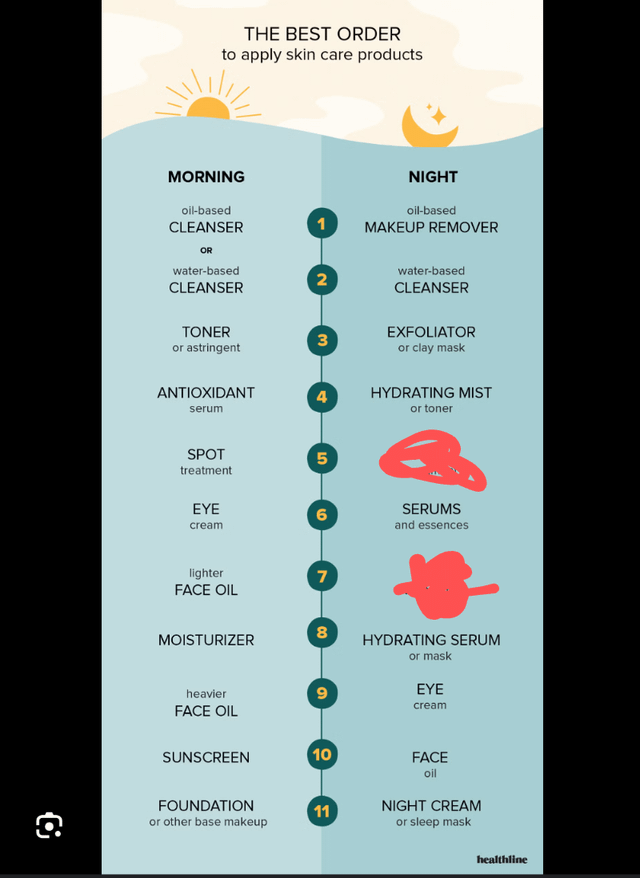
Morning and evening skincare serve different purposes. In the morning, focus on protection and hydration. Use gentle cleansers, moisturizers, and sunscreen. Sunscreen shields skin from harmful UV rays all day.
Evening care allows skin to repair and renew. Use cleansers to remove dirt and makeup. Apply treatments or serums that work overnight. Night creams often have richer formulas to nourish deeply.
Incorporating Serums And Treatments
Serums deliver active ingredients in a concentrated form. They target specific concerns like wrinkles, dark spots, or acne. Use serums after cleansing but before moisturizing.
Treatments may include exfoliants or masks. Use them based on your skin’s tolerance and needs. Avoid overuse, which can cause irritation. Consistency helps serums and treatments work best.
Adjusting For Lifestyle Factors
Lifestyle affects skin condition daily. Stress, diet, sleep, and environment all play roles. Adjust your routine to fit these changes.
- Increase hydration and soothing products during dry seasons.
- Add antioxidants if you spend time outdoors.
- Use calming ingredients when stressed or tired.
- Modify cleansing if exposed to pollution or heavy makeup.
Listening to your skin guides these adjustments. Flexibility keeps your routine effective and skin balanced.
Boosting Skin Health
Healthy skin shines from the inside out. Taking care of your skin involves more than creams and lotions. It requires a balanced lifestyle that supports skin health naturally. Simple changes in daily habits can bring visible improvements to your skin’s texture and glow.
Diet And Hydration
Eating nutritious foods helps your skin stay strong and clear. Foods rich in vitamins A, C, and E support skin repair and protection. Drinking enough water flushes out toxins and keeps skin hydrated. Aim to drink at least eight glasses of water daily. Include fruits, vegetables, nuts, and fish in your meals for better skin health.
Sleep And Stress Management
Quality sleep allows your skin to heal and regenerate. Aim for 7 to 9 hours of sleep each night. Stress raises hormone levels that can cause skin problems like acne and dryness. Practice relaxation techniques like deep breathing, meditation, or light yoga. Managing stress reduces skin inflammation and helps maintain a clear complexion.
Exercise And Skin Glow
Regular exercise improves blood circulation, delivering oxygen to your skin. This process helps skin cells stay healthy and vibrant. Sweating during workouts also clears out pores, reducing the risk of breakouts. Choose activities you enjoy, such as walking, cycling, or dancing. Exercise not only benefits your skin but also boosts your mood and energy.
Common Mistakes To Avoid
Finding your skincare routine can feel like a maze, especially when common mistakes sneak in and stall your progress. Avoiding these errors can make a huge difference in how your skin looks and feels. Let’s break down some frequent pitfalls that might be holding you back from glowing skin.
Over-exfoliating
Exfoliating is great for removing dead skin, but too much can cause irritation and redness. I once exfoliated daily, hoping for faster results, but ended up with dry, flaky patches instead.
Stick to exfoliating 2-3 times a week, depending on your skin type. If your skin feels tight or uncomfortable, dial back the frequency immediately.
Skipping Sunscreen
Not using sunscreen daily is one of the biggest skincare blunders. Even on cloudy days, UV rays can damage your skin, leading to premature aging and dark spots.
Make sunscreen a non-negotiable step every morning. Ask yourself: Are you protecting your skin as much as you moisturize it?
Mixing Incompatible Products
Combining certain ingredients, like retinol with vitamin C or acids, can cause irritation and reduce effectiveness. I learned this the hard way after waking up with red, itchy skin from an aggressive mix.
Check product ingredients carefully before layering. If unsure, test new combinations on a small skin patch or consult a dermatologist.

Credit: www.ulta.com
Frequently Asked Questions
What Is The Best Way To Find My Skincare Routine?
Start by identifying your skin type: oily, dry, combination, or sensitive. Choose products targeting your concerns and test them gradually. Consistency and patience are key for effective results.
How Often Should I Update My Skincare Routine?
Update your skincare routine every 3 to 6 months. Changes depend on seasons, skin condition, and aging. Regular adjustments help maintain optimal skin health and address new concerns.
What Essential Steps Should A Skincare Routine Include?
A basic skincare routine includes cleansing, moisturizing, and sun protection. Add exfoliation and treatment products based on your skin needs. These steps ensure clean, hydrated, and protected skin daily.
Can I Mix Products From Different Brands In My Routine?
Yes, you can combine products from different brands. Focus on ingredient compatibility and your skin’s tolerance. Mixing allows customization but avoid overlapping active ingredients to prevent irritation.
Conclusion
Finding the right skincare routine takes time and patience. Everyone’s skin is unique. Start with basic steps like cleansing and moisturizing. Gradually introduce new products. Always listen to your skin’s needs. Avoid harsh products that irritate. Consider seeking advice from a dermatologist.
They can provide personalized guidance. Remember, consistency is key. Stick to your routine daily for best results. Keep track of your skin’s changes. Adjust products when necessary. Hydrate, eat well, and rest. Healthy habits support glowing skin. Enjoy the journey to healthier skin.
You got this!
