
Ever wondered why some people have that glowing, flawless skin you dream about? The secret often lies in a well-crafted skincare routine.
If you’re tired of trying random products and seeing no results, it’s time to discover the magic of the 12 step skincare routine. This isn’t just another fad; it’s a powerful approach that can transform your skin and boost your confidence.
Imagine waking up each morning, looking in the mirror, and seeing the radiant complexion you’ve always wanted. You deserve that kind of start to your day. Stick around to learn how each step works, why it matters, and how it can revolutionize your skincare game. Ready to unlock the secrets to beautiful skin? Let’s dive in!
Why Follow A 12 Step Routine
Following a 12 step skincare routine helps build healthy skin habits. It covers all essential skincare needs. This routine supports skin balance, hydration, and protection every day.
Each step targets specific skin concerns. The routine layers products in the right order. This maximizes their benefits and improves skin texture.
Complete Care For Your Skin
A 12 step routine ensures no step is missed. It includes cleansing, exfoliating, toning, treating, and moisturizing. This thorough approach addresses dryness, oiliness, and dullness.
Improves Skin Absorption
Applying products step-by-step allows better absorption. Each product preps the skin for the next one. This process helps active ingredients work deeper and last longer.
Builds Consistency And Discipline
Following 12 steps daily creates a skincare habit. Consistency improves skin health over weeks and months. It reduces skin problems and boosts natural glow.
Customizable For Different Skin Types
The routine can be adjusted for oily, dry, or sensitive skin. You can swap or skip steps as needed. This makes the routine flexible and effective for everyone.
Protects Against Environmental Damage
Some steps include antioxidants and sunscreens. These protect skin from pollution and UV rays. Protection lowers signs of aging and keeps skin fresh.
Credit: www.lemon8-app.com
Step 1: Cleansing
Cleansing is the foundation of any effective skincare routine. It removes dirt, oil, and impurities that accumulate on your skin throughout the day. Starting with a clean canvas helps the other steps work better and keeps your skin healthy.
Choosing The Right Cleanser
Not all cleansers suit every skin type. You need to pick one that matches your skin’s unique needs to avoid irritation or dryness.
- Oily skin:Look for a foaming or gel cleanser that controls oil without stripping moisture.
- Dry skin:Cream or hydrating cleansers with moisturizing ingredients work best.
- Sensitive skin:Choose fragrance-free, gentle cleansers with soothing ingredients like aloe vera.
- Combination skin:Balance is key; mild cleansers that don’t over-dry the T-zone or neglect dry areas are ideal.
Have you ever used a cleanser that left your skin feeling tight or greasy? That’s a sign you need to rethink your choice. I once switched to a gel cleanser for my dry skin, and my face felt uncomfortable all day. After switching back to a cream formula, my skin felt balanced and calm.
How To Cleanse Properly
Effective cleansing isn’t just about the product—it’s also about technique. Using the right method ensures you remove impurities without damaging your skin.
- Start with lukewarm water to open your pores gently.
- Apply a small amount of cleanser to your fingertips and massage it onto your face in circular motions for about 30 seconds.
- Pay special attention to areas prone to oil build-up, like the forehead and nose.
- Rinse thoroughly with lukewarm water to remove all residue.
- Pat your face dry with a clean towel—avoid rubbing as it can irritate the skin.
Have you noticed how skipping cleansing or rushing through it affects your skin’s texture and clarity? Taking a minute or two to cleanse properly can make a noticeable difference in how fresh and smooth your skin feels.
Step 2: Exfoliation
Exfoliation plays a crucial role in your skincare routine by removing dead skin cells that can clog pores and dull your complexion. It helps your skin absorb other products better, making your routine more effective. If you want smoother, brighter skin, understanding exfoliation is key.
Types Of Exfoliants
You can choose between two main types of exfoliants: physical and chemical. Physical exfoliants use small granules or tools to manually scrub away dead skin. Chemical exfoliants rely on ingredients like acids to dissolve dead skin cells gently.
- Physical exfoliants:scrubs, brushes, or exfoliating gloves
- Chemical exfoliants:AHAs (like glycolic acid), BHAs (like salicylic acid), and enzyme-based exfoliants
Each has benefits and drawbacks. Physical exfoliants give immediate smoothness but can be harsh if overused. Chemical exfoliants work deeper and often improve skin texture over time without irritation when used correctly.
Frequency And Tips
How often you exfoliate depends on your skin type and the exfoliant you use. Oily or acne-prone skin may tolerate exfoliation 2-3 times a week, while dry or sensitive skin might need only once a week or less.
- Start slow to see how your skin reacts.
- Always follow exfoliation with moisturizer to keep skin hydrated.
- Avoid exfoliating on active breakouts or irritated skin.
Have you noticed your skin becoming red or flaky after exfoliating? That’s a sign to reduce frequency or switch to a gentler product. Paying attention to your skin’s signals will help you find the perfect balance.
Step 3: Toner
Toner often gets overlooked, but it plays a key role in your skincare routine. It helps balance your skin’s pH after cleansing and preps your face for serums and moisturizers. If you’ve ever felt tight or dry right after washing your face, toner can help fix that.
Benefits Of Toner
Toner refreshes your skin instantly. It removes leftover dirt, oil, and makeup that your cleanser might miss.
Many toners soothe irritation and reduce redness, making your skin feel calm and comfortable. They also tighten pores, giving your skin a smoother appearance.
Have you noticed how some skincare products don’t absorb well? Toner creates the perfect base, so your next steps work better and last longer.
Best Toner Ingredients
- Hyaluronic Acid:Draws moisture into your skin, keeping it hydrated and plump.
- Witch Hazel:Controls oil and tightens pores without overdrying.
- Niacinamide:Reduces inflammation and evens out skin tone.
- Glycolic Acid:Gently exfoliates dead skin cells for a brighter complexion.
- Aloe Vera:Calms irritated skin and provides soothing relief.
Choosing the right toner depends on your skin type and concerns. For oily skin, a toner with witch hazel or glycolic acid might help control shine. If your skin is dry or sensitive, look for hydrating ingredients like hyaluronic acid and aloe vera.
What do you feel your skin needs most after cleansing? Identifying this can guide your toner choice and improve your routine’s effectiveness.
Step 4: Essence
Essence is a vital part of the 12 Step Skincare Routine. It nourishes and hydrates the skin deeply. This step helps prepare skin for better absorption of serums and moisturizers. Lightweight and watery in texture, essence delivers active ingredients efficiently. It supports skin repair and improves texture over time.
Purpose Of Essence
Essence boosts skin hydration instantly. It soothes and calms irritated skin. The active ingredients help brighten and even out skin tone. Essence enhances the skin’s natural barrier. It creates a moist base for following products.
Application Techniques
- Pour a small amount of essence into your palm.
- Gently pat the essence onto your face using your fingertips.
- Start from the center of your face and move outward.
- Avoid rubbing; use light tapping motions.
- Allow the essence to absorb fully before the next step.
Step 5: Serum
Serums are the powerhouse of your skincare routine. They deliver concentrated ingredients deep into your skin, targeting specific concerns like dryness, dullness, or wrinkles. Adding a serum at this stage can dramatically improve your skin’s texture and overall health.
Selecting Serums For Skin Concerns
Choosing the right serum depends on what your skin needs most. If you struggle with dryness, look for hydrating serums containing hyaluronic acid or glycerin. For uneven tone or dark spots, vitamin C serums work wonders by brightening and protecting your skin.
Dealing with fine lines? Peptides and retinol can help boost collagen and smooth wrinkles. Sensitive skin? Opt for serums with soothing ingredients like niacinamide or aloe vera. What’s your biggest skin challenge right now? Identifying that will guide you to the perfect serum choice.
Layering Serums Effectively
Applying multiple serums can be confusing, but order matters. Start with the thinnest, water-based serum and then apply thicker, oil-based ones. This helps your skin absorb each serum properly.
Give each serum a minute or two to sink in before adding the next. Avoid mixing active ingredients like retinol and vitamin C at the same time to prevent irritation. Have you noticed how your skin reacts when you change the order or skip this step? Small tweaks can make a big difference.
Step 6: Sheet Masks
Sheet masks bring hydration and nutrients deep into the skin. They fit the face like a second skin, letting active ingredients absorb fully. This step refreshes and soothes tired or dry skin.
When To Use Sheet Masks
Use a sheet mask 1 to 3 times a week. Ideal after cleansing and toning. Perfect for days when skin feels dry or dull. Great before special events for a quick glow. Avoid using sheet masks on broken or irritated skin.
Choosing The Right Mask
Select a mask based on your skin needs. For dry skin, pick hydrating masks with hyaluronic acid. For oily skin, choose masks with ingredients like tea tree or charcoal. Sensitive skin benefits from calming masks with aloe or chamomile. Always check the ingredient list for potential irritants.
Step 7: Eye Cream
Eye cream plays a crucial role in any skincare routine. This product targets the delicate skin around the eyes. It helps reduce puffiness, dark circles, and fine lines. Using eye cream regularly improves skin texture and hydration. It also protects this sensitive area from environmental damage. Choosing the right eye cream depends on your skin type and concerns.
Targeting Common Eye Issues
Eye creams focus on several common problems:
- Dark circles:Ingredients like vitamin C brighten the under-eye area.
- Puffiness:Caffeine helps reduce swelling and refresh tired eyes.
- Fine lines:Peptides and hyaluronic acid smooth wrinkles and boost moisture.
- Dryness:Emollients and ceramides restore hydration and protect skin.
Choosing an eye cream that targets your main concerns is essential for visible results.
Proper Application
Use your ring finger to apply eye cream gently. This finger applies the least pressure. Dab small dots of cream around the eye socket. Avoid pulling or rubbing the skin harshly. Pat the cream softly until fully absorbed. Apply eye cream twice daily for best effect. Always follow the instructions on the product label.
Step 8: Spot Treatment
Spot treatment plays a vital role in a 12 step skincare routine. It targets specific blemishes without affecting the entire face. This step helps reduce redness and swelling quickly. Spot treatment also prevents blemishes from worsening or leaving marks. Applying the right product with care is important for healthy skin.
Dealing With Blemishes
Blemishes can appear suddenly and cause discomfort. Treat them gently to avoid irritation. Clean the affected area before applying any treatment. Avoid picking or squeezing pimples. This can cause scars and infections. Use a clean cotton swab or fingertip to apply the product. Focus only on the blemish, not the surrounding skin.
Safe Spot Treatment Options
- Salicylic acid: Helps unclog pores and reduce inflammation.
- Benzoyl peroxide: Kills acne-causing bacteria and dries pimples.
- Tea tree oil: A natural option with antibacterial properties.
- Sulfur: Reduces oil and removes dead skin cells.
- Hydrocolloid patches: Absorb pus and protect the blemish.
Choose products suitable for your skin type. Test new treatments on a small area first. Stop use if irritation occurs. Consistent, gentle care improves skin health and appearance.
Step 9: Moisturizer
Moisturizer is a vital part of your skincare routine. It locks in hydration and protects your skin barrier. This step helps skin feel soft and smooth throughout the day. Choosing the right moisturizer depends on your skin type and needs. Applying it correctly boosts its benefits and keeps your skin healthy.
Picking Moisturizers For Skin Types
Different skin types need different moisturizers. Here is a simple guide:
| Skin Type | Recommended Moisturizer |
|---|---|
| Dry | Thick creams with oils or hyaluronic acid |
| Oily | Light, oil-free gels or lotions |
| Combination | Balanced lotions, non-comedogenic formulas |
| Sensitive | Fragrance-free, soothing ingredients like aloe vera |
Moisturizing Tips
- Apply moisturizer while skin is damp to trap moisture.
- Use gentle upward strokes to avoid pulling skin.
- Don’t forget your neck and chest area.
- Use a moisturizer with SPF during the day.
- Adjust moisturizer type with changing seasons.
Step 10: Sunscreen
Sunscreen is a crucial part of your skincare routine that protects your skin from harmful UV rays every single day. It helps prevent premature aging, sunburn, and reduces the risk of skin cancer. Applying sunscreen should never be skipped, even on cloudy days or when you stay indoors.
Importance Of Daily Sunscreen
You might think sunscreen is only necessary during summer or outdoor activities. But UV rays can penetrate windows and clouds, affecting your skin daily. Wearing sunscreen consistently helps maintain an even skin tone and prevents dark spots from forming.
Consider this: I once skipped sunscreen on a regular workday and noticed my skin felt dry and irritated by evening. That experience taught me that UV exposure happens anytime you’re exposed to daylight, not just at the beach.
Wearing sunscreen daily is a small habit that pays off with healthier, younger-looking skin. What would happen if you made sunscreen a non-negotiable part of your routine?
Choosing The Right Spf
Picking the right SPF can be confusing. SPF 30 blocks about 97% of UVB rays, while SPF 50 blocks around 98%. The difference might seem small, but every bit counts for your skin’s protection.
Look for broad-spectrum sunscreens that protect against both UVA and UVB rays. This ensures comprehensive defense against skin damage.
Remember to apply sunscreen generously—about a teaspoon for your face alone—and reapply every two hours if you’re outside. Don’t forget areas like your ears, neck, and hands.
Which SPF level suits your daily needs? If you spend most of your time indoors but near windows, SPF 30 might be enough. For longer outdoor exposure, aim for SPF 50 or higher.
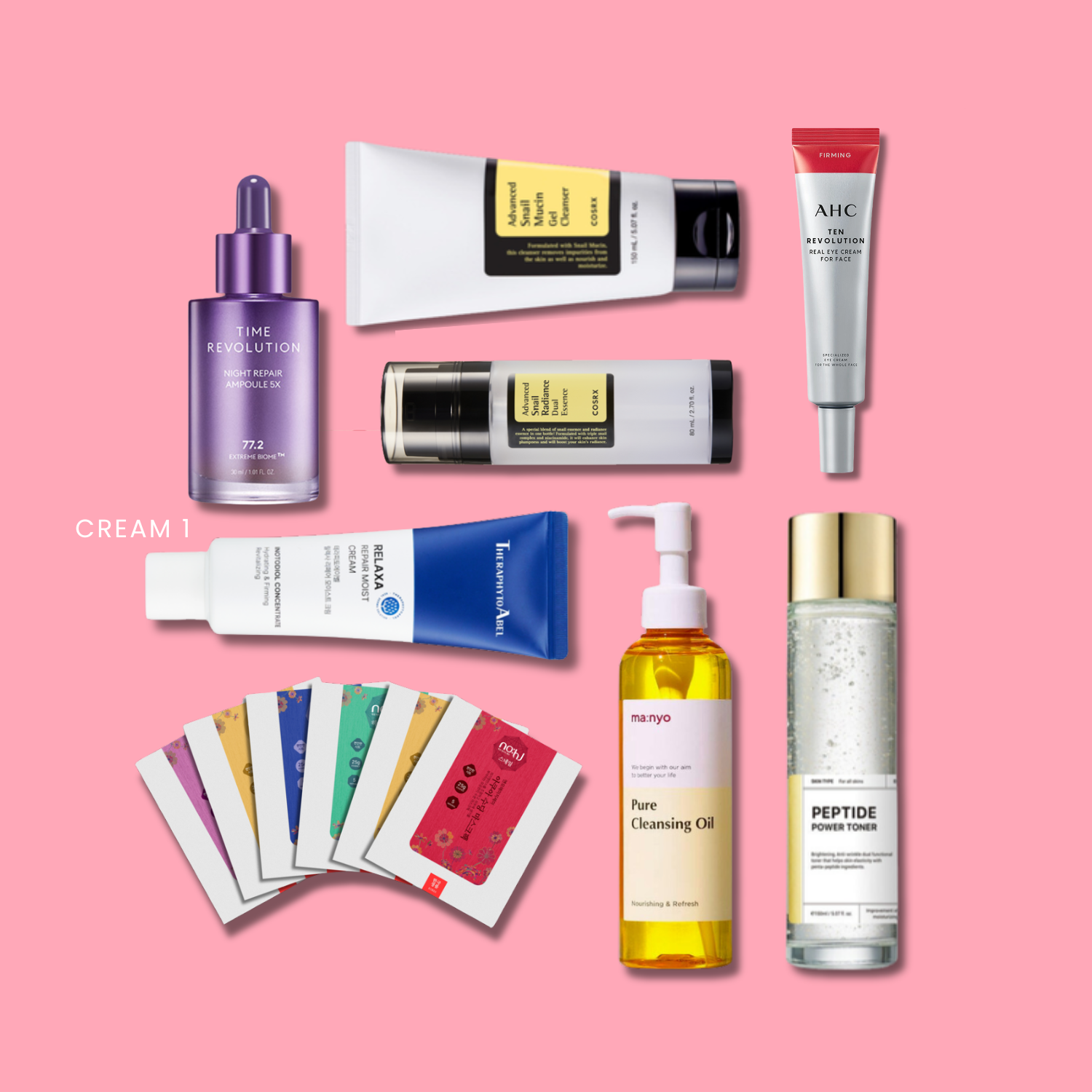
Credit: www.ooshtush.com
Step 11: Facial Oil
Facial oil is a key part of a 12 step skincare routine. It helps lock in moisture and gives skin a soft, glowing finish. Unlike creams, oils penetrate deeply to nourish the skin. They balance dry and oily skin types by supporting the skin’s natural barrier. Using facial oil can make your skin look healthier and feel smoother. This step is ideal for adding extra hydration and protection after all other skincare products.
Benefits Of Facial Oils
- Deeply hydrates and nourishes the skin.
- Improves skin elasticity and softness.
- Helps balance natural oil production.
- Protects skin from environmental damage.
- Soothes irritation and redness.
- Enhances the glow and smoothness of skin.
How And When To Apply
Apply facial oil after toner, essence, and serum. Use a few drops on clean, slightly damp skin. Gently press the oil into your face and neck. Avoid rubbing to prevent irritation. You can use facial oil morning and night. In the morning, it adds a radiant finish under makeup. At night, it supports skin repair while you sleep.
Step 12: Night Cream
Night cream is the final touch in your 12 Step Skincare Routine. It seals in all the care you’ve given your skin throughout the day. Think of it as your skin’s overnight shield and repair kit.
Nighttime Repair Benefits
At night, your skin works hard to heal itself. A good night cream supports this natural process by providing deep hydration and essential nutrients.
These creams often contain ingredients like retinol and peptides that encourage cell renewal. They also help reduce signs of aging such as fine lines and dullness.
Have you noticed your skin feels softer and looks brighter after a good night’s rest? Night cream plays a big role in that transformation.
Selecting Night Creams
Choosing the right night cream depends on your skin type and concerns. If you have dry skin, look for creams rich in oils and moisturizing agents.
For oily or acne-prone skin, opt for lighter, non-comedogenic formulas that won’t clog pores. Ingredients like hyaluronic acid work well for all skin types by locking in moisture without heaviness.
- Sensitive skin:Choose fragrance-free and soothing ingredients like aloe vera or chamomile.
- Mature skin:Look for anti-aging ingredients such as retinol or vitamin C.
- Combination skin:Balance hydration with lightweight gels or lotions.
What does your skin feel like in the morning after using your night cream? That’s the real test to find what works best for you.
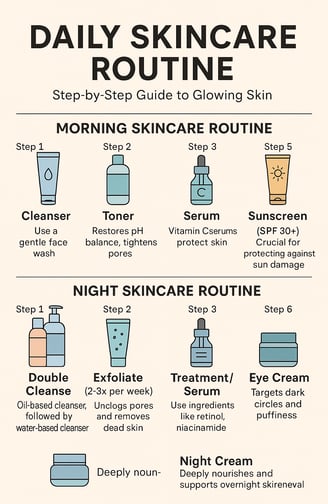
Credit: siddhesha.com
Tips For Maximizing Routine Benefits
Following a 12 step skincare routine takes effort and care. Simple habits can help you get the best results. These tips make your skin look healthy and fresh. Learn how to keep your routine effective and easy to maintain.
Consistency And Patience
Stick to your routine every day. Skincare needs time to show results. Do not expect changes overnight. Give your skin weeks to improve. Missing steps often can slow progress. Small daily actions add up over time.
Be patient with new products. Some may cause mild reactions at first. This is normal and usually temporary. Keep using them unless irritation worsens. Consistency builds a stronger skin barrier and glow.
Adjusting For Skin Changes
Skin changes with seasons and age. Adjust your routine to match these shifts. Use richer creams in winter to fight dryness. Switch to lighter products during hot months. Notice how your skin feels and reacts.
Listen to your skin’s signals. Redness, dryness, or oiliness means change is needed. Swap ingredients that no longer suit your skin. Consult a dermatologist if unsure about changes. Customizing your routine keeps skin balanced and healthy.
Frequently Asked Questions
What Is The Purpose Of A 12 Step Skincare Routine?
A 12 step skincare routine deeply cleanses, exfoliates, hydrates, and nourishes skin. It targets multiple skin concerns for a radiant complexion. This routine helps maintain skin health, improves texture, and enhances overall glow with consistent use.
How Long Does A 12 Step Skincare Routine Take?
Typically, a 12 step skincare routine takes 20 to 30 minutes daily. Time varies based on product application and skin type. It’s best done twice a day for optimal skin benefits and results.
Can I Customize The 12 Step Skincare Routine?
Yes, the 12 step routine can be tailored to your skin type. You can add or skip steps depending on your skin needs. Always choose products suitable for your skin to avoid irritation.
Is A 12 Step Routine Suitable For Sensitive Skin?
A 12 step routine can work for sensitive skin if gentle products are used. Avoid harsh exfoliants and strong actives. Always patch test new products and introduce steps gradually to prevent irritation.
Conclusion
A 12 step skincare routine helps keep your skin clean and healthy. Each step has a purpose and adds value to your care. Consistency is key to see real improvements over time. Choose products that suit your skin type and needs.
Be patient; results take days or weeks to show. Enjoy the process and feel confident in your skin. Small daily actions make a big difference in the long run. Your skin deserves this simple, caring routine every day.
